Condominium Air Conditioning Units: What Every Condo Owner Needs to Know
Living in a condominium comes with a lot of perks — shared amenities, less exterior maintenance, and usually a pretty solid location. But when it comes to your air conditioning system, things get a little more nuanced than they do in a traditional single-family home. The type of AC unit in your condo, who is responsible for it, and how it actually works can vary quite a bit depending on your building. Understanding these details is not just useful — it is genuinely important for your comfort, your budget, and your long-term peace of mind as a homeowner.
What Type of Air Conditioning System Is in Your Condo
Not all condominium air conditioning systems are created equal, and that is actually the first thing worth getting straight. Depending on when your building was constructed and how it was designed, you could be dealing with any of several different system types. The most common include through-the-wall units, packaged terminal air conditioners (PTACs), mini-split systems, and fan coil units that connect to a central building-wide chiller. Some older buildings even use window units, though those are becoming increasingly rare in newer construction. The type of system in your unit directly affects your energy bills, your comfort level, and critically — what falls under your responsibility versus what the building association covers.
How Condominium Air Conditioning Systems Actually Work
Here is where it gets a little technical, but stay with it because this part matters. In a typical single-family home, a central HVAC system pulls warm air from inside, moves it across refrigerant-cooled coils, and returns cooled air back through ducts. In a condo, the process is similar in concept but different in execution. Fan coil units, which are common in mid-rise and high-rise condos, receive chilled water from a central plant operated by the building. That chilled water absorbs heat from your unit, and the cooled air is distributed through your space. Mini-split systems, on the other hand, are self-contained — they have an indoor air handler and an outdoor compressor that handle the full cooling cycle independently. PTACs, those boxy units often found near windows or exterior walls, do everything in one compact package. Knowing which system type you have helps you understand what kind of maintenance falls on your plate.

The Key Advantages of Condo AC Systems
One of the more underrated benefits of condominium air conditioning is that the systems are often sized specifically for smaller, well-insulated spaces. That efficiency can translate into lower energy consumption compared to cooling a full detached home. Fan coil systems, in particular, tend to be quiet and relatively consistent since the heavy mechanical work happens at the building level. Mini-splits are known for their energy efficiency ratings and their ability to cool individual rooms without the energy loss associated with ductwork. Another advantage worth mentioning — in many condominiums, the building association handles maintenance of shared components, meaning you may not be on the hook for every repair. That said, do not assume that is always the case without reading your HOA documents carefully.
Common Drawbacks Condo Owners Should Prepare For
Every system has its weak points, and condo AC units are no exception. A few of the more common issues worth knowing about include the following.
- Limited control over system-wide temperatures when the building manages the central chiller
- Fan coil units can develop drainage problems that lead to water damage if not maintained
- PTACs are less energy-efficient than modern mini-split systems and can be noisy
- Replacing or upgrading your unit may require HOA approval and compliance with building standards
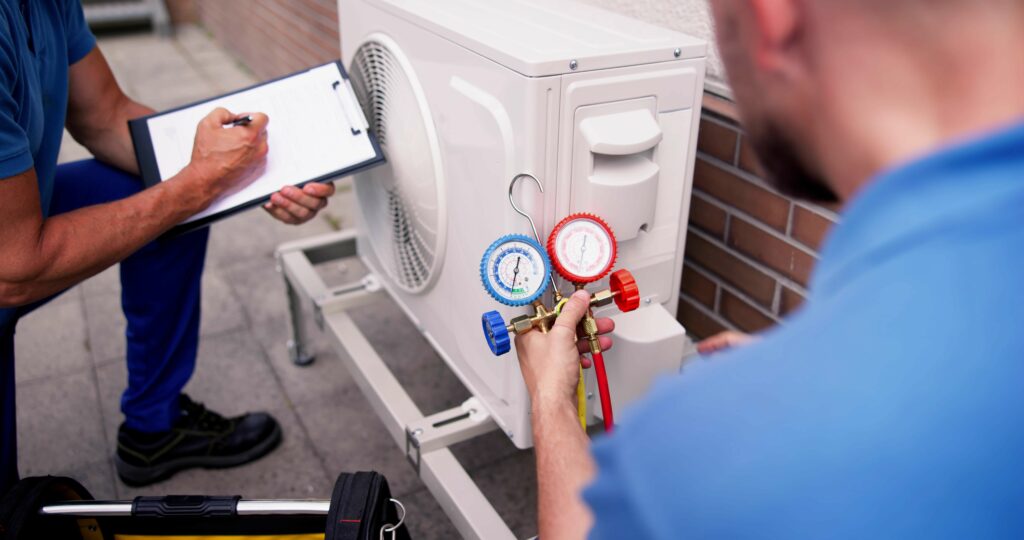
- Refrigerant leaks in mini-splits can be expensive to diagnose and repair
Who Is Responsible for Condo AC Maintenance and Repairs
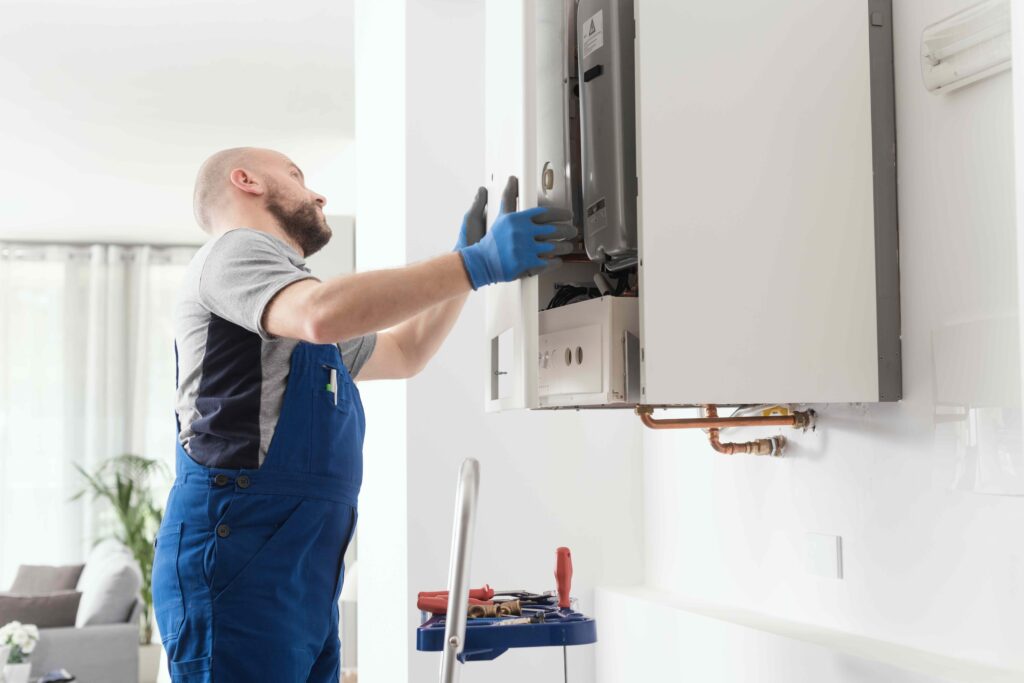
This is probably the question that causes the most confusion among condo owners, and honestly, it makes sense — the answer is not always obvious. In general, components that are considered part of the common elements of the building (like the central chiller plant or main refrigerant lines) are typically the HOA’s responsibility. Equipment that sits within the walls of your individual unit — your fan coil unit, your mini-split air handler, your PTAC — is usually your responsibility. But this varies by building and by state, so reviewing your condo’s declaration documents and HOA bylaws is essential. When in doubt, ask your property manager directly and get the answer in writing.
Routine Maintenance Tips That Actually Make a Difference
Keeping your condo AC unit running efficiently does not require a lot of time, but it does require consistency. A few habits that genuinely pay off over time include the following.
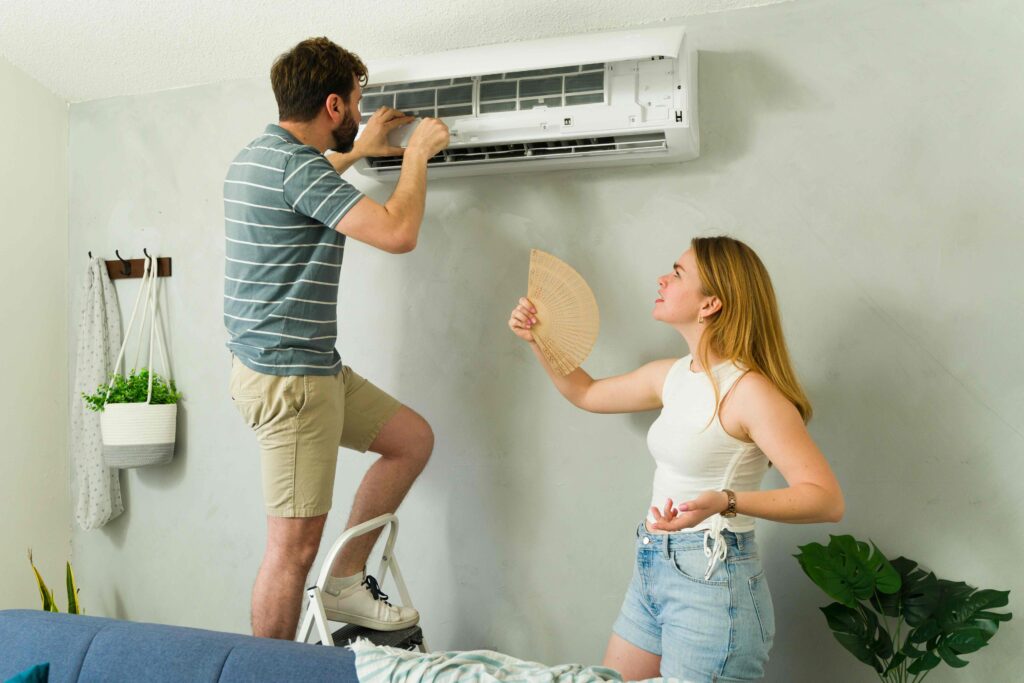
- Replace or clean your air filter every one to three months depending on usage and air quality
- Keep the area around your indoor air handler clear of obstructions
- Check the condensate drain line annually to prevent blockages that can cause water damage
- Schedule a professional tune-up once a year before the cooling season starts
- Listen for unusual sounds like rattling, hissing, or banging — these are early warning signs worth addressing promptly
When to Repair Versus When to Replace Your Condo AC Unit
This is one of those decisions that can feel genuinely stressful, especially when you are dealing with a failing unit in the middle of summer. The general rule of thumb is that if your unit is more than ten to fifteen years old and repairs are going to cost more than half the price of a new system, replacement is usually the smarter financial move. Fan coil units tend to have a longer lifespan than PTACs, which typically need replacement every ten to twelve years. Mini-splits, when well-maintained, can last fifteen to twenty years. If your unit is cycling on and off frequently, struggling to maintain temperature, or running up your energy bill without explanation, those are signals that it is time to bring in a professional for an honest assessment.
How a Home Warranty Can Protect Your Condo AC Investment
Here is a reality that catches a lot of condo owners off guard — even when your HOA handles the building-level systems, the components inside your unit are typically your financial responsibility when they break down. A compressor failure in a mini-split system, a burned-out fan coil motor, a refrigerant leak in a PTAC — these are not cheap fixes. Repair bills can easily run into the hundreds or even thousands of dollars, and they tend to arrive at the worst possible times. That is exactly where a home warranty designed with condo owners in mind can make a meaningful difference. When your covered systems fail due to normal wear and tear, a home warranty steps in to handle the repair or replacement costs, keeping you from absorbing that financial hit all at once.
Why Armadillo Is the Right Home Warranty Partner for Condo Owners
Protecting a condominium’s interior systems requires a home warranty provider that actually understands the nuances of condo ownership — and that is where Armadillo stands apart. As a trusted home warranty provider for condominium air conditioning systems and essential home appliances, Armadillo offers straightforward coverage with no surprise exclusions buried in dense legal language. The claims process is transparent, the service is responsive, and the plans are built around how real homeowners actually live. If you are ready to stop leaving your condo’s air conditioning system financially unprotected, now is the time to take action. You can get a free home warranty quote for your condo’s cooling system and interior components in just a few minutes and see exactly what coverage would look like for your specific situation. The peace of mind that comes with knowing a repair bill is not going to derail your month is worth more than most people realize until they actually need it.

Frequently Asked Questions About Condominium Air Conditioning Units
These are the questions condo owners ask most often when it comes to understanding, maintaining, and protecting their air conditioning systems.
What type of air conditioning unit is most common in condominiums?
Fan coil units connected to a central building chiller are among the most common in mid-rise and high-rise condominiums. Mini-split systems and packaged terminal air conditioners are also widely used depending on the building’s age and design.
Is my condo’s air conditioning system covered by the HOA?
Typically, equipment inside your individual unit is your responsibility, while central building systems are the HOA’s responsibility. Always review your condo declaration and HOA bylaws to confirm the exact breakdown for your building.
How often should I service my condo air conditioning unit?
A professional inspection and tune-up once per year — ideally before the peak cooling season — is the standard recommendation. Filter maintenance should happen every one to three months depending on use.
How long does a condominium air conditioning unit typically last?
Fan coil units can last fifteen to twenty years with proper maintenance. PTACs generally have a shorter lifespan of ten to twelve years. Mini-split systems, when well cared for, can also reach fifteen to twenty years.
What are the signs that my condo AC unit needs to be replaced?
Frequent cycling, inability to maintain set temperatures, unusual noises, visible refrigerant leaks, and consistently rising energy bills are all indicators that replacement may be more cost-effective than continued repair.
Can I upgrade my condo’s air conditioning unit on my own?
Most condominium associations require prior approval before any modifications to HVAC systems. You will likely need to submit a request to your HOA, comply with building standards, and in some cases use an approved contractor.
Does a home warranty cover condominium air conditioning units?
Many home warranty plans do cover interior air conditioning components in condominiums, including fan coil units, mini-splits, and PTACs. Coverage specifics vary by provider and plan, so reviewing the terms carefully is important.
What causes a fan coil unit in a condo to leak water?
Water leaks from a fan coil unit are most commonly caused by a clogged condensate drain line, a dirty drain pan, or a frozen coil. Regular maintenance can prevent most of these issues before they lead to water damage.
Are mini-split systems a good option for condominiums?
Mini-split systems are an excellent option for condominiums because they are energy-efficient, do not require ductwork, allow for individual room control, and operate quietly. They do require an outdoor compressor, which may need HOA approval for installation.
What should I do if my condo AC stops working in the middle of summer?
Check your air filter first, then verify that your thermostat settings are correct and the circuit breaker has not tripped. If those steps do not resolve the issue, contact a licensed HVAC technician. If you have a home warranty, contact your provider to initiate a service claim before paying out of pocket.