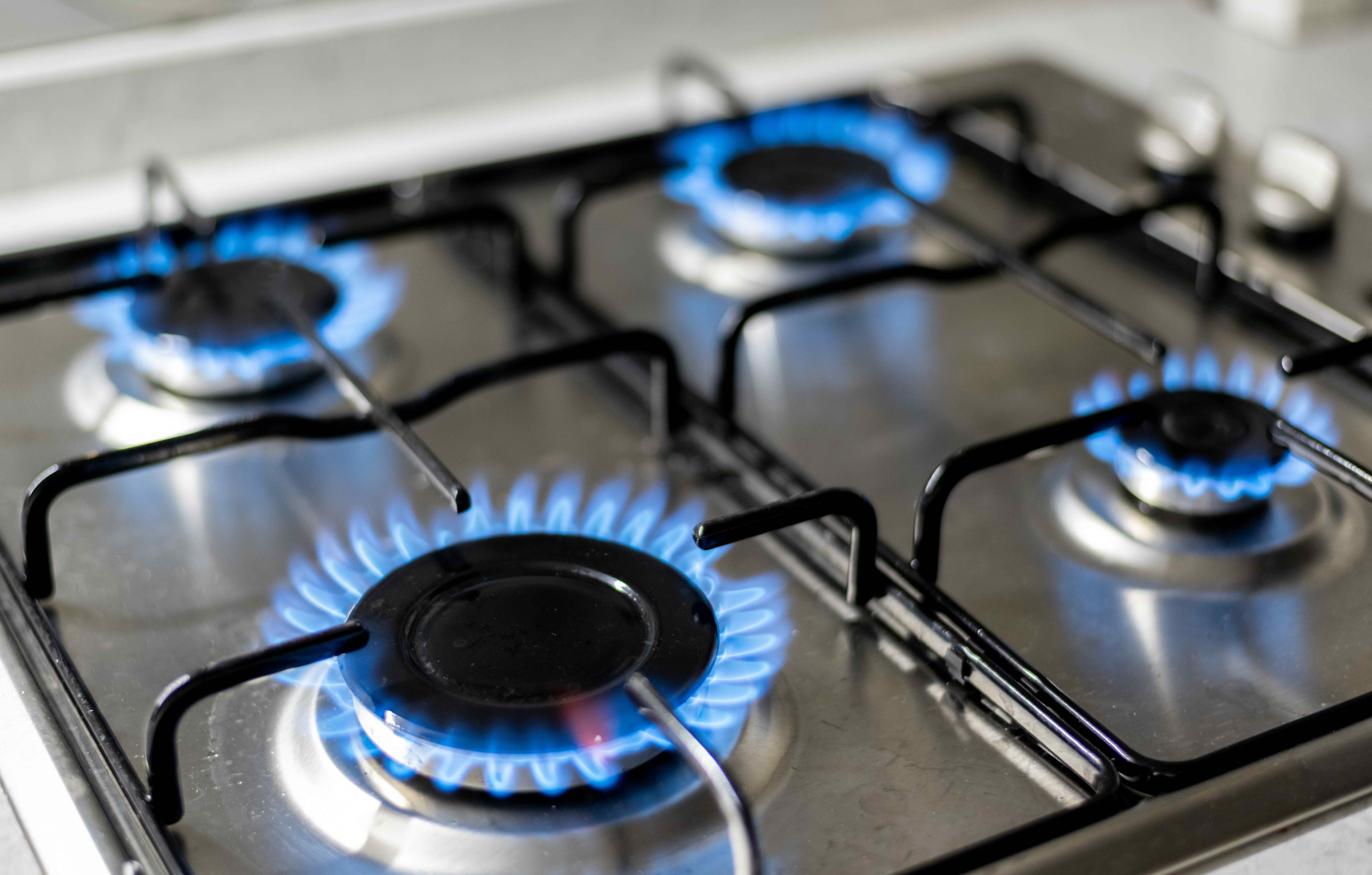
What Every Homeowner Should Know About Connecting a Gas Stove
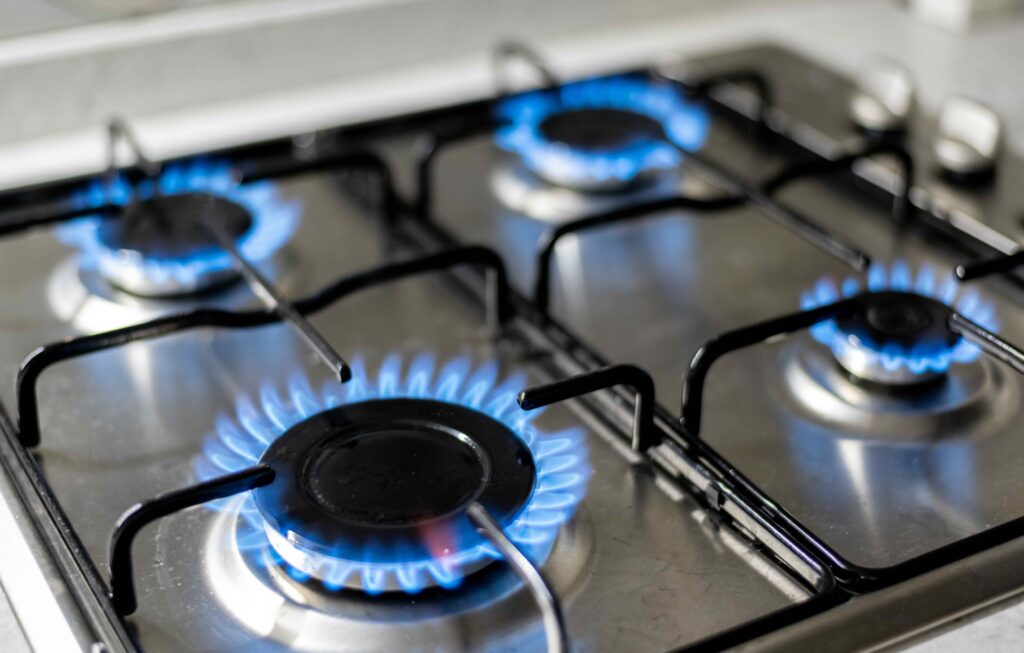
If you have ever stood in a kitchen appliance aisle weighing the pros and cons of gas versus electric, you already know the conversation gets complicated fast. Gas stoves are a staple in millions of American homes, and for good reason. They heat quickly, cool down faster than electric coils, and give cooks a level of control that a lot of people genuinely prefer. But getting one properly connected and grounded is not exactly a plug-and-play situation. There is some real infrastructure involved, and if you are a homeowner thinking about making the switch or replacing an older unit, it helps to understand what you are actually dealing with before calling anyone out to the house.
How a Gas Stove Connection Actually Works
A gas stove connects to your home’s natural gas supply through a dedicated gas line, typically located behind the appliance. The connection involves a flexible stainless steel connector that links the range to a shutoff valve on the wall or floor. That valve is critical because it allows you to cut the gas supply quickly in an emergency. The flexible connector, usually about two feet long, is designed to accommodate slight movement when pulling the stove out for cleaning or servicing. What a lot of homeowners do not realize is that these connectors have a limited service life. They can corrode, crack, or develop pinhole leaks over time, so older connectors should be inspected regularly and replaced if there is any visible wear.
The Role of Grounding in a Gas Stove Installation
Here is where people sometimes get confused. Gas stoves still require electricity. Even though the cooking is done with an open flame, modern gas ranges rely on electrical ignition systems, interior lighting, digital controls, and in many cases, a convection fan in the oven. All of that requires a properly grounded three-prong outlet, typically rated at 120 volts. Grounding is not optional. It protects against electrical faults that could cause shock or fire. If the outlet behind your stove is an older two-prong ungrounded type, that needs to be addressed before installation. An electrician can upgrade the outlet, and in some cases the entire circuit may need to be evaluated to bring it up to current code.
What the Installation Process Looks Like
A proper gas stove installation involves a few distinct steps that should not be rushed or skipped. Here is what a qualified technician will typically handle during the process:
- Inspect the existing gas line for proper sizing, condition, and shutoff valve accessibility
- Check the flexible connector and replace it if the existing one is outdated or shows wear
- Verify the electrical outlet is grounded and the circuit is properly rated
- Slide the range into place and secure connections, then test for gas leaks using a detector or soapy water solution
- Confirm burner ignition and oven function before completing the installation
This is not a long process when everything is in order, but complications with older homes can add time. If your home has cast iron or older black iron piping, a plumber or gas technician may need to evaluate whether the existing line is compatible with current standards.

Key Advantages of Using a Gas Stove at Home
There are solid reasons why gas cooking has maintained its popularity even as induction and electric technology has improved significantly. Precise flame control is the most cited benefit. You can go from a rolling boil to a gentle simmer almost instantly, and that responsiveness genuinely matters when you are cooking. Gas also works during power outages, provided the ignition can be manually triggered with a match or lighter, which is a practical advantage that homeowners in storm-prone areas often appreciate. From a cost perspective, natural gas tends to be less expensive than electricity in most U.S. markets, which can result in measurable savings on utility bills over time.
Common Drawbacks and Risks to Keep in Mind
Gas stoves are not without downsides. The most significant concern is safety. A poorly installed or aging gas connection can leak, and natural gas leaks are serious. Carbon monoxide exposure is another risk in homes where ventilation is inadequate. Kitchens with gas appliances should have working carbon monoxide detectors and ideally a range hood that vents to the exterior rather than recirculating air. There is also the matter of humidity and indoor air quality. Combustion produces water vapor and byproducts that can affect air quality in a sealed home, which is worth considering if anyone in your household has respiratory sensitivities. These are manageable risks with the right precautions, but they are worth understanding upfront.
When to Call a Professional Versus DIY
This is a topic worth addressing directly. Many homeowners feel comfortable handling appliance installations themselves, and in some cases, a straightforward swap of one gas range for another is something a handy person can manage. However, if anything deviates from a clean, like-for-like replacement, including changes to the gas line location, upgrading the electrical outlet, or dealing with an older home where the infrastructure is questionable, that is where professional involvement becomes essential. Most local codes also require licensed gas technicians to work on gas lines, and some jurisdictions require permits for gas appliance installations. Skipping those steps can create problems when you go to sell the home or file an insurance claim.
Maintenance Tips to Keep Your Gas Stove Running Safely
Once your gas stove is properly installed and grounded, ongoing maintenance is what keeps it performing safely over the years. A few habits make a meaningful difference:
- Clean burner caps and grates regularly to prevent clogs that affect flame quality
- Inspect the flexible gas connector once a year for signs of corrosion or cracking
- Test your carbon monoxide detector monthly and replace batteries as needed
- Have a professional inspect the gas connection if you notice any smell of gas, uneven flames, or ignition issues
Small issues tend to grow into expensive problems when they go unaddressed. A stove that is not igniting cleanly or a burner that runs unevenly is often trying to tell you something, and those early signals are worth paying attention to.
Understanding Home Warranty Coverage for Gas Appliances
One thing homeowners sometimes overlook is how a home warranty fits into this picture. Gas stoves, like most major appliances, are subject to wear over time. Igniters fail. Control boards malfunction. Valves develop issues. When those things happen outside of a manufacturer warranty period, the repair cost lands entirely on you unless you have coverage in place. A home warranty plan can cover the cost of diagnosing and repairing gas stove components, which is particularly useful given that appliance repair costs have climbed considerably in recent years. It is worth reviewing what any plan actually covers, including whether gas line connections and related components fall under appliance coverage or a separate systems category.
Why Armadillo Is Worth Considering for Gas Appliance Protection
When your gas stove needs a repair, the last thing you want to do is spend time hunting for a technician, negotiating costs, or wondering whether the work is guaranteed. That is exactly the kind of friction that Armadillo home warranty coverage for gas stoves and kitchen appliances is designed to eliminate. Armadillo takes a straightforward approach to home protection, with plans that cover the systems and appliances homeowners actually rely on every day. If you want to know what your home qualifies for and what a plan would cost, you can get a personalized home warranty quote for gas appliance protection in just a few minutes. No pressure, no guesswork. Just clear answers so you can make an informed decision about protecting what you have invested in your home.

Frequently Asked Questions About Connecting and Grounding a Gas Stove
Here are answers to the questions homeowners ask most often about gas stove connections, grounding requirements, and related coverage.
Does a gas stove need to be grounded even though it runs on gas?
Yes. Modern gas stoves use electricity to power the ignition system, interior light, digital display, and other components. A properly grounded three-prong outlet is required to operate the appliance safely and up to code.
Can I connect a gas stove myself, or does it require a licensed professional?
In many jurisdictions, working on gas lines requires a licensed plumber or gas technician. Even where it is technically permitted for homeowners to complete the hookup themselves, having a professional do it reduces risk and may be required for permit compliance.
How often should a gas stove flexible connector be replaced?
Most manufacturers and code guidelines recommend replacing the flexible connector every ten to fifteen years, or sooner if there is any visible corrosion, cracking, or kinking. It should be inspected annually as part of routine appliance maintenance.
What type of outlet does a gas stove require?
A standard gas range typically requires a grounded 120-volt, 15 or 20-amp outlet. Some models with additional features like a warming drawer or convection system may have slightly different requirements, so always check the manufacturer specifications before installation.
How do I know if there is a gas leak after connecting my stove?
The most reliable method is to apply a soapy water solution to the connection points and look for bubbles, which indicate escaping gas. You can also use a gas leak detector. If you smell gas at any point, leave the area immediately and call your utility provider.
Is a permit required to install a gas stove?
Requirements vary by municipality. Many areas require a permit when modifying gas lines or replacing an appliance with a different fuel type. Even a straight replacement may require a permit in some jurisdictions. Check with your local building department before starting the work.
Does a home warranty cover gas stove repairs?
Many home warranty plans include coverage for major kitchen appliances, including gas stoves. Coverage typically includes components like igniters, control boards, and burner valves. It is important to read the plan details carefully to understand what is included and any applicable limits.
What should I do if my gas stove burner will not ignite properly?
Start by cleaning the burner cap and igniter area, as food debris is a common cause of ignition problems. If cleaning does not resolve the issue, the igniter itself may be worn or faulty and should be evaluated by a qualified appliance technician.
Can I switch from an electric stove to a gas stove in my home?
Yes, but it requires running a gas line to the kitchen if one does not already exist, which involves significant work and cost. You will also need to verify that the existing electrical outlet is compatible with a gas range. This type of conversion should always be handled by licensed professionals.
How does indoor air quality relate to gas stove use?
Gas combustion releases nitrogen dioxide, carbon monoxide, and water vapor into the air. In well-ventilated kitchens with exterior-venting range hoods, the impact on indoor air quality is minimal. In tightly sealed homes with limited ventilation, these byproducts can accumulate and affect air quality over time.