
Turning Your Garage Into an Apartment: What Every Homeowner Should Know
Converting a garage into a livable apartment is one of those home improvement projects that sounds simple on the surface but reveals layers of complexity the deeper you go. Whether the goal is generating rental income, housing a family member, or simply reclaiming unused square footage, a garage conversion is a meaningful investment. Done right, it adds real value. Done carelessly, it creates expensive headaches. This guide walks through everything involved so you can approach the project with clarity and confidence.
What Is a Garage Conversion Apartment?
A garage conversion apartment, sometimes referred to as an accessory dwelling unit or ADU, is a self-contained living space created by transforming an attached or detached garage into a functional residential unit. This typically includes a sleeping area, bathroom, kitchen or kitchenette, and separate entry. The space can serve as a long-term rental unit, a guest suite, a multigenerational housing solution, or even a short-term rental property depending on local regulations. Unlike a full addition, a garage conversion works within the existing footprint of the structure, which generally keeps costs lower and timelines more manageable.
How the Conversion Process Works
The process begins with planning and permits. Most municipalities require building permits for a garage conversion, and many have specific ADU codes that dictate ceiling height, egress windows, insulation standards, and utility connections. After permits are secured, the structural and cosmetic work begins in phases. The garage floor is typically insulated and leveled, the walls are framed and insulated, and the ceiling is finished to meet residential code. From there, electrical wiring is upgraded, plumbing is extended if a bathroom or kitchen is included, and HVAC connections are established. Finishing touches like flooring, drywall, lighting, and fixtures complete the transformation. Depending on scope and local contractor availability, the process typically takes anywhere from three to six months.
Key Advantages of Converting a Garage Into an Apartment
There are several compelling reasons why garage-to-apartment conversions have surged in popularity across the country. The return on investment alone makes the project worth serious consideration for most homeowners.
- Rental income potential that can offset mortgage payments or generate consistent passive income
- Increased property value, particularly in markets where housing inventory is limited
- Flexible use options, from long-term tenant housing to multigenerational living arrangements
- Lower cost compared to building a full addition from scratch
- Reduced urban housing pressure in areas where local governments incentivize ADU construction
- Opportunity to house aging parents or adult children in a private, semi-independent space
The cost of a garage conversion varies widely by region, size, and finish level, but many homeowners complete the project for significantly less than a comparable new construction addition. In high-demand housing markets, even a modest garage apartment can generate enough monthly rent to make the upfront investment pay off within a few years.
Common Drawbacks and Challenges to Prepare For
No major home improvement project is without its complications, and garage conversions are no exception. The most common challenges tend to fall into a few predictable categories: permitting delays, unexpected structural issues, and the cost of extending existing home systems. Many garages were not built with residential plumbing in mind, which means running new water and sewer lines can add significant cost to a project budget. Additionally, garages often lack adequate insulation, and bringing them up to residential energy code standards requires more material and labor than homeowners initially anticipate. Zoning restrictions also vary dramatically by location, so a conversion that is perfectly legal in one city may be outright prohibited in another. Parking requirements sometimes apply as well, meaning you may need to provide alternative off-street parking if the conversion eliminates your garage space.
Insulation, HVAC, and Electrical Considerations
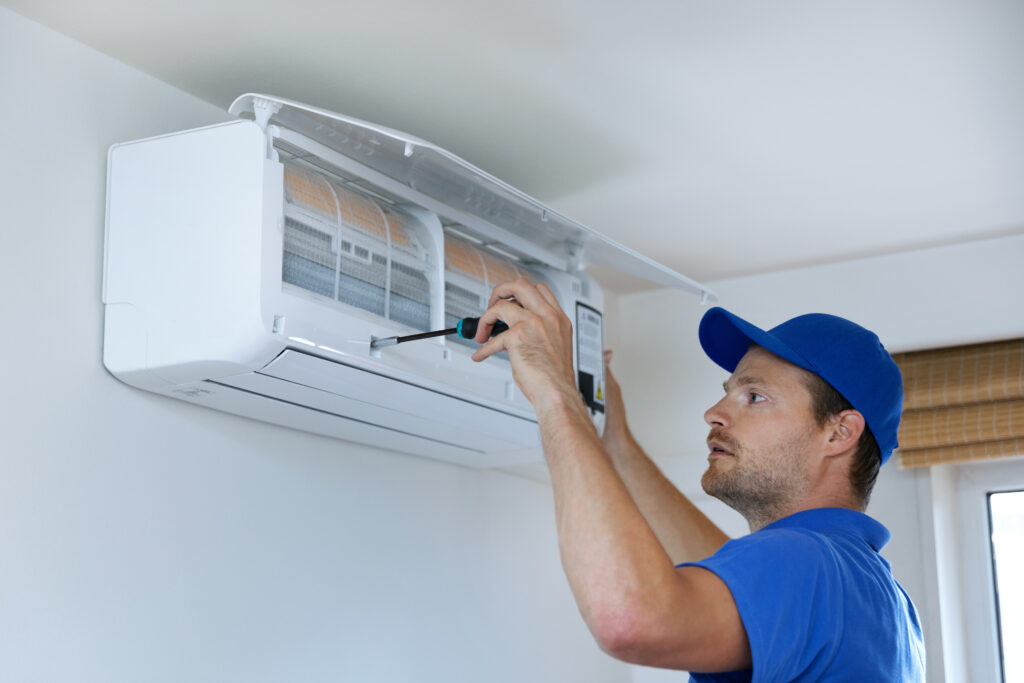
These three systems tend to be the most technically demanding aspects of any garage conversion project. Garages are typically uninsulated or minimally insulated, so walls, ceilings, and floors all need attention before the space is livable. Spray foam insulation is a popular choice for garage conversions because it performs well in the challenging thermal conditions these spaces present. On the HVAC side, you have options ranging from extending the home’s existing ductwork to installing a standalone mini-split system. Mini-splits are increasingly favored for converted garages because they are efficient, require no ductwork, and allow independent temperature control for the unit. Electrical work in a garage conversion almost always requires a panel upgrade or subpanel installation to meet the load demands of a full residential space. All of this work needs to be completed by licensed contractors and inspected before walls are closed.

Plumbing and Kitchen Setup in a Converted Garage
Adding a functional bathroom and kitchen or kitchenette is where garage conversions transition from a simple finish project into a full-scale renovation. If the garage is attached to the home, tying into existing water supply and drain lines is more straightforward, though still requiring a licensed plumber. Detached garages are more complicated since they require running lines underground from the main structure. Homeowners who want to minimize costs sometimes opt for a kitchenette rather than a full kitchen, which reduces the plumbing scope and can also simplify permit requirements in some jurisdictions. However, any rental unit intended to attract serious long-term tenants typically benefits from a complete cooking setup with adequate ventilation and dedicated appliance circuits.
Permits, Zoning, and Legal Requirements
Skipping permits on a garage conversion is one of the most costly mistakes a homeowner can make. Unpermitted work can surface during a home sale inspection, triggering required teardowns or costly retroactive permitting processes. Worse, it may void certain insurance coverages or create liability if a tenant is injured in a space that was never legally approved for occupancy. Before any work begins, contact your local building and planning department to understand what is allowed in your zone, what permits are required, and whether your property meets the minimum lot size or setback requirements for an ADU. Some cities actively streamline the ADU permitting process and even offer pre-approved plans to accelerate approvals. Others have moratoriums or tight restrictions. Knowing before you commit to a contractor saves time, money, and frustration.
Budgeting Realistically for a Garage Conversion
Realistic budgeting is what separates a successful conversion from a stalled or over-leveraged project. The national average cost for a garage-to-apartment conversion ranges from roughly $20,000 to $75,000 or more, depending on the size of the garage, the scope of work, regional labor rates, and finish quality. A basic single-car garage conversion with modest finishes and a simple kitchenette sits at the lower end of that range. A two-car garage transformed into a full one-bedroom apartment with high-end fixtures and all-new systems can approach or exceed the upper end. Always build a contingency buffer of at least fifteen to twenty percent into your project budget to accommodate the surprises that almost always appear once walls come down and existing conditions are exposed.
How a Home Warranty Fits Into Your Garage Conversion Plans
Once your converted garage apartment is up and running, you have introduced a whole new set of systems and appliances that need to function reliably. The HVAC unit, water heater, plumbing connections, electrical systems, and kitchen appliances are all now part of your home’s ecosystem, and all of them are subject to the same wear and breakdown risks that affect any residential system. This is where a home warranty becomes more than just a nice-to-have. trusted home warranty protection for garage conversions and ADU systems means that when your mini-split stops working in July or your water heater fails unexpectedly, you are not staring down a surprise repair bill with no plan in place. Armadillo offers straightforward, homeowner-focused coverage designed around how people actually live. If you have just completed a major home improvement project and want to protect your investment from the inside out, now is the right time to get a home warranty quote tailored to your converted garage apartment and understand exactly what is covered before something goes wrong.

Frequently Asked Questions About Garage Conversion Apartments
These are the questions homeowners ask most often when considering a garage-to-apartment conversion project.
Do I need a permit to convert my garage into an apartment?
Yes, in virtually every jurisdiction a permit is required to convert a garage into a livable apartment. This includes structural, electrical, plumbing, and mechanical permits depending on the scope of work. Operating without permits can result in fines, mandatory removal of unpermitted work, and complications when selling your home.
How much does it cost to convert a garage into an apartment?
Costs typically range from $20,000 to $75,000 or more depending on garage size, project scope, regional labor rates, and finish quality. A simple conversion with basic finishes will cost less, while a fully equipped apartment with high-end systems will reach the higher end of that range.
Can a detached garage be converted into an apartment?
Yes, detached garages can be converted into apartments, but the process is more involved than an attached garage conversion. Running plumbing, electrical service, and potentially HVAC connections from the main house adds cost and complexity. Zoning rules regarding setbacks and lot coverage also apply.
Will converting my garage into an apartment increase my home’s value?
In most markets, yes. Adding a permitted, functional ADU increases your home’s livable square footage and rental income potential, both of which are factored into property valuations. The increase in value often exceeds the cost of conversion, particularly in high-demand housing markets.
What is the best heating and cooling option for a converted garage apartment?
A ductless mini-split system is widely considered the best option for converted garage apartments. It requires no ductwork, operates efficiently, allows independent temperature control, and is relatively straightforward to install in a space that was not originally designed for residential HVAC.
Can I rent out a converted garage apartment legally?
You can rent out a converted garage apartment legally if the conversion was permitted and approved for occupancy as an ADU. Renting out unpermitted space exposes you to significant legal and financial liability. Always confirm with your local planning department that your unit has a certificate of occupancy before accepting tenants.
How long does a garage conversion typically take to complete?
Most garage conversion projects take between three and six months from permit approval to final inspection. Timelines vary based on contractor availability, permitting speed in your area, and the complexity of the systems being installed.
Are garage conversion apartments covered under a home warranty?
Coverage depends on the home warranty provider and the specific plan. Many home warranties cover the systems and appliances within a property, including those in converted spaces, as long as the work was permitted and completed properly. It is important to review your policy and disclose the ADU to your warranty provider.
What zoning restrictions affect garage-to-apartment conversions?
Zoning restrictions vary by municipality and can include minimum lot size requirements, setback rules, maximum unit size limits, owner-occupancy requirements, and parking replacement mandates. Some cities have relaxed ADU regulations in recent years to encourage housing production, while others maintain strict limitations.
Is a kitchenette sufficient for a garage conversion rental unit?
A kitchenette can be sufficient depending on your target tenant and local code requirements. However, a full kitchen with a range, sink, refrigerator, and proper ventilation will attract a broader pool of tenants and may satisfy stricter local definitions of a complete dwelling unit. Check local ADU standards before deciding.