Which Way Should a Ceiling Fan Turn in the Summer?
When warmer months arrive and the air conditioning kicks into high gear, homeowners start looking for every opportunity to keep their homes cooler without cranking up energy costs. Ceiling fans are an often underestimated tool in this seasonal toolbox. However, many people don’t know there’s a right and wrong way for your ceiling fan to spin—depending on the season. And yes, the difference is more than just the direction of airflow; it affects comfort, efficiency, and even your energy bills. So today we’ll explore exactly which direction your ceiling fan should rotate in the summer, why it matters, and how this simple adjustment fits into a smart homeowner strategy.
Understanding How Ceiling Fans Work
At their core, ceiling fans aren’t designed to cool a room—they cool people by creating a wind-chill effect. Essentially, the fan’s motion circulates air in a way that evaporates moisture from your skin, making it feel cooler even though the room’s temperature remains unchanged. This means the strategic use of a ceiling fan can make a high-70s room feel more like the low 70s. The key factor here is the direction in which the blades turn. It controls the direction of airflow, and ultimately, how that wind-chill sensation reaches you. When used in harmony with your air conditioner, fans can lower your energy usage significantly simply by allowing you to adjust the thermostat slightly higher without sacrificing comfort.
The Ideal Direction for Summer
During the summer, your ceiling fan blades should spin counterclockwise. This setting creates a downdraft that sends air downward directly beneath the fan, generating that much-needed breeze. When standing directly under the fan, you should feel airflow pushing downward. If you don’t, your fan may be spinning in the wrong direction. Most modern ceiling fans come with a small switch on the motor housing to reverse the blade direction. When set to counterclockwise at a high speed, the fan makes it feel meaningfully cooler, allowing most homeowners to raise their thermostat by about 4 degrees Fahrenheit without a noticeable change in comfort. This not only boosts personal comfort but also supports energy efficiency.
How to Change Fan Direction Correctly
It takes just a minute to check and switch the fan direction. First, turn off the fan and wait for the blades to come to a full stop. Then, look for the direction switch on the fan’s motor housing—usually a small toggle. Flip it to the opposite setting. Then turn the fan back on, set it to high speed, and stand beneath it. In summer mode, you’ll feel cool air blowing straight down. If your fan has a remote control or smart-home integration, you might be able to toggle direction with the press of a button. This quick seasonal update is one of the most overlooked home preparation tasks, yet one of the most effective for maintaining energy efficiency all summer long.
Why It Matters for Energy Efficiency
Setting your fan direction properly isn’t just about comfort—it’s also closely tied to your home’s overall energy performance. Air conditioning remains one of the largest contributors to electricity consumption during the summer. By correctly orienting your ceiling fans, you reduce the burden on your AC unit, which in turn lowers utility bills. The Department of Energy suggests you can save as much as 30 to 40 percent on cooling costs by combining a ceiling fan with an efficient thermostat setting. That’s a substantial return for such a minor adjustment. Consider it part of a layered approach to smart home cooling: proper insulation, sealed windows, efficient HVAC, and yes—correct fan direction.
Common Mistakes and Misconceptions
Plenty of homeowners either overlook fan direction entirely or assume their fans are always spinning the right way. A common mistake is not adjusting the fan direction after winter, assuming it’s already optimized for summer use. Another trap: relying solely on ceiling fans to cool the home without adjusting the thermostat. Remember, fans cool people—not rooms. Leaving a fan on in an empty room wastes energy and offsets many of the gains you’d otherwise get. It’s also worth noting that blade angles and placement matter; over time, dust buildup or loose bearings can affect balance and airflow efficiency. Regular maintenance ensures your fan operates as intended throughout the summer.
Advantages of Using Ceiling Fans
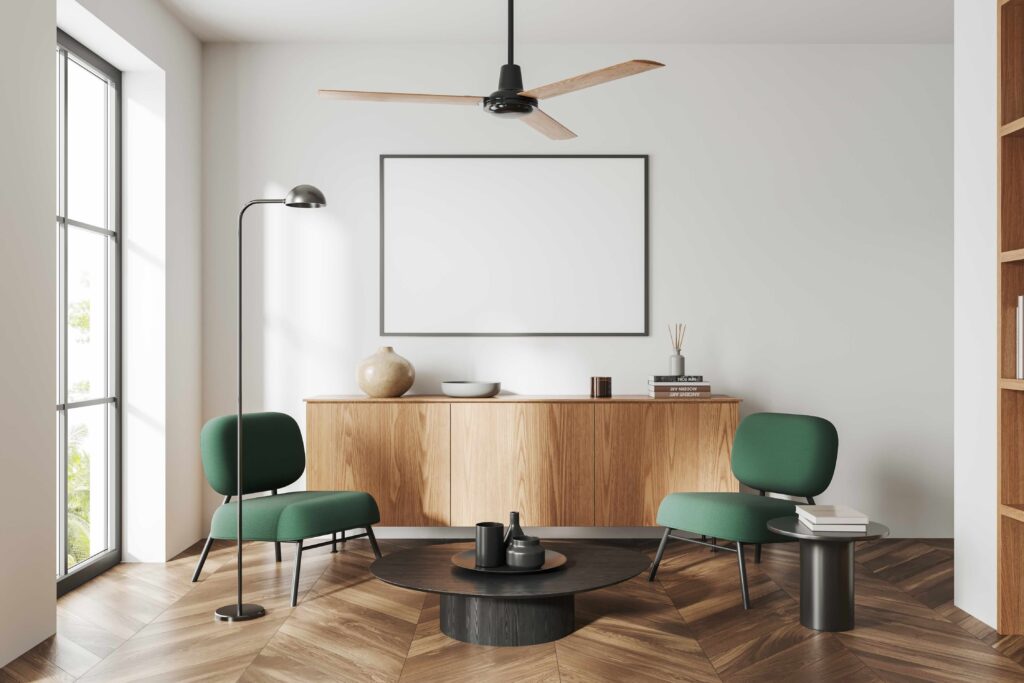
Ceiling fans offer a low-cost, energy-saving solution for keeping living spaces more comfortable during warmer months. When used correctly, they provide immediate airflow and a noticeable cooling sensation. Additionally, ceiling fans are relatively easy to install or upgrade; many models now offer remote control, built-in lighting, and compatibility with smart home systems. The aesthetic advantage of ceiling fans also shouldn’t be overlooked—they can enhance the look of a room while improving functionality. They’re much quieter than portable fans or window units, and once installed, they require minimal ongoing maintenance. From an environmental standpoint, the ability to reduce AC usage contributes to lower carbon emissions, aligning with sustainable home practices.
Drawbacks and Considerations
Of course, ceiling fans have their limitations. As mentioned earlier, they don’t lower room temperature—they make occupants feel cooler. This means they’re most effective when you’re actively using the space. High ceilings or very large rooms may require more than one fan to achieve uniform airflow. In some older homes, installing ceiling fans may require electrical upgrades or structural modifications, particularly if the existing light fixture isn’t rated for the additional weight. Moreover, homeowners in exceptionally humid climates may find that fans alone don’t provide adequate relief, especially without dehumidification. Finally, failure to clean fan blades regularly can result in significant dust accumulation, which not only poses a hygienic concern but also diminishes performance.
Stay Covered with Armadillo
Making smart, seasonal adjustments like setting your ceiling fan direction correctly isn’t just about comfort—it’s part of a broader approach to maintaining your home’s performance year-round. But sometimes, even with the best planning, things break. When ceiling fans stop working or HVAC systems struggle in peak heat, having a solid home warranty makes all the difference. At Armadillo, we provide modern, flexible home warranty plans tailored to your needs. Whether it’s protecting your electrical systems, appliances, or HVAC components, we help you keep cool—literally and figuratively. Explore how our plans can work for your home by visiting our homepage, or get started with a custom quote at our sign-up page. Because staying comfortable should never be a guessing game.