Which Way Should a Ceiling Fan Turn in Summer? A Homeowner’s Guide to Maximizing Comfort
When the warmer months arrive, keeping indoor temperatures comfortable while managing energy bills becomes a balancing act for most homeowners. One simple yet surprisingly overlooked tool in this seasonal strategy is the ceiling fan. More specifically, the direction in which your ceiling fan spins can significantly impact the comfort and efficiency of your home in summer. Understanding how your ceiling fan works, what settings it should be on during different seasons, and how this ties into broader home systems is more than a shortcut to lower bills—it’s a smart step toward a well-managed, protected home.
Understanding How Ceiling Fans Operate
Ceiling fans do not actually cool the air in the room. They circulate the air, creating a wind-chill effect that makes you feel cooler. The perceived drop in temperature can be anywhere between four to eight degrees Fahrenheit, which means you can increase the thermostat setting and still feel comfortable. This can translate into substantial savings on your cooling costs. The blades on most ceiling fans are angled, and the direction in which the blades spin determines whether the fan pushes air downward or pulls it upward. Matching the direction of the blades to the season ensures your ceiling fan is working with your HVAC system—not against it.
What Is the Correct Ceiling Fan Direction for Summer?
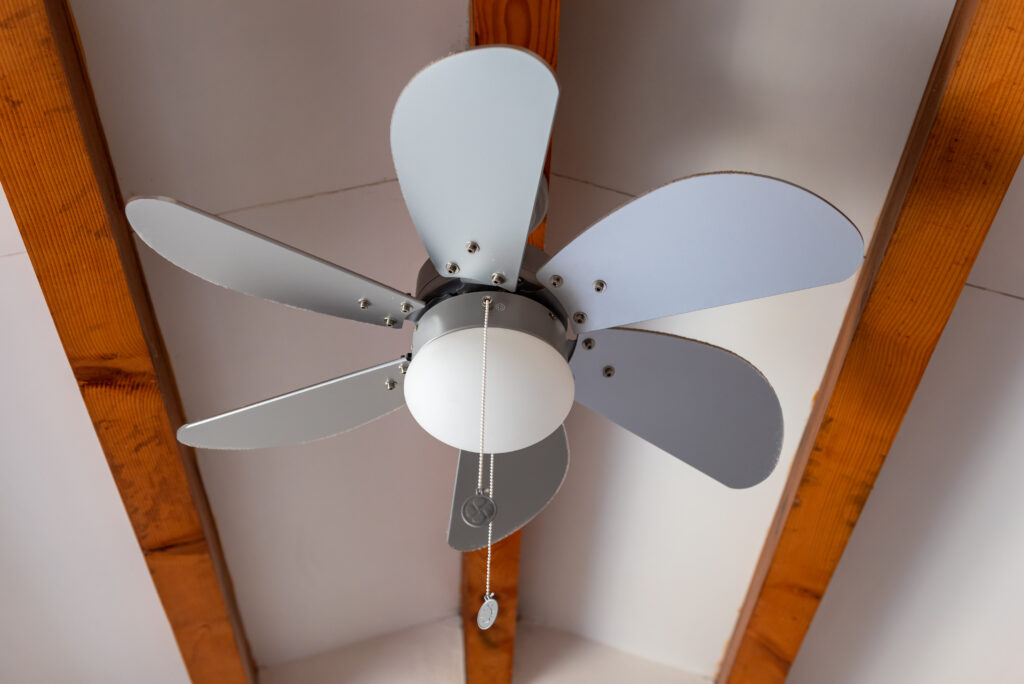
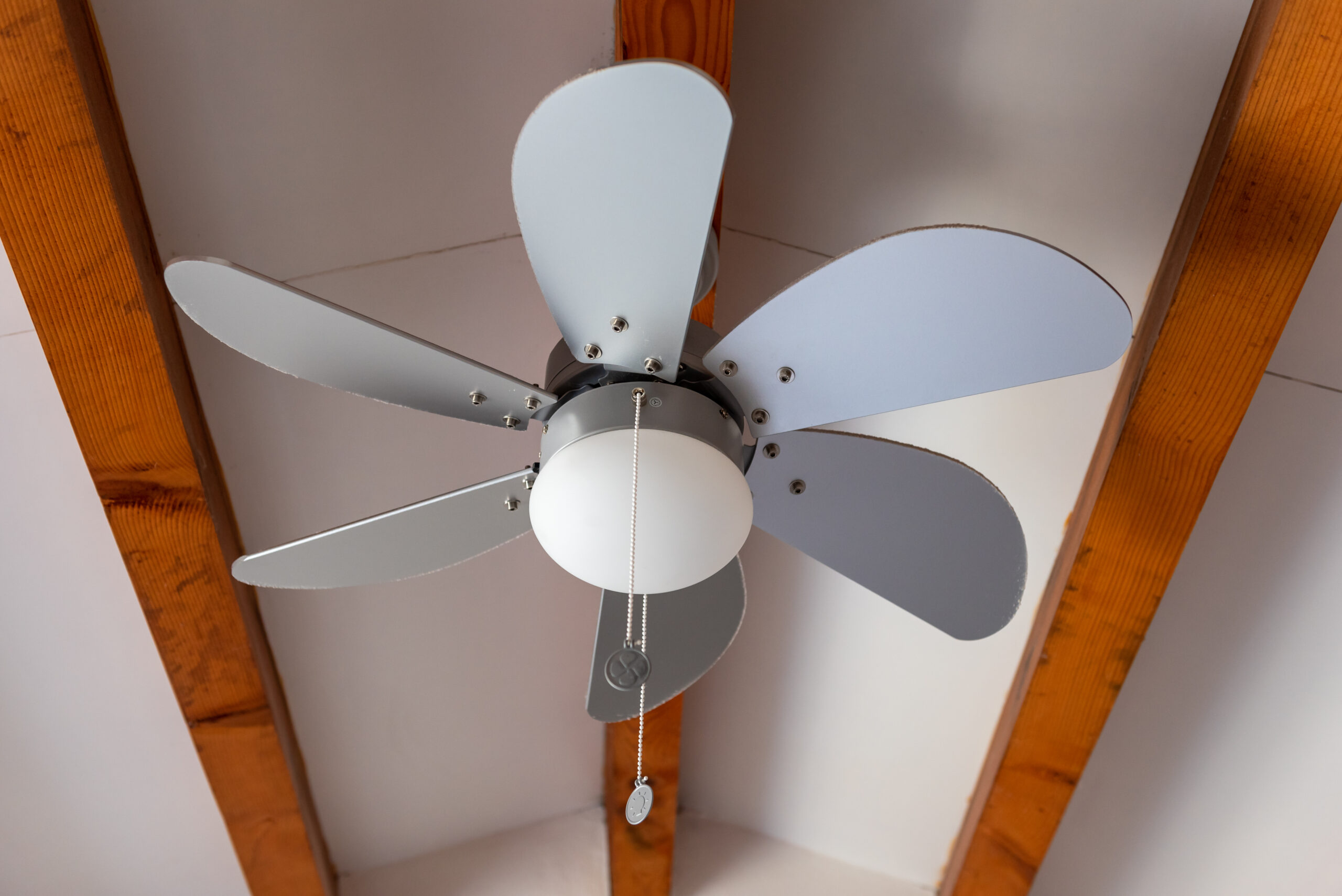
In summer, your ceiling fan should spin counterclockwise. This setting drives air downward, creating a breeze that helps evaporate moisture from your skin and makes the room feel cooler. Most fans have a small switch near the motor housing that allows you to manually reverse the fan’s direction. When standing directly beneath the fan, you should feel a strong breeze and see the blades spin to the left. If your fan is spinning the wrong way, the breeze will be negligible—and your HVAC system could be working harder than necessary to compensate for ineffective air circulation.
How Does Ceiling Fan Direction Affect Home Energy Efficiency?
Correct ceiling fan direction optimizes air movement and reduces reliance on your air conditioning system. In the summer, using your ceiling fan alongside a properly adjusted thermostat can reduce energy consumption by as much as 15 percent. When fans are set to spin counterclockwise and your AC is set at a reasonable temperature, the combined effect achieves comfort with less strain on the system. Less strain means fewer maintenance calls and potentially fewer breakdowns—plus longer HVAC lifespan. This efficiency synergy is small on its own but powerful when compounded across multiple rooms and weeks of summer use.
Common Problems with Misused Ceiling Fans
Using a fan in the wrong direction can inadvertently raise utility costs and reduce in-room comfort. For example, if your fan spins clockwise in summer, it pulls air upward, which can make a room feel stuffy and warm. This forces your air conditioner to work harder, possibly leading to premature wear or system failure. Another common issue is dust accumulation on the blades that redistributes debris throughout the room—especially when blades spin downward. Regular cleaning and a quick seasonal direction check go a long way. An improperly wired or malfunctioning fan switch can also cause the direction controls to fail. Always double-check functionality after seasonal adjustments.
The Role of Fans in a Whole-Home Cooling Strategy
Ceiling fans are often considered secondary to HVAC systems, but when used wisely, they are integral to a more comprehensive cooling strategy. They can complement other systems like smart thermostats and zoned HVAC setups. For two-story homes or open-concept layouts, fans help equalize temperatures between rooms or levels. This minimizes hot or cold pockets and reduces thermostat tinkering. You might even extend the life of your HVAC compressor by relying more on fans for everyday cooling. Over time, this level of home system optimization pays dividends. It also ensures that the broader home systems—protected under a home warranty—are less likely to fail due to overuse or imbalance.
Tips for Ceiling Fan Maintenance and Seasonal Setup
Besides checking blade direction, summer is the perfect time to perform basic fan maintenance. Ensure lights and motor housings are securely fastened, wipe the blades clean, and inspect for wobbling—which may indicate the mounting is loose or blades are imbalanced. If your ceiling fan includes a remote, replace the batteries before heavy seasonal use. And don’t overlook ceiling height. Fans in rooms with high ceilings may require extension rods to ensure optimal air circulation. Your home comfort strategy should involve small, consistent double-checks like these to ensure every system—fan included—performs at peak efficiency through the season.
Why Ceiling Fan Direction Matters to Your Home Warranty Strategy
Every mechanical part of your home is connected in some way, and improper use of one component can create undue stress on another. That includes something as seemingly minor as a fan’s direction. When a ceiling fan spins in the wrong direction in the heat of summer, the resulting temperature imbalance can push your HVAC to work overtime. That stress can lead to system damage if left unchecked, and those repairs can be costly. A good home warranty plan helps mitigate that risk, but consistent maintenance and correct usage maximize its value. Ceiling fans are small but significant players on your home system’s team. Getting them right lets all your major systems breathe easier—and helps you focus funds on what matters most rather than sudden, preventable breakdowns.
Protect Your Home Systems with Armadillo
A properly functioning ceiling fan keeps your home cooler, your air conditioner healthier, and your energy bills lower. But the best way to protect your entire home system—from HVAC to ceiling fans—is to ensure you’re covered. At Armadillo, we make it easy to protect what matters without complicated paperwork or hidden clauses. Our plans are tailored to modern homeowners who want confidence in their home systems, year-round. Visit our homepage to learn more about our smart home warranty coverage, or begin customizing your plan today by starting your sign-up at our plan builder. Make comfort a constant, not a question mark.