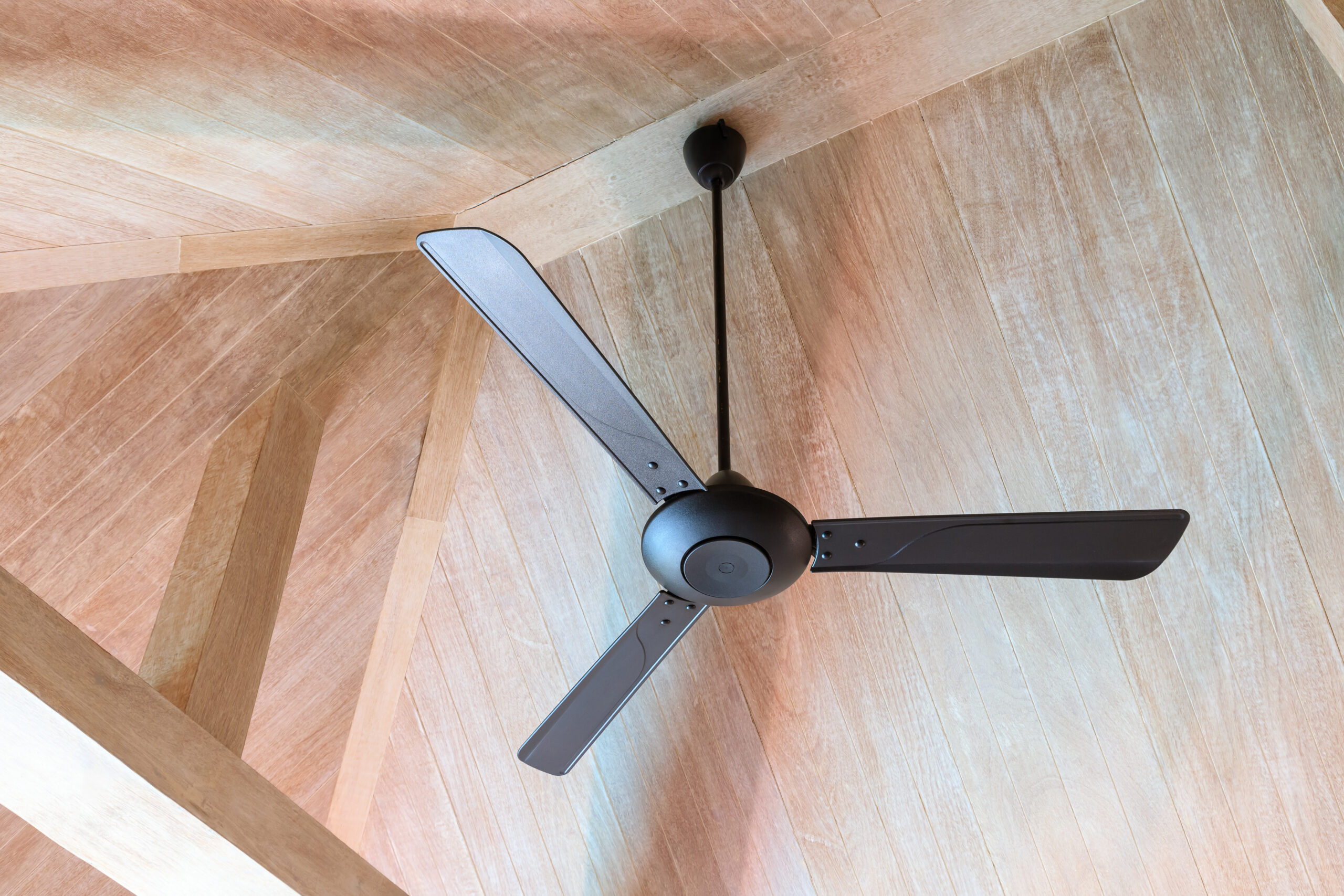
Understanding Which Direction a Fan Should Spin in Winter—and Why It Matters
Every homeowner wants a comfortable, energy-efficient home, especially when temperatures start to dip. While your heating system does the heavy lifting during the coldest months, one often-overlooked ally in winter comfort is your ceiling fan. Yes, that same fan spinning away in the summer can provide big benefits in the winter—if it’s rotating in the right direction. Understanding which direction your fan should spin in winter, why it works, and how it ties into broader home systems can help reduce energy costs, increase comfort, and extend the longevity of your HVAC system. Let’s walk through how it all works, plus key tips on making the most of your ceiling fan year-round.
How a Ceiling Fan Works
A ceiling fan doesn’t actually cool or heat the air. Instead, it moves air to enhance your body’s comfort by affecting air circulation. In the summer, fans create a wind-chill effect—moving air across your skin to help sweat evaporate more quickly, making you feel cooler even if the room’s actual temperature remains unchanged. In the winter, that same principle still applies in a reversed direction, literally. It’s about guiding airflow in a way that complements how warm air naturally behaves.
Here’s the science: warm air is lighter than cool air, which means it rises toward the ceiling. That’s great in theory, except it creates uneven temperatures in the room. Your thermostat might read 68 degrees, but if you’re sitting near the floor and all the heat is trapped above your head, the room doesn’t feel warm. This is where your ceiling fan comes into play.
So, Which Direction Should a Fan Spin in Winter?
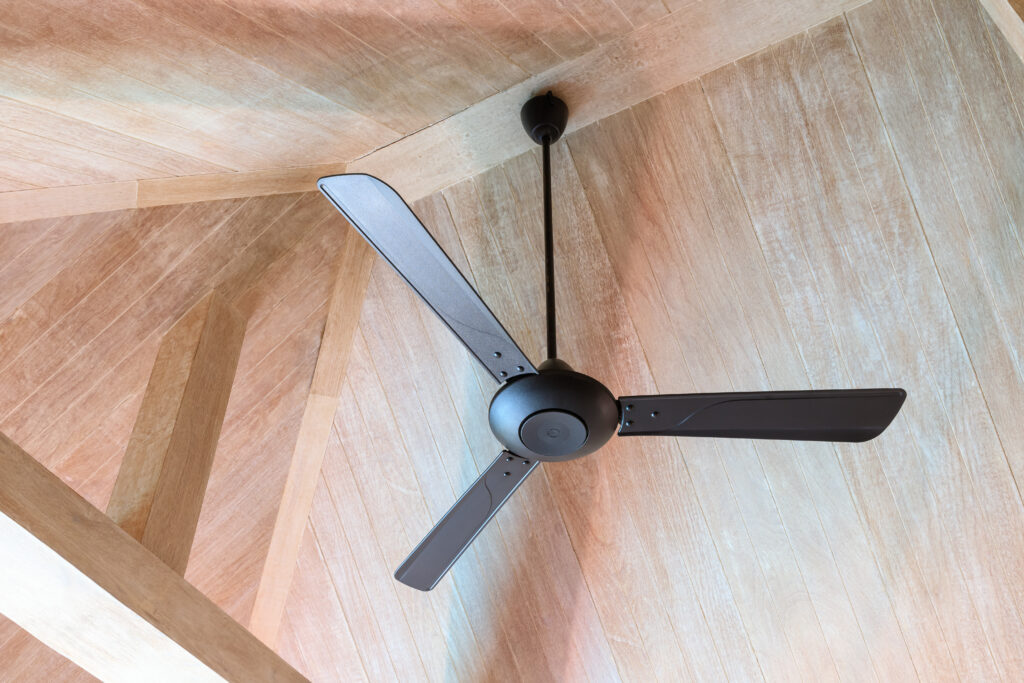
In winter, your ceiling fan blades should rotate clockwise. This setting reverses the typical airflow seen in summer and instead gently draws air upward. As the fan spins in the clockwise direction at a low speed, it pulls cooler air up from the floor and forces the warmer, naturally rising air at the ceiling outward along the walls and back down into the living space. The result is improved heat distribution without a cooling breeze, helping rooms feel cozier without overloading your furnace or heat pump.
It seems minor—but that clockwise spin supports energy savings and extends the efficiency of your home’s heating system. Most ceiling fans have a small toggle switch on the motor casing to reverse the direction. If your fan has a remote, the directional switch may be digital. Either way, checking your fan’s rotation direction at the start of each season is a quick but impactful home maintenance habit.
Why This Matters for Energy Efficiency
Heating your home accounts for a significant portion of your monthly utility bill during winter. When ceiling fans run clockwise, allowing warm air to redistribute more evenly, your heating system doesn’t need to work as hard to maintain a consistent temperature. This not only translates to lower energy bills, but also reduces strain on your HVAC system—an area many homeowners often overlook in winter preparedness.
When your system isn’t cycling on and off as frequently to close gaps in temperature, you generally experience longer intervals between maintenance needs. That has a direct impact on the long-term health of your heating system. It’s a case of small detail, big implications. Ceiling fans simply optimize the environment already created by your HVAC.
Key Benefits of Correct Fan Direction in Winter
The benefits go beyond just temperature comfort. Redistributing warm air also has implications for indoor humidity levels and even air quality. When air circulates properly, it aids in reducing potential cold spots and moisture accumulation. That can be key in older homes or in rooms located above garages or basements where temperature discrepancies are common. Consistent circulation supports a more balanced humidity environment and discourages the conditions that can lead to condensation or mold growth—those silent enemies of indoor air quality.
Another benefit: improved ambiance with minimal resource use. Ceiling fans consume far less energy than heating systems. When used in conjunction with a properly maintained HVAC system, they provide measurable support without significantly adding to energy usage. It’s the sort of system interaction that smart homeowners appreciate—not everything has to work harder. Sometimes, things just need to work smarter.
Are There Any Drawbacks to Using Ceiling Fans in Winter?
Few, but important to consider. First, fan direction only helps if it’s set correctly and used at appropriate speeds. High fan speeds in winter can produce unwanted drafts, defeating the entire point. The setting needs to be slow and gentle. Second, rooms with very high ceilings may not experience the same results due to the longer distance from the fan to the floor. In such cases, professional advice might be warranted on supplemental solutions or fan placement. And finally, homeowners should remain mindful of fan maintenance. Dust collection on blades not only affects performance but can also reduce air quality while spinning.
One last point: misusing your ceiling fan, or forgetting to change its seasonal setting, can counteract the performance of your HVAC system. If you’re feeling fluctuating temperatures or your heating bill spikes suddenly, it’s worth double-checking directional settings along with your thermostat placement and home insulation.
Ceiling Fans and Home Warranty Considerations
While ceiling fans tend to be reliable, they’re still moving mechanical components. Motor issues, faulty wiring, or remote control malfunctions can occur over time, especially in fans installed long ago or used heavily. When combined with systems like your furnace or heat pump, any misalignment in the overall performance chain can lead to more serious problems. For homeowners with a home warranty, ceiling fans are often included alongside lighting fixtures and HVAC systems—ensuring that service costs won’t skyrocket when components fail unexpectedly.
It’s also worth noting that misunderstandings around what causes poor heating performance are common. Sometimes, the fan gets blamed when the real issue lies with ductwork, thermostatic controls, or the HVAC unit itself. A home warranty can provide clarity and coverage in such moments, helping separate small annoyances from major repair work.
Quick Tips for Maximizing Winter Fan Performance
First, verify your fan is rotating clockwise—when looking up at it. Set it to the lowest speed to create subtle upward airflow. Second, only use the fan in occupied rooms. Ceiling fans move air—they don’t change temperature—so leaving them on in empty rooms wastes energy. Third, clean the blades regularly to prevent the circulation of dust throughout your home. Pair all of this with routine HVAC maintenance to ensure your heating system is functioning efficiently and effectively with the fan’s enhanced air movement.
Trust Armadillo to Keep Your Comfort Devices Covered
Ceiling fans might not grab headlines like furnaces or water heaters, but their role in your home’s climate control—especially when used correctly in winter—is both important and impactful. When paired with a reliable HVAC system and maintained properly, they contribute to comfort and cost-savings alike. If you’re trying to manage all the moving parts of homeownership, a home warranty plan with Armadillo provides protection against life’s unexpected breakdowns—whether it’s your heating system, ceiling fan motor, or other covered appliances and systems.
Learn more about our smart, flexible, and fully digital home warranty plans at armadillo.one. Ready to protect your home and everything that keeps it running? Start creating a plan that fits your needs at our plan builder.