What Does It Actually Cost to Install a Gas Line to a Stove?
Installing a gas line to a stove is one of those home projects that sounds straightforward until you start asking around and realize the numbers vary wildly. Costs can range anywhere from $150 for a simple connection to an existing nearby line, all the way up to $1,500 or more when a new line needs to be run from the main supply. The national average tends to sit somewhere between $300 and $700 for a standard residential gas line installation to a kitchen stove. That range depends on a few key variables — how far the gas line needs to travel, the age and condition of your home’s existing gas infrastructure, local labor rates, and whether permits are required in your municipality. Spoiler: permits are almost always required, and they are not optional.
Why Homeowners Are Making the Switch to Gas Cooking
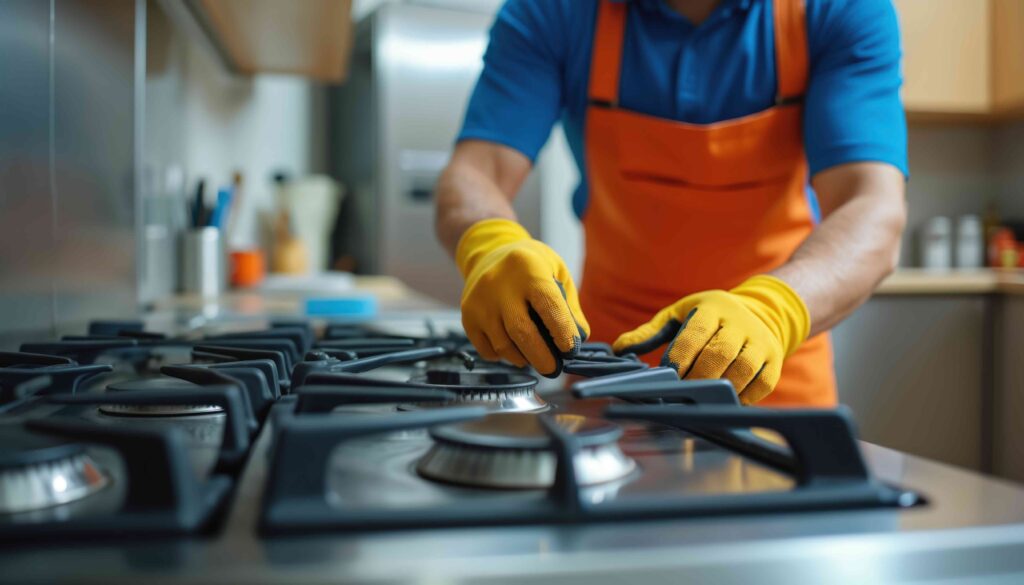
There is a reason professional chefs and serious home cooks tend to gravitate toward gas ranges. Gas burners offer immediate, precise heat control that electric coil or even some induction models struggle to replicate. You see the flame, you adjust the flame, and your pan responds instantly. Beyond the cooking experience, gas tends to be cheaper than electricity in many regions of the country, which means lower monthly utility bills over time. For homeowners doing a kitchen renovation or upgrading an older appliance, adding a gas line to the stove feels like a natural next step. It is an investment in both comfort and functionality — and it does add value to the home for future resale purposes as well.
Breaking Down the Cost Factors
Understanding what drives the cost of a gas line installation helps homeowners budget more accurately and avoid surprises. The following are the primary cost factors a licensed plumber or gas fitter will consider when quoting the job:
- Distance from the main gas supply line to the stove location — longer runs require more materials and labor
- Whether walls, floors, or cabinetry need to be opened to route the new line
- The type and diameter of pipe used, typically black iron, flexible corrugated stainless steel tubing (CSST), or copper
- Local permit fees, which generally range from $50 to $150 depending on jurisdiction
- Inspection requirements, which may add a follow-up visit fee
- Labor rates in your specific market, which vary significantly by region
Some contractors will bundle the permit and inspection costs into a flat project rate. Others will itemize them separately. Always ask upfront so there are no billing surprises at the end of the project.
Who Should Actually Do This Work
This is not a DIY project. Gas line installation requires a licensed plumber, gas fitter, or in some states a licensed HVAC contractor with gas certification. Working with gas lines without proper licensing is not just inadvisable — in most jurisdictions it is illegal. Beyond legality, the risk is real. A poorly installed gas line can lead to leaks, carbon monoxide buildup, or in worst-case scenarios, fire or explosion. The cost of hiring a licensed professional is genuinely worth it here. When you receive quotes, verify that the contractor is licensed for gas work in your state, carries liability insurance, and will pull the required permits for the job.
The Permit Process — What to Expect
Most homeowners do not love the idea of permits. They feel like extra steps and extra costs. But with gas line work, the permit process exists for a good reason. When a permit is pulled, the work is inspected by a local building official who verifies the line was installed correctly, pressure-tested properly, and meets code. That inspection is your protection. It is also important for homeowner’s insurance purposes — if a gas-related incident occurs and unpermitted work is later discovered, your insurer may deny the claim. Plan for the permit as a non-negotiable part of the project budget.

Common Drawbacks and Installation Challenges
Gas line installation is not always a clean, simple job. Older homes present some of the most common complications. If a home was built entirely with electric in mind, there may be no existing gas infrastructure at all, which means running a line from the street — a significantly more involved and expensive project that can exceed $2,000. Tight kitchen layouts, finished walls, and tile floors can also complicate routing and drive up labor costs. Some homes have older galvanized or black iron piping that may need partial replacement before a new branch line can be safely added. These are not dealbreakers, but they are worth discussing with a contractor before committing to a timeline or budget.
Gas Line Safety Features Every Homeowner Should Know
Modern gas line installations include several safety components that protect the home. A gas shutoff valve is typically installed at the connection point behind or beside the stove, allowing the line to be quickly closed if the appliance is moved or serviced. Flexible connectors between the shutoff valve and the stove allow for minor movement without stressing the line. CSST piping, which has become the industry standard in many areas, is flexible enough to withstand seismic activity better than rigid piping. Your contractor should also pressure-test the completed line before the stove is connected — this involves pressurizing the line and checking for any pressure drops that would indicate a leak.
How a Home Warranty Fits Into This Picture
Once that gas line is installed and your stove is connected and humming, a new layer of concern enters the picture — what happens if something goes wrong down the road? The gas line itself, the stove, the connections — these are all components that can develop issues over time. This is where a home warranty becomes a genuinely practical tool rather than just a theoretical comfort. A quality home warranty plan can cover the repair or replacement of major appliances like gas ranges and built-in cooktops, and some plans extend coverage to gas line components that serve covered systems. It is worth reviewing plan details carefully to understand exactly what is and is not covered.
Smart Tips Before You Schedule the Installation
A little preparation goes a long way when planning a gas line installation. Keep these practical tips in mind before you call a contractor:
- Get at least three quotes from licensed gas contractors and compare both price and scope of work
- Confirm your stove model requires a natural gas connection — some are designed for propane, which uses a different pressure regulator
- Check with your local utility company to confirm whether your home already has an active gas meter and service line at the street
- Ask the contractor explicitly whether permit fees and inspection visits are included in the quoted price
- Plan for the kitchen to be temporarily out of service for at least a day, possibly two
Why Armadillo Is Worth Considering After Your Gas Line Is In
Getting a gas line installed is a meaningful home investment, and protecting that investment — along with everything connected to it — is where Armadillo’s home warranty coverage for kitchen appliances and home systems comes in. Armadillo offers transparent, straightforward home warranty plans designed for real homeowners who want coverage that actually makes sense. No confusing fine print, no surprise exclusions buried three pages deep. When your gas stove needs a repair or your appliance system develops a fault that was not caused by neglect or improper installation, Armadillo is built to step in and handle it efficiently. If you recently completed a gas line installation and want to make sure your kitchen setup is covered going forward, take two minutes to get a personalized home warranty quote for your gas appliances and systems and see exactly what your home qualifies for.

Frequently Asked Questions About Gas Line Installation for Stoves
Real questions homeowners ask before, during, and after this type of project — answered clearly and directly.
How much does it cost to install a gas line to a stove?
Most homeowners pay between $300 and $700 for a standard gas line installation to a stove. Costs can be lower if an existing gas line is nearby and easily accessible, or significantly higher if a new line must be run from the main gas meter or street supply.
Do I need a permit to install a gas line for a stove?
Yes. In virtually all jurisdictions, a permit is required for new gas line installation. The permit triggers an official inspection that verifies the work meets local safety codes. Skipping this step can create insurance and resale complications.
Can a homeowner install a gas line themselves?
In most states, no. Gas line installation must be performed by a licensed plumber, gas fitter, or qualified contractor with gas certification. Unpermitted or unlicensed gas work is illegal in most areas and presents serious safety risks.
How long does it take to install a gas line for a stove?
A straightforward installation where an existing gas line is nearby typically takes between two and four hours. More complex jobs involving new line runs or structural access can take a full day or longer.
What type of pipe is used for gas line installation to a stove?
The most common materials are black iron pipe and corrugated stainless steel tubing, known as CSST. CSST is flexible, faster to install, and increasingly preferred for residential applications. Copper is used in some regions but is not permitted everywhere for gas lines.
Will installing a gas line increase my home’s value?
Adding gas service to a kitchen, particularly for a stove, is generally viewed as a desirable feature by buyers. It can contribute positively to resale value, especially in markets where gas cooking is highly preferred.
Does a home warranty cover gas line repairs?
It depends on the plan. Some home warranty plans cover gas lines that serve covered appliances or systems. Reviewing the specific terms of any warranty plan is essential to understand exactly what components are included.
What happens if a gas leak is discovered after installation?
If a gas smell is detected after installation, the stove and gas supply should be shut off immediately and the home ventilated. Contact the gas utility and the installing contractor right away. Do not attempt to locate or repair the leak yourself.
Is natural gas or propane better for a stove connection?
Both work well for cooking. Natural gas is piped directly into the home and is often more cost-effective in areas with utility access. Propane is stored in tanks and is common in rural areas without gas utility infrastructure. The two systems use different pressure regulators and are not interchangeable without conversion.
How do I find a qualified contractor for gas line installation?
Start by asking your local utility company for a list of recommended or approved contractors. You can also check state licensing boards to verify credentials. Always request proof of license and liability insurance before work begins, and get multiple written quotes to compare scope and pricing.