Countertop Materials Explained: What Every Homeowner Should Know Before Choosing
Choosing a countertop sounds straightforward until you are standing in a showroom surrounded by slabs of granite, quartz, butcher block, and concrete, all staring back at you with wildly different price tags and promises. It is one of those decisions that feels small until you realize you will be living with it every single day. Whether you are remodeling a kitchen, updating a bathroom, or simply replacing a worn surface, understanding the basics of countertop materials can save you money, prevent regret, and help you make a smarter long-term investment in your home.
What Exactly Is a Countertop and Why Does the Material Matter
A countertop is a horizontal work surface installed over cabinetry or base structures, typically in kitchens, bathrooms, laundry rooms, and utility spaces. The material it is made from determines far more than just appearance. It affects durability, maintenance requirements, heat and stain resistance, resale value, and yes, how much the whole project costs. The material you choose should match how you actually use the space, not just how you want it to look in photos.
The Most Popular Countertop Materials on the Market
There is no shortage of options when it comes to countertop surfaces, which is part of what makes this decision so overwhelming for homeowners. Here is a breakdown of the most widely used materials and what sets each one apart:
- Granite: A natural stone that is highly durable, heat resistant, and unique in appearance. Prices typically range from $40 to $100 per square foot installed, depending on the slab and region.
- Quartz: An engineered stone made from crushed quartz and resin. It is non-porous, low maintenance, and consistent in pattern. Installed costs generally fall between $50 and $120 per square foot.
- Laminate: One of the most budget-friendly options, ranging from $10 to $40 per square foot installed. It is not as durable as stone but has improved significantly in quality and appearance over the years.
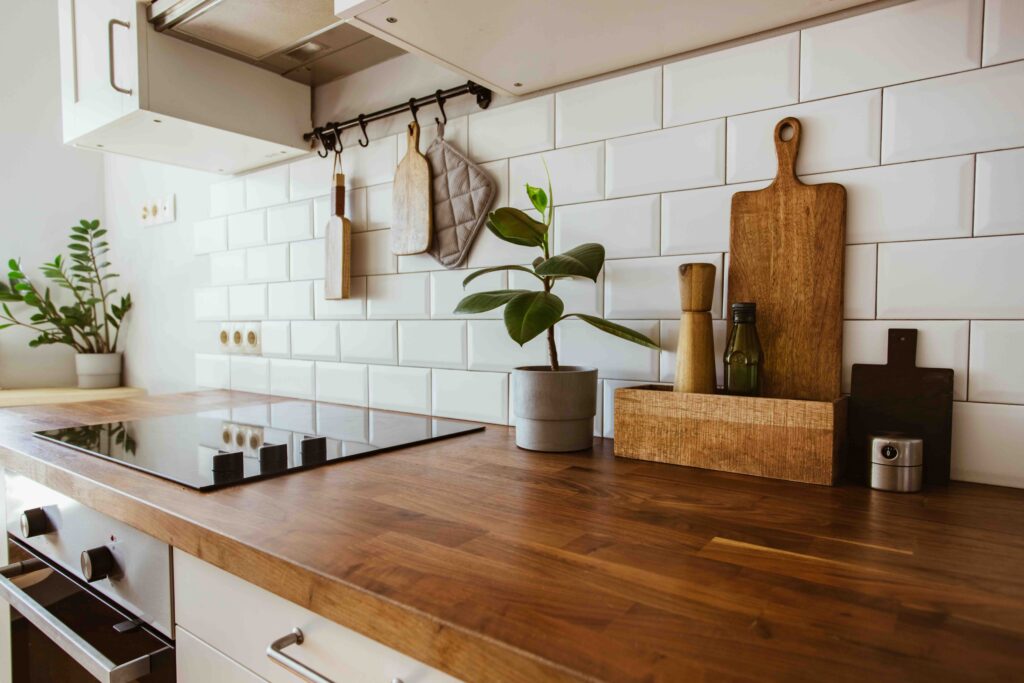
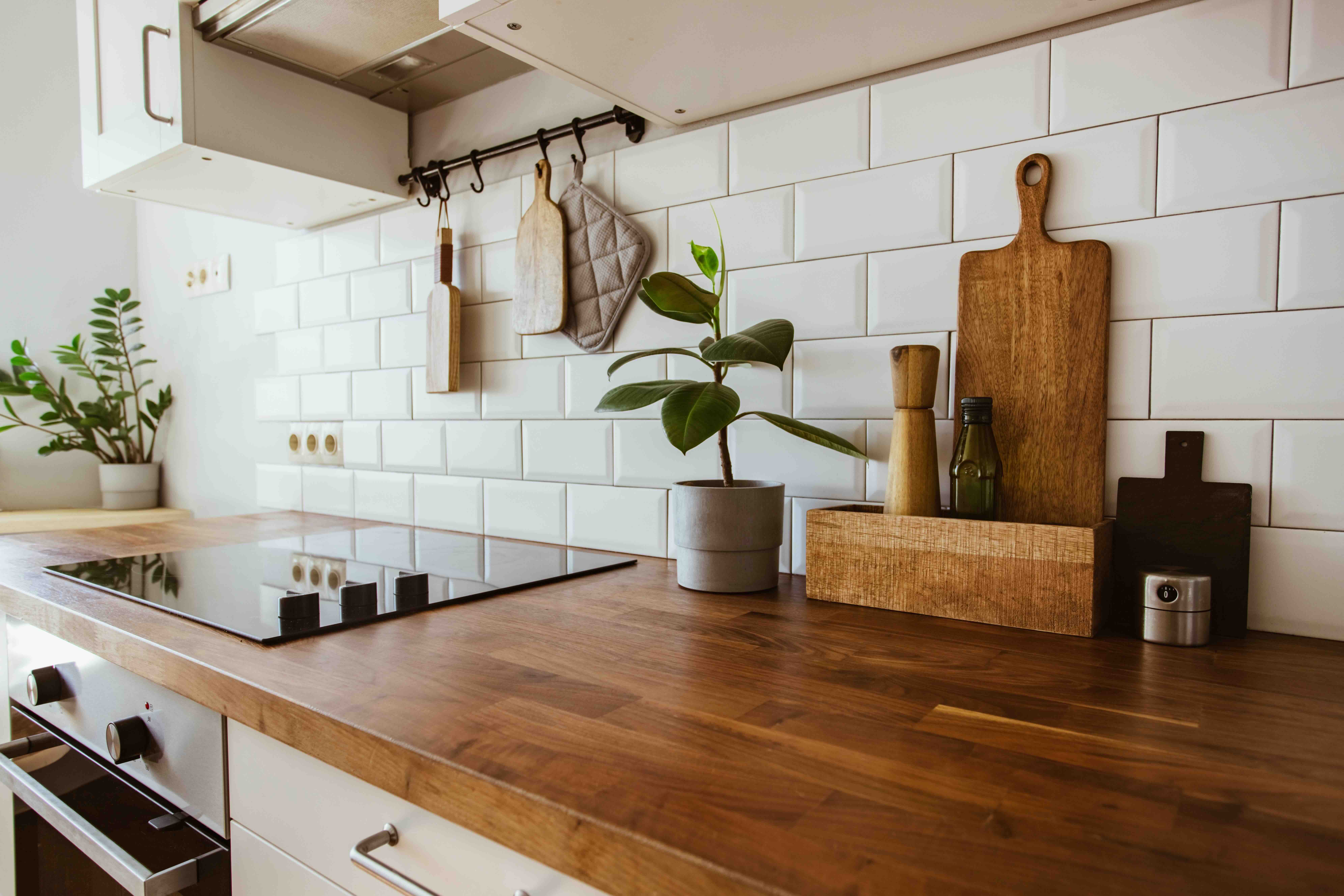
- Butcher Block: Wood-based surfaces that bring warmth and a natural look. They require regular sealing and maintenance but are relatively affordable at $30 to $85 per square foot installed.
- Marble: A luxury natural stone known for its elegant veining. It requires sealing and careful maintenance. Expect to pay $75 to $250 per square foot depending on the grade and source.
- Concrete: A custom option that allows for unique shapes and colors. Pricing is variable but typically runs $75 to $150 per square foot installed due to labor intensity.
- Porcelain Tile: Durable and affordable, tile countertops can cost as little as $20 per square foot, though grout lines require maintenance.
Key Advantages of Investing in Quality Countertop Materials
Quality countertop materials are not just about aesthetics. A well-chosen surface adds real value to your home, both functionally and financially. Natural stones like granite and quartzite are extremely hard and can withstand years of daily use. Quartz requires virtually no sealing and resists bacteria better than porous alternatives, which matters in a kitchen. Durable countertops also hold up well during home appraisals and resale, often recouping a meaningful portion of their installation cost. For homeowners planning to stay long-term, investing in a material that does not need to be replaced every five to ten years is simply the smarter financial play.

Common Drawbacks Homeowners Should Anticipate
Every material comes with trade-offs, and pretending otherwise would be doing you a disservice. Granite needs to be sealed annually or it can absorb liquids and harbor bacteria. Marble scratches and stains relatively easily, which makes it a tough sell for high-traffic kitchens despite its beauty. Quartz, while low maintenance, is not heat resistant in the way granite is and can discolor or warp under hot pots and pans placed directly on the surface. Butcher block needs consistent oiling and is vulnerable to water damage around sinks. Laminate, while affordable, cannot be repaired easily once it chips or peels. Concrete can crack under stress and requires diligent sealing. Knowing these limitations before you commit is what separates a satisfying purchase from a frustrating one.
How Countertop Choices Connect to Long-Term Home Maintenance
Here is something that does not come up often enough in countertop conversations: the material you choose directly affects your ongoing home maintenance costs. Porous materials that need regular sealing are a recurring expense. Surfaces that scratch or chip easily lead to earlier replacements. And if an appliance or plumbing fixture installed near the countertop fails and causes water damage, the countertop material will determine how much of a secondary repair bill you are looking at. A laminate surface exposed to a slow dishwasher leak, for example, can delaminate, swell, and require full replacement in ways that a sealed stone surface simply would not.
Practical Tips for Choosing the Right Countertop for Your Home
Before you commit to any surface, think through how your household actually functions on a daily basis. High-use kitchens with kids, frequent cooking, and heavy foot traffic need something durable and easy to clean. A bathroom vanity used primarily for hand-washing and grooming can afford to be a bit more delicate in material. Budget matters too, and that is not something to feel apologetic about. Laminate has come a long way and can genuinely look impressive when installed well. On the other hand, if you are in a home you plan to sell in a few years, stone or quartz may offer a better return on investment than wood or tile. Get samples. Look at them in your actual lighting. And always factor in the full installed cost, not just the material price, because installation labor can be a significant portion of the total.
What Countertop Installation Actually Involves
Installation is not a casual weekend project for most materials. Stone slabs are extraordinarily heavy and require professional templating, cutting, and sealing. Even quartz, which is engineered, still needs precise measurement and experienced installers to avoid cracking at cutouts for sinks and faucets. Butcher block is among the more DIY-friendly options but still requires careful cutting and finishing. Laminate can be installed by confident DIYers but risks poor seams if not done carefully. Budget for professional installation with any material that involves stone, concrete, or custom fabrication. The difference between a properly installed countertop and a rushed job shows up immediately and only gets worse over time.
How Countertops Interact With Your Home Warranty Coverage
It is worth understanding how countertops fit into the broader picture of home protection. Standard home warranties typically cover built-in systems and appliances, not cosmetic surfaces like countertops. However, what happens around your countertops is very much in scope. Dishwasher leaks, garbage disposal failures, and plumbing issues under the sink can all cause damage to countertop surfaces. If those systems are covered under a home warranty plan, the cost of repairing or replacing the failed system is managed, which indirectly protects the integrity of your countertop investment. Understanding that distinction helps homeowners budget more accurately for both installation and long-term protection.
Why Armadillo Is the Smart Choice for Homeowners Who Just Made a Major Home Investment
When you have just invested in quality countertops, whether that is a beautiful slab of quartzite, a clean engineered quartz surface, or warm butcher block, the last thing you want is a dishwasher leak or plumbing failure undermining everything you just spent. That is where having the right home warranty plan becomes genuinely valuable. Armadillo home warranty coverage for kitchen systems and appliances is built to protect the systems most likely to cause real damage in your home, including the ones that sit directly next to your new countertops. No vague exclusions, no runaround. Just coverage that actually works when something goes wrong. If you are ready to stop crossing your fingers every time the dishwasher runs, take two minutes and get a free home warranty quote for kitchen and appliance protection so you know exactly what it would cost to cover the systems that matter most in your home.

Frequently Asked Questions About Countertop Materials
Answers to the most common questions homeowners have when navigating countertop options, costs, and maintenance decisions.
What is the most durable countertop material for a busy kitchen?
Quartz and granite are consistently the top performers in high-traffic kitchens. Quartz resists staining and requires no sealing, while granite offers superior heat resistance when properly maintained. Both are excellent long-term choices for households with heavy daily use.
How much does countertop installation cost on average?
Installed costs vary widely by material. Laminate runs roughly $10 to $40 per square foot, granite and quartz range from $40 to $120 per square foot, and premium materials like marble or concrete can reach $250 per square foot or more depending on complexity and location.
Does granite need to be sealed and how often?
Yes, granite is a porous natural stone and should be sealed approximately once per year to prevent staining and bacterial absorption. Some higher-density granites may need sealing less frequently, but annual maintenance is the standard recommendation.
Is quartz better than granite for a kitchen countertop?
It depends on your priorities. Quartz is non-porous and requires less maintenance, making it ideal for busy households. Granite offers more natural variation in appearance and better heat resistance. Neither is universally superior; the right choice depends on your specific lifestyle and preferences.
Can countertops be covered by a home warranty?
Countertop surfaces themselves are generally not covered by home warranty plans, as warranties typically protect mechanical systems and appliances rather than cosmetic or structural components. However, systems adjacent to countertops, like dishwashers and plumbing, are commonly covered.
What is the most affordable countertop material that still looks good?
Modern laminate countertops have improved dramatically in both appearance and durability. High-quality laminate can convincingly mimic stone or wood at a fraction of the cost, making it a smart option for budget-conscious homeowners who still want an attractive result.
How long do countertops typically last?
Natural stone countertops like granite and quartzite can last the lifetime of the home when properly maintained. Quartz surfaces typically last 25 years or more. Laminate and butcher block have shorter lifespans, generally 10 to 20 years depending on usage and care.
Does marble make sense for a kitchen countertop?
Marble is a beautiful but high-maintenance material that is vulnerable to etching from acidic substances and staining from common kitchen spills. It is better suited to low-use areas like bathroom vanities or decorative kitchen islands rather than primary cooking surfaces.
What should I ask a countertop installer before hiring them?
Ask about their experience with your specific material, whether they handle templating and fabrication in-house, what the warranty covers on their labor, and how they manage cutouts for sinks and appliances. Reviewing past project photos and verifying licensing and insurance is also strongly recommended.
How do appliance failures affect countertops and what can I do to protect against that?
Appliance failures like dishwasher leaks or garbage disposal issues can cause water damage that warps, stains, or undermines countertop materials, particularly wood and laminate. Maintaining a home warranty plan that covers kitchen appliances reduces the financial exposure from these failures and ensures prompt repairs before damage spreads.