Why Your AC Unit Deserves a Better Home — And Your Yard Deserves Better Aesthetics
There is a moment every homeowner has — standing in the backyard, maybe holding a glass of something cold, and thinking, why does that metal box ruin an otherwise beautiful space? The air conditioner condenser unit is one of those necessary realities of modern home comfort, but nobody said it had to be an eyesore. Hiding or concealing your AC unit is more than a cosmetic decision. It affects airflow, home value, equipment longevity, and yes, your peace of mind when you glance outside. This guide walks through the most practical and creative ways to conceal your outdoor AC unit while keeping it functional, accessible, and covered when things go sideways.
Understanding How Your Outdoor AC Unit Works
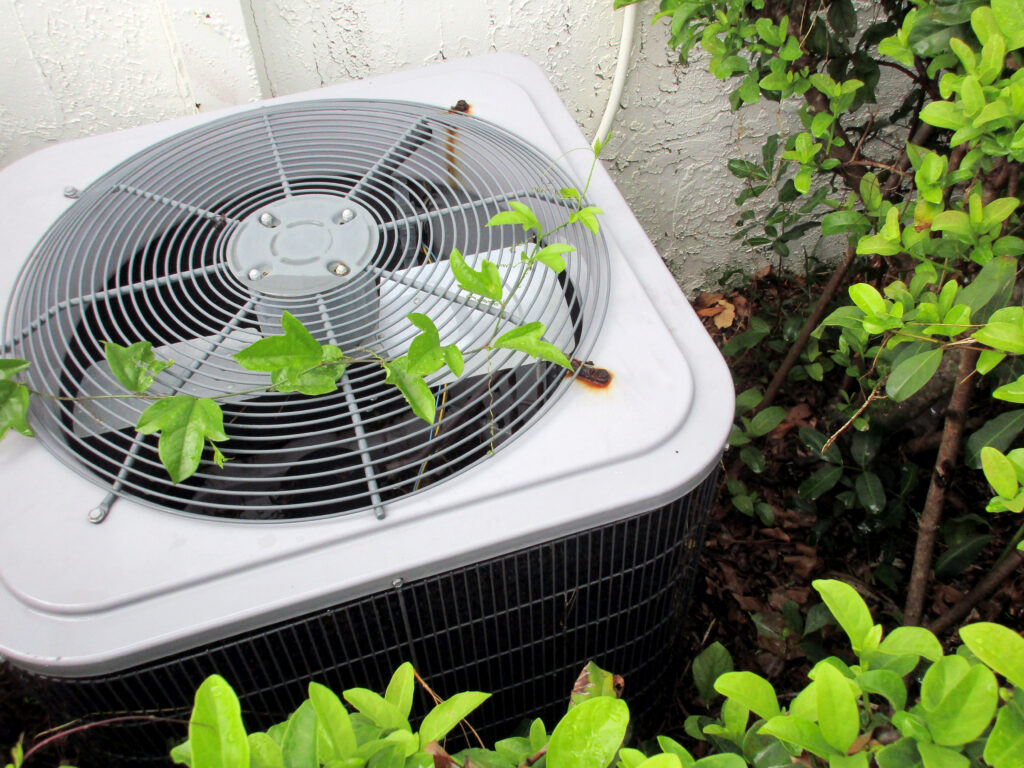
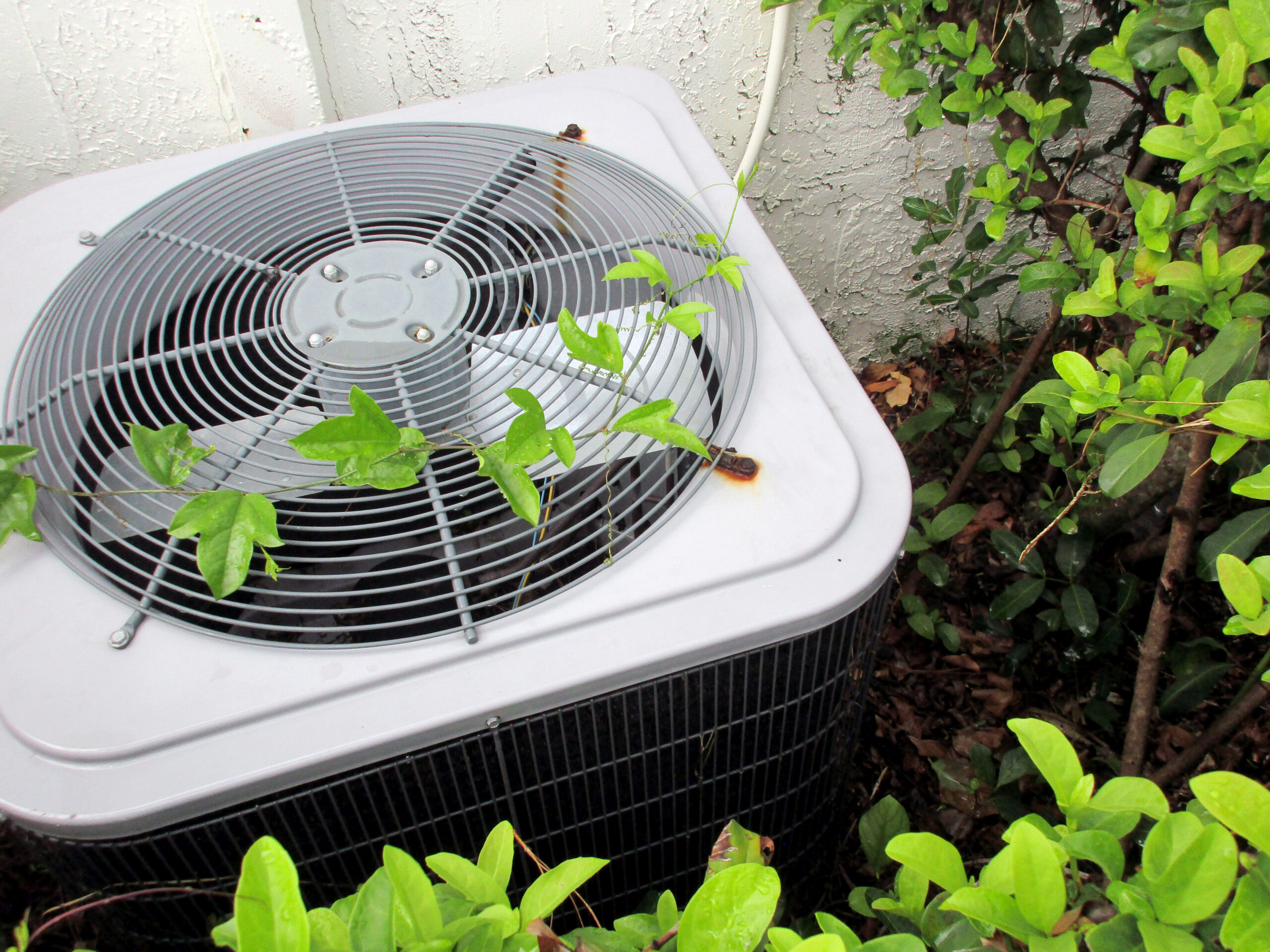
Before you start stacking lattice panels around it, you need to understand what you are working with. The outdoor condenser unit is the hardworking half of your central air conditioning system. It releases heat that has been pulled from inside your home, using a compressor, condenser coil, and fan to push that heat out and cycle cooled refrigerant back indoors. The unit needs airflow — significant airflow — on all sides to do that job efficiently. Blocking it too tightly or covering it in a way that restricts circulation can cause the system to overheat, short-cycle, or fail prematurely. Any concealment solution has to respect that mechanical reality first and aesthetics second.
Creative Ways to Hide Your AC Unit Without Causing Damage
The good news is that there are genuinely elegant solutions available, and most of them are more accessible than homeowners expect. The key is maintaining at least 18 to 24 inches of clearance on all sides of the unit, keeping the top completely unobstructed, and ensuring you can still physically access the unit for maintenance and repairs. With that in mind, here are some of the most popular and effective concealment strategies:
- Lattice screens or trellises with climbing plants like jasmine or clematis create a natural, breathable barrier that blends into landscaping without trapping heat.
- Slatted wood or composite panels built into a simple box frame give a modern, clean look while allowing air to pass through the gaps.
- Strategic shrub placement using fast-growing, heat-tolerant plants creates a living screen — just keep them trimmed back and away from the unit itself.
- Decorative metal screens or powder-coated panels are durable, rust-resistant, and available in a wide range of styles.
- Pergola extensions or garden structures positioned nearby can draw the eye away from the unit without enclosing it entirely.
What to Avoid When Hiding Your AC Condenser Unit
There are some approaches that look appealing in a Pinterest search but create real problems in practice. Solid wood fencing placed too close to the unit is one of the most common mistakes. It looks intentional and tidy from a distance, but it creates a heat trap that forces your system to work harder. Similarly, planting dense hedges within a foot or two of the unit might seem natural, but root systems and leaf debris can interfere with the unit’s components over time. Avoid placing anything directly on top of the unit — no planters, no decorative objects, nothing. The fan exhausts upward, and any obstruction there is a direct efficiency killer. Also, anything that makes access difficult will cost you when a technician needs to get in fast.
The Landscaping Approach — Making It Look Intentional
When done thoughtfully, landscaping can make a condenser unit look like it was always meant to be in its corner of the yard. The idea is to frame the unit with complementary elements so the eye reads the area as a designed space rather than a mechanical afterthought. Low decorative gravel or mulch around the base, paired with a few well-placed ornamental grasses or boulders, can anchor the area visually. Adding a small garden bed in front of the unit with flowers or low shrubs — again, keeping proper clearance — helps it blend into the broader yard design. The goal is not to make the unit disappear entirely but to make it feel like it belongs.

DIY Enclosures Versus Professional Installations
Some homeowners take a weekend project approach and build their own enclosure from cedar slats, composite decking boards, or repurposed fencing materials. That can absolutely work if the design accounts for airflow requirements and includes a hinged or removable panel for access. The risk with DIY enclosures is underestimating how much clearance is actually needed or using materials that degrade quickly in heat and humidity. Professional landscape designers and HVAC contractors sometimes collaborate on enclosure installations that are built to code and designed specifically for the unit’s dimensions. If budget allows, that approach removes a lot of guesswork. Either way, always check with your HVAC technician before finalizing any enclosure design.
How AC Concealment Affects Home Value and Curb Appeal
Real estate agents will tell you that first impressions carry significant weight, and an exposed, rusty condenser unit sitting in full view of the backyard or side yard does not help a listing. A well-concealed AC unit contributes to an overall sense of care and intentionality in a home’s exterior presentation. Buyers notice when a property looks maintained and thought through. Beyond aesthetics, concealment can also extend the life of the unit by protecting it from direct sun exposure — which reduces heat absorption on the unit’s exterior casing — and from debris blown in by wind. That is a functional benefit that supports the case for making the investment.
Maintenance Access Is Non-Negotiable
This point deserves its own section because it comes up again and again in HVAC service calls. A beautiful enclosure that requires 20 minutes to dismantle is not a practical enclosure. HVAC technicians need to open panels, inspect coils, check refrigerant levels, and sometimes replace components. If the enclosure makes that difficult or adds time to the job, it may also add cost. Design for access from the start. Hinged panels, removable slat sections, or open-front designs that position screening on three sides rather than four are smart approaches. Think of it this way: the enclosure should make it easier to love your yard, not harder to maintain your system.
Seasonal Considerations for AC Unit Concealment
In regions with cold winters, some homeowners consider covering their AC unit entirely during the off-season to protect it from snow and ice. This is a topic with some nuance. A breathable, partial cover designed specifically for AC units can help protect the top from debris and ice accumulation without creating a moisture trap that leads to rust or pest nesting. Avoid wrapping the unit in tarps or solid plastic covers — these trap humidity and create the exact conditions that cause internal corrosion and attract rodents looking for a warm shelter. Also, if your region runs heat pumps that use the outdoor unit year-round, do not cover it at all during winter operation. Check your system type before making any seasonal decisions.
How Armadillo Home Warranty Protects the System Behind the Screen
All the thoughtful concealment in the world does not change what happens when your AC system has a mechanical failure. Compressors fail. Capacitors burn out. Refrigerant lines develop leaks. These are expensive repairs that come without warning, and they tend to arrive on the hottest day of the year. That is exactly where a home warranty earns its place in a homeowner’s toolkit. With Armadillo home warranty coverage for central air conditioning systems, you are not left scrambling to find a technician and negotiate a bill that could run into the thousands. Armadillo offers straightforward, honest coverage that includes central AC systems, and the plans are designed to be transparent so homeowners actually understand what they are getting. If you have put real effort and money into making your outdoor space look great, it only makes sense to protect the equipment behind it. Take two minutes to get a personalized home warranty quote for your air conditioning system and home and see what coverage looks like for your specific situation.

Frequently Asked Questions About Hiding and Protecting Your AC Unit
These are the questions homeowners ask most often when exploring ways to conceal their outdoor AC unit while keeping it functional and properly maintained.
How much clearance does an outdoor AC unit need on each side?
Most HVAC manufacturers recommend at least 18 to 24 inches of clear space on all sides of the condenser unit and completely unobstructed clearance above it to allow proper airflow and heat exhaust.
Can I plant shrubs directly next to my AC unit?
You can plant shrubs nearby, but they should be kept at least 2 feet away from the unit at all times. Overgrown shrubs restrict airflow and can introduce debris into the system that damages internal components.
Will hiding my AC unit affect its efficiency?
If the enclosure is designed correctly with adequate ventilation and clearance, it should not negatively impact efficiency. Poorly designed enclosures that restrict airflow can cause the system to overheat and lose efficiency over time.
Is it safe to cover my AC unit in winter?
A breathable, partial cover designed for AC units can protect the top from debris and ice. Never use solid plastic tarps or fully enclosed covers, as they trap moisture and invite pests. Skip the cover entirely if you run a heat pump year-round.
What materials work best for an AC unit enclosure?
Cedar, composite decking boards, powder-coated metal, and PVC lattice are all popular choices because they hold up well in outdoor conditions. The key is choosing materials with gaps or slats that allow air to move freely through the enclosure.
Will a well-concealed AC unit increase my home’s value?
It can contribute positively to curb appeal and overall exterior presentation, which buyers and appraisers do notice. It signals a level of care and design intention that can support a stronger impression during a home sale.
Does a home warranty cover my outdoor AC condenser unit?
Many home warranty plans, including those offered by Armadillo, include central air conditioning systems, which typically covers the condenser unit and its key mechanical components. Always review the specific plan details to confirm what is included.
Can I build my own AC enclosure or do I need a professional?
Homeowners with basic carpentry skills can absolutely build their own enclosure. The critical requirements are proper clearance on all sides, an unobstructed top, and an access panel that makes it easy for technicians to service the unit.
How do I keep debris from getting into my AC unit if I use landscaping to hide it?
Keep surrounding plants trimmed back regularly and clear away fallen leaves, grass clippings, and mulch from around the base of the unit. A periodic rinse with a garden hose helps clear the coil fins of dust and debris buildup.
What happens if my AC unit breaks down during peak summer and I do not have a home warranty?
Without a home warranty, you are responsible for the full cost of diagnosis, parts, and labor — which can range from a few hundred dollars for a capacitor replacement to several thousand for a compressor or full system failure. A home warranty significantly reduces that financial exposure.