How to Illuminate a Room Without a Bulb Socket: Creative Solutions for Homeowners
Lighting is often taken for granted until it becomes a challenge. If you’ve ever faced a room with no overhead fixture or bulb socket, you already know the frustration. Whether you’re dealing with a historic home, an unfinished basement, or a new addition that hasn’t been fully wired, figuring out how to light a room without a bulb socket is a practical issue many homeowners encounter. Thankfully, modern lighting technology offers a range of safe, smart, and stylish alternatives. Understanding these options doesn’t just solve an immediate need—it can also help you enhance comfort, ambiance, and even resale value. Let’s explore how you can effectively light any space without relying on a traditional bulb socket system.
How Traditional Lighting Works—and Why That Matters
To understand your options, it helps to understand what you’re missing when there’s no bulb socket. A traditional ceiling fixture is typically hardwired into your electrical system. That means there’s a circuit connected directly to your breaker panel that completes a loop from a wall switch to the light. The bulb socket, mounted in a fixture, is what holds the bulb and allows electrical current to activate the filament or LED mechanism. If there’s no ceiling box or bulb socket present, then the power source for a fixture doesn’t exist in that room—at least not yet. So any lighting solution must work either independently of hardwiring or adapt to the existing electrical layout creatively and safely.
Plug-in Fixtures: Simplicity Meets Functionality
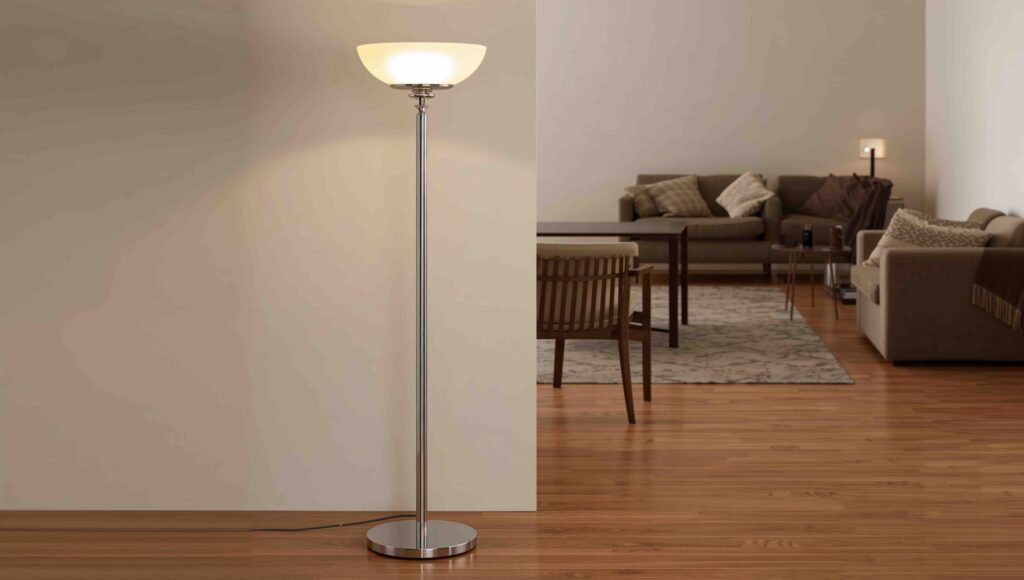
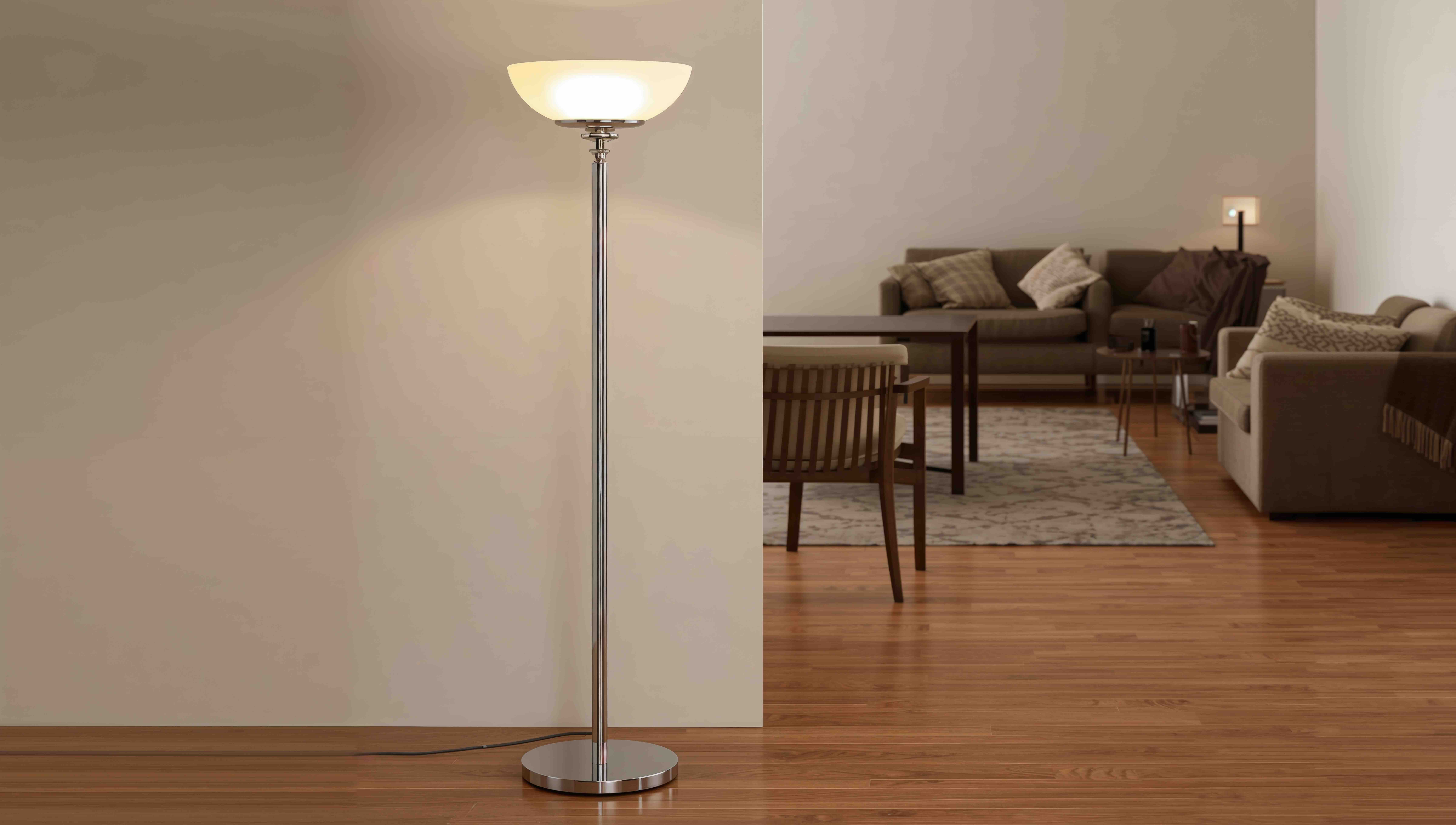
Plug-in light fixtures are one of the most accessible solutions when you’re missing a hardwired socket. These include table lamps, floor lamps, and wall-mounted fixtures that come with a cord and standard plug. All you need is a nearby wall outlet. Many plug-in options are now designed to mimic the look of hardwired sconces or pendant lights, giving you flexibility and style without the electrical installation. For especially dark spaces, adding multiple lights on different levels—such as combining a tall floor lamp with a lower table lamp—can help distribute light more evenly. Look for models with LED bulbs for energy efficiency and longevity. It’s also wise to plug lights into surge protectors or smart outlets to maintain additional safety and control.
Battery-Operated Lighting: When Outlets Aren’t Available
For locations without easy access to outlets—think attics, sheds, closets, or even some bathrooms—battery-operated lighting is exceptionally practical. These lights are often LED-based, drawing minimal power and lasting a long time between charges or battery replacements. Options include puck lights that stick to walls or surfaces, motion-detecting battery sconces, and portable lanterns or desk lamps. Some high-end products now come with magnetic wall plates or adhesive mounts that let you detach and recharge the unit as needed. Battery-operated lights provide flexibility but do require regular maintenance, so keep spare batteries or charging cables on hand. They’re especially helpful in emergencies, making them a smart backup to more permanent solutions.
LED Strip Lighting: Functional and Aesthetic Appeal
LED strip lights have rapidly evolved from a novelty item to a serious lighting solution, especially for rooms without overhead fixtures. These adhesive-backed strips provide strong task or ambient lighting and can be customized in length to suit any space. When placed behind furniture, under cabinets, or along shelving, LED strips offer a sleek and modern look. Many systems include remote controls or smartphone apps, allowing you to adjust color, brightness, or even program schedules. They’re particularly effective for accent lighting or mood lighting and can be powered via standard wall plugs or USB adaptors. However, be mindful of brand quality; cheaper models can have inconsistent brightness or adhesive issues over time.
Smart Lighting Systems: Control Without Constraints
Smart lighting systems open up a whole new world of functionality. Designed to be versatile, wireless, and often voice-activated, these systems eliminate the need for hardwired sockets. Products like wire-free wall sconces or smart table lamps can connect via Wi-Fi or Bluetooth, offering dimmable light, scheduling features, and custom settings. Smart plugs allow you to control any plug-in light with your phone or smart home assistant. Some integrated systems offer kits that include portable lights connected to a central hub. These systems offer convenience and automation but require a stable home network and some initial setup. Always secure your devices with updated firmware to protect privacy and performance.
Solar Lighting and Renewable Options
In situations where running wires or using battery power is impractical—such as guest houses, garages, or outdoor rooms—solar lighting may be a viable option. While typically associated with exterior lighting, recent advancements have made solar-powered lights suitable for interior use when positioned near natural light sources. These usually take the form of light panels or rechargeable stations linked to portable LED lights. They’re environmentally friendly and energy independent, though their reliability depends on daily sunlight exposure. For homeowners committed to sustainability, indoor solar lighting is an investment that aligns energy savings with practical utility.
When to Consider Electrical Upgrades
There are cases where a workaround isn’t enough. If lighting remains inadequate despite multiple plug-in or battery-based solutions—or if you’re redesigning a space—investing in professional electrical upgrades might be necessary. Adding an overhead fixture or dedicated outlet requires working with a licensed electrician, and may involve permits, drywall work, and routing through joists or studs. Still, installing a new socket or fixture can increase property value and simplify lighting control for years to come. This kind of upgrade may also fall within the scope of certain home warranty coverage tiers, particularly those that support major systems. Always check your existing plan or consult a reputable warranty provider to understand what’s included.
Protect Your Investment with Armadillo
Lighting challenges are just one of the many scenarios homeowners face as homes age, evolve, or adapt to new needs. Whether you’ve found creative ways to illuminate your space without traditional sockets or are thinking about upgrading your electrical system, it’s worth making sure your efforts and investments are protected. That’s where a home warranty from Armadillo comes in. With comprehensive coverage for home systems and appliances—including support for electrical components—you get peace of mind that extends far beyond bulbs and wiring. Explore flexible plan options at armadillo.one, or get started building your custom plan by visiting our plan builder page. Because every home deserves to shine—no socket required.