What Is a Dimmer Switch and Why Should Homeowners Care?
A dimmer switch is exactly what it sounds like — a wall switch that does more than just flip your lights on or off. It lets you control the intensity of the light in a room, sliding from a soft, low glow all the way up to full brightness. It sounds simple, and honestly, it is. But the impact on how your home feels, functions, and even runs on an energy budget is surprisingly significant. If you have never thought much about your light switches, this might be the moment that changes that.
How Dimmer Switches Actually Work
Here is where things get a little technical, but stay with it because it is actually straightforward once you see the picture. Traditional dimmer switches work by reducing the amount of electrical current that reaches your light fixture. Older models did this using a resistor, which basically bled off excess energy as heat. Modern dimmers use a more efficient method called TRIAC switching, which rapidly cuts the power on and off many times per second — so fast that your eye perceives it as a dimmer light rather than a flickering one. Newer smart dimmers may use phase-cut technology or digital pulse-width modulation. The type of dimmer you need depends significantly on the type of bulbs you are using, which is something worth paying attention to before you buy anything.
Types of Dimmer Switches Available Today
Not all dimmers are created equal, and walking into a hardware store without a little background knowledge can get confusing fast. There are a few main categories worth knowing about before making a decision.
- Single-pole dimmers: These control a light from one location and are the most common type found in homes.
- Three-way dimmers: These work with lights that can be controlled from two different switches, such as a staircase or hallway.
- Smart dimmers: These connect to your home’s Wi-Fi and can be controlled via an app, voice assistant, or automation schedule.
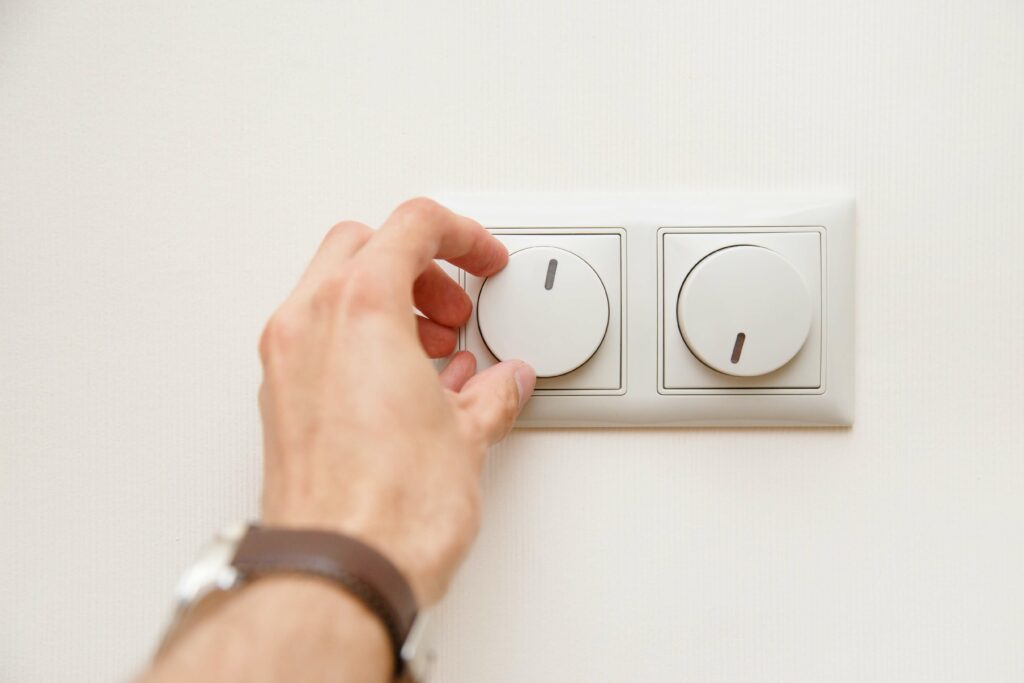
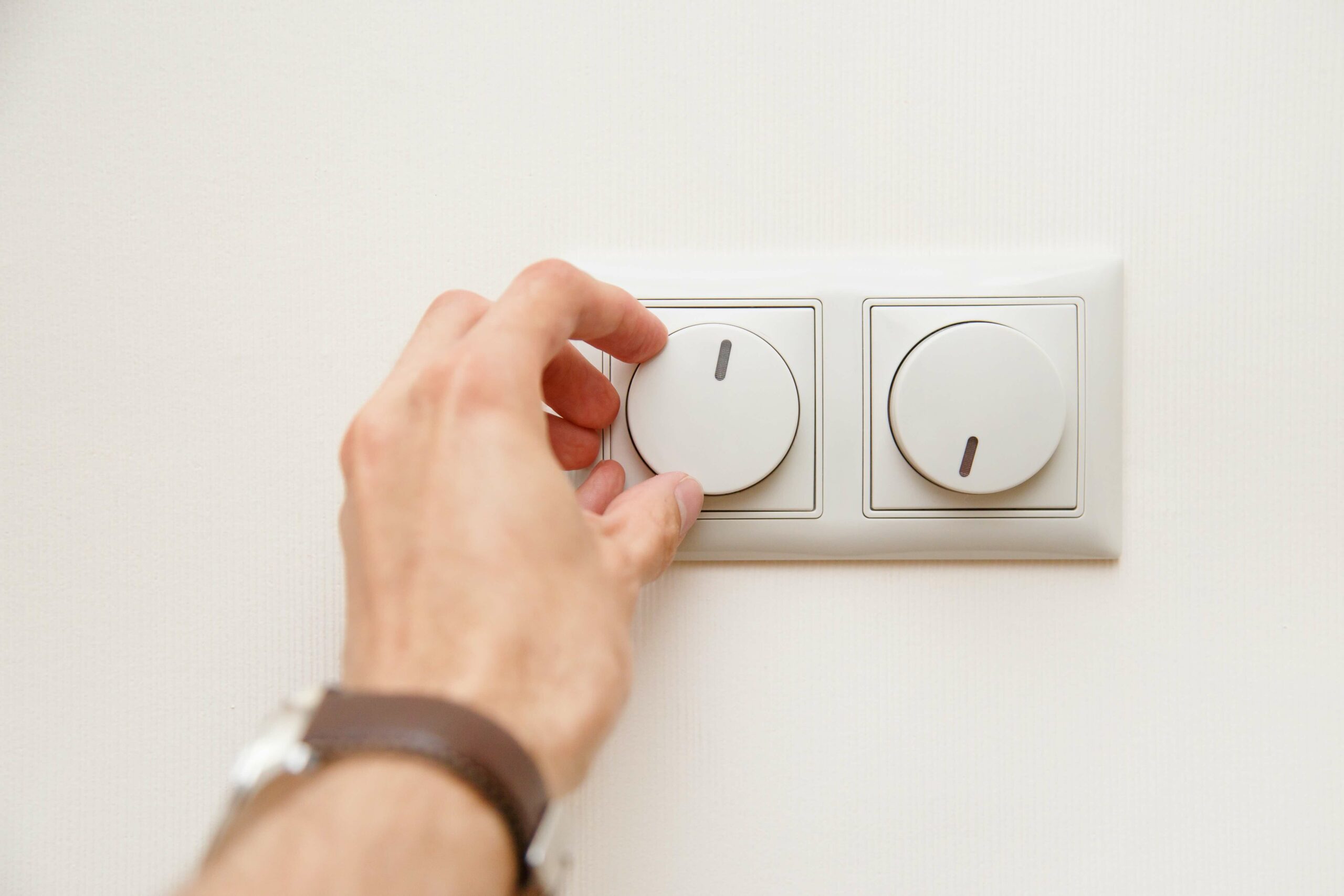
- Rotary dimmers: These use a knob-style control and tend to be found in older installations or design-forward spaces.
- Slide dimmers: These use a sliding lever and are among the most common modern styles.
The Real Advantages of Installing Dimmer Switches
The benefits go beyond just setting a mood for a dinner party, though that is certainly a nice perk. Dimmer switches can meaningfully reduce energy consumption when lights are run at lower intensity, which adds up over time on your electricity bill. They also extend the lifespan of your light bulbs, since bulbs that are not always running at full power tend to last longer. From a comfort standpoint, being able to adjust lighting throughout the day — bright and functional in the morning, softer and relaxed in the evening — makes a real difference in how livable a space feels. There is also a strong case for eye comfort; harsh, static lighting can cause fatigue, especially in rooms where you spend extended time.
Common Drawbacks and Things to Watch For
It would not be a fair picture without talking about the downsides. First, compatibility is a genuine issue. Not all dimmer switches work with all bulbs. LED and CFL bulbs in particular require dimmers that are specifically rated for them, and using the wrong combination can cause buzzing, flickering, or even early bulb failure. Second, installation requires some comfort with basic electrical work. While many homeowners handle it themselves, it does involve working with wiring — and if the home has older wiring or aluminum wiring, that changes things considerably. Finally, smart dimmers, while convenient, add cost and can introduce connectivity issues that require troubleshooting. None of these are dealbreakers, but they are real considerations worth building into your planning.
Dimmer Switches and Bulb Compatibility Explained
This topic comes up constantly, and for good reason — it is easy to get wrong. Incandescent and halogen bulbs are the most universally compatible with dimmer switches and have been for decades. LED bulbs, which most homeowners are now using, require dimmers labeled as LED-compatible. Even then, not every LED bulb dims smoothly with every LED dimmer. The best approach is to check the dimmer manufacturer’s list of compatible bulbs, which is often available on their website. Buying a few test bulbs before committing to a full room installation is a smart way to avoid frustration. CFL bulbs are largely not recommended for dimmer use; they tend to perform poorly and some are not rated for it at all.
What Installation Looks Like for a Homeowner
Installing a dimmer switch is a relatively accessible project for someone comfortable with basic home electrical tasks. The process generally involves turning off the breaker, removing the existing switch, noting how the wires are connected, and wiring the new dimmer according to the included instructions. Most dimmers come with clear diagrams. That said, grounding is an important factor — most modern dimmers require a ground wire, and some older homes may not have one at the switch location. If you encounter aluminum wiring, unusual configurations, or are simply not comfortable working with electrical components, calling a licensed electrician is the right call. It is not worth a shortcut when electricity is involved.
Dimmer Switches in the Context of Smart Home Integration
Smart dimmers have become a meaningful part of how homeowners approach home automation. Brands like Lutron, Leviton, and others offer dimmers that integrate with platforms like Amazon Alexa, Google Home, and Apple HomeKit. This means you can schedule lighting changes, control them remotely, and even tie them into broader home routines. The practical value here is real — imagine lights gradually brightening in the morning or automatically dimming when a movie starts. For homeowners investing in a connected home ecosystem, smart dimmers are a logical and relatively affordable entry point. Just account for setup time and occasional firmware updates as part of owning them.
Maintenance, Lifespan, and When to Replace a Dimmer Switch
Dimmer switches are low-maintenance by nature, but they are not immortal. A well-installed dimmer in a standard residential setting can last ten to fifteen years or more. Signs that a dimmer may need replacement include persistent flickering even after bulb adjustments, a switch that feels warm or hot to the touch, buzzing sounds that cannot be resolved through settings, or unresponsive controls. Occasionally, dimmers can fail due to electrical surges or general wear. Since they are relatively inexpensive components, replacing an aging dimmer proactively is worth considering — especially if it is connected to fixtures in high-use areas of the home. Staying on top of small electrical components is one of those maintenance habits that tends to prevent larger headaches down the road.
How Armadillo Helps Protect the Electrical Systems That Power Your Home
Dimmer switches are one small piece of a much larger electrical puzzle in your home. Wiring, panels, outlets, and connected fixtures all work together — and when something breaks down unexpectedly, the cost can catch homeowners off guard. That is where a home warranty makes a genuine difference. Armadillo home warranty coverage for electrical systems and built-in components is designed to give homeowners real financial protection without the fine-print frustration that comes with some providers. When your home’s electrical system needs attention — whether it is a failed component or something more involved — having coverage already in place means you are not scrambling for a solution. If you are investing in upgrades like smart dimmers or improved lighting systems, it makes sense to protect the broader infrastructure supporting them. Take a few minutes to get a personalized home warranty quote that covers your home’s electrical and systems needs and see what a plan built around your actual home looks like.

Frequently Asked Questions About Dimmer Switches
Here are answers to the questions homeowners ask most often about dimmer switches, how they work, and what to expect when installing or upgrading them.
Can I use any light bulb with a dimmer switch?
No. Bulb compatibility matters significantly. Incandescent and halogen bulbs are broadly compatible, but LED bulbs require a dimmer specifically rated for LED use. Always check the compatibility list provided by the dimmer manufacturer before purchasing.
Is it safe to install a dimmer switch myself?
For homeowners comfortable with basic electrical tasks and who have a properly grounded switch box, DIY installation is manageable. However, if your home has older wiring, aluminum wiring, or you are uncertain about what you are working with, hiring a licensed electrician is the safer choice.
Why is my LED light buzzing or flickering on a dimmer?
This usually indicates a compatibility issue between the bulb and the dimmer switch. Even LED-compatible dimmers may not work perfectly with every LED bulb brand. Try a different LED bulb or consult the dimmer’s approved bulb list to find a confirmed match.
Do dimmer switches actually save energy?
Yes, when lights are run at reduced intensity, they consume less electricity. The savings depend on how often and how low you dim, but consistent use at reduced levels can produce a noticeable reduction in lighting-related energy costs over time.
How do I know if my home has a grounded switch box?
A grounded box will have a bare copper or green wire in addition to the black and white wires. If you only see two wires, your box may be ungrounded. Most modern dimmers require a ground connection, so this is worth verifying before purchasing a replacement.
What is the difference between a single-pole and three-way dimmer switch?
A single-pole dimmer controls a light from one location. A three-way dimmer is used when a light fixture is controlled from two separate switch locations, such as at both ends of a hallway. Using the wrong type will result in the switch not functioning correctly.
Can dimmer switches extend the life of my light bulbs?
Yes. Running bulbs at lower wattage levels reduces thermal stress and wear on the components inside the bulb, which generally results in a longer operational lifespan compared to running at full brightness consistently.
Are smart dimmer switches worth the extra cost?
For homeowners who value automation, remote control, and integration with voice assistants or smart home platforms, smart dimmers offer real utility. For those who simply want manual light control, a standard LED-compatible dimmer performs well at a lower cost.
Why does my dimmer switch feel warm?
Some warmth is normal during operation, as dimmers manage electrical load. However, if the switch feels hot to the touch or noticeably warmer than usual, this may indicate it is overloaded, failing, or incompatible with the connected load. In that case, it should be inspected or replaced.
Do dimmer switches work with ceiling fans?
Standard dimmer switches should not be used to control ceiling fan speed — this can damage the fan motor. Ceiling fans require a dedicated fan speed controller. Some combination units exist that manage both the fan and a light kit separately, but they must be designed specifically for that purpose.