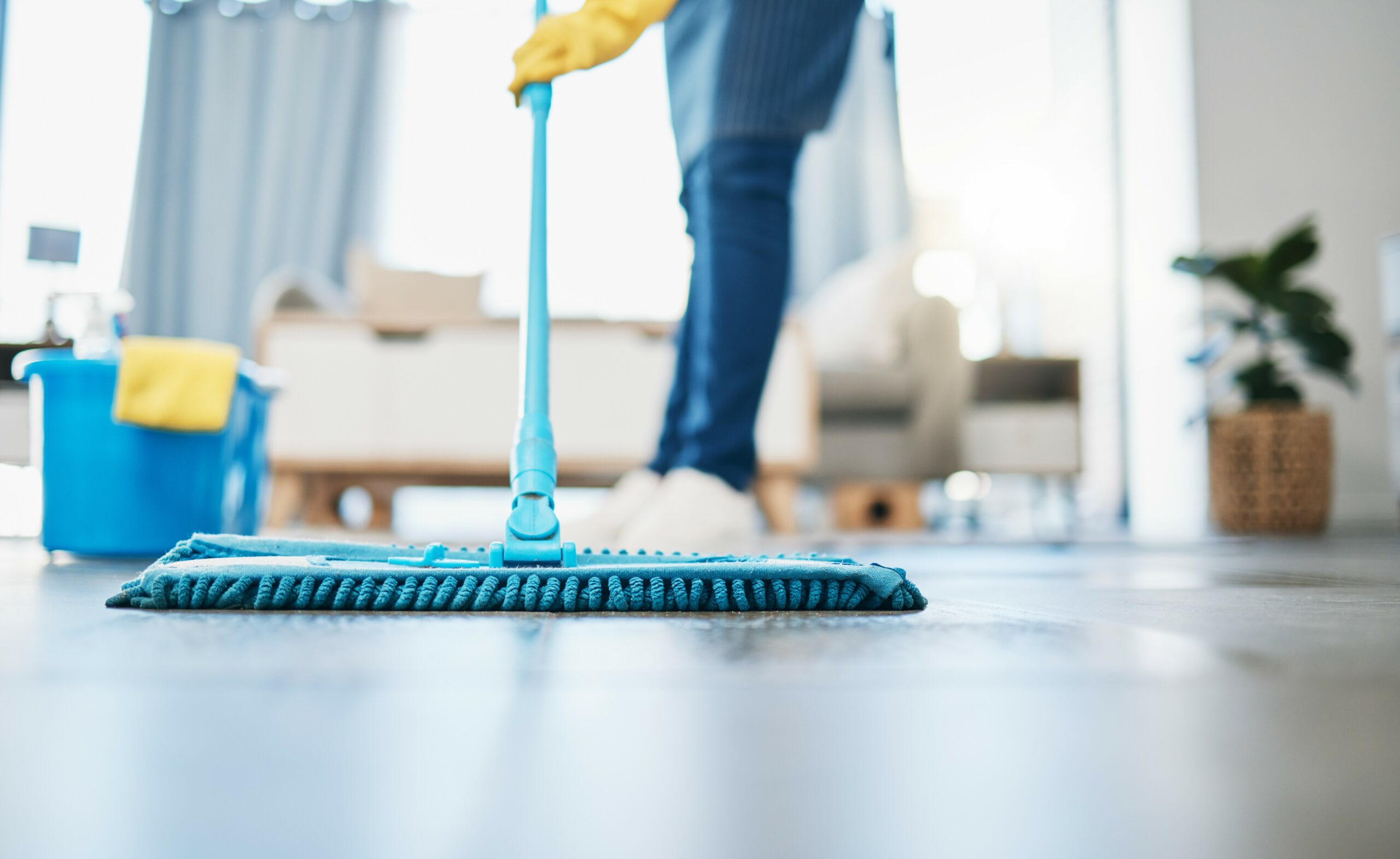
The Ultimate Guide to DIY Floor Cleaner and How It Impacts Your Home Warranty
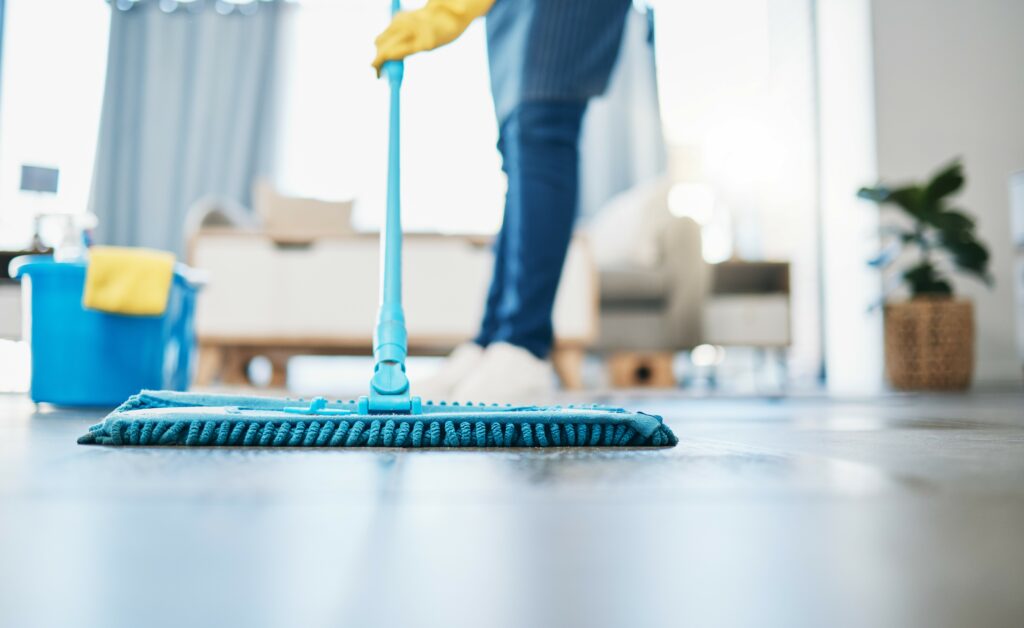
Homeowners are increasingly prioritizing natural, cost-effective solutions for everyday maintenance tasks—and floor cleaning is no exception. Many are now turning to homemade floor cleaners to reduce exposure to harsh chemicals, keep home surfaces safe for pets and kids, and save on recurring costs. But while mixing vinegar and water in a spray bottle may seem simple, it’s important to understand how these cleaning methods intersect with your home systems and warranties. This guide breaks down what homemade floor cleaner is, how it works, the benefits, potential risks, and what you need to keep in mind when trying it in a home covered under a warranty plan.
What Is a Homemade Floor Cleaner?
A homemade floor cleaner is exactly that: a cleaning solution you prepare using common household ingredients. These often include white vinegar, baking soda, essential oils, castile soap, and water. The goal is to substitute commercial chemical cleaners with safer, wallet-friendly options that still get the job done. Vinegar is one of the most popular active components due to its natural acidity, which effectively lifts dirt and dissolves residues. When coupled with mild soaps or oils, it creates a comprehensive, multi-surface cleaning agent. The real advantage here lies in control—you decide what goes on your floors, which is reassuring when you live with toddlers, pets, or anyone with sensitivities.
How Does DIY Floor Cleaner Work?
Unlike commercial cleaners that rely on synthetic surfactants and ammonia-based compounds, DIY floor cleaners work through the interplay of naturally occurring properties in the ingredients. Vinegar’s acetic acid cuts through grime and acts as a disinfectant to a certain degree. Baking soda serves as an abrasive and neutralizes odors. Essential oils like tea tree or lemon can add antimicrobial effects while leaving behind a subtle, pleasant scent. The solution breaks down dirt and surface buildup while offering the flexibility for use on tile, laminate, vinyl, and even sealed wooden floorboards—provided you tailor the recipe correctly. Homes with radiant floor systems or steam functionalities, however, should proceed with caution, as improper use could trigger warranty complications.
Why Homeowners Choose to Make Their Own Floor Cleaner
The appeal of DIY floor cleaner runs deeper than avoiding toxins. It taps into a broader self-reliance that many modern homeowners embrace. Crafting your own mixture means fewer single-use plastic bottles under the sink. It’s significantly more affordable per ounce when compared to branded alternatives. More importantly, you know exactly what’s inside. For homeowners managing allergies or respiratory issues, or those wanting only plant-based solutions, homemade floor cleaner offers a compelling solution. There’s also convenience: no last-minute store trips required. A quick scan of your kitchen often provides the essentials needed to mix up a fresh batch in minutes. This cleaner aligns with the demands of eco-conscious consumers who also value performance and practicality.
Common Ingredients and Surfaces Compatible with Homemade Cleaners
Understanding how your floor reacts to certain substances is essential. Vinegar should not be used on unsealed hardwood, natural stone (like marble or granite), or waxed surfaces, as the acid can break down finishes and cause etching. On tile, laminate, or vinyl, however, it works remarkably well. A typical recipe might involve mixing a half-cup of white vinegar with a gallon of warm water, adding a few drops of dish soap or essential oils for fragrance and enhanced cleaning power. For tougher stains or buildup, baking soda can be sprinkled on surfaces first before applying the liquid solution. Every floor type demands its own variant, and using the wrong formulation—even one that’s homemade—can lead to structural issues that void your home warranty coverage.
Risks and Mistakes to Avoid with DIY Floor Cleaners
Making your own cleaner requires more than enthusiasm. Mistakes such as overusing acidic ingredients, not testing a new mixture on a small patch first, or using abrasive substances on easily scratched surfaces can lead to unintended damage. Residue buildup from incorrect ratios may dull your floor’s appearance over time. Some essential oils can react with plastic bottles or leave stains if not properly diluted. Most importantly, using non-recommended cleaning methods on floors installed under specific manufacturer terms can nullify your product or system warranties. Home warranty plans generally do not cover damage due to misuse or neglect, and unfortunately, well-intentioned cleaning methods fall into that category if the damage results from improper application.
The Link Between Floor Maintenance and Home Warranty Protection
One often-overlooked factor in maintaining coverage under a home warranty is proper care. Appliances and home systems—flooring included—need to be maintained in a manner that’s reasonable and aligned with manufacturer instructions. If professional installation guidelines suggest only neutral pH cleaners and you consistently use vinegar, that’s a potential red flag. Should a floor’s water resistance degrade or adhesive fail due to improper maintenance, the warranty may not carry the associated repairs. Likewise, radiant heating systems, which are installed beneath certain floors, can be highly sensitive. Introducing excessive moisture or a corrosive solution can damage heating coils, leading you to file a claim that might not be approved. Always reference your warranty documentation before introducing new maintenance routines or solutions.
Tips for Responsible Use of Homemade Floor Cleaners
To protect your floors—and your home warranty—conduct spot tests whenever adopting a new cleaning method. Always follow material-specific cleaning guidance and adjust your DIY recipe accordingly. Use distilled water to avoid mineral deposits or streaking. Store your mixture properly in an opaque, clearly labeled container away from children and pets. Revisit your floor’s original manufacturer care guide, often available online, to ensure that your cleaning method doesn’t conflict with its maintenance requirements. Any cleaner, DIY or commercial, should be used sparingly and should never leave standing water behind. In homes with sensitive equipment like underfloor heating or integrated home automation cleaning appliances, consider consulting a specialist before applying anything non-standard.
Protect Your Floors and Your Warranty with Armadillo
Maintaining a home isn’t just about what you clean—it’s about how you care for every system supporting your home’s comfort and functionality. A wrong ingredient in a DIY solution might seem harmless until it voids your flooring warranty or causes damage to an underlying radiant system. That’s where home warranty providers like Armadillo step in. With tailored, transparent coverage options and support that understands the lifecycle of your home’s vital systems, Armadillo exists to give homeowners peace of mind. Explore smarter protection for your floors and beyond at www.armadillo.one, or get started by building the right protection plan for your zip code at this link. Preserve your peace of mind while you keep your home spotless.