What Is a Garage Overhead Storage System and Why Should You Care?
If your garage has become a staging area for everything that does not have a home inside the house, you are not alone. Bikes hanging off door handles, holiday bins stacked to eye level, gardening tools leaning precariously against the wall — it is a familiar scene. Overhead garage storage systems are one of the most practical DIY improvements a homeowner can make, and they do not require a contractor or a weekend of chaos to install. These systems use the often-ignored space above your vehicle, typically between four and eight feet of vertical clearance, to store items that would otherwise take up valuable floor space. The concept is straightforward, the installation is manageable for most homeowners with basic tools, and the payoff in organization and usability is immediate. But before you order a kit and start drilling, it helps to understand exactly what you are working with.
How Garage Overhead Storage Systems Actually Work
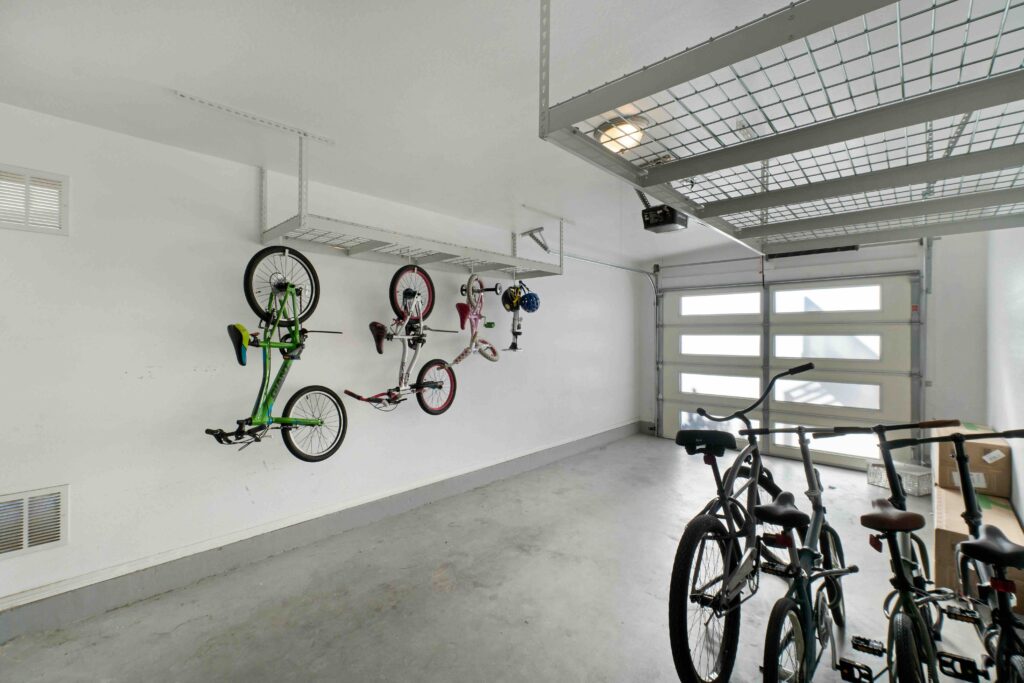
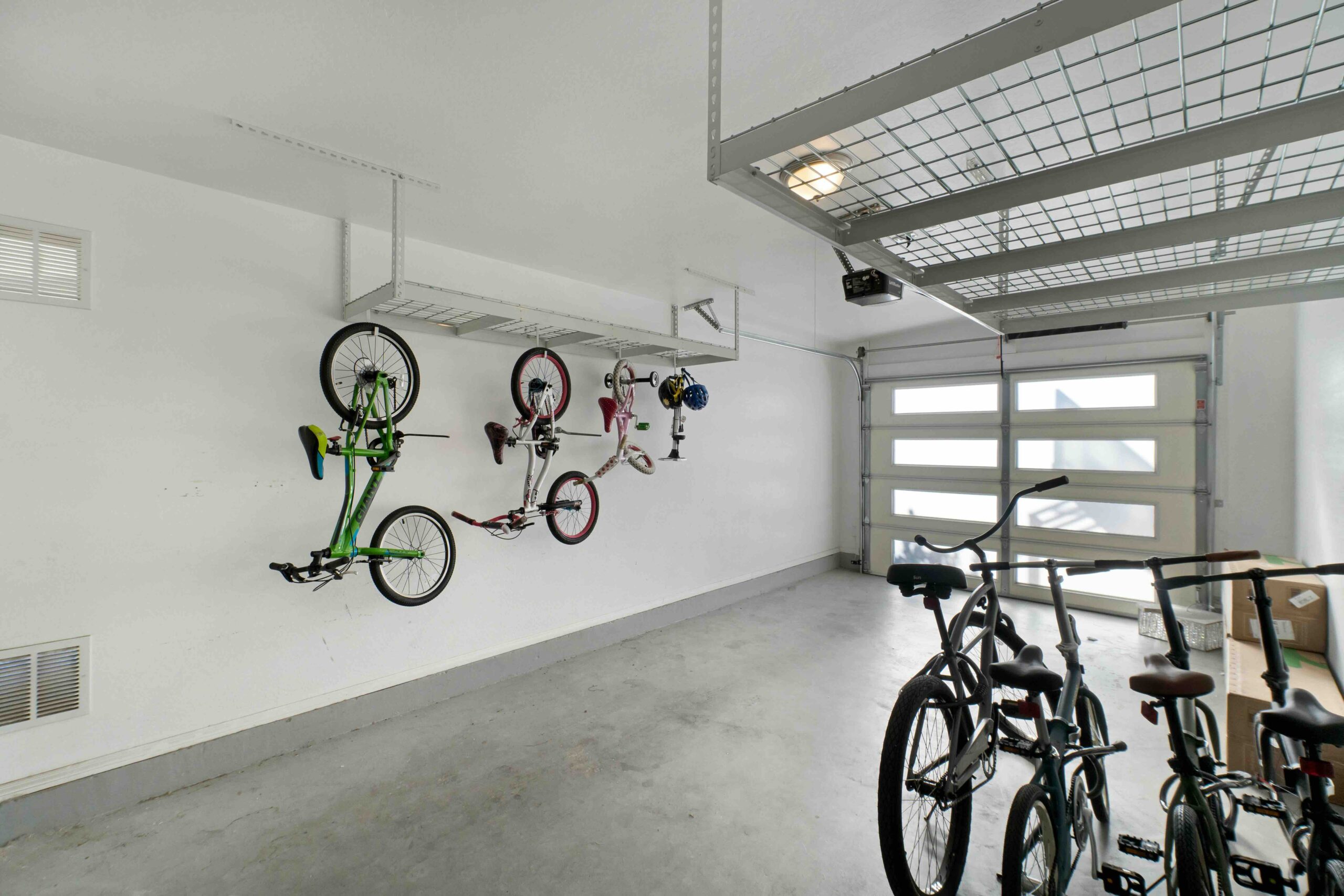
Most residential overhead garage storage systems are ceiling-mounted platforms or rack assemblies that suspend from the ceiling joists using steel hardware — typically drop rods, mounting brackets, and either fixed or adjustable height mechanisms. The platform itself is usually constructed from steel wire grid, solid steel, or heavy-duty particleboard with a metal frame, and it spans horizontally across the ceiling to create a shelf. Systems vary in size, but common configurations range from four by eight feet to four by six feet. The drop rods allow you to position the platform at your preferred height, leaving enough clearance for your vehicles below. Some systems are fixed once installed, while others allow vertical height adjustments after the fact. Installation involves locating ceiling joists, drilling mounting points, attaching drop rods to the ceiling hardware, and then assembling the platform on top. The entire process typically takes two to four hours with a partner helping to hold components in place.
Key Advantages of Installing Overhead Garage Storage
There are several reasons homeowners keep coming back to this particular DIY project. The return on investment — in both function and livability — tends to be high relative to the effort involved.
- Significant floor space recovery: Removing stored bins and seasonal items from floor level immediately opens up room to park vehicles, move around freely, or set up a workspace.
- High weight capacity: Quality overhead storage units are rated to hold between 400 and 600 pounds, meaning you can safely store heavy totes, tools, and equipment without worry.
- Out-of-sight organization: Items stored overhead are accessible but not visually intrusive, which contributes to a cleaner, less stressful garage environment.
- Relatively low cost: Depending on the system, overhead storage racks range from roughly $150 to $500 for a complete kit, making them one of the more affordable garage upgrades available.
- DIY-friendly installation: With basic tools and a few hours, most homeowners can complete the installation without professional help.
Common Drawbacks to Think Through Before You Buy
No home improvement project is without its limitations, and overhead garage storage is no exception. The ceiling height in your garage is the first variable to examine. If you have a standard eight-foot ceiling and you drive a full-size SUV or truck, clearance can become tight quickly. The platform needs enough drop to be practical for loading and unloading, but not so low that it interferes with vehicle clearance or creates a hazard. Beyond geometry, the structural integrity of your ceiling joists matters significantly. Older homes sometimes have ceiling framing that is not rated for the concentrated load of a fully loaded storage platform. Skipping this evaluation is where DIY projects go sideways — not just in terms of the shelf failing, but potentially causing damage to the ceiling itself. Finally, accessibility is a real consideration. Items stored overhead require a step ladder to retrieve, which makes this solution best suited for seasonal or infrequently used items rather than everyday tools or supplies.

Choosing the Right Overhead Storage System for Your Garage
Not all overhead garage storage kits are created equal, and the differences matter more than they might appear on a product listing page. Steel construction is preferable to systems that use significant amounts of plastic hardware at connection points — the ceiling is not a place to cut corners on material quality. Look for systems with a weight rating clearly stated by the manufacturer, and cross-reference that rating against the realistic weight of what you intend to store. Pay attention to the adjustability range, particularly the minimum and maximum height from the ceiling to the platform. If your garage has any variation in ceiling height, or if you plan to store items of varying dimensions, an adjustable system will serve you much better over time. Also consider the platform dimensions in relation to your ceiling joist spacing. Standard joists are spaced sixteen inches on center, but some garages, particularly older or custom-built ones, deviate from this. Measuring your joist spacing before purchasing ensures your mounting points will align correctly.
Step-by-Step Overview of the DIY Installation Process
Walking through the installation sequence ahead of time helps you avoid surprises on the day you start drilling. Begin by mapping out your ceiling joists using a stud finder and marking them clearly with painter’s tape. Determine where your platform will sit and mark the mounting points accordingly, double-checking that each point lands on a joist and not between them. Once your layout is confirmed, attach the ceiling-mounted brackets or mounting hardware directly into the joists using the lag screws or bolts included with your kit. Drop rods thread through or attach to these brackets and hang down to the platform frame. Assemble the platform frame on the ground first if possible, then lift it into position and secure it to the drop rods. Tighten all connections, check for level, and do a preliminary load test with modest weight before relying on the system at full capacity. Having a second person present is not optional — it is genuinely necessary for safe installation.
Safety Considerations That Cannot Be Skipped
Overhead storage adds usable square footage to your garage, but it also adds load to a structural system that was not originally designed with storage in mind. The most important safety step any homeowner can take is verifying joist condition before installation. Joists that show signs of moisture damage, wood rot, insect activity, or previous cuts and notches may not be suitable anchor points. If you have any doubt, a quick consultation with a contractor or structural professional is worth the time. Beyond the structural evaluation, be mindful of what you store overhead. Flammable liquids, pressurized containers, and anything temperature-sensitive should not go into overhead garage storage, especially in climates with significant seasonal temperature swings. Garages can reach extreme temperatures, and overhead areas near the ceiling accumulate heat more aggressively than floor level. Weight distribution also matters — avoid concentrating heavy items on one side of the platform, which can create uneven stress on the mounting hardware over time.
How Overhead Garage Storage Connects to Your Home’s Overall Value
Garage organization improvements, including overhead storage systems, consistently show up on buyer preference surveys as desirable home features. While a ceiling-mounted storage rack is unlikely to dramatically shift your home’s appraised value, it does contribute to the impression of a well-maintained, thoughtfully organized property — and that perception matters during a sale. More immediately relevant to most homeowners is the quality-of-life improvement that comes from reclaiming usable floor space in the garage. A functional, organized garage reduces daily friction, supports better vehicle protection, and creates room for projects or hobbies that would otherwise have no dedicated space. When you factor in the relatively modest cost of a quality overhead storage system, the case for this DIY improvement becomes easy to make from both a practical and financial perspective.
When Your Garage Improvement Connects to Bigger Home Systems
Here is something that often gets overlooked: garages house more than storage bins. Garage-adjacent systems — including the garage door opener, electrical outlets, water heaters, HVAC equipment, and sometimes even plumbing lines — all interact with the same space where you are about to start drilling and hanging heavy loads. Disrupting an electrical line during installation or overloading a circuit with new lighting for the storage area are both realistic possibilities that homeowners do not always plan for. Being aware of what runs through your garage ceiling before you start installing anything overhead is just good practice. It also serves as a useful reminder that home systems are interconnected, and protecting one often means being thoughtful about how you interact with the surrounding space. This is exactly where comprehensive home protection becomes relevant — because when something unexpected happens to a major system or appliance, the cost and timing rarely feel convenient.

Why Armadillo Belongs in Your Home Improvement Planning Conversation
Tackling a DIY overhead garage storage project is a smart move for any homeowner looking to maximize their space. But every home improvement decision is also a reminder that your home is a system — and systems break down. When the garage door opener fails the same week your HVAC unit needs a repair, having a home warranty in place is the difference between a manageable expense and a financial scramble. Armadillo was built for homeowners who take their homes seriously, offering straightforward coverage with no unnecessary complexity. If you are already investing time and effort into improving your home’s functionality, it makes sense to pair that effort with the kind of protection that handles the unexpected. Armadillo home warranty plans for garage and whole-home system coverage are designed to work the way homeowners actually live — without the fine print surprises. When you are ready to see what coverage looks like for your specific home, you can get a free home warranty quote for garage systems and appliance protection in just a few minutes. The overhead storage project is a great start — Armadillo helps protect everything underneath it.
Frequently Asked Questions About Garage Overhead Storage Systems
How much weight can a typical overhead garage storage system hold?
Most quality overhead garage storage systems are rated to hold between 400 and 600 pounds when properly installed into ceiling joists. Always verify the manufacturer’s stated weight capacity before purchasing and avoid exceeding that limit regardless of how sturdy the installation feels.
Do I need a professional to install an overhead garage storage system?
Most homeowners with basic DIY skills and standard tools can complete the installation without professional help. However, having a second person present is essential for safely lifting and positioning the platform during assembly. If you are unsure about your ceiling’s structural condition, consulting a contractor before installation is a worthwhile precaution.
What ceiling height is required for an overhead garage storage system?
Most overhead storage systems require a minimum ceiling height of eight feet to function safely and allow adequate vehicle clearance below. Systems typically offer drop rod adjustability ranging from twenty-two to forty inches, so measure your ceiling height and vehicle dimensions before purchasing.
How do I find ceiling joists in my garage for mounting the storage system?
Use a reliable stud finder tool to locate ceiling joists and mark their positions with painter’s tape before drilling. Standard joist spacing is sixteen inches on center, though older or custom garages may vary. Always confirm each mounting point lands directly on a joist to ensure a safe and secure installation.
What items are best stored on an overhead garage storage platform?
Overhead garage storage is best suited for seasonal items, holiday decorations, camping gear, sporting equipment, and infrequently accessed bins or totes. Avoid storing flammable liquids, pressurized canisters, or temperature-sensitive items overhead, as garage ceiling areas can experience significant heat accumulation.
Can I install overhead garage storage in an older home with aging ceiling joists?
Older homes can present challenges if ceiling joists show signs of damage, rot, insect activity, or previous structural modifications. Inspect the joists thoroughly before installation, and if any doubt exists about their integrity, have a qualified professional evaluate them before adding concentrated overhead load.
How much does a DIY overhead garage storage system typically cost?
Complete overhead garage storage kits generally range from approximately $150 to $500 depending on platform size, material quality, and weight rating. This cost typically includes all necessary mounting hardware, drop rods, and the platform frame, making it one of the more affordable garage organization upgrades available.
Will adding overhead storage to my garage increase my home’s value?
While overhead garage storage is unlikely to significantly impact a formal property appraisal, it contributes positively to buyer perception during a home sale by demonstrating thoughtful organization and well-maintained usable space. The quality-of-life improvements for current homeowners tend to be the more immediate and tangible benefit.
Is garage overhead storage covered under a home warranty plan?
Standard home warranty plans typically cover built-in home systems and appliances rather than storage installations or structural improvements. However, garage-related systems such as the garage door opener mechanism may be covered depending on the plan. Reviewing your specific coverage terms will clarify what is included for garage-related components.
How long does it take to install a ceiling-mounted garage storage system?
Most overhead garage storage systems can be installed in two to four hours with two people working together. The time varies based on ceiling construction, the complexity of the system, and the installer’s familiarity with basic tools. Allowing extra time for joist mapping and a final load test before full use is recommended.