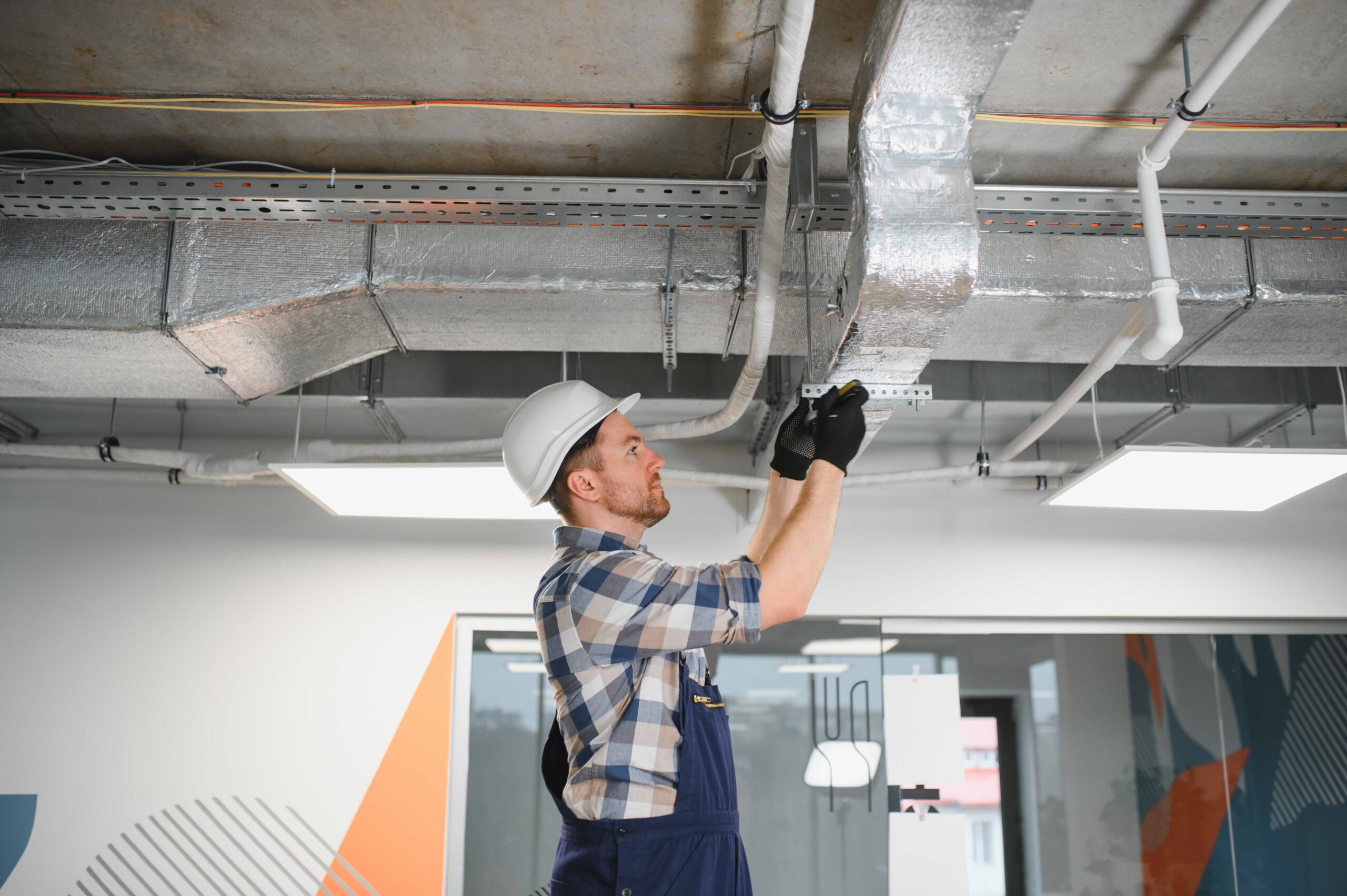
DIY HVAC Installation: What Homeowners Need to Know Before Getting Started
Installing a home heating and cooling system is a serious undertaking. It’s not just a matter of unpacking equipment and flipping a few circuit breakers—it’s a complex, multi-step process that affects the comfort, energy efficiency, air quality, and long-term investment of your home. With do-it-yourself HVAC installation on the rise, many homeowners are wondering: can I do this myself? Should I? And how does it impact things like home warranties? This article explores the ins and outs of HVAC systems, the challenges of DIY installation, and the long-term implications it may have on your home and wallet.
What an HVAC System Really Does
HVAC stands for heating, ventilation, and air conditioning. At its core, an HVAC system regulates the indoor temperature, humidity, and air quality of your home. When functioning properly, it keeps you warm in the winter, cool in the summer, and ensures the air circulating indoors is fresh and breathable year-round. A typical HVAC system includes a furnace or heat pump, an air conditioner or cooling component, thermostats, ductwork, and air filters. Some systems may integrate whole-home humidifiers, dehumidifiers, or air purifiers depending on the climate and homeowner preferences. Each component works together continuously, shifting operation modes depending on season and user input.
The Mechanics Behind an HVAC System
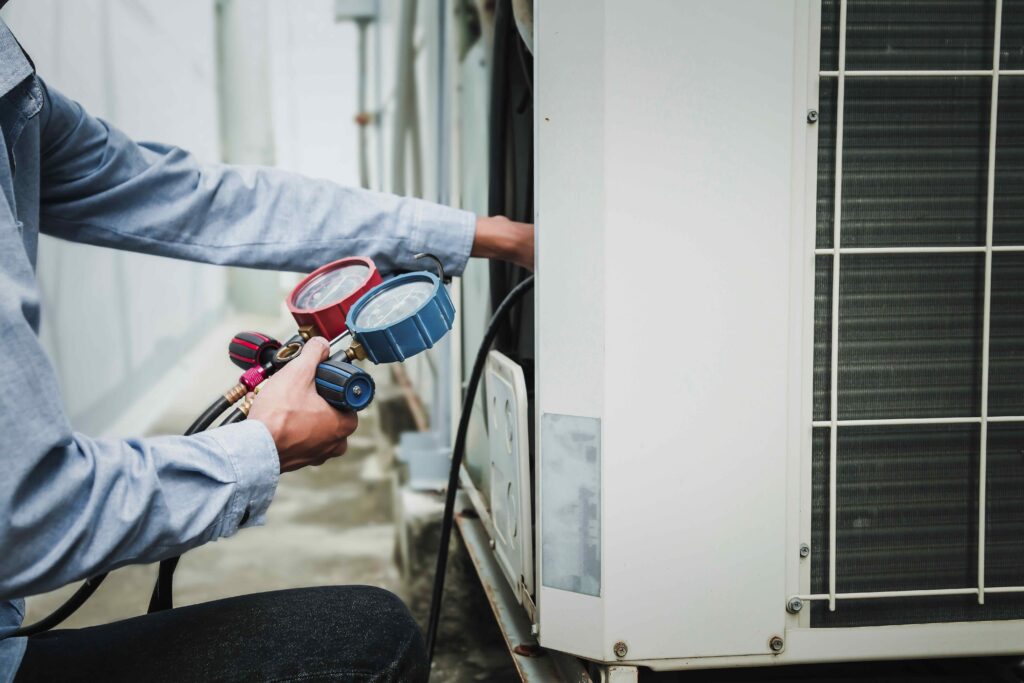
Most homes use a central air-based HVAC system that operates in a closed loop. In cooling mode, the system pulls warm indoor air through intake vents and passes it through refrigerant-filled coils in the air handler or outdoor unit. As the air cools, moisture is removed, and the now-cool air is pushed back through supply ducts. In heating mode, a furnace or heat pump does the opposite, either burning fuel or drawing ambient heat from outside and delivering it indoors. Modern systems include smart thermostats, pressure sensors, and zoning features that allow for more efficient load balancing. The machinery works inconspicuously in attics, basements, or utility closets—but behind the scenes, it’s a precision-engineered process involving gas lines, electrical circuits, and complex airflow design.
Why Homeowners Consider DIY HVAC Installation
Cost is the number-one motivator behind DIY HVAC. A professionally installed HVAC system can run between $6,000 and $12,000 for a standard system—much more if ductwork needs to be designed or replaced. For homeowners with a bit of mechanical know-how, the idea of bypassing contractor fees and managing the labor themselves is appealing. Online marketplaces also make equipment widely accessible, with retailers selling DIY-friendly mini-splits and packaged units. Some homeowners are intrigued by the level of control they feel they can maintain in choosing their own components, scheduling their own timeline, and sidestepping the sometimes unpredictable nature of contractor availability. The appeal is real, but so are the risks.
The Risks and Drawbacks of DIY HVAC Installation
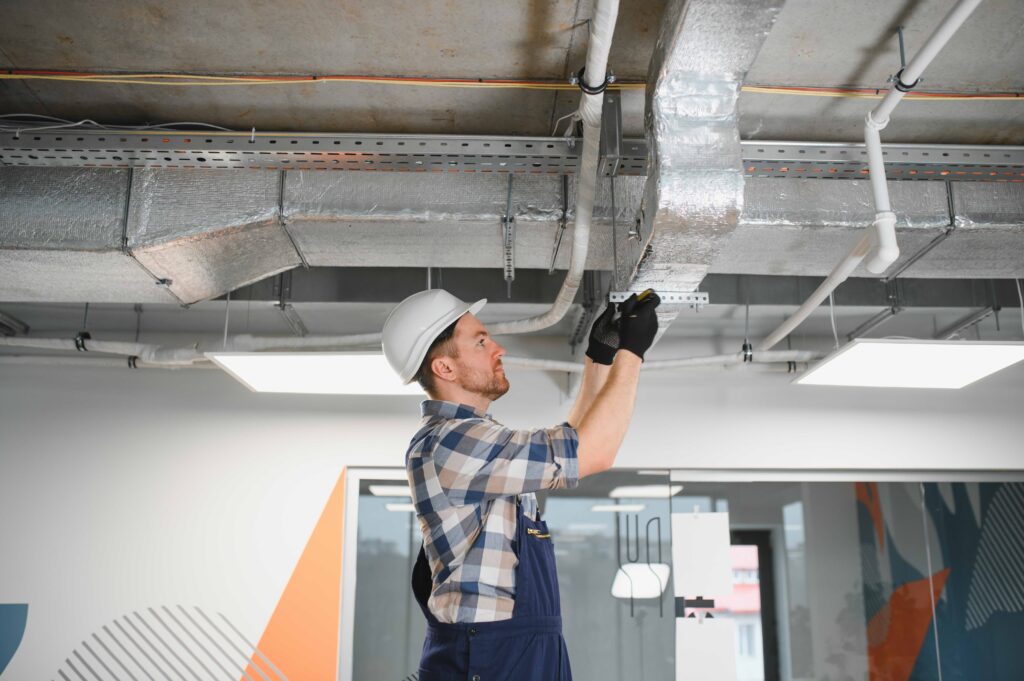
Even simple-looking system installs involve high-voltage electricity, pressurized gas lines, and crucial air sealing work. Improper installations can lead to electrical fires, carbon monoxide leaks, and poor energy efficiency. Systems not properly sealed can cause cooled or heated air to leak into walls or attics, cutting operating efficiency by up to 30 percent. Many manufacturers will void warranties if equipment is not installed by a licensed HVAC technician. Poor ductwork sizing or layout planning can result in uneven heating and cooling, and missed building code requirements may cause problems in resale or fail home inspections. Most significantly, installing a system yourself can disqualify the major parts of your coverage eligibility under a home warranty policy—something many homeowners overlook until it’s too late.
What Home Warranty Providers Think About DIY Installs
Home warranties are designed to cover breakdowns from normal wear and damage—not mistakes from improper installation. Home warranty providers like Armadillo clearly outline this distinction. If an HVAC system is installed by someone who is unlicensed or fails to follow building code, warranty providers often deny claims for repair or replacement. The reason is straightforward—malfunction caused by incorrect installation is not a mechanical failure, it’s a user error. Coverage only applies when systems meet manufacturer specifications and professional installation standards. Even if a DIY installation performs well initially, any future claim may require documented proof of proper installation, such as receipts from a certified contractor. For homeowners considering a DIY HVAC route, understanding these implications is crucial before making the first cut or wire connection.
Alternatives to Full DIY: Hybrid Options for Cost-Conscious Homeowners
If lowering costs is still the goal, there are smart ways to get involved in your HVAC installation without shouldering full responsibility. Purchasing the system yourself—after consulting with an HVAC professional—is common. Some homeowners opt to handle prep work (removing old units, site prep, minor ductwork tasks) while hiring a licensed technician to perform the final installation, testing, and commissioning. This “partial DIY” approach allows for cost control while still preserving manufacturer warranties and home warranty eligibility. Some states even offer rebate programs or incentives for professionally installed energy-efficient systems. Always check your local code requirements and confirm what level of homeowner involvement is permitted; HVAC systems directly impact health and safety, and regulations are strict for a reason.
How to Choose the Right HVAC System—And Installer
When investing in a new HVAC system, start by auditing your current system’s performance. Are your energy bills high? Are rooms inconsistently heated or cooled? Are filters clogging too quickly, suggesting poor air flow? These symptoms can guide you toward size and feature needs for a replacement unit. Next, decide between system types—central split systems, packaged units, heat pumps, or ductless mini-splits. Then, research local contractors or HVAC-certified professionals with transparent licensing and insurance coverage. When interviewing installers, ask detailed questions about install procedures, post-installation checklists, and whether they submit manufacturer warranties post-install. And if you’re pursuing home warranty coverage, find out if their work complies with provider requirements. Reputable technicians won’t shy away from these conversations—in fact, they’ll appreciate the diligence.
Protection for the Long Haul: Why Armadillo Makes Sense
Your HVAC system represents one of the costliest and most essential components of your home. Whether you take a hands-off approach or try to manage part of the process, one thing remains clear: protecting that investment matters. With a home warranty through Armadillo, you gain straightforward protection for your HVAC system and many other crucial home systems and appliances. If something breaks due to normal wear and tear, we’ve got it covered—no confusing fine print or outdated policy language. Armadillo makes it easy to know what’s protected and how to start a claim. If you’re in the planning phase of an HVAC upgrade, now is the ideal time to secure coverage that works. Learn more about our home coverage options at armadillo.one or customize a plan that fits your home with our coverage builder. Get ahead of breakdowns before they break your rhythm.