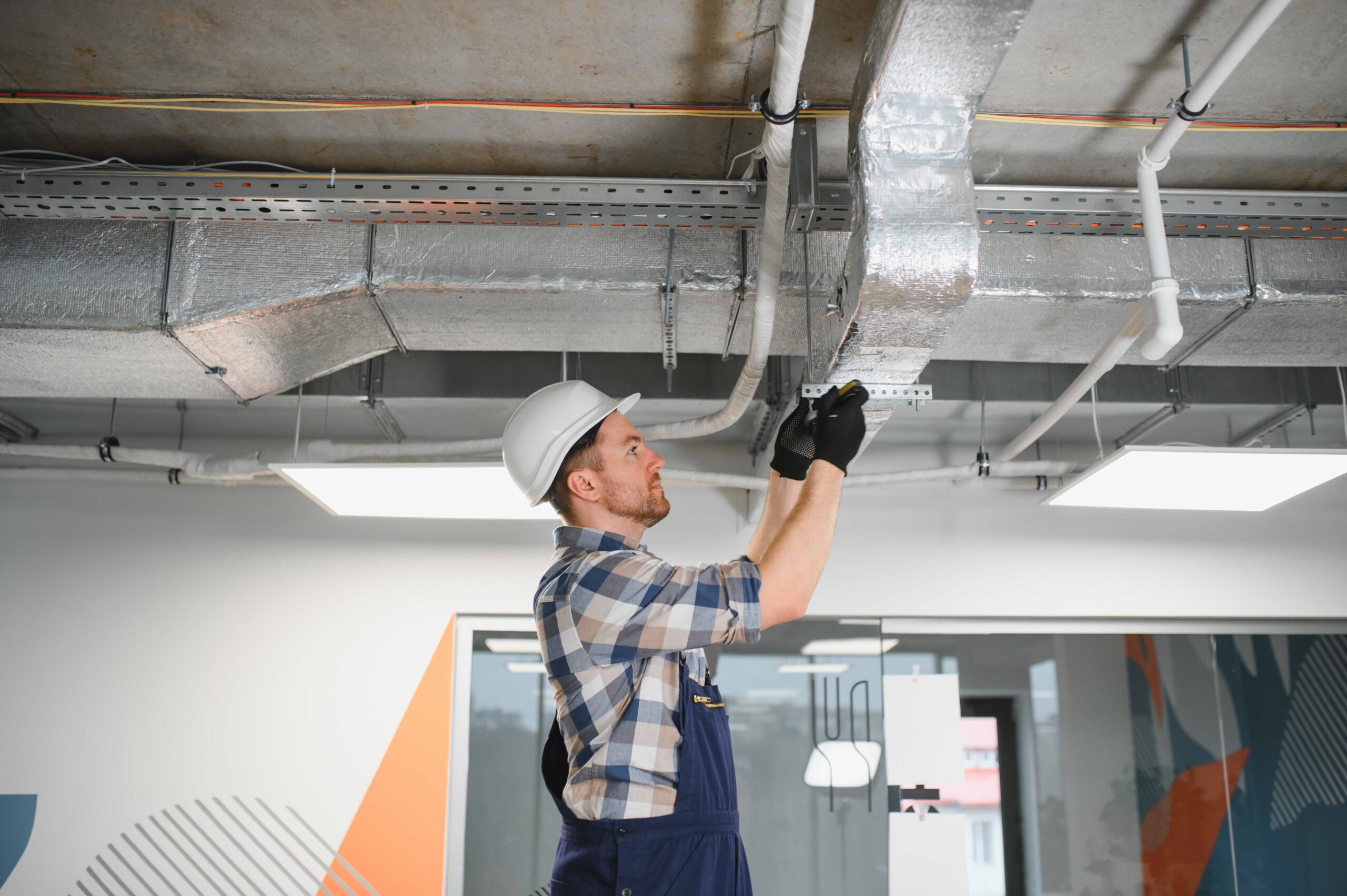
What Is a DIY HVAC Installation and Should You Actually Try It?
There is a moment every homeowner hits where the HVAC quote lands in their inbox and the number just sits there, staring back. It is a lot of money. And somewhere between that invoice and a YouTube rabbit hole, the idea of a DIY HVAC installation starts to sound surprisingly reasonable. So let us talk about what that actually means, how these systems work, what the real advantages are, and where the plan can go sideways fast. Because some of this is genuinely doable, and some of it is not, and knowing the difference matters more than most people realize.
How a Home HVAC System Actually Works
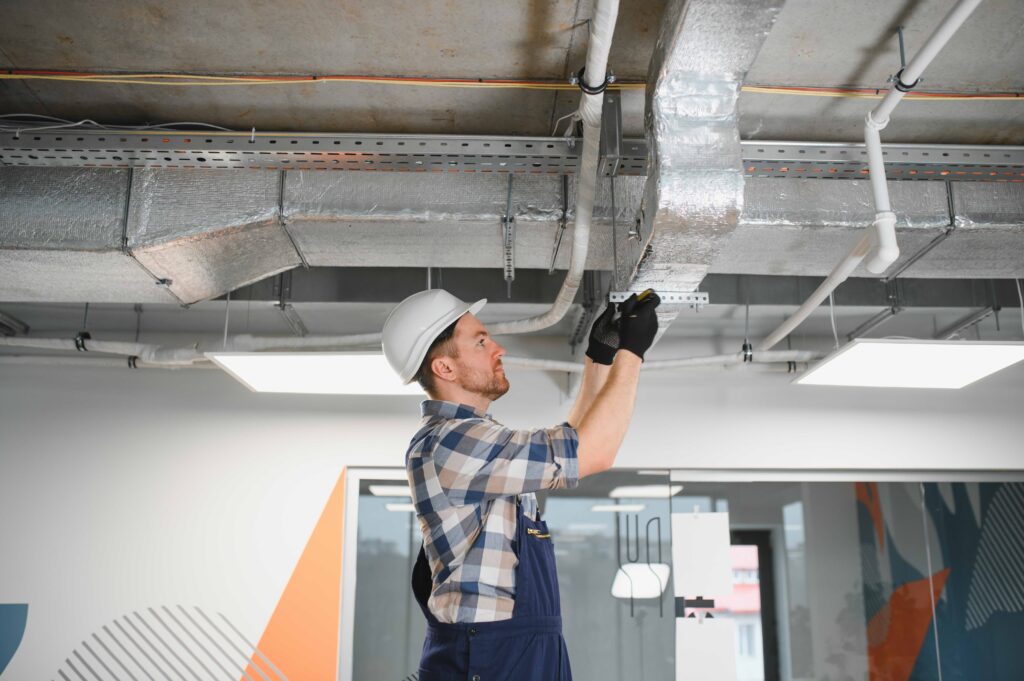
Before touching a single component, it helps to understand what you are working with. A central HVAC system is built around a few core elements: the furnace or air handler, the air conditioner or heat pump, the refrigerant lines, the ductwork, and the thermostat. In a cooling cycle, refrigerant absorbs heat from inside your home and moves it outside. In a heating cycle, the process either reverses or a separate heat source, like a gas furnace, generates warmth that gets pushed through the duct system. The thermostat is the brain, telling the system when to run and when to rest. It sounds straightforward until you get into the electrical wiring, refrigerant handling, and duct sizing, and then it becomes a different conversation entirely.
What Parts of HVAC Installation Are Actually DIY-Friendly
Not everything about an HVAC installation requires a licensed technician, and that is where homeowners can genuinely save money. Thermostat replacements are widely considered one of the most accessible DIY HVAC tasks out there. Smart thermostats come with detailed instructions, and the wiring is typically low-voltage. Replacing air filters, cleaning condenser coils, and swapping out basic components like capacitors are also within reach for a reasonably handy homeowner. Ductwork sealing and insulation improvements fall in a middle ground, manageable but requiring attention to detail. Where things shift is when refrigerant, high-voltage electrical connections, and major equipment swaps enter the picture.
The Real Advantages of DIY HVAC Work
When handled correctly, DIY HVAC installation and maintenance carry some meaningful benefits worth considering.
- Cost savings on labor can be significant, sometimes several hundred to over a thousand dollars depending on the scope of the project.
- Scheduling flexibility is completely in your hands, no waiting on contractor availability or service windows.
- Learning your system intimately means you spot problems earlier and communicate more clearly with technicians when you do need them.
- Simple upgrades like smart thermostats and zoning components can dramatically improve comfort and energy efficiency without professional help.
- Routine maintenance tasks handled personally tend to happen more consistently than relying on scheduled service visits.

The Drawbacks You Cannot Afford to Ignore
Here is where the conversation has to get honest. DIY HVAC installation comes with legitimate risks that can cost more to fix than the original professional install would have. Refrigerant handling is federally regulated, and working with it without certification is illegal. Improper electrical connections create fire hazards. Undersized or oversized equipment results in chronic inefficiency and premature system failure. Permit requirements exist in most jurisdictions for major HVAC work, and skipping them can create real problems when selling the home or filing an insurance claim. There is also the matter of voided manufacturer warranties, which often require professional installation documentation. The savings look different when you factor those risks in honestly.
Tools and Skills You Actually Need
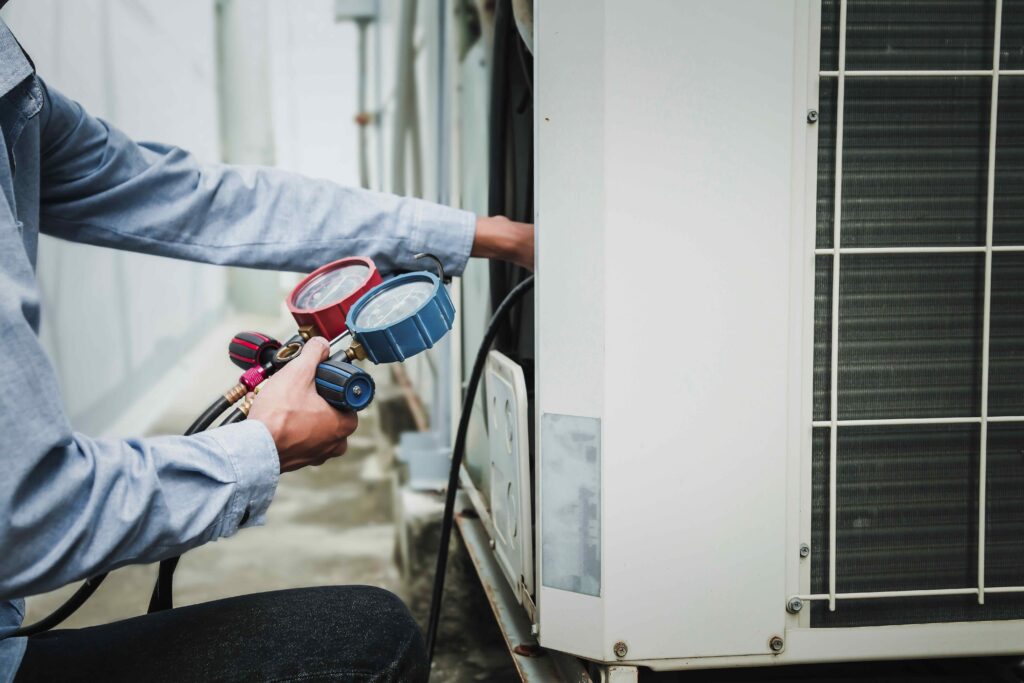
If you are committed to DIY HVAC work beyond basic maintenance, the skill and tool requirements go up considerably. You will want a multimeter for electrical testing, a manifold gauge set if you are working anywhere near refrigerant lines, a vacuum pump, sheet metal tools for ductwork, and a solid working knowledge of your local building codes. Beyond tools, the skillset includes reading wiring diagrams, understanding static pressure in duct design, and recognizing when a component failure is isolated versus symptomatic of a larger issue. None of this is impossible to learn, but it is a real commitment of time and attention, not a weekend project for most homeowners.
Understanding DIY HVAC Permits and Legal Requirements
This section deserves its own space because it surprises a lot of homeowners. Most jurisdictions require permits for new HVAC equipment installation, major duct modifications, and refrigerant system work. Some areas allow licensed homeowners to pull their own permits for work done on their primary residence. Others require the permit to be pulled by a licensed HVAC contractor exclusively. Getting caught working without a required permit can result in fines, forced removal of the work, and complications with your homeowner’s insurance. Before starting any significant HVAC project, a call to your local building department takes about five minutes and can save a serious headache later.
When to Call a Professional Instead
There is no shame in recognizing when a project is outside the reasonable DIY scope. Full system replacements involving refrigerant line sets, electrical panel connections, and load calculations for proper equipment sizing are genuinely complex. Heat pump installations, in particular, involve refrigerant charging that legally requires an EPA 608 certification to handle. Gas furnace connections involve combustion safety that is not something to experiment with. If the job involves any of these elements, the smart move is a licensed HVAC professional. The money saved rarely justifies the risk, and proper installation directly affects system longevity, energy efficiency, and safety.
Practical Tips for Homeowners Considering DIY HVAC Work
- Start with maintenance tasks before attempting any installation work to build familiarity with your specific system.
- Always shut off power at the breaker before touching any electrical components, and verify the circuit is dead with a multimeter.
- Document everything, take photos before and after, and save all receipts and equipment manuals.
- Research permit requirements for your specific county or municipality before purchasing equipment.
- When in doubt, get a second opinion from a licensed technician before committing to a course of action.
How a Home Warranty Fits Into Your HVAC Strategy
Here is something worth thinking about regardless of how much DIY work you take on. HVAC systems are among the most expensive things in a home to repair or replace, and they do not fail on a convenient schedule. A home warranty plan designed specifically for systems like heating and cooling can cover the cost of repairs and replacements that fall outside what a homeowner can realistically handle alone. Armadillo home warranty coverage for HVAC systems and major home appliances is built to be transparent, responsive, and genuinely useful when something breaks. No surprise exclusions buried in the fine print, no chasing down reimbursements for months. If your DIY maintenance skills keep the system running longer, great, but when a compressor fails or a heat exchanger cracks, that is exactly the moment a home warranty earns its place. You can get a free home warranty quote for HVAC system protection in under two minutes and see exactly what coverage looks like for your home. It is the kind of backup plan that makes every other home improvement decision a little less stressful.

Frequently Asked Questions About DIY HVAC Installation
Answers to the questions homeowners ask most often about tackling HVAC work on their own.
Can a homeowner legally install their own HVAC system?
In some jurisdictions, homeowners can pull their own permits and install HVAC equipment in their primary residence, but this varies significantly by location. Refrigerant handling always requires EPA 608 certification regardless of where you live.
What HVAC tasks can I safely do myself without a license?
Thermostat replacement, air filter changes, condenser coil cleaning, duct sealing, and basic component swaps like capacitors are generally considered safe DIY tasks for a reasonably skilled homeowner.
Will DIY HVAC installation void my equipment warranty?
Many manufacturers require professional installation documentation to honor warranty claims. Installing equipment yourself without that documentation can void the manufacturer warranty entirely, which is a significant financial risk.
How much can I realistically save with DIY HVAC installation?
Labor costs for a full HVAC system installation typically range from several hundred to several thousand dollars. However, savings must be weighed against permit costs, tool investments, and the risk of installation errors that require correction.
Do I need a permit to replace my own HVAC system?
In most cases, yes. Major HVAC installations require permits in most jurisdictions. Contact your local building department before starting any significant HVAC project to understand the specific requirements in your area.
What happens if I install HVAC without a permit?
Unpermitted work can result in fines, mandatory removal or correction of the installation, complications when selling the home, and potential issues with homeowner’s insurance claims related to the system.
Is it safe to replace a thermostat myself?
Yes, thermostat replacement is one of the most beginner-friendly HVAC tasks. Wiring is low-voltage, most products include clear installation guides, and the risk level is relatively low compared to other HVAC work.
Can improper HVAC installation affect my home insurance?
Yes. If a fire, water damage, or structural issue is traced back to unpermitted or improperly performed HVAC work, your homeowner’s insurance provider may deny the related claim.
How do I know if my HVAC system is the right size for my home?
Proper HVAC sizing requires a Manual J load calculation, which accounts for square footage, insulation levels, window placement, local climate, and more. Skipping this step and guessing on equipment size is one of the most common and costly DIY mistakes.
Does a home warranty cover repairs made necessary by DIY HVAC work?
Coverage depends on the specific home warranty plan and the nature of the repair. Most home warranty providers require that systems were properly installed and maintained. Reviewing your plan’s terms regarding DIY modifications before starting any project is strongly advised.