The Smart Homeowner’s Guide to Natural Floor Cleaners: How They Work and Why They Matter
For conscientious homeowners, maintaining a clean home without compromising health or the environment is no small task. Floors—whether hardwood, tile, laminate, or stone—take the brunt of daily life. Pets, spills, dirt from traffic, and general wear can make your beautiful surfaces look tired. This drives many people toward commercial cleaning solutions. But what if there were a safer, eco-friendlier path—one that was equally effective and, importantly, backed by healthy reasoning? Enter: the DIY natural floor cleaner. More than a passing trend, this approach speaks to health, sustainability, and long-lasting home equipment. Understanding how natural cleaning solutions work and their larger role in maintaining your home systems can help you make thoughtful, informed choices for the long-term care of your space.
Understanding Floor Cleaners and Your Flooring System
Let’s begin by reframing your floors as more than surfaces—they’re a system. Floors are an interconnected element of your home’s structure: subfloor, underlayment, and surface material each plays a critical role in both durability and comfort. Certain chemical-based store-bought cleaners may offer short bursts of shine, but over time, they can strip finish, damage adhesives, or leave chemical residue that builds up and attracts dirt. Natural floor cleaners, by contrast, aim for balance. When properly formulated, they work with the materials—rather than against them—protect floor finishes, and support the long-term structural integrity of the floor system without producing harsh byproducts. For hardwood in particular—a natural, expansive, moisture-sensitive surface—natural cleaners offer a gentler, more sustainable maintenance path while helping protect your home’s built-in value.
What Is a DIY Natural Floor Cleaner?
Natural floor cleaner refers to a cleaning solution made from safe, non-toxic ingredients, typically found in most households. Vinegar, baking soda, plant-based soaps, citrus oils, and water form the foundation. Each component contributes unique cleaning properties without introducing abrasion or chemical residue. For example, diluted white vinegar naturally cuts through grime while breaking down mineral stains. Baking soda adds deodorizing power and gently lifts residue. Castile soap provides lather and removes grease. The key is choosing recipes suited for your flooring surface. Too much acidity, for instance, can dull certain natural stones. Time-tested and ingredient-conscious, these solutions not only yield results comparable to manufactured alternatives but also mitigate respiratory irritants and endocrine disruptors often hidden behind terms like “fragrance” or “preservative” on commercial labels.
How Natural Floor Cleaners Work
The effectiveness of a natural cleaner lies in its ability to emulsify, lift, loosen, and encapsulate dirt without using synthetic chemicals. At a microscopic level, surface tension plays a role—softening grime and lifting it from porous or sealed surfaces. Vinegar, a mild acid, breaks up bacteria, salt residue, and some organic matter. Castile soap, made from vegetable oils, emulsifies oils and dirt through surfactant action. Water carries these reactions, while essential oils—such as lemon or tea tree—can offer germicidal and deodorizing support. Together, these ingredients perform a kind of balancing act: they neutralize contaminants while preserving or even enhancing the material they’re applied to. Most importantly, they evaporate cleanly, leaving no waxy film or invisible toxic buildup. For long-term flooring performance and the overall livability of your home, this matters more than we sometimes realize. Cleaner air, maintained surfacing, and preserved sealants collectively contribute to healthier indoor ecosystems.
Advantages of Natural Floor Cleaners
Natural floor cleaners excel in several key areas: health protection, material preservation, cost savings, and environmental impact. Lung function, allergy sensitivity, and skin contact—especially for children and pets—are all affected by cleaning product choices. VOCs (volatile organic compounds) often present in synthetic cleaners can linger, affecting ventilation systems and indoor air quality. Natural alternatives sidestep this silently taxing consequence. In terms of surface longevity, chemical-based cleaners may wear through waterproof coatings and discolor materials over time. A correctly diluted natural formula helps sealants stay intact while keeping grout lines and wood grains free of buildup. Financially, the ingredients for gallons of cleaner cost only a fraction of what branded multi-surface solutions demand. Environmentally, you’re eliminating packaging waste and chemical runoff—factors that matter not just globally but directly within your municipal or septic system. Every decision has a ripple, and increasingly, those ripples affect how well your home functions over time—including the systems a home warranty plan covers.
Common Drawbacks to Consider Before Switching
As with any solution, natural floor cleaners are not without limitations. First is the matter of surface specificity. Not every floor reacts well to vinegar or baking soda. Natural stone, particularly marble or travertine, requires pH-neutral options, as acids can etch the surface. Laminate may also suffer under over-wetting—a user error more likely with homemade mixtures if instructions aren’t followed closely. Second is shelf life. Commercial cleaners are formulated for long-term storage. A natural cleaner, especially one using essential oils or fresh citrus, has a limited useful window. You’ll need to mix in smaller batches or refrigerate. Third is user confidence. Without a brand label, some homeowners are hesitant, unsure of what it means for flooring warranties. The key is using certified-safe ingredients and proper measurement. And it is worth noting: a cleaner, natural or otherwise, is just one element affecting your floor’s integrity and warranty coverage. Flooring issues are often rooted in gaps in installation, moisture protection, or structural shifting—all topics central to home warranty coverage plans.
Maintenance Tips for Long-Term Floor Health
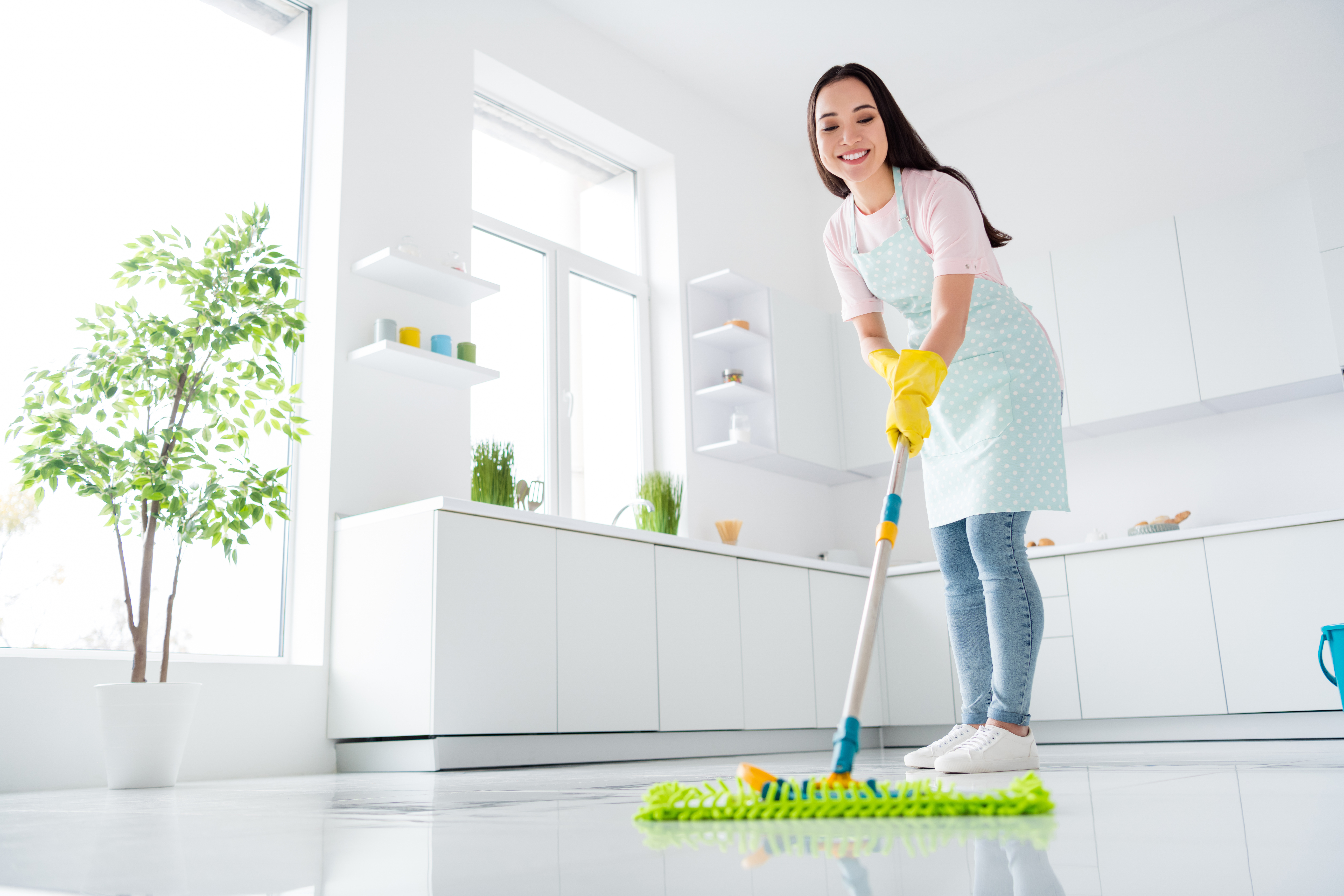
Regardless of cleaning method, routine maintenance is the foundation for extending the lifespan of your flooring system. Use mats at entry points to regulate dirt and grit. Sweep regularly to minimize abrasive particles. Avoid harsh bristle brushes on polished wood or stone. Invest in furniture pads to reduce scratching. More importantly, control humidity levels in your home—particularly valuable for wood floors prone to expansion and contraction. When using a DIY solution, store your mix in a labeled, airtight container. Always do a spot test before cleaning a large section. Mop using a damp—not soaked—mop to prevent damage to underlayers or adhesives. And as a final point of consistency, familiarize yourself with your home warranty’s flooring coverage. Knowing what’s protected creates an informed link between what you maintain and what can be restored or repaired.
Why Tie This to a Home Warranty Plan with Armadillo?
Your flooring is one of the most-used and least-thought-of structural systems in the home. Maintaining it with care—through ingredient-conscious cleaners and responsible upkeep—extends its aesthetic value and functional life. But even the most vigilant homeowner can’t prevent every issue. Subfloor damage from hidden moisture problems, manufacturer flaws in laminate production, or structural shifting that fractures tiles—these are issues a great natural cleaner won’t solve. That’s where a home warranty comes in. Armadillo’s plans can support you when cracks go deeper than surface-level—and cover what cleaning alone cannot. Customize a plan matched to your zip code with ease at Armadillo and get started on personalizing protection with our plan builder tool. Because being proactive shouldn’t stop at clean. It should also protect what cleaning can’t fix.