What Is DIY Natural Floor Cleaner and Why Are Homeowners Talking About It?
If you have ever stood in a cleaning products aisle feeling overwhelmed by ingredient lists that read like a chemistry exam, you are not alone. DIY natural floor cleaner has become a genuine household conversation — and for good reason. It refers to homemade cleaning solutions crafted from simple, non-toxic ingredients like white vinegar, castile soap, essential oils, and water. The appeal is straightforward: fewer synthetic chemicals, lower cost, and a level of control over what you are actually putting on your floors. Whether your home has hardwood, tile, laminate, or vinyl, there is likely a natural formula worth exploring. And before you think this is some niche trend, know that it has been picking up real traction among homeowners who care just as much about air quality inside their homes as they do about the cleanliness of their floors.
How DIY Natural Floor Cleaners Actually Work
The science here is not complicated, which is part of the charm. Most natural floor cleaners rely on a few core mechanisms to cut through grime. White vinegar, for instance, is mildly acidic, making it effective at dissolving mineral deposits, grease, and bacteria on hard surfaces. Castile soap — a plant-based soap derived from oils like olive or coconut — acts as a surfactant, meaning it lifts dirt and suspends it in water so it can be wiped away. Essential oils like tea tree or lavender contribute antimicrobial properties and, of course, leave the room smelling far better than industrial cleaner. When these ingredients are combined with warm water in the right ratios, the result is a cleaning solution that can perform surprisingly well across multiple floor types. The key is understanding which ingredients pair well with which surfaces — more on that shortly.
The Most Common DIY Natural Floor Cleaner Recipes
There are a handful of recipes that consistently show up as reliable starting points for homeowners trying this approach for the first time. The combinations are simple, and the ingredients are widely available at most grocery stores.
- For tile and vinyl floors: Mix one cup of white vinegar with one gallon of warm water and ten drops of essential oil. This is low-residue and dries quickly.
- For hardwood floors: Use a few drops of castile soap in a gallon of water — no vinegar, as the acidity can damage wood finishes over time.
- For laminate floors: A lightly damp mop with a diluted castile soap solution works well. Laminate is sensitive to excess moisture, so less is more.
- General multi-surface option: Combine half a cup of rubbing alcohol, half a cup of water, one tablespoon of white vinegar, and a few drops of dish soap for a quick-drying spray.
Key Advantages of Switching to Natural Floor Cleaners
The benefits of going the DIY natural route are more substantial than just avoiding harsh chemicals. Cost savings are real and add up faster than most people expect. A bottle of white vinegar costs a fraction of what commercial cleaners run per use. Beyond cost, the indoor air quality argument carries significant weight — conventional floor cleaners can off-gas volatile organic compounds, or VOCs, which linger in enclosed spaces and affect respiratory health over time. Families with young children, pets, or anyone with sensitivities to synthetic fragrances tend to notice a meaningful difference when switching. There is also the environmental angle: fewer single-use plastic bottles, fewer harmful compounds entering waterways, and a smaller chemical footprint overall. And honestly, the customization factor is underrated. You decide what goes into the formula, you control the scent, and you adjust the concentration based on how dirty your floors actually are that day.

Common Drawbacks and Limitations to Know Before You Start
Natural floor cleaners are not a perfect solution for every situation, and it is worth being honest about that. Vinegar, while effective on tile and stone, can strip the finish on hardwood floors over repeated use. Essential oils, although pleasant and mildly antimicrobial, are not registered disinfectants — meaning if you need clinical-grade sanitization after illness or a contamination event, a DIY formula may not be sufficient on its own. Residue can also be an issue if mixing ratios are off; too much soap leaves a filmy buildup that actually attracts more dirt. Some natural ingredients also have a shorter shelf life than their commercial counterparts, so large batches may go stale before you finish using them. Bottom line: natural cleaners are excellent for routine maintenance but may need to be supplemented during specific situations.
How Floor Type Should Drive Your Formula Choice
This is where a lot of homeowners go slightly wrong — they find a recipe online, apply it universally across every room, and then wonder why their hardwood is looking dull or their grout seems cloudier than before. Floor type matters enormously. Hardwood is porous and reacts poorly to excessive moisture and acidic ingredients. Tile is durable and forgiving, making it the most compatible surface with vinegar-based cleaners. Laminate is engineered wood that mimics hardwood aesthetics but shares the same moisture sensitivity. Natural stone like marble or travertine is alkaline and will actually etch if exposed to vinegar or other acidic cleaners. Vinyl plank flooring is generally tolerant of most diluted natural solutions but should still be tested in an inconspicuous area first. The rule across all floor types: always dilute, always test a small patch, and always avoid saturating the surface.
Practical Tips for Getting the Best Results
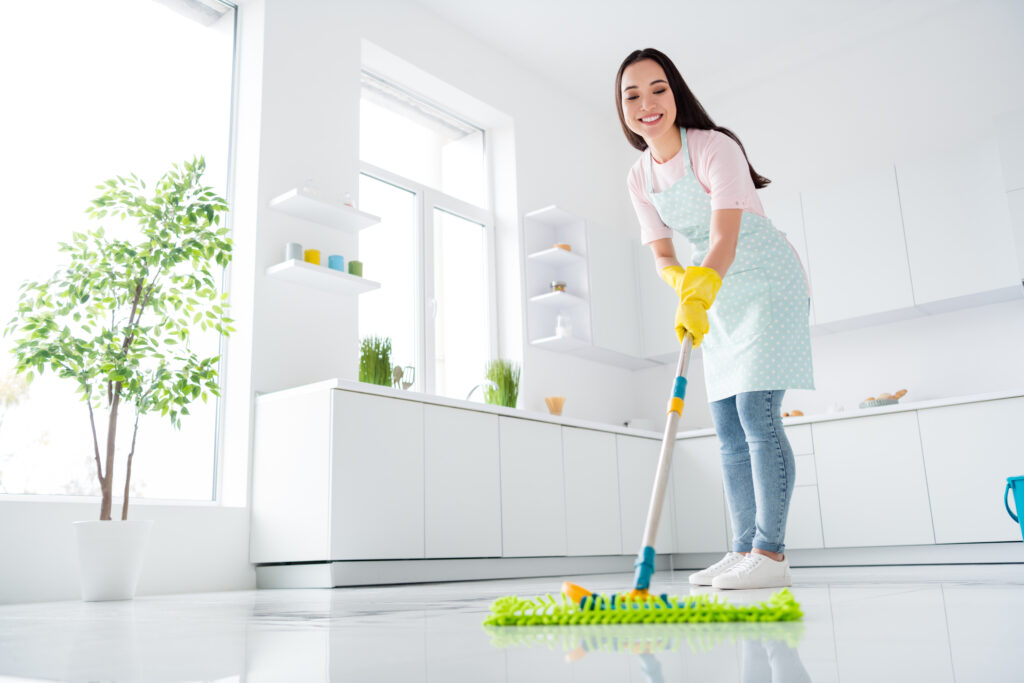
A few habits make a genuine difference in how effective your natural floor cleaner performs. Always sweep or vacuum before mopping — introducing a wet solution over loose debris just turns it into mud. Use a microfiber mop rather than a traditional string mop, as microfiber picks up more particulate and distributes liquid more evenly. Mix solutions fresh each time rather than storing large pre-made batches, especially if essential oils are involved since they can separate or degrade. Warm water activates cleaning agents more effectively than cold. And for high-traffic areas, a second light pass after the first dries can make a noticeable difference without over-saturating the floor.
Where Home Systems and Floor Care Connect
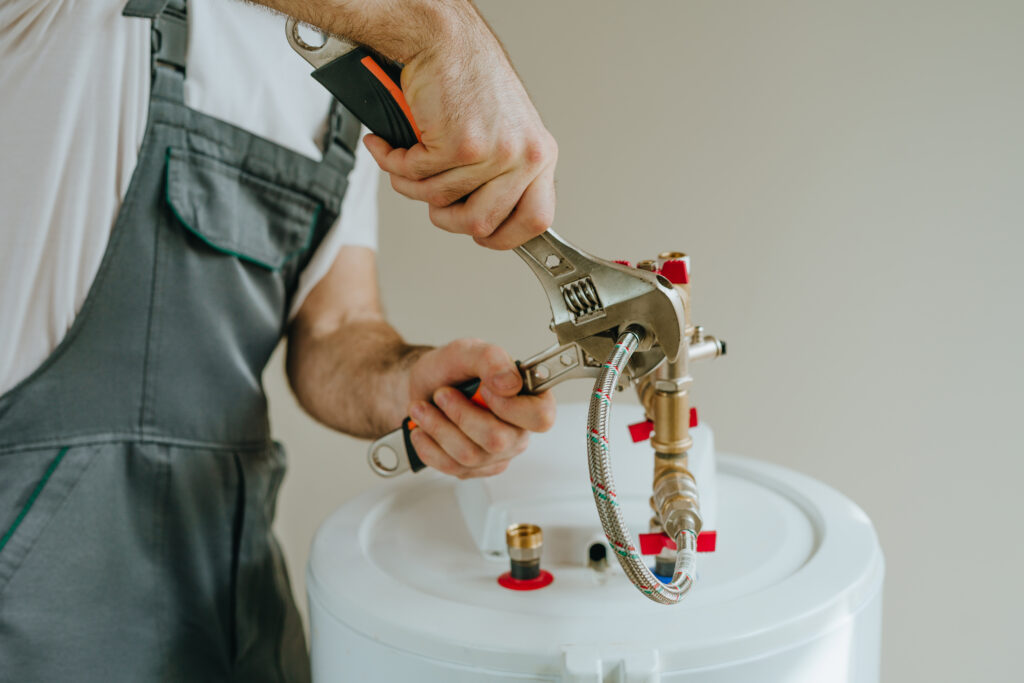
It might seem like floor cleaning lives entirely in the DIY lifestyle space, but there is an important connection to broader home health that homeowners often overlook. Your floors interact with nearly every home system — plumbing leaks from nearby appliances stain and warp them, HVAC dust and debris settle on them daily, refrigerator water line failures can cause significant floor damage. Keeping your floors clean is one part of the equation, but protecting the systems that affect them is the other. A sudden dishwasher overflow or washing machine leak can undo weeks of careful floor maintenance in an afternoon. This is why thinking about floor care and home system protection as complementary priorities, rather than separate concerns, is a smarter long-term approach for homeowners.
Why Armadillo Home Warranty Is the Right Partner for Floor-Conscious Homeowners
You have taken the time to make thoughtful choices about how you clean and maintain your home — that level of care deserves equally thoughtful protection. Armadillo offers home warranty coverage designed to guard the systems and appliances that, when they fail, can cause the very floor damage you work so hard to prevent. From plumbing systems to kitchen appliances and beyond, having a plan in place means that a sudden leak or mechanical failure does not become a flooring nightmare. Homeowners who prioritize natural, proactive home care are exactly the kind of people who benefit most from a warranty that works as hard as they do. You can explore what Armadillo home warranty coverage for household systems and appliances looks like, and when you are ready to take the next step, you can get a personalized home warranty quote that protects what matters most in your home. Protecting your home from the inside out is not just smart — it is exactly what a confident homeowner does.

Frequently Asked Questions About DIY Natural Floor Cleaners
Below are honest, direct answers to the questions homeowners ask most often about natural floor cleaning solutions.
Can I use vinegar on all floor types?
No. Vinegar is safe for tile, vinyl, and sealed stone, but it can damage hardwood finishes and will etch natural stone like marble or travertine. Always verify compatibility with your specific floor type before applying any vinegar-based solution.
Is DIY natural floor cleaner as effective as commercial cleaner?
For routine dirt, grime, and light bacteria, yes. For clinical disinfection or heavy-duty stain removal, commercial products may outperform DIY formulas. Natural cleaners excel at maintenance but have their limits in high-contamination scenarios.
How often should I clean my floors with a natural solution?
High-traffic areas benefit from weekly mopping. Lower-traffic rooms can typically be mopped every two to three weeks. Spot cleaning as needed in between keeps buildup from accumulating.
Will essential oils actually disinfect my floors?
Essential oils like tea tree have documented antimicrobial properties, but they are not EPA-registered disinfectants. They contribute to a cleaner environment but should not be relied upon as the sole disinfection method after illness or contamination.
Can I use natural floor cleaner on laminate flooring?
Yes, with caution. Use a very diluted castile soap solution and a barely damp mop. Excess moisture is the biggest risk for laminate, as it can cause swelling, warping, and edge separation over time.
How do I prevent residue buildup from natural cleaners?
Use the minimum effective amount of soap and always rinse with clean water after mopping if soap-based formulas are used. Keeping dilution ratios accurate is the single most effective way to avoid residue.
Are natural floor cleaners safe for pets and children?
Generally, yes — particularly compared to commercial cleaners with synthetic compounds. However, some essential oils can be harmful to pets, especially cats. Always research individual oils before using them in a home with animals.
Can a leaking appliance damage my floors even if I clean regularly?
Absolutely. Regular cleaning addresses surface dirt, but appliance leaks introduce sustained moisture that can warp, stain, and structurally compromise flooring. Appliance and plumbing protection is essential alongside a good floor care routine.
How long do homemade floor cleaners stay fresh?
Most DIY solutions are best used within one to two weeks. Formulas with essential oils or castile soap can separate or degrade sooner, especially if stored in warm environments. Mixing small batches fresh is the most reliable approach.
Does using natural floor cleaner affect a home warranty?
Home warranties cover mechanical systems and appliances, not flooring surfaces themselves. However, if a covered appliance like a dishwasher or refrigerator causes water damage to your floors, the warranty can help address the root cause of the damage.