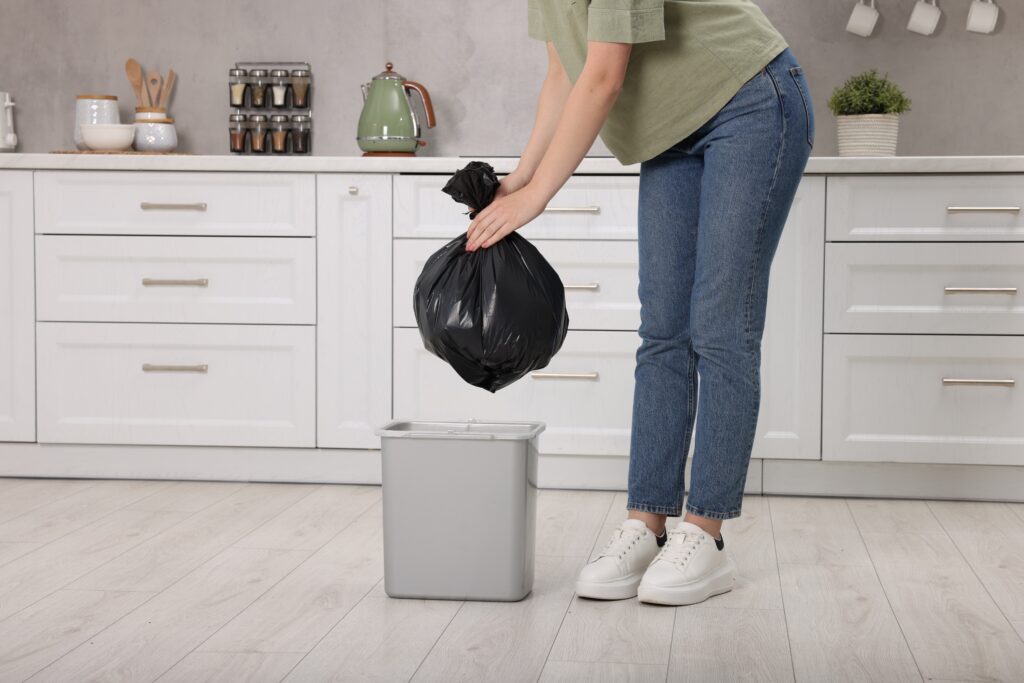
The DIY Rubbish Compactor: A Practical Addition to Your Home Waste Management System
Waste management may not be the flashiest topic in homeownership, but the benefits of getting it right are undeniable. Rubbish, trash, refuse—whatever your term of choice—accumulates fast, especially in high-traffic households. Enter the underappreciated utility of a rubbish compactor. While many overlook this humble appliance, its purpose is simple and surprisingly impactful: reduce the volume of your household waste. What if you could build one yourself? A DIY rubbish compactor is an achievable solution for homeowners concerned with sustainability, cost efficiency, and even appliance longevity. Whether you’re considering a custom project out of necessity or curiosity, this guide walks you through what a rubbish compactor is, how it works, its primary advantages and notable drawbacks, and how it connects to your broader system of home maintenance.
Understanding the Functionality of a Rubbish Compactor
Before diving into the DIY route, it’s important to understand exactly what a rubbish compactor does in a residential setting. A rubbish compactor is a household appliance designed to compress and compact general waste into smaller, denser units. The process works through a motorized ram that presses down on soft waste—primarily food, plastic, and paper products—within a reinforced container. Though it doesn’t eliminate garbage entirely, it reduces the volume significantly, helping homeowners use fewer trash bags and make fewer trips to the bin.
How a DIY Rubbish Compactor Works in Context
Imagine a simple lever system or a small electric setup mounted inside a cabinet enclosure. A DIY compactor can be assembled from steel brackets, hydraulic arms, and a modified frame, typically retrofitted from existing cabinetry or outdated appliances. The central mechanism often resembles a car jack or scissor lift motor, powered manually or electrically, pushing a plate downward with enough force to compress garbage. In this case, precision matters—improper sealing or overloading can easily damage the mechanics or pose safety concerns. Still, the functional concept remains consistent with a store-bought model, just built from scratch or repurposed components.
Advantages of Installing—or Building—Your Rubbish Compactor
The benefits of rubbish compacting aren’t simply measured in saved space. They touch on broader elements of household efficiency, cleanliness, and waste management. First, a compactor reduces your volume of household rubbish by up to 75 percent, cutting down significantly on daily trips to the outside bin. That means fewer garbage bags and a cleaner kitchen environment. It can also make recycling more efficient by segmenting waste types more intentionally. In the long term, compacting waste leads to reduced strain on municipal waste systems, contributing (in a small way) to environmental sustainability. For the inspired DIYer, building a compactor also provides the satisfaction of solving a logistical problem with mechanical creativity.
Drawbacks and Realities of a DIY Solution
No home improvement comes without trade-offs. As versatile as a rubbish compactor may be, there are limitations—especially when considering a DIY project. Safety is the foremost concern. A compactor applies significant pressure, and a misaligned build could result in mechanical failure or injury. Secondly, maintenance becomes your responsibility. If a premade compactor fails, the manufacturer or a technician may be able to assist. With a DIY version, repairs and troubleshooting likely require familiarity with the build. Additionally, compactors can’t process glass, metal, or liquids effectively. Overloading them with the wrong waste type can damage the unit. And finally, while compactors reduce volume, they don’t eliminate garbage completely—proper disposal is still required.
Where a Rubbish Compactor Fits in the Home Systems Landscape
A rubbish compactor seamlessly complements other home systems centered around cleanliness and utility. Think of it alongside key appliances like dishwashers, refrigerators, and garbage disposals. Structurally, it can be integrated into base kitchen cabinetry or nearby utility rooms. Electrically, it draws modest energy—often no more than that of a blender or hand mixer. From a home warranty perspective, it adds one more moving component that bolsters home efficiency but also increases the total device footprint. As such, it’s worth considering how a compactor fits with your coverage strategy. Not all standard home warranty plans include compactors, and for DIY models, protection becomes even more nuanced.
What to Know Before Starting Your DIY Compactor Project
Preparation starts with evaluating available space, daily trash production, and tolerance for technical trial and error. Researching hydraulic or pneumatic systems, wiring local-building-safe enclosures, and ensuring you’re not compromising on ventilation or appliance standards is crucial. Material sourcing also matters—metal plates, gear-driven arms, and motor functions should be rated for compaction pressure. If you’re repurposing elements from other appliances (such as old dishwashers or commercial jacks), make sure they meet the safety requirements to support vertical load movement. Decide too whether your compactor will be manual—with a lever arm or foot pedal—or include an electric or programmable timer-loaded compression cycle.
Protecting Your Investment with a Home Warranty Provider That Gets It
Whether your rubbish compactor is factory-installed or a built-from-scratch garage project, it becomes yet another system integral to how your home functions daily. Building a DIY appliance can provide great satisfaction, but it also removes some of the built-in protections consumers expect from off-the-shelf purchases. This is where Armadillo steps in. As a modern home warranty company, Armadillo understands how diverse a home ecosystem can be—and they’ve built their plans accordingly. With customizable coverage options, practical support, and a tech-first platform, Armadillo offers protection built for how homes actually function—not just how they’re marketed. Start exploring your home warranty options today on their official website at https://www.armadillo.one or begin crafting your custom coverage plan directly at https://app.armadillo.one/plan-builder?current=zip. Because sometimes, the smartest investment in your DIY solution is making sure your work stays protected down the line.