The Homeowner’s Guide to DIY Sink Declogging: How It Works and When It Matters
A slow-draining sink is more than just a mild inconvenience—it’s often a precursor to larger plumbing issues brewing beneath your countertop. While reaching for a bottle of commercial drain cleaner might be your first instinct, a more sustainable and effective approach usually starts with a clear understanding and a do-it-yourself mindset. Understanding how to unclog a sink, the mechanics behind household drainage systems, and when to consider professional support is essential for any proactive homeowner. This guide walks through the essentials of sink drainage, how clogging occurs, practical DIY solutions, and the advantages and limitations of addressing it yourself, all within the broader context of responsible homeownership and long-term system care.
Understanding the Sink Drainage System
Every sink in your home—whether it’s in the kitchen, bathroom, or laundry area—is anchored by a basic drainage setup. At its core, the sink drain system includes the drain pipe, trap (typically a P-trap or S-trap), and connection to the larger home waste plumbing. The trap component has a simple but critical job: it creates a water seal that prevents sewer gases from entering your home. However, by design, it also becomes a common catch-point for debris like food scraps, soap residue, hair, and grease, which, over time, slow water flow or cause total blockages. Understanding this structure means knowing where to examine when things stop draining efficiently.
How Sink Clogs Form
Sink clogs don’t usually happen all at once. Instead, buildup begins gradually. In the kitchen, grease and food particles are the main culprits. They accumulate along the pipe walls, thickening until water can no longer pass smoothly. Bathroom sinks, on the other hand, commonly suffer clogs due to hair, soap scum, and toothpaste residue. These materials form clingy clumps, especially where the drain narrows or bends. Over time, decreased water pressure or a slowing drain reveals a growing problem. Ignoring it too long may lead to water backups, pipe leaks, or even mold growth around your cabinetry. All of which present unnecessary downstream costs.
DIY Declogging Methods That Work
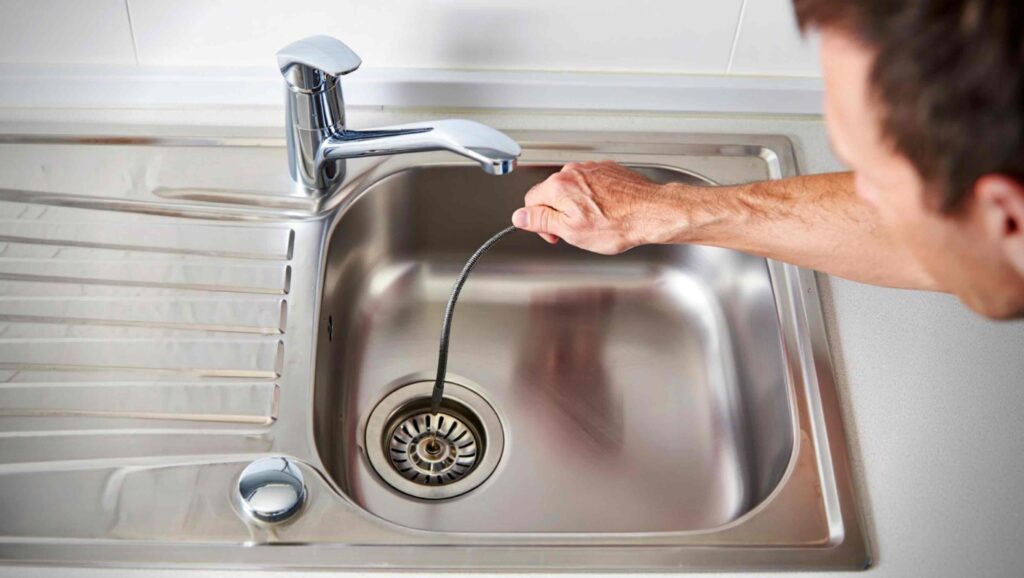
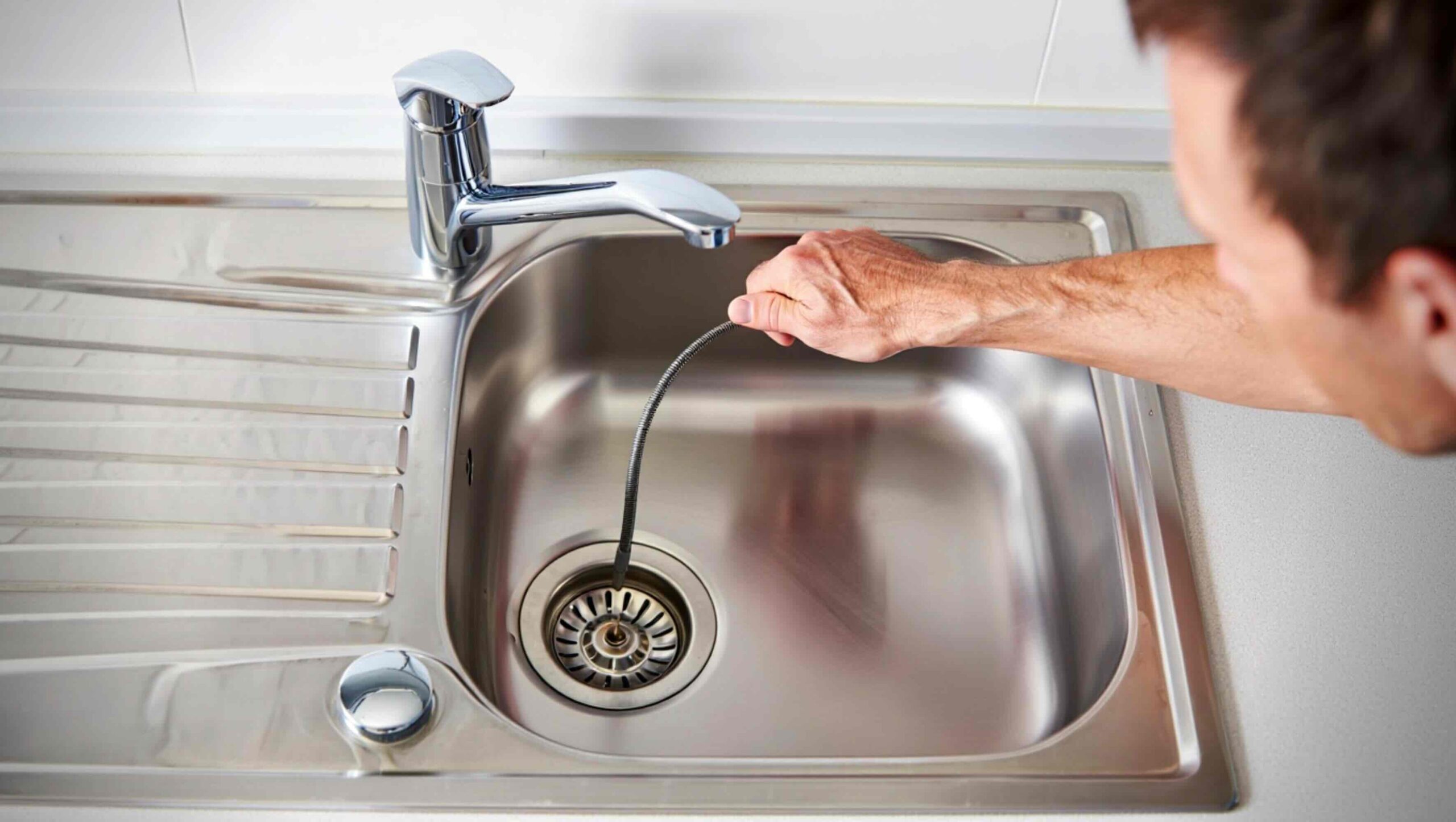
Tackling a clogged sink doesn’t necessarily require expensive chemicals or professional intervention. Several proven, safe techniques can be applied with commonly available tools and ingredients. The first strategy is boiling water—especially effective for fresh grease clogs. Slowly pour a kettle of hot water directly into the drain to dissolve and move residue through. If the clog persists, a mixture of baking soda and vinegar offers a chemical-free solution that can help dissolve organic buildup. Pour half a cup of baking soda, followed by one cup of vinegar. Let it sit for 15–30 minutes and then flush again with hot water. For more stubborn clogs, a plunger or drain snake can physically dislodge stubborn debris. Always remove the sink stopper before plunging, and create a solid seal around the drain.
When DIY Isn’t Enough
While DIY methods work in most cases, not all clogs are created equal. Some suggest deeper issues—such as multiple fixtures clogging at the same time, gurgling noises from neighboring drains, foul odors that persist, or complete non-performance even after multiple fixes. These warning signs can indicate a blockage deeper in your plumbing stack or even in the main sewer line. At this point, continued DIY attempts may do more harm than good. Using excessive force or abrasive tools like uncoated wire snakes can damage pipes. When you’re beyond surface solutions, a licensed plumber who can conduct an inspection and resolve the issue with professional tools like augers or hydro-jetting equipment becomes essential.
Key Advantages of DIY Sink Declogging
Aside from the satisfaction of troubleshooting your own home, DIY declogging has measurable advantages. It’s inexpensive, immediately actionable, and allows you to maintain control over your home’s systems in real time. It can also minimize disruption by resolving minor issues before they snowball into larger repairs. Having a go-to process for unclogging a sink can help you avoid unnecessary service calls, saving time and money while preserving your plumbing infrastructure. A proactive homeowner who performs routine maintenance extends the life of their systems, avoiding premature pipe replacements or sink fixture damage. Knowing when and how to act places you in the best position to protect both your plumbing and your wallet.
Drawbacks You Should Be Mindful Of
Despite its utility, DIY sink declogging does come with some caveats. Improper use of tools or materials can harm your plumbing. For example, overuse of chemical drain cleaners—while convenient—can corrode older pipes and generate toxic residue. Similarly, forcing tools into delicate pipes can loosen joints or perforate the pipe walls. Another risk lies in misidentifying the problem. A slow drain might actually be a symptom of a damaged vent pipe, not just a local clog. This kind of oversight can lead to ongoing water inefficiency or hidden leaks inside your walls. Even if a clog clears temporarily, if you’re repeatedly treating the same problem, you’re likely masking a larger systemic issue that warrants professional assessment.
Preventative Tips for Long-Term Drain Health
The most effective clogs to treat are the ones you never encounter. Consistent preventive care considerably lowers the chance of recurring blockages. Begin by installing mesh sink strainers to trap food particles and hair before they reach your pipes. Avoid disposing of grease or coffee grounds in kitchen drains—instead, collect them in heat-resistant containers and dispose of them in the trash. Regularly flushing your drains with hot water helps break down early-stage residue. Additionally, conducting quarterly maintenance with a baking soda and vinegar rinse keeps your pipes free-flowing without harsh chemicals. These small, deliberate habits reinforce your system’s integrity while reducing wear on your pipes and fixtures.
Why Armadillo Is Your Long-Term Partner in Home System Protection
Even when you’re vigilant, sometimes a sink clog is just the start. Home plumbing systems can surprise you—often at the worst possible moment. That’s where a reliable home warranty plan adds strategic value. With Armadillo, your investment is protected beyond the basics. We offer coverage that aligns with how homeowners really use their homes—prioritizing flexibility, simplicity, and smart protection. Whether it’s plumbing, major appliances, or home systems that need servicing, our plans help you budget, plan, and stress less when issues arise. Visit armadillo.one to learn more, or begin customizing your coverage based on your ZIP code using our intuitive plan builder tool. Because peace of mind isn’t just about fixing clogs—it’s about knowing you never face them alone.