Why Homeowners Are Rethinking How They Clean Wood Floors
Wood floors are one of those home features that can make or break how a space feels. They add warmth, character, and a sense of quality that most other flooring options simply cannot match. But maintaining them? That is where a lot of homeowners quietly struggle. Store-bought cleaners can be expensive, loaded with chemicals, and sometimes actually damaging to the finish over time. So naturally, people start looking for better options — and a DIY wood floor cleaner recipe tends to land near the top of that list. It works, it is affordable, and once you understand how it all comes together, it becomes second nature.
What Is a DIY Wood Floor Cleaner and How Does It Work
A DIY wood floor cleaner is a homemade cleaning solution made from household ingredients designed to safely clean sealed hardwood or engineered wood floors without stripping the finish or leaving residue behind. The most common recipe involves a simple combination of warm water, white distilled vinegar, and a small amount of dish soap — sometimes with a few drops of essential oil added for a pleasant scent. The vinegar acts as a mild acid that cuts through grime and bacteria, the soap helps lift oils and dirt from the surface, and the water dilutes everything to a safe, floor-friendly concentration. It is low-cost, easy to mix, and surprisingly effective when used correctly.
The Basic DIY Wood Floor Cleaner Recipe
Getting the recipe right matters more than most people expect. Too much vinegar and you risk dulling the finish over time. Too much soap and you end up with a streaky, filmy surface. Here is a reliable starting point that balances effectiveness with safety for most sealed hardwood floors.
- One gallon of warm water
- Half a cup of white distilled vinegar
- A few drops of mild dish soap — no more than two or three
- Optional: five to ten drops of essential oil such as lavender or tea tree for scent and added antimicrobial properties
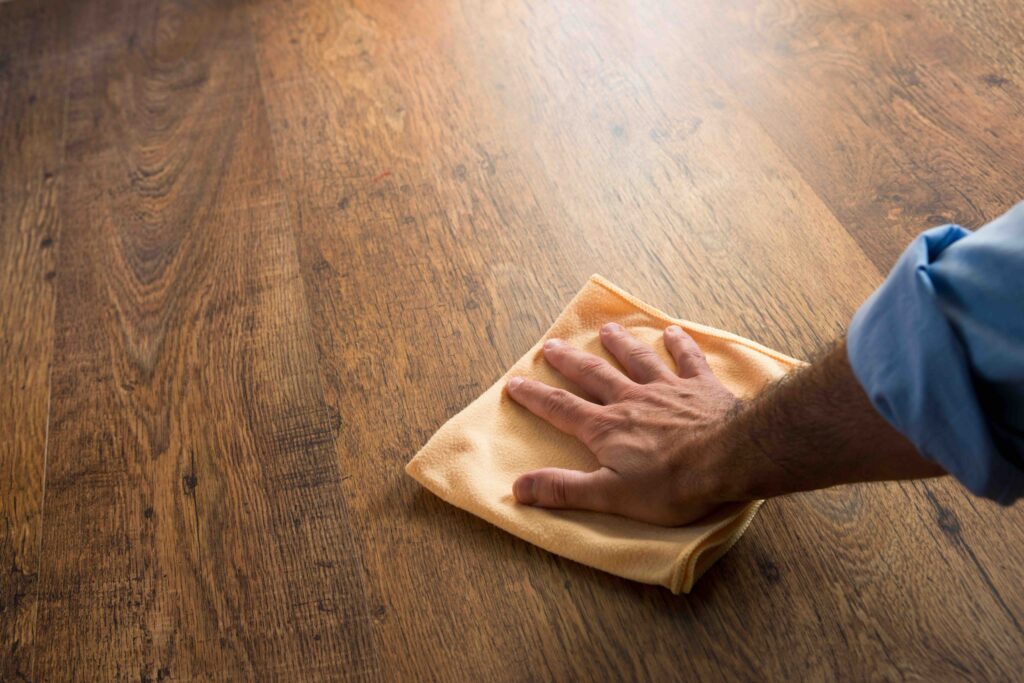
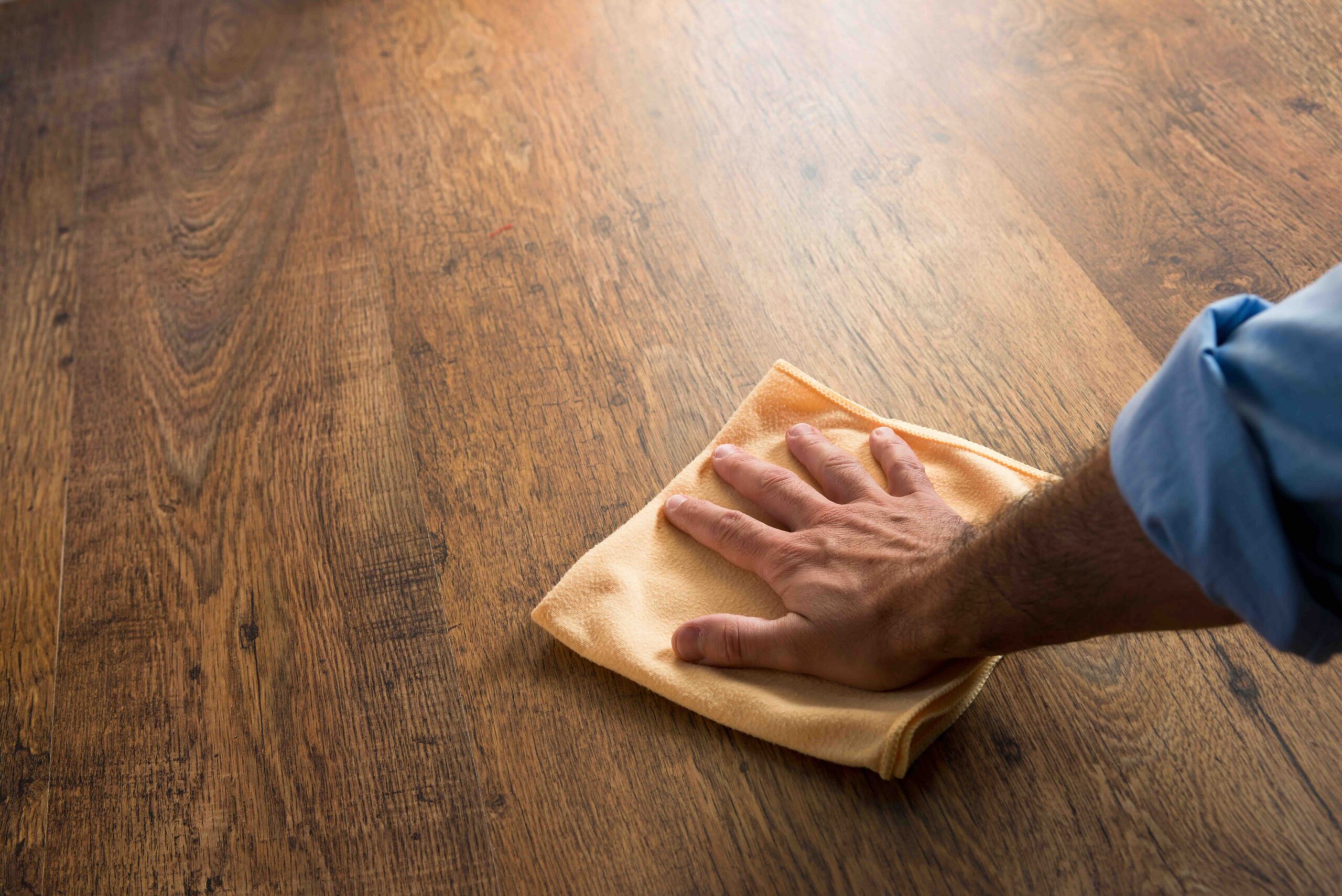
Mix everything together in a bucket or spray bottle. When mopping, always use a damp mop rather than a wet one. Excess moisture is the enemy of wood floors regardless of what cleaner you are using. Work in the direction of the grain and allow the floor to air dry quickly.
Key Advantages of Making Your Own Floor Cleaner
There are real, practical reasons why this approach has gained so much traction among homeowners. Beyond just saving money — which, honestly, adds up faster than most people realize — there are benefits that have nothing to do with cost. When you mix your own cleaner, you know exactly what is going on your floors. No mystery surfactants, no synthetic fragrances that trigger sensitivities, and no concern about whether the product is safe around kids or pets. You also get to control the concentration based on how dirty your floors actually are, which is something no pre-made product can offer. And because the ingredients are already in most kitchens, you are never caught without a cleaning option when you need one.
Common Drawbacks to Know Before You Start
This method is not without its limitations, and it is worth being honest about that upfront. Vinegar, despite being diluted, is acidic. Over time — especially with frequent use — it can gradually break down polyurethane finishes on hardwood floors. If your floors are older, unfinished, or waxed rather than sealed with a polyurethane coat, this recipe is not a good fit. In those cases, plain water with a drop of dish soap is a safer alternative. There is also the issue of streaking — if the mop is too wet or there is too much soap in the mix, you can end up with a dull, filmy surface that takes extra effort to correct. And if your floors have any deep scratches or areas where the finish has worn through, moisture from any liquid cleaner can seep into the wood and cause warping or swelling over time.

How to Tell If Your Wood Floors Are Safe to Clean This Way
Before using any homemade cleaner on your floors, a quick finish test can save you from unnecessary damage. Find a small, inconspicuous area — inside a closet or behind a door works well. Apply a small amount of the diluted solution and wipe it away with a clean cloth. Watch for any dulling, discoloration, or change in the surface texture. If everything looks the same after it dries, you are likely in good shape. If the finish looks hazy or feels softer than before, that is a sign to stop and reconsider your approach. It takes about two minutes and it is absolutely worth doing.
Tips for Getting the Best Results Every Time
Using the right recipe is only part of the equation. How you apply it matters just as much. A microfiber flat mop is far better than a traditional string mop because it holds less water and covers surface area more evenly. Always sweep or vacuum before mopping to avoid dragging grit across the surface, which can cause fine scratches over time. Change your mop water frequently if you are cleaning a large area — dirty water just redistributes grime. And if you are using a spray bottle instead of a bucket, mist lightly and buff with the mop rather than saturating any one section. Consistency in technique will extend the life of your floors considerably.
How Wood Floor Maintenance Connects to Your Home’s Overall Value
Here is the thing about wood floors that often gets overlooked — they are a significant component of your home’s value and appeal. Real estate professionals consistently note that well-maintained hardwood floors can increase a home’s resale value and attract buyers faster than comparable homes with worn or damaged flooring. So when you commit to a smart, regular cleaning routine using something as straightforward as a DIY cleaner, you are not just tidying up. You are actively protecting an investment. Paired with proper humidity control and routine inspections for damage or wear, that kind of consistent care adds up over the years in a very real way.
When DIY Maintenance Meets Home Warranty Coverage
Cleaning your floors the right way is squarely in homeowner territory — and that is a good thing. But there is a broader picture worth considering. While you are taking care of the cosmetic side of your home through smart maintenance habits, the systems and appliances running behind the scenes are aging at the same time. Your HVAC, plumbing, electrical systems, and major appliances all have a lifespan, and when something breaks unexpectedly, the cost can land hard. That is where a home warranty steps in — not to replace good maintenance, but to cover the mechanical failures that maintenance cannot prevent.
Why Armadillo Is the Right Partner for Homeowners Who Take Their Home Seriously
Homeowners who put thought into how they clean their wood floors are the same homeowners who want to feel protected when something bigger goes wrong. That mindset — proactive, informed, invested — is exactly who Armadillo home warranty coverage for homeowners is built for. Armadillo offers straightforward, transparent plans that cover the systems and appliances you rely on most, with no confusing fine print or surprise denials. When your water heater gives out or your HVAC stops working in the middle of July, the last thing you want is uncertainty. Armadillo removes that uncertainty. If you are ready to protect what you have worked hard to maintain, take a few minutes to get a personalized home warranty quote for your property and see exactly what coverage looks like for your home. Protecting your investment should be just as intentional as cleaning your floors.

Frequently Asked Questions About DIY Wood Floor Cleaners
Here are the questions homeowners ask most when exploring homemade cleaning solutions for hardwood and engineered wood floors.
Is vinegar safe to use on hardwood floors?
Diluted white vinegar is generally safe for sealed hardwood floors when used in small amounts and infrequently. However, repeated use over time can gradually dull polyurethane finishes, so it is best used sparingly and always heavily diluted with water.
How often should I clean my wood floors with a DIY solution?
For most households, a damp mop with a homemade cleaner once every one to two weeks is sufficient. High-traffic areas may need more frequent attention, but over-mopping any wood floor can introduce excess moisture and lead to warping.
Can I use this recipe on engineered hardwood floors?
Yes, with caution. Engineered hardwood has a real wood veneer on top that can be sensitive to moisture and acidic cleaners. Use the most diluted version of the recipe possible and always test in a hidden area first.
What should I avoid putting on wood floors?
Avoid steam mops, undiluted vinegar, bleach, ammonia-based cleaners, and excessive water. All of these can strip finishes, cause warping, or leave permanent damage on wood surfaces.
Will essential oils damage wood floor finishes?
When used in small amounts — five to ten drops per gallon of solution — essential oils are generally safe and will not harm sealed wood finishes. Avoid using undiluted essential oils directly on the floor surface.
What type of mop works best for wood floors?
A microfiber flat mop is the best option for wood floors. It holds significantly less water than traditional string mops, distributes the cleaning solution evenly, and is gentle enough to avoid scratching the surface finish.
How can I tell if my wood floors have a polyurethane finish?
Rub your finger across the floor surface. If it leaves no mark and the surface feels hard and plastic-like, it is likely polyurethane sealed. If it feels waxy or your finger leaves a slight smear, the floor may be waxed and requires a different cleaning approach.
Does a home warranty cover damage to wood floors?
Standard home warranty plans typically cover mechanical systems and appliances rather than flooring surfaces. However, if a covered system failure — such as a plumbing leak — causes damage to your floors, that may be addressed through a homeowners insurance claim rather than a warranty.
Can I add too much soap to the DIY cleaner recipe?
Yes. Adding too much dish soap is one of the most common mistakes with this recipe. Even a small excess can leave a filmy, streaky residue that is difficult to remove and can dull the floor’s appearance over time. Stick to two or three drops per gallon at most.
How does regular floor maintenance relate to home warranty coverage?
Regular maintenance is a sign of responsible homeownership and is often a factor in warranty eligibility for covered systems and appliances. While floor cleaning does not directly impact warranty claims, maintaining your home holistically helps ensure that when you do file a claim, it holds up without complications.