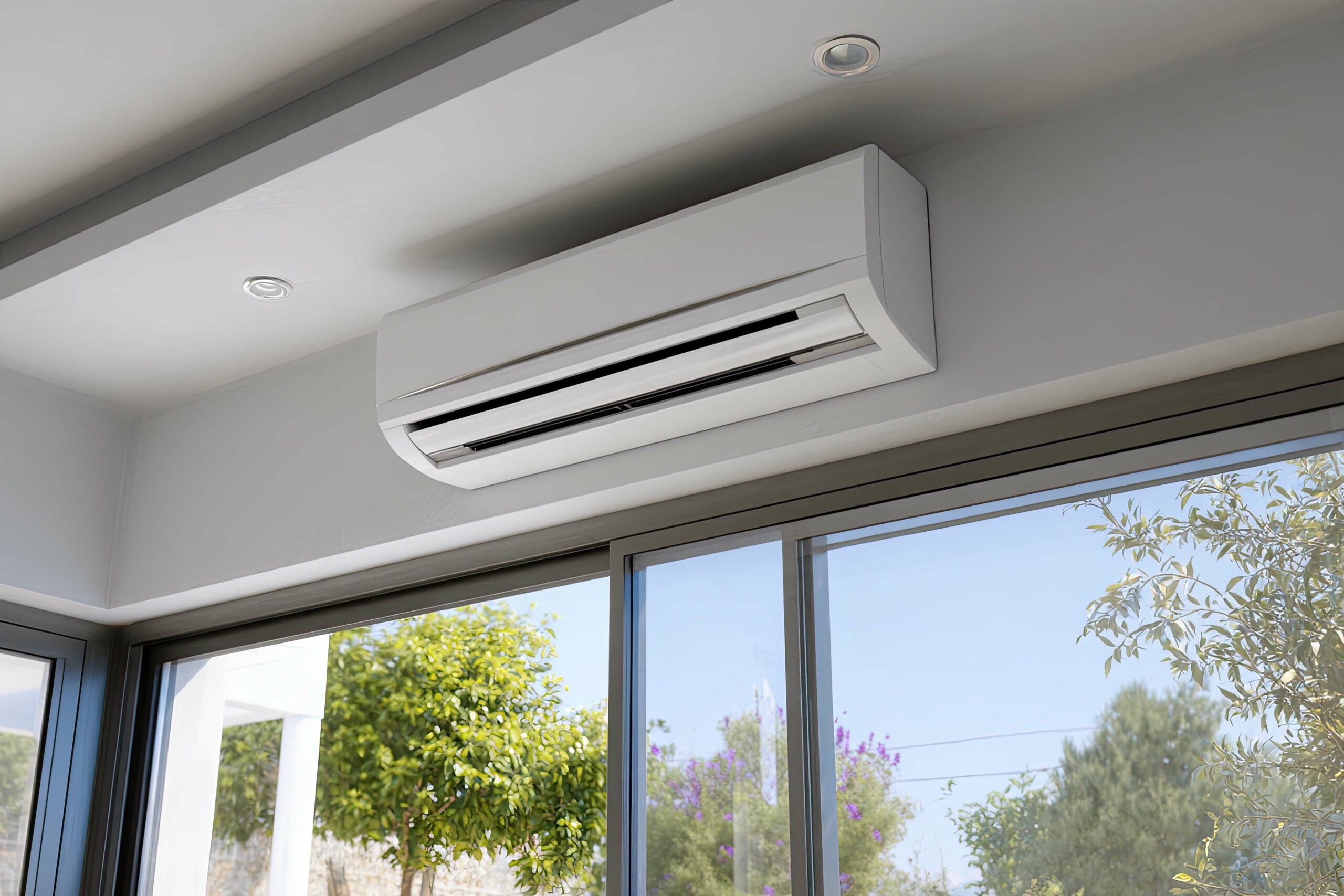
Do AC Units Need to Be Recharged and Grounded? What Every Homeowner Should Know
Your home’s HVAC (Heating, Ventilation, and Air Conditioning) system quietly works behind the scenes to protect you from the extremes of weather. But when something feels off—maybe the air isn’t as cool anymore or the electric bill spikes—a few familiar questions tend to surface. Do AC units need to be recharged? Are they supposed to be grounded? These are practical concerns for homeowners aiming to keep their systems in peak form, especially within the context of home warranties. Understanding how air conditioning systems actually function and what they require to do their job well can help you make cost-effective, comfort-preserving decisions.
Understanding Air Conditioning Systems: Refrigerant, Circuitry, and Balance
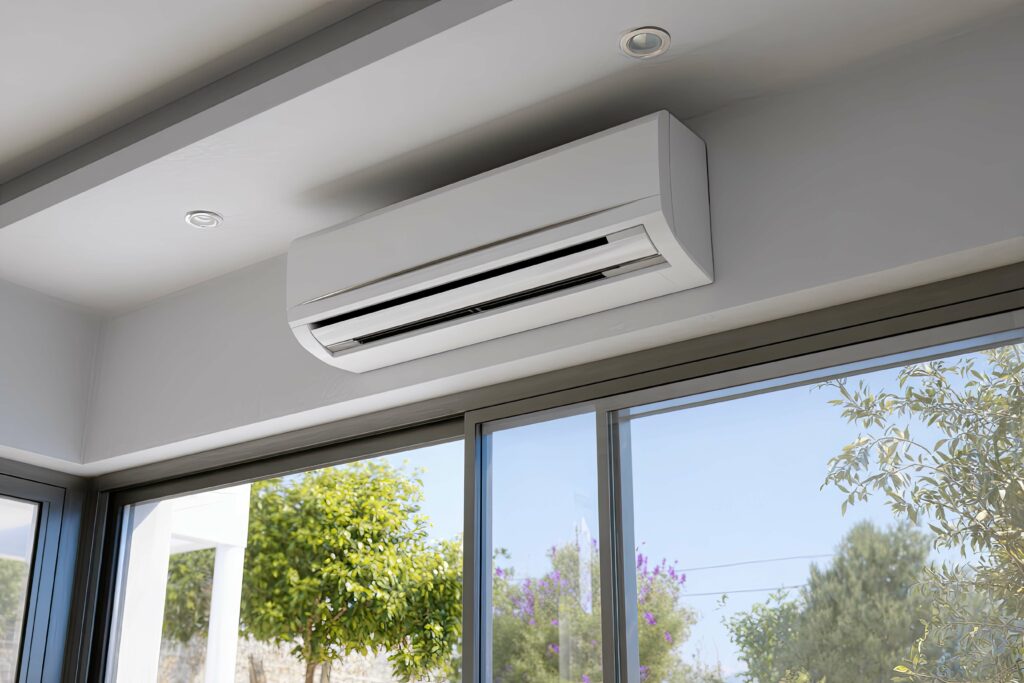
At its core, an air conditioning unit cools your home by cycling a chemical compound known as refrigerant through compression and expansion. This process absorbs heat from inside the home and releases it outside. The refrigerant remains sealed within a closed-loop system that includes coils, a compressor, and expansion valves. Unless there’s a leak in the line, you should never need to recharge it.
Grounding, on the other hand, refers to safely directing any unwanted electrical energy away from your unit and into the ground. It’s a critical safety feature designed to protect you from electrical shock, prevent fires due to electrical surges, and ensure your system operates correctly within the home’s larger electrical framework.
Recharge Needs: Misconceptions and Technical Realities
An AC unit doesn’t consume refrigerant like a car consumes gasoline. It’s a permanent fluid meant to circulate continuously. If you’ve been told your unit needs a recharge, this indicates a compromise in the system—most often a refrigerant leak. While recharging may restore temporary function, the underlying problem must be identified and repaired. Ignoring this damages the compressor, which could turn a minor fix into a costly replacement.
In the home warranty space, maintenance-related issues like routine filter changes or clearing exterior coils typically fall outside coverage. However, system component failures, such as compressors or refrigerant leaks caused by normal wear and tear, may be covered—depending on your warranty provider. That’s why identifying whether a recharge is a temporary solution or the symptom of something deeper is central to long-term cost management.
Grounding the Unit: Critical for Safety and System Longevity
If your AC unit isn’t properly grounded, you run more than a small risk. Grounding ensures that during a power surge or lightning strike, excess electricity is funneled safely. Without a grounding wire, that energy looks for any nearby conductor—metal components in your unit, your electrical system, or worst-case scenario, you. Beyond personal safety, improper grounding interferes with electronic circuit boards inside modern AC units. These integrated control systems are sensitive to voltage fluctuations and may fail entirely if subject to unregulated electrical currents.
Grounding isn’t optional. It’s code. A licensed HVAC technician or electrician ensures your outdoor condenser unit connects to a reliable grounding path, and inspections should include verification of this connection. What does this have to do with a home warranty? Quite a bit, actually. Many warranty providers require that home systems are professionally installed and meet all code requirements. Without proper grounding, you risk a denied claim down the road if something does go wrong.
Common Reasons for Loss of Cooling Efficiency
Refrigerant leaks and poor grounding are only part of the story. Homeowners often report weak airflow or reduced cooling that doesn’t trace back to either issue. Dirty filters, blocked condenser fins, or even incorrect thermostat settings may be at play. Diagnosing the source of an issue requires a professional tune-up. If your technician reports “low refrigerant,” ask for specifics—such as pressure readings, evidence of a leak, and where the breach is likely located.
Also, check whether the decline in performance follows a lightning storm or power outage. Sudden losses in cooling combined with a disabled thermostat may point more strongly to electrical grounding issues than refrigerant loss. Knowing what to ask your technician—and your home warranty provider—empowers you to make clear next steps rather than costly guesses.
When Recharging Becomes Necessary and What It Indicates
The only reason to recharge an air conditioner is a refrigerant leak, and any experienced technician will tell you that recharging without first repairing the leak is a temporary fix at best. Depleted refrigerant strains the compressor, lowers efficiency, and increases your electric bill. Most tellingly, the same cooling problem will return—unless the underlying leak is repaired. This can happen even in relatively new units, especially if the system was initially over-charged or poorly installed.
Regulations surrounding refrigerants like R-22 have tightened, making them expensive or impossible to restock. If your unit uses legacy refrigerant, repair can quickly approach the cost of replacement. A modern HVAC system using newer refrigerants like R-410A is preferable. Home warranties vary, so understanding component eligibility—particularly refrigerant coverage—before repairs are needed is vital to financial planning.
Home Warranty Implications: What You’re Covered for and Where It Gets Tricky
Most home warranties cover AC components that fail due to normal wear, but routine maintenance and installation errors are generally excluded. This distinction is vital. A refrigerant recharge caused by a detectable leak is usually covered under a well-structured plan. However, recharging without addressing the originating failure—or poor grounding during system installation—can void coverage.
Homeowners should check that their systems are code-compliant and that all electrical work is inspected. Grounding, in particular, is rarely revisited after the initial install, but periodic checks during annual service inspections are recommended. In terms of warranty, confirming grounding integrity can separate a covered compressor failure from an out-of-pocket replacement.
Why Armadillo is the Advantage You Didn’t Know You Needed
Air conditioning units are critical to home comfort—and not inexpensive to replace. Refrigerant leaks, compressor failures, and control panel issues can add up quickly, especially when paired with system errors rooted in poor grounding. Choosing a proactive, flexible home warranty provider like Armadillo means you’re not left second-guessing coverage specifics when your home is heating up and your options are cooling off.
Armadillo goes beyond typical coverage by offering fast, digital-first support and plans tailored to how real people live, not just how systems fail. Their smart plan builder evaluates your location, system type, and home footprint for optimal protection. Explore all the ways Armadillo can help you stay ahead of HVAC surprises at https://www.armadillo.one or start designing your personalized home warranty plan with the Plan Builder tool at https://app.armadillo.one/plan-builder?current=zip. Get ahead of potential breakdowns—and back to breathing easy.