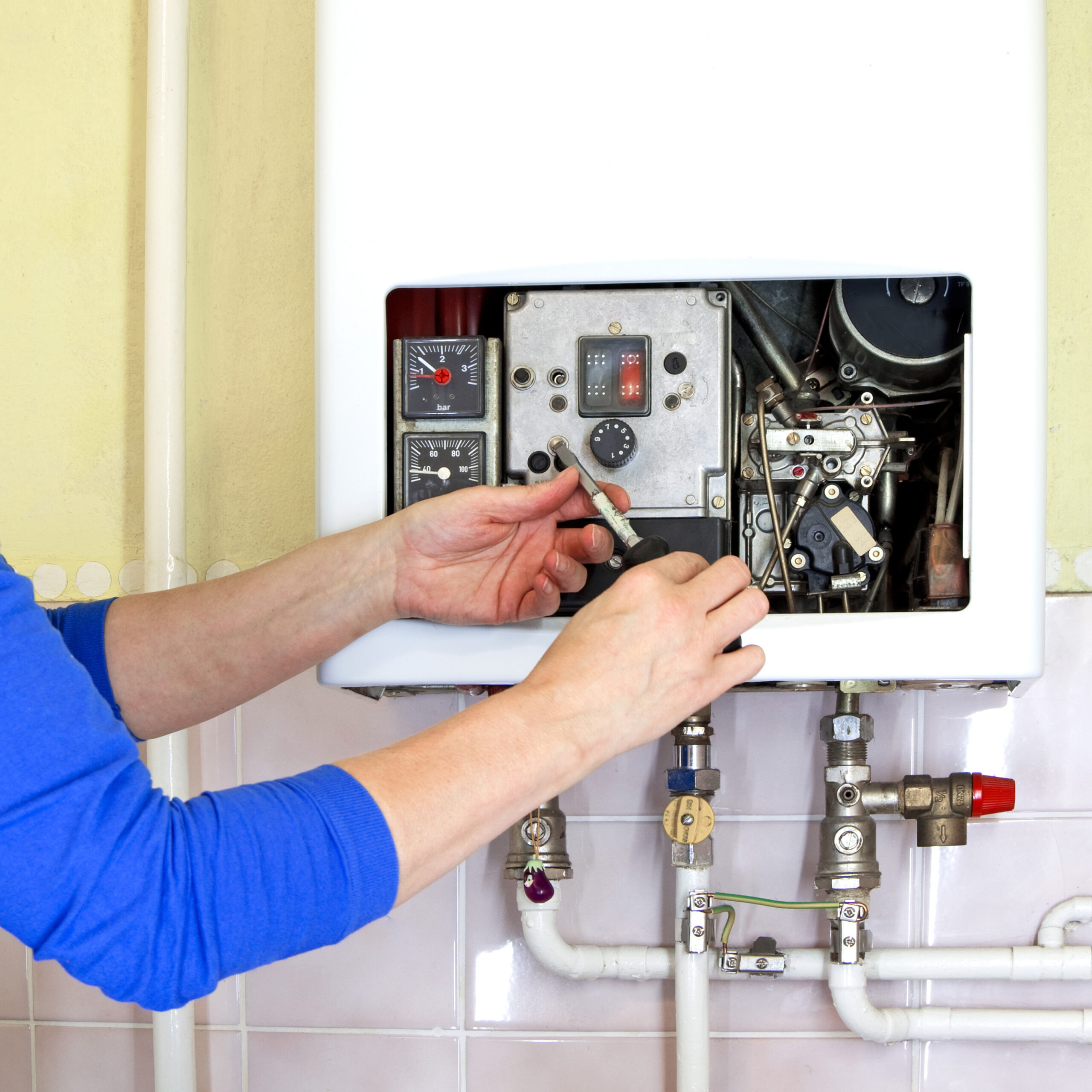
Do Tankless Water Heaters Actually Need Maintenance? Here Is What Homeowners Should Know
Tankless water heaters have earned a strong reputation for efficiency, longevity, and on-demand hot water delivery. But somewhere along the way, a misconception took hold — that these units are essentially maintenance-free. That is not entirely accurate, and if you own one or are thinking about making the switch, this is worth understanding before something goes wrong. Tankless systems are genuinely impressive pieces of home technology, but they do require regular attention to perform the way they are supposed to. Skipping maintenance does not just shorten the life of the unit — it can affect water quality, energy efficiency, and the cost of repairs down the line.
How a Tankless Water Heater Actually Works
Unlike traditional tank-style heaters that constantly heat and store a reservoir of water, tankless units heat water only when you need it. Cold water flows through the unit, passes over a heat exchanger powered by either gas or electricity, and arrives at your faucet or shower hot and ready. That process happens in a matter of seconds. Because there is no standing water being kept warm around the clock, the energy savings can be significant — often in the range of 24 to 34 percent more efficient than conventional storage heaters for homes that use a moderate amount of hot water. It is an elegant system, but the heat exchanger at the center of it all is vulnerable to mineral buildup over time, which is the primary reason maintenance cannot be skipped.
The Core Maintenance Issue: Mineral Scale Buildup
If your home has hard water — and roughly 85 percent of homes in the United States do — calcium and magnesium minerals are dissolved in your water supply. Every time water passes through your tankless heater, small amounts of those minerals are left behind on internal components, especially the heat exchanger. Over time, this buildup is called scale, and it acts like insulation in the worst possible way. The unit has to work harder to heat water through that mineral layer, efficiency drops, and components begin to degrade faster than they should. In severe cases, scale buildup can cause the heat exchanger to crack or fail — which is not a cheap repair and is sometimes not covered under warranty if maintenance records are absent.
What Regular Tankless Water Heater Maintenance Actually Involves
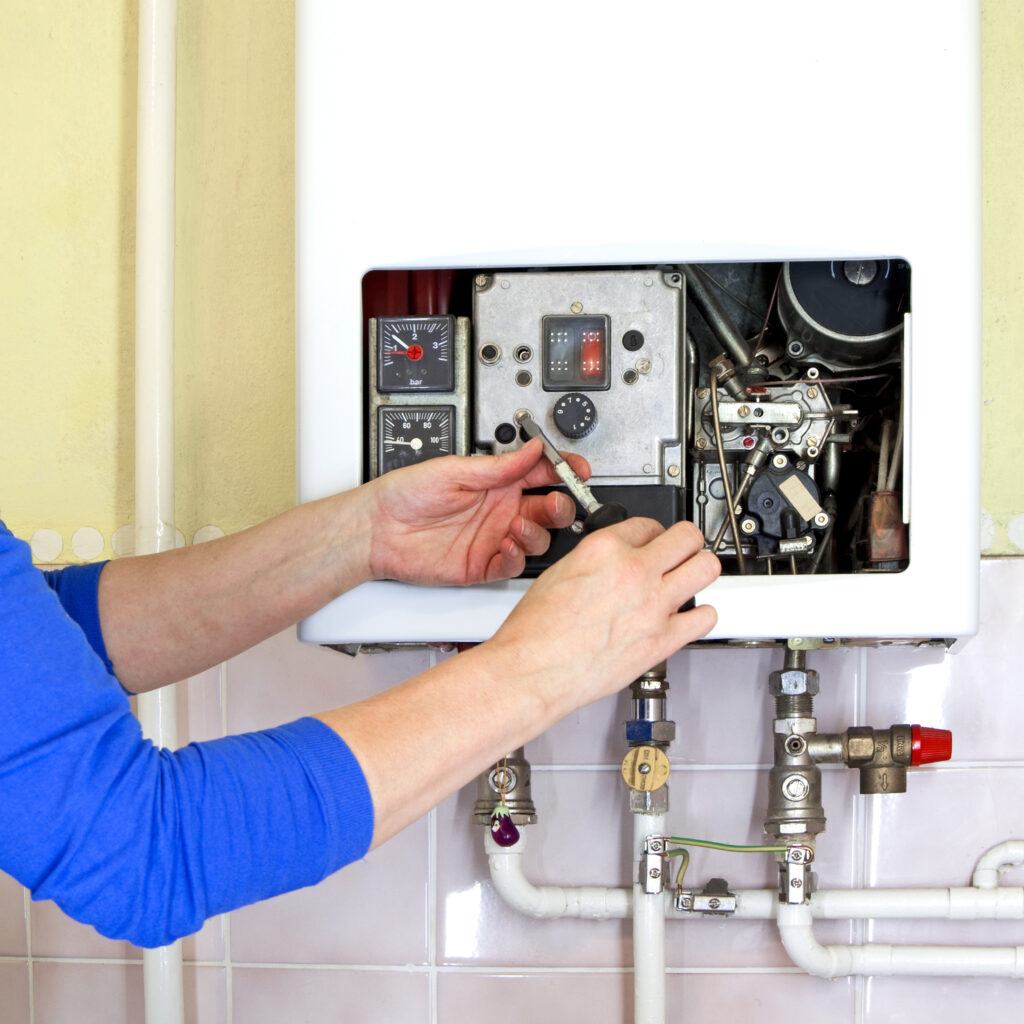
Maintaining a tankless water heater is not complicated, but it does require consistency. Most manufacturers and plumbing professionals recommend a full service at least once per year, and in areas with very hard water, twice annually is smarter. Here is what a standard maintenance routine typically includes:
- Flushing and descaling the heat exchanger with a food-grade white vinegar solution or approved descaling agent
- Cleaning or replacing the inlet filter screens to prevent sediment from entering the unit
- Inspecting the venting system for obstructions, corrosion, or disconnected sections on gas models
- Checking the pressure relief valve to confirm it is operating correctly
- Testing for error codes through the unit’s built-in diagnostics if applicable
- Inspecting the burner assembly on gas units for signs of wear or improper combustion
Some homeowners handle the descaling process themselves using a pump flush kit. Others prefer to call a licensed plumber. Either approach works, but documentation of that maintenance matters — especially when warranty claims come into play.

How Often Should You Schedule Service?
Annual maintenance is the standard recommendation, but the right schedule depends on a few factors specific to your home. Water hardness is the biggest variable. If you are on a municipal supply with very hard water or using a private well, you may want to flush the system every six months. If you have a whole-home water softener already installed, annual flushing may be sufficient. Usage volume matters too — a household of six people running hot water constantly puts more demand on the system than a couple in a smaller home. When in doubt, lean toward more frequent service rather than less. The cost of a descaling session is a fraction of what it costs to replace a heat exchanger or the entire unit.
Signs Your Tankless Water Heater Needs Attention Now
Regular maintenance keeps problems from developing quietly, but sometimes a tankless heater will signal that something is already off. Pay attention if you notice any of the following. Longer wait times for hot water, inconsistent water temperatures, unusual noises like popping or rumbling during operation, error codes appearing on the display panel, visible corrosion around fittings or connections, or a noticeable drop in water pressure from fixtures that previously performed well — all of these are worth investigating. A unit throwing error codes should not be ignored. Most modern tankless heaters have sophisticated diagnostic systems, and those codes exist to give you useful information before a small issue becomes an expensive one.
The Connection Between Maintenance and Home Warranties
This is where a lot of homeowners run into problems. Home warranties often cover the repair or replacement of major home systems and appliances, including water heaters. But coverage is typically contingent on the homeowner having maintained the equipment properly. If a tankless water heater fails and the cause is traced back to severe scale buildup that was never addressed, a warranty provider may deny the claim on the grounds of neglect. It is not a technicality designed to be difficult — it is a standard clause that reflects a reasonable expectation. Equipment that is maintained properly lasts longer and fails for legitimate mechanical reasons rather than avoidable ones. Keeping maintenance records, whether receipts from a plumber or a log of your own flush dates, is something every homeowner should do as a matter of routine.
Tankless vs. Traditional Water Heaters: Maintenance Compared
Traditional tank-style water heaters also require maintenance — sediment flushing, anode rod replacement, pressure relief valve checks — so the comparison is not as simple as tank units being harder to maintain. Both types need attention. What sets tankless units apart is the precision of their components. A heat exchanger is a more technical part than a simple storage tank, and when it fails, the repair cost tends to be higher. That said, tankless heaters also have a significantly longer lifespan — often 20 years or more with proper care versus 10 to 15 years for a traditional tank. The investment in routine maintenance pays off over that extended lifespan in reduced energy bills and avoided replacement costs.
Practical Tips for Extending the Life of Your Tankless Water Heater
There are a handful of straightforward habits that make a meaningful difference over the long run. Installing a whole-home water softener or a dedicated scale inhibitor on the cold water inlet reduces mineral buildup significantly. Setting the unit’s temperature to around 120 degrees Fahrenheit is both energy-efficient and reduces stress on the system. Ensuring proper venting clearances on gas units prevents combustion problems. And scheduling your annual maintenance appointment at the same time each year — perhaps in the fall before heavy winter usage — makes it easier to stay consistent. Treat it the way you would treat an HVAC tune-up. It is not glamorous, but it protects an appliance that your household depends on every single day.
Why Armadillo Is the Right Partner for Protecting Your Water Heater and Home Systems
Maintaining a tankless water heater is smart homeownership. Pairing that maintenance with the right home warranty coverage is even smarter. When components fail despite your best efforts — and eventually, they do — the financial impact can be significant without a plan in place. Armadillo was built specifically to give homeowners straightforward, transparent coverage that actually works when you need it. If you are looking for a home warranty that covers tankless water heater repairs and major home systems, Armadillo offers plans designed around real homeowner needs without the confusing fine print that makes other providers frustrating to deal with. Getting started takes minutes, and the peace of mind is immediate. You can get a free home warranty quote that includes water heater coverage right now and see exactly what protection looks like for your specific home. Maintenance keeps your system running — Armadillo helps cover what happens when it does not.

Frequently Asked Questions About Tankless Water Heater Maintenance
How often does a tankless water heater need to be flushed?
Most manufacturers recommend flushing a tankless water heater at least once per year. Homes with hard water or high usage may benefit from flushing every six months to prevent significant mineral scale accumulation.
Can I flush my tankless water heater myself?
Yes. With a submersible pump, hoses, and food-grade white vinegar or a commercial descaling solution, many homeowners flush their own systems successfully. However, if you are not comfortable with the process, hiring a licensed plumber ensures the job is done correctly and provides documentation.
What happens if you never maintain a tankless water heater?
Without maintenance, mineral scale builds up on the heat exchanger, reducing efficiency and eventually causing component failure. Neglect can also void the manufacturer’s warranty and may result in a denied home warranty claim.
Does hard water damage tankless water heaters faster?
Hard water accelerates scale accumulation inside the unit, which increases wear on the heat exchanger and reduces overall efficiency. Installing a water softener or scale inhibitor is one of the most effective ways to extend the lifespan of a tankless heater in hard water areas.
How long does a tankless water heater last with proper maintenance?
A well-maintained tankless water heater typically lasts 20 years or more. Without regular service, that lifespan can be cut significantly shorter depending on water quality and usage patterns.
Are tankless water heaters covered by home warranties?
Many home warranty plans do include water heater coverage, including tankless models. Coverage terms vary by provider, and most require that the homeowner has properly maintained the unit. Always review your plan details to confirm what is included.
What does a professional tankless water heater service include?
A professional service typically includes descaling the heat exchanger, cleaning inlet filter screens, inspecting the venting system, checking the pressure relief valve, testing for error codes, and examining the burner assembly on gas-powered units.
Is a tankless water heater more efficient than a traditional tank model?
Yes, in most household scenarios. Tankless heaters only activate when hot water is needed, eliminating the standby energy loss associated with keeping a full tank of water continuously heated. The efficiency advantage typically ranges from 24 to 34 percent for moderate-use households.
What error codes on a tankless water heater mean I need service immediately?
Error codes related to ignition failure, overheating, flow sensor issues, or system lockouts typically indicate that professional attention is needed right away. Refer to your unit’s manual for code-specific guidance, and do not continue to use the unit if it displays a lockout code.
Will a water softener eliminate the need to flush my tankless water heater?
A water softener significantly reduces mineral buildup and can extend intervals between flushes, but it does not eliminate the need for maintenance entirely. Annual inspections are still recommended to check other components and ensure the system is operating properly.