Do You Really Need an Outdoor AC Cover for Winter? A Homeowner’s Guide
When preparing your home for winter, you probably think about sealing windows, insulating pipes, and checking your furnace. But what about your outdoor air conditioning unit? While it may not be in use during the cold months, it doesn’t simply switch off its need for protection. Covering your outdoor AC unit during winter sparks a mix of opinions among homeowners and HVAC professionals alike. So let’s break it down clearly: what does an outdoor AC cover do, how does it work, what are the potential gains, and—just as critically—what are the possible downsides?
What Is an Outdoor AC Cover?
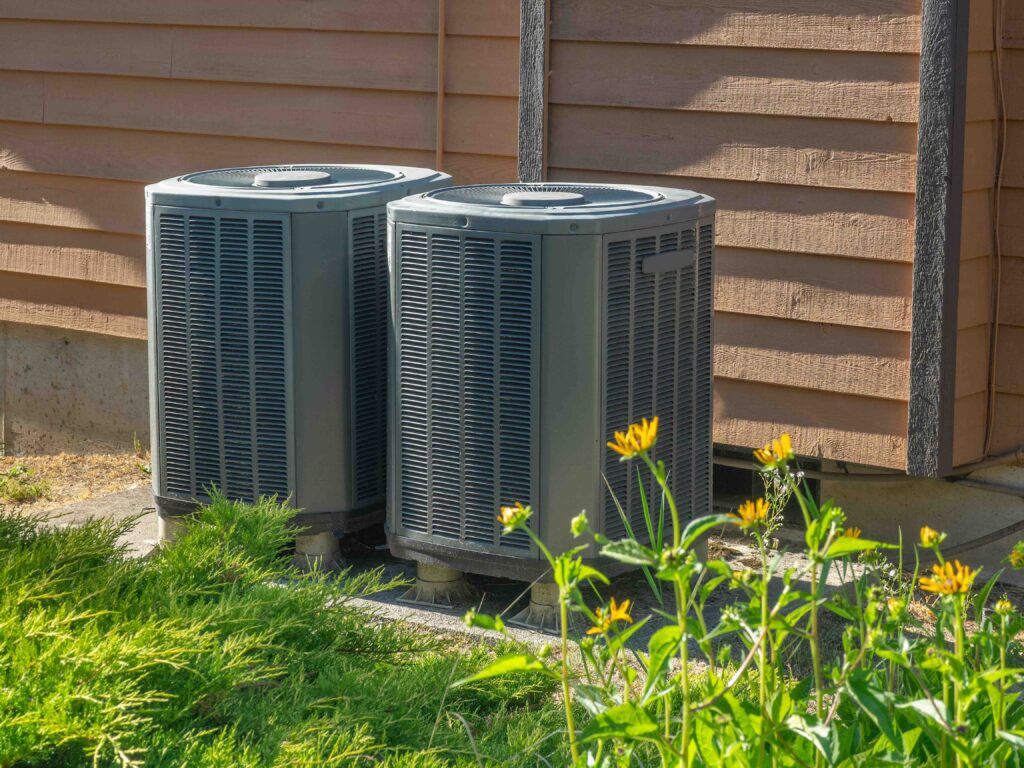
An outdoor AC cover is a protective barrier, often made of vinyl, polyester, or sturdy fabric, designed to shield your air conditioner’s exterior unit—commonly referred to as the condenser—from environmental threats in the off-season. Its core function is to prevent accumulation of debris like twigs, leaves, or ice that might clog coils or cause corrosion. While seemingly unassuming, this simple accessory intersects with broader topics in home maintenance, HVAC performance, and even your home warranty coverage.
How an AC Unit Functions—and Why Covers Enter the Picture
Your air conditioning system includes both indoor and outdoor components. The outdoor unit is crucial—it handles heat expulsion in the cooling cycle. While dormant in the winter, this unit remains exposed to the elements. Snow, freezing rain, and falling debris can settle on or within the unit over the months it’s not in use. In theory, that’s the driving rationale behind the AC cover: by limiting exposure, you preserve the integrity of coils and fans, reduce the risk of rust, and protect against accidental damage. However, it’s not as simple as covering and forgetting.
The Practical Advantages of Using an Outdoor AC Cover
Let’s start with what works. A high-quality, well-ventilated cover can extend the lifespan of your condenser unit. Especially in regions with heavy snowfall, the accumulation of ice or snowpack directly on the metal components can gradually erode material integrity. Covers also keep out leaves and acorns that might otherwise settle into the housing or get caught in fan blades. Even more subtle: windblown dirt getting trapped in or behind the unit fins can contribute to gradual wear. If your HVAC system is under a home warranty plan, consistently using a cover could also demonstrate responsible maintenance—a potential plus should a service claim arise.
Drawbacks and Risks of AC Unit Covers
Here’s where attention to detail really matters. Not all AC covers are created equal. Poorly fitted or non-breathable covers, especially plastic tarps or homemade wraps, can trap moisture instead of keeping it out. That internal condensation, when it freezes and thaws repeatedly, is more harmful than snowlanding gracefully on uncovered unit fins. This moisture can lead to mold growth, rust, and compromised electrical components. There’s also the risk of making the condenser a winter nesting ground for rodents and insects—that cozy little dome often seems like an upgrade from the standard burrow. So while using a cover sounds preventive, it only works well when used correctly and matched to your unit’s model and climate conditions.
Do You Even Need a Cover? Regional Considerations
Your local climate should guide your decision. Homeowners in northern states with frequent heavy snowfall have more justification for seasonal AC covers. But for milder climates—where winter largely means rain, not prolonged snow—your unit may be built to handle the temperature shift without added protection. Modern condensers are manufactured with durable, weather-resistant materials designed for year-round exposure, which makes some experts argue that a cover is more likely to do harm than good if not maintained properly. However, a partial cover—like a top-only design that shields from vertical snow and debris while allowing ventilation—strikes a middle ground that suits many climates.
Best Practices for Covering Your Outdoor Unit
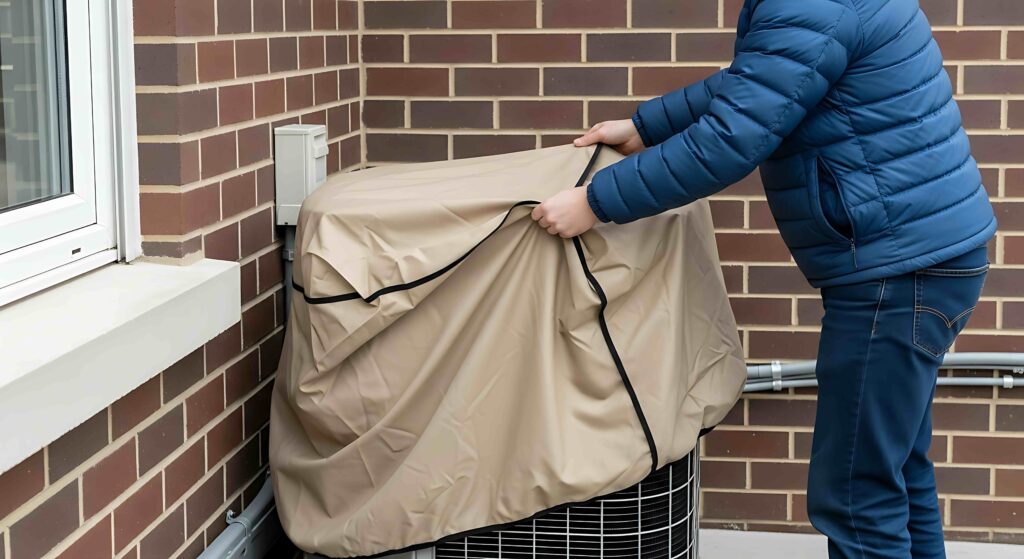
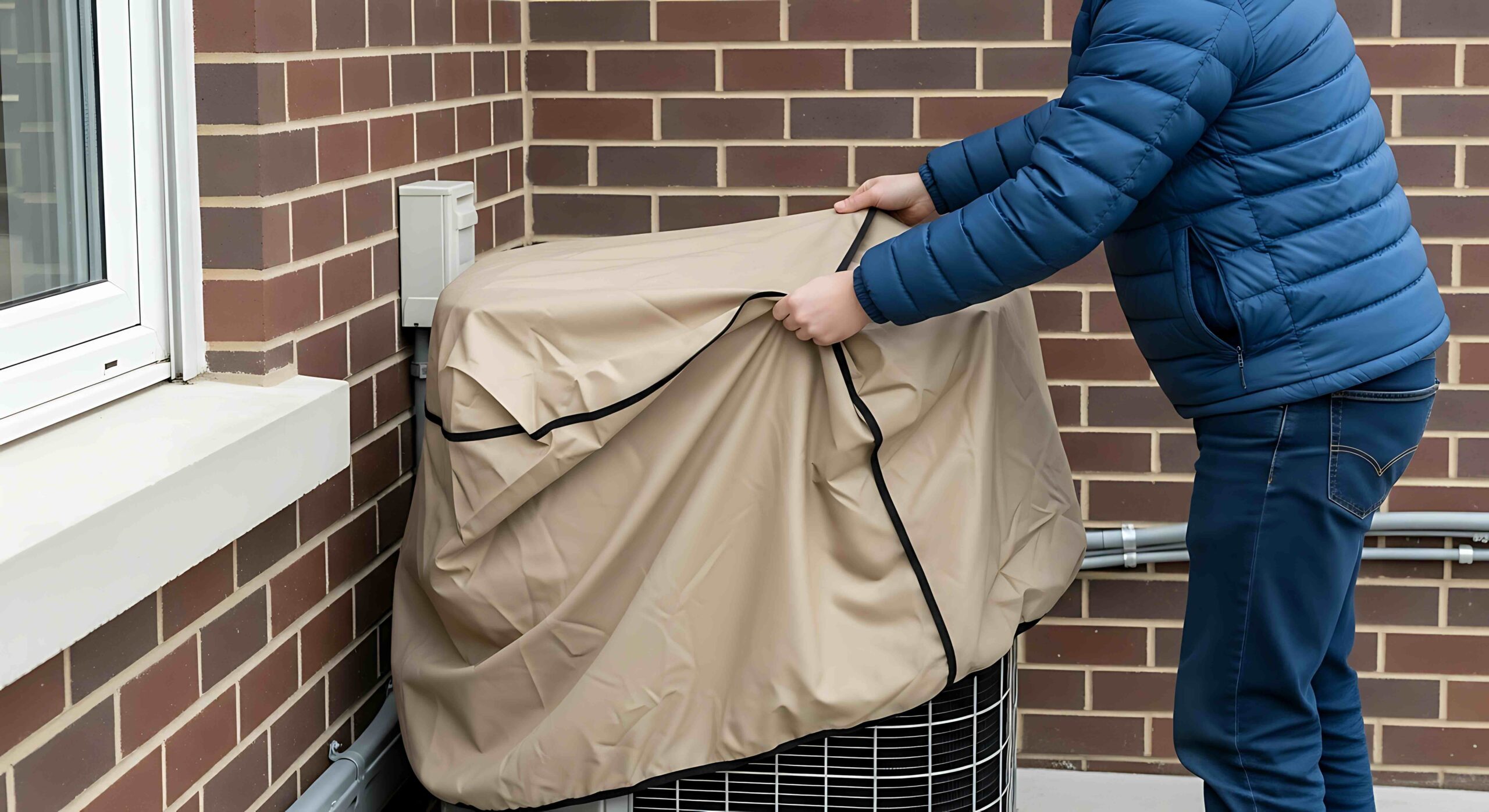
If you do use an AC cover, opt for one specifically designed for HVAC units. Look for breathable fabric, snug but not tight fit, and side openings or mesh panels that allow airflow while keeping out solid intruders. Avoid securing with ropes or bungee cords that can damage the unit’s finish. Clear the surrounding area of branches and brush to reduce the chance of debris flying under the cover. Periodically check under the cover during the winter—not frequently, but enough to ensure no nesting or pooling water is building up. And once spring returns, remove the cover early to prevent moisture buildup during thaw and rain cycles.
Home Warranty Considerations for HVAC Maintenance
A home warranty plan can provide crucial protection for your HVAC system, but it’s important to understand that coverage hinges on regular maintenance. That includes seasonal checks and preventive steps like winterization. If your condenser becomes corroded due to preventable exposure or rodent damage, warranty providers may challenge the validity of your claim. Keeping photo records of your covered unit, retaining product info for the cover used, and noting final inspection dates can help reinforce that you took reasonable care. Warranty plans may not require AC covers explicitly, but taking protective steps as part of a broader HVAC strategy definitely supports your claim history and experience as a diligent homeowner.
Protect More Than Just Your HVAC System
Outdoor AC covers offer simple, conditional protection—when chosen wisely and used under the right circumstances. They illustrate a small part of the bigger picture where proactive homeownership intersects with long-term cost control. With a home warranty from Armadillo, you help ensure that when your HVAC, water heater, or other home systems need repair, you’re not alone. Armadillo’s streamlined coverage plans support homeowners who invest in regular maintenance, yet understand that unexpected breakdowns still happen. To explore coverage options that align with your home’s needs and seasonal demands, visit www.armadillo.one. Ready to build your customized protection plan? Start now at our plan builder and take smart home care to the next level.