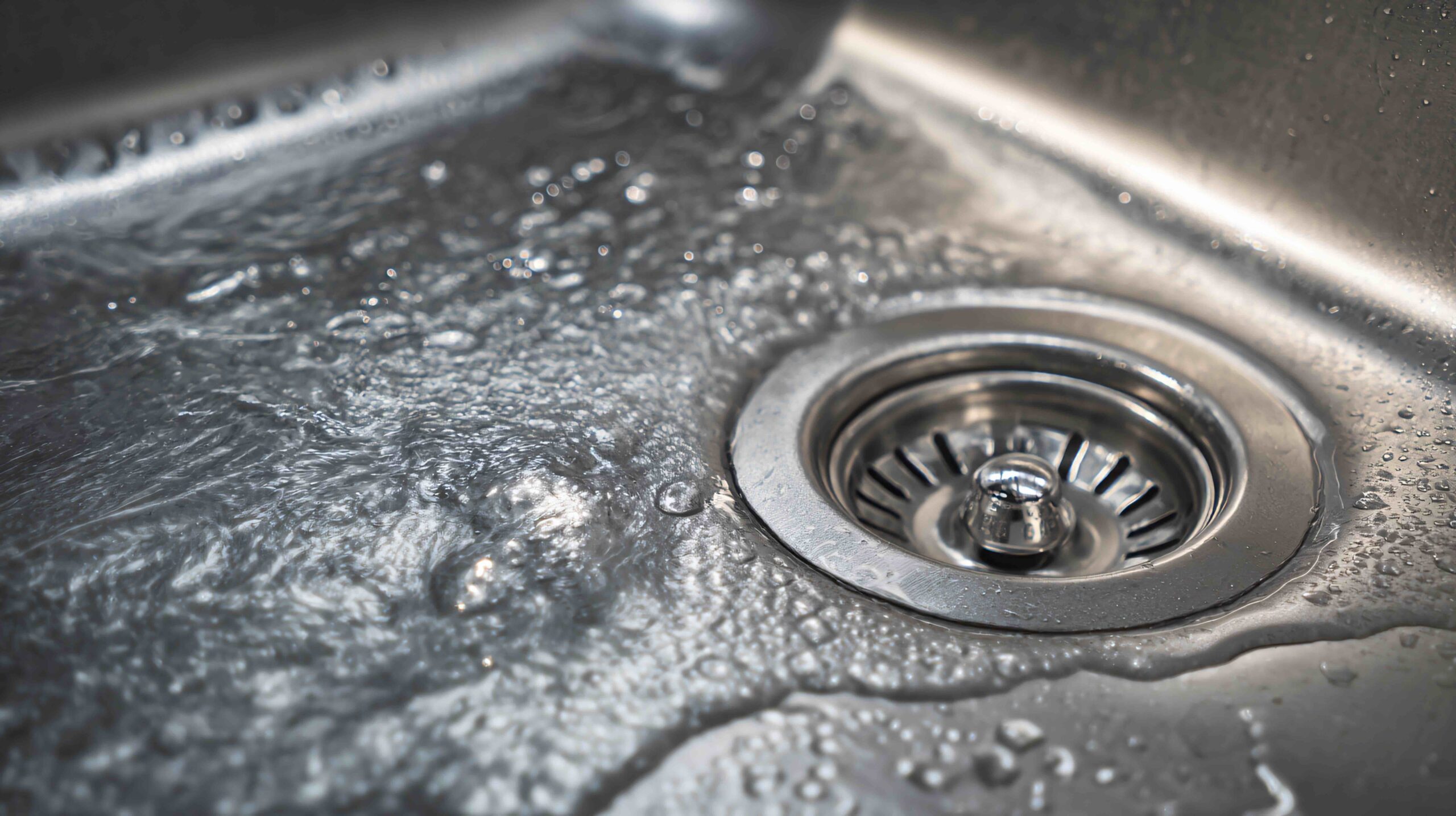
Does Salt and Boiling Water Really Unclog Drains? A Homeowner’s Guide to What Works—and What Doesn’t
Every homeowner encounters a clogged drain eventually. Whether it’s a slow-draining kitchen sink or a backed-up bathroom drain, the inconvenience tends to arrive suddenly and demand immediate attention. In many households, a common DIY solution is pouring salt and boiling water directly down the drain with the hope of dissolving or dislodging the clog. But how effective is this remedy, really? Does it provide a reliable fix—or just a temporary bandage?
Understanding how drains work and what causes them to clog is the first step toward protecting your plumbing system and keeping costly repairs at bay. This guide will walk you through the mechanics of home drains, how salt and boiling water might interact with common types of clogs, and when it’s time to look beyond quick fixes. We’ll also explore how all of this connects to your larger systems and what role a home warranty can play in managing the unexpected.
Understanding Your Home’s Drainage System
Your home’s drainage system is a network of interconnected pipes designed to carry wastewater safely away from sinks, toilets, tubs, and appliances. This system relies on gravity, proper venting, and an unobstructed pathway to carry water out of your home and into the municipal sewer or septic system. Typically, when a drain slows or backs up, the issue lies in the drainpipe itself or in the trap—a curved section of pipe designed to hold water and prevent sewer gases from entering your living space.
Over time, this system can become vulnerable to various blockages. Soap scum, grease, hair, food scraps, mineral buildup, and products like flushable wipes contribute to clogs. In the early stages, blockages may cause slow draining; left untreated, they can lead to complete backups, leaks, or even pipe damage. Most clogs form within just a few feet of the drain’s opening, but deeper obstructions are possible and may require professional intervention.
The Salt and Boiling Water Approach
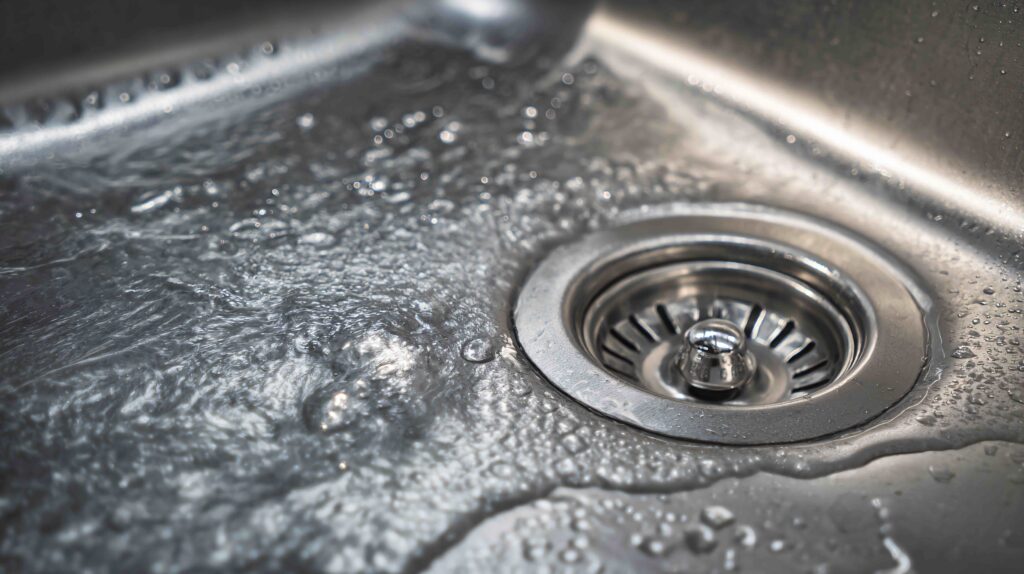
The idea behind salt and boiling water as a drain-cleaning method is relatively straightforward. Salt is mildly abrasive, and water at high temperatures may help dissolve congealed fats, soap residues, or other soft materials blocking the pipe. The method usually involves pouring half a cup of table salt into the drain, followed by boiling water, and waiting a few minutes before flushing with additional hot water. Some variations suggest using coarse Kosher salt or combining salt with baking soda or vinegar.
Conceptually, this method can be somewhat useful against soft, organic clogs like grease or soap buildup near the opening of the drain. The boiling water can partially liquefy fatty deposits, and the salt may increase the water’s effectiveness in breaking down accumulation. However, the effects are usually short-lived. This home remedy is unlikely to remove hair, mineral deposits, or debris lodged deeper in the pipe. It also fails to address underlying issues like improper pipe slope or aging plumbing infrastructure.
Advantages of Using Salt and Boiling Water
Despite its limited scope, the salt and boiling water method offers a few appealing benefits to homeowners. First, convenience—most households have salt and access to boiling water. It’s a quick attempt that doesn’t require tools or expensive products. From a safety perspective, it’s less harsh than chemical drain cleaners, which can corrode pipes or pose risks to pets and children. Environmentally, it’s less harmful than pouring bleach or acidic compounds directly into the water system.
It’s worth noting, however, that these benefits are only relevant if the clog is minor and relatively new. In such cases, this method may temporarily restore drainage or buy a bit of time before a more thorough cleaning is necessary. Used periodically, it could help prevent buildup before it becomes problematic—but it won’t serve as a frontline defense for significant plumbing issues.
Common Drawbacks and Misconceptions
While it’s tempting to rely on DIY solutions, there are compelling reasons to treat salt and boiling water more as maintenance than as problem-solving. The most important limitation is the method’s effectiveness. Many clogs—especially those formed by compacted hair, foreign objects, or solidified food particles—simply don’t respond to heat or salt. Additionally, excessive boiling water can pose a risk to PVC pipes, which may warp under sustained high heat over time.
Another common misconception is that using salt and boiling water regularly will completely prevent clogs. Although it may reduce the rate of buildup, it’s not a replacement for regular cleaning, mindful disposal habits, or systematic pipe inspections. If your home experiences recurring drainage issues, the problem likely lies deeper in the plumbing network—where simple home remedies can’t reach.
When to Call in Professional Help
If you’ve tried salt and boiling water without success, it could signify a blockage that’s either too dense or too far down to budge. At this point, relying on plungers, drain snakes, or even hydro jetting becomes necessary. A professional plumber can assess the condition of your pipes and use the right techniques to restore full flow without damaging the structure.
Persistent slow drains, foul smells, gurgling sounds, or water backups elsewhere in the home often point to more extensive issues, such as root infiltration, venting problems, or damaged pipes. Homeowners should never ignore these warning signs. Acting quickly can prevent minor issues from escalating into expensive emergencies. In such cases, having a home warranty that includes plumbing coverage can save you both time and cost.
The Role of Home Warranties in Plumbing Maintenance
Home warranties are service contracts that help cover repair or replacement costs for major systems and appliances in your home. Plumbing systems are often included in comprehensive coverage plans, which means you’re protected if a pipe bursts, a drain line becomes inaccessible, or even if a water heater malfunctions. This is particularly valuable when DIY fixes fail and professional services are needed.
Rather than scrambling to find a plumber during a crisis, a home warranty gives you access to vetted service providers who can resolve the issue quickly and professionally. It also helps reduce out-of-pocket repair costs, which can otherwise be unpredictable. Moreover, warranty-backed repairs tend to follow industry standards, so the solution is more likely to be thorough and long-lasting.
Preventing Drain Clogs in the First Place
If there’s one lesson from the salt and boiling water debate, it’s that prevention trumps reaction. Homeowners should adopt drain-friendly habits like disposing of oils and grease in the trash instead of the sink, using drain strainers to catch hair and food particles, and regularly flushing hot water through the system. For homes with older plumbing, occasional professional inspections can identify vulnerabilities before they result in significant damage.
Salt and boiling water can serve as a light and occasional cleaning measure, but they’re not substitutes for maintenance. If your pipes are prone to clogs, it may be time to evaluate the design and age of your plumbing system. A thorough understanding of what’s flowing through your pipes, and when, can make a big difference in extending their lifespan.
Protect Your Pipes the Smart Way with Armadillo
Clogged drains are more than an inconvenience—they’re a reminder that your home’s plumbing system is often out of sight and out of mind until something goes wrong. While salt and boiling water may offer a temporary flush for small issues, real confidence comes from knowing you have a plan when simple solutions fall short.
That’s where Armadillo comes in. With a customized home warranty plan from Armadillo, you’re not just buying protection for the unexpected—you’re investing in peace of mind. Whether it’s a concealed leak or a complete blockage, our plumbing coverage has you taken care of. Explore our full suite of plans at armadillo.one, and when you’re ready, start building your own tailored warranty plan by visiting our sign-up page. A little preparation now can make all the difference later—before your next plumbing surprise breaks through.