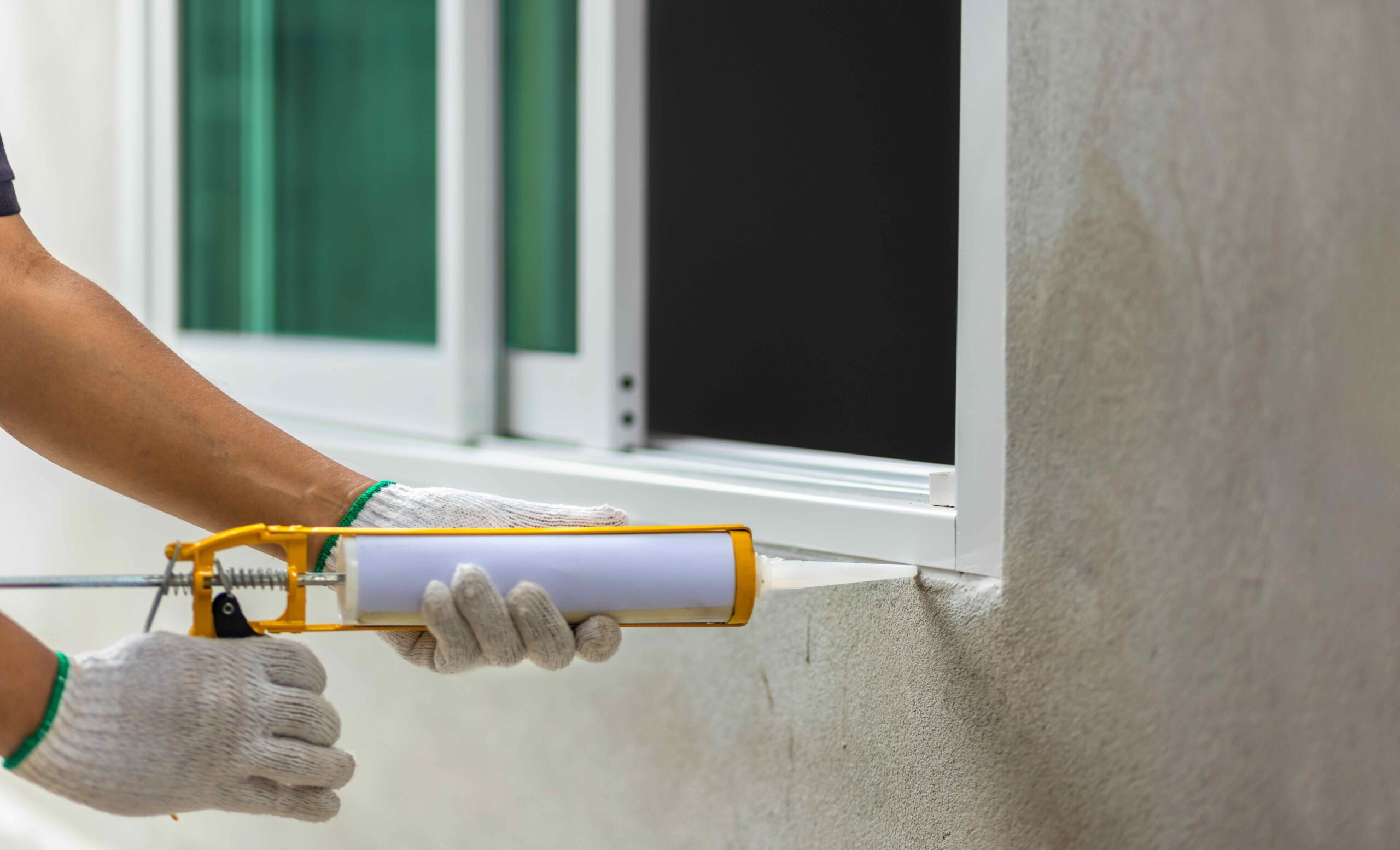
What Is Door and Window Sealer and Why Does It Matter More Than You Think?
Door and window sealer is one of those home improvement topics that sounds simple on the surface but carries a surprising amount of weight when you actually dig into it. At its core, door and window sealer refers to the materials and products used to close gaps, cracks, and spaces around the frames of your doors and windows. That includes weatherstripping, caulk, foam tape, door sweeps, and silicone sealants. These products work together to create a tight barrier between your interior living space and the outside world. It sounds modest, but the impact on your home’s energy efficiency, comfort, and structural integrity is anything but small.
How Door and Window Sealer Actually Works
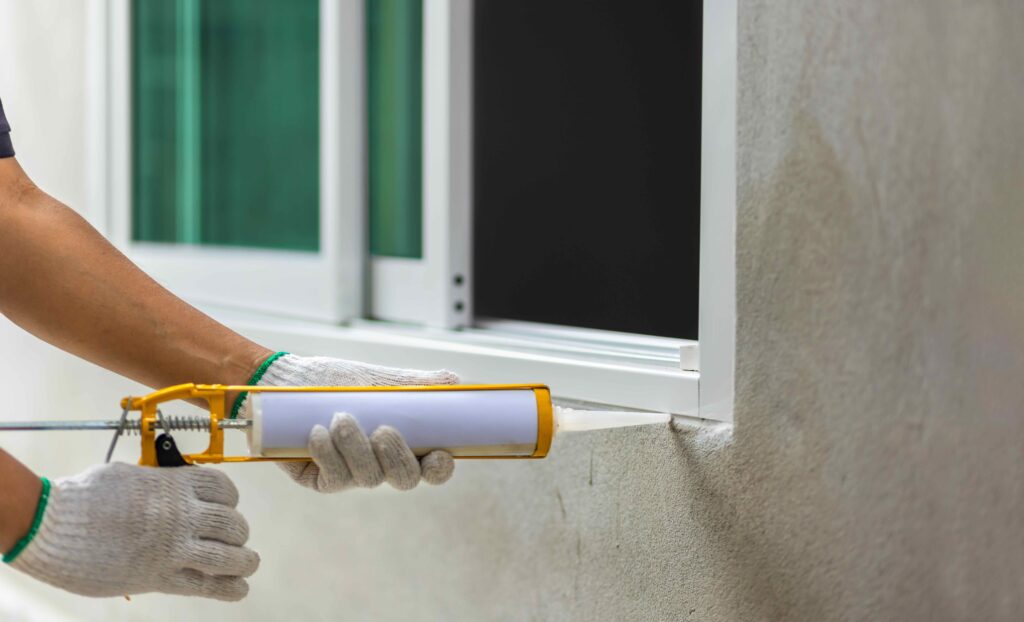
The mechanics behind door and window sealing are straightforward once you understand the problem it is solving. Every home has gaps. Some are visible, some are microscopic, and they all allow air, moisture, insects, and sound to move between the inside and outside of your home. Sealing products work by filling or compressing against these gaps to eliminate that transfer. Weatherstripping, for example, is installed along the edges of door and window frames and compresses when the door or window closes, forming a seal. Caulk and silicone sealants are applied to fixed gaps around frames where movement does not occur. Foam tape is a cost-effective middle ground used for moderate gaps. Door sweeps attach to the bottom of exterior doors to block the space between the door and the threshold. Each product type is designed for a specific location and gap size, and using the right one for the right application is key to getting the performance you expect.
The Real Advantages of Keeping Your Home Properly Sealed
This is where things get genuinely interesting, because the benefits of good door and window sealing extend far beyond just keeping a draft out. Here is what a properly sealed home actually delivers for you:
- Reduced energy bills, because your HVAC system is not compensating for constant air leaks
- Improved indoor comfort, with more consistent room temperatures year-round
- Lower risk of moisture intrusion and the mold or rot that follows
- Reduced noise penetration from outside traffic, wind, and weather
- Better pest prevention by closing entry points insects and rodents use
- Extended lifespan of your doors and windows by protecting surrounding wood and framing
The Department of Energy estimates that drafts from air leaks can waste anywhere from five to thirty percent of a home’s energy use. That is a meaningful number, and door and window sealing is one of the most affordable ways to address it directly.
Common Types of Door and Window Sealing Products Explained
Not all sealing products are created equal, and choosing the wrong one is a common homeowner mistake. Silicone caulk is the gold standard for exterior window frames because it is waterproof, flexible, and holds up well against UV exposure. Latex caulk is easier to work with and paint over, making it better for interior applications. Foam weatherstripping is affordable and easy to install but tends to compress and lose effectiveness within a year or two. V-strip or tension seal weatherstripping is more durable and works particularly well along the sides of double-hung windows and the tops and sides of doors. Door sweeps come in automatic and fixed varieties, with automatic sweeps lifting when the door opens and lowering when it closes, offering better performance and less wear. Knowing which product belongs where helps you avoid wasting money on solutions that will not last.

The Drawbacks and Limitations You Should Know Before You Start
Door and window sealing is not a perfect fix for every problem, and it comes with some honest limitations. First, it is a maintenance item, not a one-and-done solution. Caulk cracks, weatherstripping compresses, and foam tape deteriorates. Most sealing products need to be inspected annually and replaced every two to five years depending on the material and exposure to the elements. Second, improper installation can actually create new problems. Over-sealing a home without adequate ventilation can trap moisture indoors, which leads to air quality issues and mold growth. Third, sealing is not a substitute for damaged windows or doors. If your frames are warped, your glass is fogged between panes, or your door hardware is failing, sealing products will mask the symptoms without addressing the underlying issue. Finally, exterior caulk application requires dry conditions and appropriate temperatures to cure properly, which means timing and weather matter when you are doing this work.
Signs Your Doors and Windows Need Resealing Right Now
There are some clear indicators that your current sealing situation is not doing the job. If you feel a noticeable draft near a closed door or window, that is an obvious one. But some signs are subtler. Condensation forming on the inside of window glass can indicate a seal failure between panes. Higher than usual energy bills without a clear explanation often point to air leakage. Visible cracks or gaps in existing caulk, peeling weatherstripping, or daylight visible around door frames when the lights are off inside are all signs that it is time to reseal. A simple test using a candle or incense stick held near door and window edges on a windy day can reveal air movement you might not otherwise detect.
DIY vs. Professional Sealing: What Makes Sense for Your Home
Most door and window sealing tasks are genuinely within the reach of an average homeowner. Replacing weatherstripping, applying caulk, and installing a door sweep are all weekend projects that require minimal tools and modest skill. The main keys are surface preparation, using the right product, and taking your time with the application. That said, there are situations where a professional is the smarter call. If you are dealing with widespread air leakage, aging or damaged frames, or you simply want an energy audit to identify every problem area systematically, a professional can provide a level of thoroughness that a DIY walk-around cannot match. Blower door tests, for example, are a professional diagnostic tool that can identify leaks invisible to the naked eye. If your home is older or was not particularly well-built, a professional assessment before you start sealing is a reasonable investment.
Practical Tips for Getting the Most Out of Your Sealing Efforts
A few things make a real difference when you are doing this work. Always clean the surface thoroughly before applying caulk or adhesive-backed weatherstripping, because these products fail quickly on dusty or oily surfaces. Remove all old caulk with a caulk remover tool before applying a new bead. Apply caulk in one smooth, continuous motion and smooth it with a wet finger or tool before it skins over. For weatherstripping, measure carefully and cut slightly long rather than short, since a snug fit is critical to effectiveness. After installation, test every door and window for a complete seal. When it comes to exterior work, check the forecast and avoid application if rain or freezing temperatures are expected within twenty-four hours.
How Door and Window Sealing Fits Into Your Broader Home Protection Strategy
Here is the thing about door and window sealing that does not get said enough. It protects more than just your comfort. It protects the systems inside your home. When drafts and moisture go unchecked, your HVAC system runs harder and longer to compensate. That means more wear on your furnace, air conditioner, and everything connected to them. Moisture infiltration around unsealed window frames can reach electrical components, insulation, and structural framing. Sealing your home is genuinely one of the most proactive things you can do to extend the life of the major systems and appliances you depend on every day. That is where a home warranty becomes a natural part of the conversation. For homeowners who want to protect the systems that door and window sealing helps preserve, Armadillo home warranty plans for HVAC, electrical, and appliance systems offer straightforward coverage built for real homeowners. If you are ready to take the next step in protecting everything inside those sealed walls, you can get a free home warranty quote that covers your home’s major systems and appliances in just a few minutes. Armadillo keeps it simple, honest, and genuinely useful, which is exactly what home protection should be.

Frequently Asked Questions About Door and Window Sealer
Answers to the most common questions homeowners have about sealing their doors and windows.
What is the best type of sealer to use around exterior windows?
Silicone caulk is generally the best choice for exterior window frames because it is waterproof, flexible, and resistant to UV degradation and extreme temperatures. It forms a durable, long-lasting seal that holds up well against weather exposure.
How often should I replace the weatherstripping on my doors?
Most weatherstripping should be inspected annually and replaced every two to five years. The lifespan varies based on the material, usage frequency, and climate exposure. Foam tape tends to wear out faster than V-strip or door sweep products.
Can sealing my doors and windows really lower my energy bills?
Yes. Air leaks around doors and windows are a leading source of energy loss in homes. Proper sealing reduces the workload on your heating and cooling system, which translates directly into lower monthly utility costs.
Is it possible to over-seal a home?
It is possible. An extremely airtight home without adequate ventilation can trap moisture and pollutants indoors, which can lead to air quality problems and mold growth. A balanced approach that pairs sealing with appropriate ventilation is important.
How do I know if my window seals have failed?
The most common sign of a failed window seal is fogging or condensation trapped between the panes of glass. This indicates that the insulating gas between the panes has escaped and moisture has entered the sealed unit.
Can I apply caulk over old caulk?
It is not recommended. Old or deteriorating caulk should be fully removed before applying a new bead. Applying caulk over old material creates a weak bond and often leads to premature failure of the new sealant.
What is a door sweep and do I really need one?
A door sweep is a strip attached to the bottom of an exterior door that closes the gap between the door and the threshold. It is particularly useful for blocking drafts, moisture, and insects, and it makes a meaningful difference in homes with older or slightly warped door frames.
Does door and window sealing help with noise reduction?
Yes. Sealing gaps around doors and windows reduces the pathways through which sound travels. While it will not eliminate outdoor noise entirely, properly sealed doors and windows can noticeably reduce traffic noise, wind, and other exterior sounds.
How does door and window sealing affect my HVAC system?
When your home has significant air leaks, your HVAC system runs longer and harder to maintain your set temperature. Reducing those leaks through sealing eases the demand on your heating and cooling equipment, which can extend its operational lifespan and reduce repair frequency.
Does a home warranty cover door and window sealer or weatherstripping?
Typically, home warranties cover major mechanical systems and appliances rather than maintenance items like weatherstripping or caulk. However, because proper sealing protects the systems that home warranties do cover, maintaining good seals is a smart way to preserve the value of your coverage.