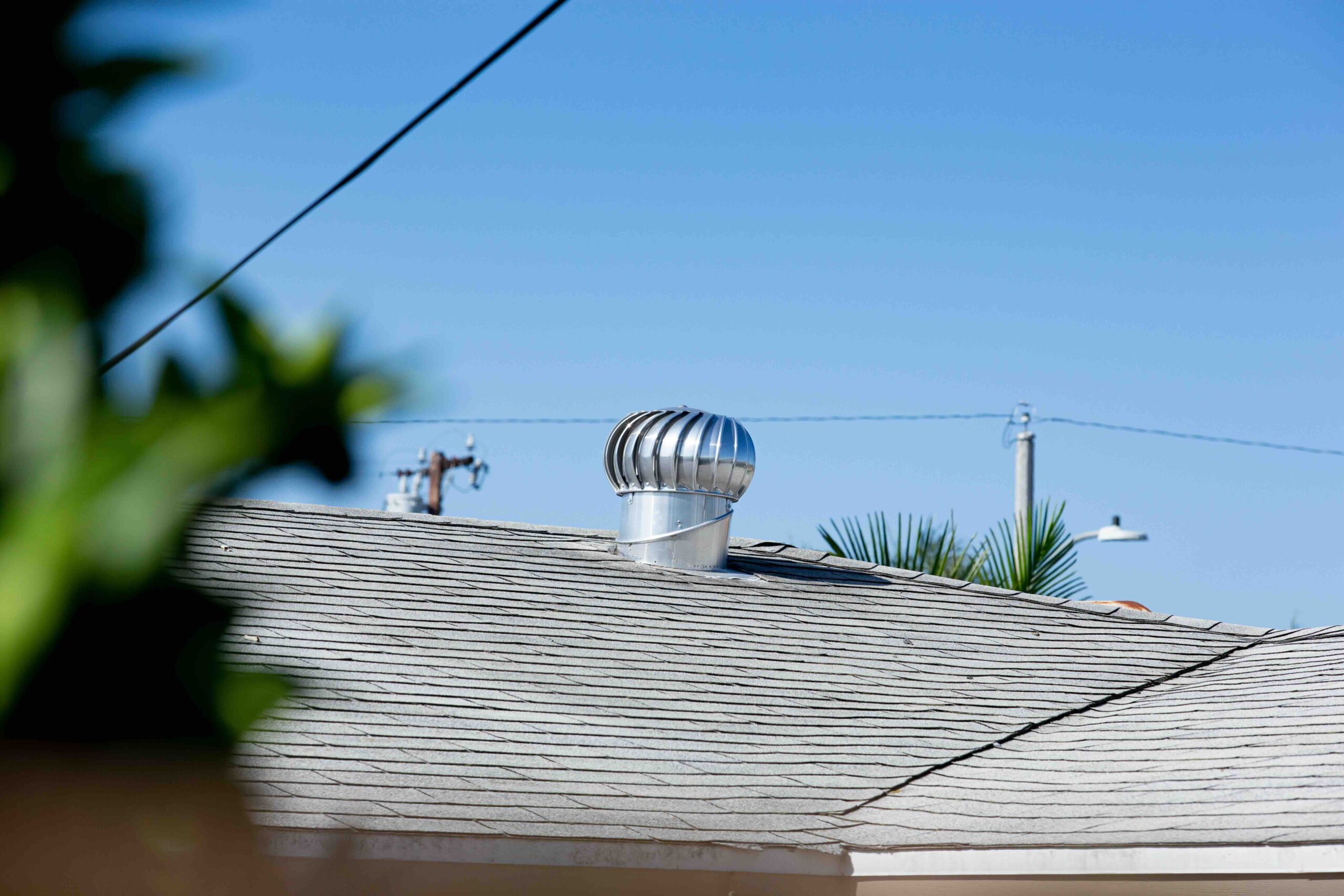
What Are Drain Vents and Why Does Your Home Need Them?
Most homeowners spend a lot of time thinking about what goes into their plumbing system — water pressure, pipe materials, fixture quality — but very few think about the air side of the equation. Drain vents, sometimes called plumbing vent pipes or simply vent stacks, are a critical component of your home’s drainage system. They allow air to enter the plumbing network so that wastewater can flow freely and efficiently through the pipes and out of your home. Without proper venting, your drainage system simply cannot function the way it was designed to.
How Drain Vents Actually Work
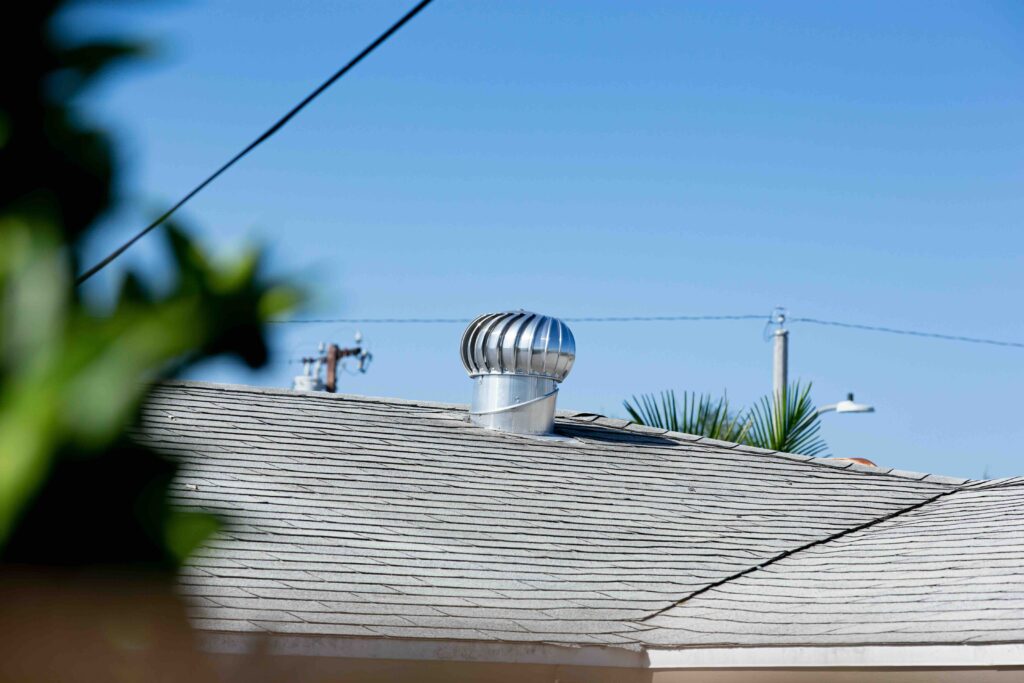
Here is the basic physics behind it: when water drains through a pipe, it displaces air. If there is no way for air to re-enter the system, a negative pressure — or vacuum — builds up behind the moving water. That vacuum is what causes the familiar gurgling sound you might hear in your sink or toilet after water drains. Left unaddressed, this pressure imbalance will slow drainage to a crawl, cause traps to siphon dry, and allow sewer gases to enter your living space. Drain vent pipes run from your plumbing fixtures up through the walls and roof of your home, connecting to the outside atmosphere and maintaining neutral pressure throughout the drain lines at all times. Think of it like the small vent hole on a juice box — without it, nothing flows properly.
Types of Drain Vent Systems Commonly Found in Homes
Not every home uses the same venting configuration, and understanding the options helps clarify what might be behind your walls right now. The most common setup is a true vent, which connects directly to the drain pipe and runs up through the roof. There are also wet vents, which allow a single pipe to serve as both a drain and a vent simultaneously — these are often used in bathrooms where space is limited. Air admittance valves, or AAVs, are mechanical devices installed at the fixture level that open to admit air when drainage occurs and close to prevent sewer gas from escaping. Each type has specific applications and code requirements, and the right choice depends on your home’s layout, local building codes, and the age of your plumbing.

Key Advantages of a Properly Vented Drain System
When your drain vent system is functioning correctly, the benefits are significant and they show up in ways you actually notice day to day. A well-vented system keeps your home safer, your plumbing more reliable, and your fixtures performing at their best.
- Wastewater drains quickly and completely without slow drainage or standing water in sinks and tubs.
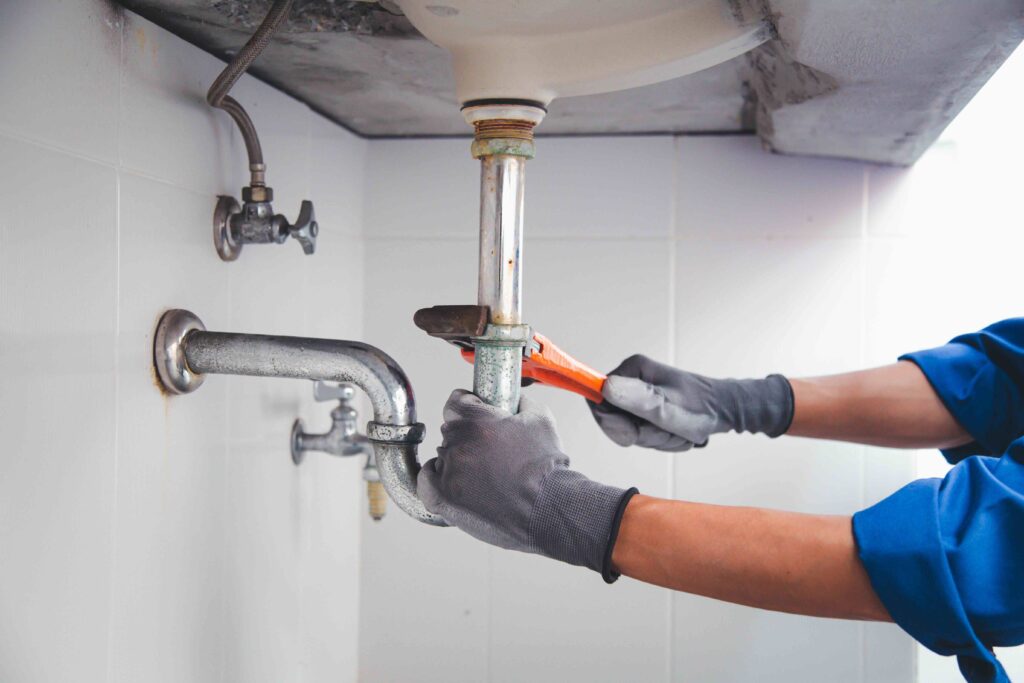
- P-traps — the curved pipe sections beneath fixtures — stay filled with water, blocking sewer gases from entering your home.
- Gurgling, bubbling, or sucking sounds in your drains are eliminated, which is a sign the system is properly pressurized.
- Pipe joints and seals experience less stress over time because pressure fluctuations are minimized.
- Your plumbing system meets building code, which protects your home’s value and any future inspection outcomes.
Common Problems That Point to a Venting Issue
Drain vent problems are not always obvious at first glance, but they do leave clues. If multiple fixtures are draining slowly at the same time, or if you notice a sulfur-like or sewage smell coming from your drains, there is a reasonable chance you have a venting problem rather than a standard clog. Gurgling sounds after flushing a toilet or running a dishwasher cycle are another red flag. In colder climates, frost can build up inside vent pipes and block them entirely during winter months. Roof-level vent openings can also become obstructed by leaves, bird nests, or debris over time. These issues are easy to overlook during routine home maintenance, which is exactly why they tend to go unaddressed until the symptoms become hard to ignore.
Drain Vent Installation: What the Process Looks Like
Installing or extending a drain vent system is not a weekend DIY project for most homeowners. The work involves cutting into walls, routing pipe through framing, and penetrating the roof — all of which require a working knowledge of local plumbing codes and proper technique. A licensed plumber will assess your existing drain layout, determine the most code-compliant venting configuration, and install the necessary pipe runs with appropriate slope and diameter. In older homes being renovated, adding proper venting to previously unvented fixtures is one of the more common plumbing upgrades. If you are adding a bathroom, finishing a basement, or remodeling a kitchen, your contractor should always address drain venting as part of the project scope — not as an afterthought.
Common Drawbacks and Limitations to Know
Even a correctly installed drain vent system has its limitations, and homeowners should go in with realistic expectations. Vent pipe penetrations in the roof require proper flashing to remain watertight — a failure there leads to water intrusion that has nothing to do with plumbing but everything to do with where the vent exits the building. Air admittance valves, while useful and code-approved in many jurisdictions, are not universally accepted and can fail mechanically over time. They also cannot replace all true vent connections — there must still be at least one open vent stack connecting to the exterior atmosphere in most plumbing systems. Additionally, if your home has had any significant renovations done without permits, there is always the possibility that venting was not properly addressed, which can create hidden problems that only surface later.
Maintenance Tips Every Homeowner Should Follow
Keeping your drain vent system in good condition does not require a lot of effort, but it does require consistency. A few simple habits go a long way toward preventing the kind of problems that turn into costly repairs.
- Inspect roof vent openings at least once a year, particularly in fall after leaves have dropped, to confirm they are clear of debris and blockages.
- Pay attention to gurgling sounds or slow drains — do not dismiss them as minor nuisances, as they are often early indicators of a venting problem.
- If you live in a cold climate, monitor for frost or ice buildup in vent pipes during prolonged cold spells.
- Have a licensed plumber evaluate your drain venting if you notice sewage odors inside your home — this is a health and safety issue that warrants prompt attention.
- Schedule a plumbing inspection if you are buying a home or completing a major renovation, and ask specifically about the vent system.
Where Home Warranties Fit Into the Drain Vent Picture
Here is where things get practical. Plumbing systems — including components related to drainage and venting — are among the most frequently claimed items in home warranty plans. A broken vent pipe inside a wall, a failed air admittance valve, or damage to drain lines are not hypothetical scenarios. They happen in homes of all ages and all price points. A home warranty that covers plumbing system components can help offset the cost of diagnosis and repair when these issues arise, which they often do without much warning. The key is understanding what your specific plan covers, because not all home warranties treat plumbing the same way. Reading the coverage details, particularly around drain and vent components, is time well spent before you ever need to file a claim.
Why Armadillo Is a Smart Choice for Homeowners Thinking About Plumbing Protection
When your drain vent system fails, the last thing you want to deal with is a complicated claims process or a warranty provider that looks for reasons to deny coverage. Armadillo was built with homeowners in mind, offering straightforward coverage that actually delivers when plumbing problems show up. Whether it is a blocked vent stack causing slow drains throughout your home or a failing component inside your walls, having a reliable plan in place makes an enormous difference. If you are serious about protecting your home’s plumbing infrastructure, explore home warranty plans designed to cover your plumbing system and see how Armadillo approaches coverage differently. When you are ready to take the next step, you can get a free home warranty quote that includes plumbing and drain system coverage in just a few minutes. Protecting the systems that keep your home running should not be complicated — and with Armadillo, it is not.

Frequently Asked Questions About Drain Vents
These are some of the most common questions homeowners ask about drain vents, how they work, and what to do when something goes wrong.
What happens if a drain vent is blocked?
A blocked drain vent creates negative pressure in your drain lines, which leads to slow drainage, gurgling sounds, and dried-out P-traps. Dried P-traps allow sewer gases — including methane and hydrogen sulfide — to enter your living space, which is both unpleasant and potentially hazardous.
Can I install a drain vent myself?
Basic maintenance like clearing debris from a roof vent opening is manageable for most homeowners. However, installing, rerouting, or repairing vent pipe runs inside walls or through the roof requires a licensed plumber and must comply with local building codes. Unpermitted plumbing work can create problems during home inspections or insurance claims.
What is an air admittance valve and is it a good alternative?
An air admittance valve is a mechanical device that opens to let air into the drain system when water flows and closes to prevent sewer gas from escaping. It is a code-approved alternative in many jurisdictions and works well in retrofit situations. However, it cannot replace all exterior vent connections and has a finite mechanical lifespan.
How do I know if my home has a venting problem?
Common signs include gurgling drains, slow drainage from multiple fixtures simultaneously, sewage or sulfur odors near drains, and toilet water that moves or bubbles when a nearby sink drains. Any combination of these symptoms warrants a professional plumbing inspection.
Does a home warranty cover drain vent repairs?
Coverage varies by provider and plan. Many home warranty plans cover plumbing system components, which can include drain and vent pipe repairs. It is important to review the specific terms of your plan to understand what is included and whether there are exclusions for pre-existing conditions or code upgrades.
How often should drain vents be inspected?
A visual inspection of roof vent openings should be done at least once per year. A full plumbing inspection, including an assessment of venting adequacy, is recommended when purchasing a home, completing a renovation, or if you notice any of the warning signs associated with poor venting.
Why does my drain gurgle after flushing the toilet?
Gurgling after flushing typically indicates that air is being pulled through the drain line from a nearby fixture rather than through the vent system. This points to a venting issue — either a blockage in the vent pipe or an insufficient venting configuration for that section of the plumbing system.
Are drain vents required by building code?
Yes. The International Plumbing Code and most local building codes require all fixtures to be properly vented. Vent requirements specify pipe diameter, distance from trap to vent connection, and how vent pipes must terminate. Homes built or renovated without proper permitting may not comply, which can affect resale value and insurability.
Can drain vent problems cause health issues?
Yes. A compromised vent system can allow sewer gases to enter your home through dried or siphoned P-traps. Sewer gas contains compounds like hydrogen sulfide and methane, which can cause headaches, nausea, and in extreme concentrations, pose a risk of ignition. This is a serious enough issue that it should be addressed promptly by a licensed plumber.
What is the difference between a drain pipe and a vent pipe?
A drain pipe carries wastewater away from fixtures and toward the sewer or septic system. A vent pipe carries air into the drainage system to equalize pressure and allow waste to flow freely. In some configurations, a single pipe can serve both functions simultaneously — this is known as a wet vent — but in most cases the two systems are distinct within your home’s plumbing network.