
What Is Yard Drainage and Why Does It Matter for Your Home?
Water is patient. It will find every low point, every soft patch, every crack, and every gap your yard offers. When rainwater or irrigation runoff has nowhere to go, it does not simply disappear. It pools, it seeps, and it eventually finds its way toward your foundation, your basement, or through your crawl space. That is where the real trouble starts. Yard drainage refers to the collection of systems, grading techniques, and installations that direct water away from your home and toward safe, designated outlets. It is one of the most underappreciated aspects of homeownership, and honestly, most people do not think about it until there is already standing water on the lawn or moisture crawling up the basement walls. Understanding how yard drainage works gives you a real advantage in protecting your home before a problem becomes a repair bill.
How Water Moves Through Your Yard and Where It Goes Wrong
The basic principle behind yard drainage is simple: water flows downhill. The challenge is that residential lots are rarely perfectly graded, and the terrain around a home changes over time due to soil settling, landscaping adjustments, and erosion. When the natural slope of your yard directs water toward your home rather than away from it, you have a drainage problem. The soil saturation level also plays a major role. Clay-heavy soils, for example, absorb water slowly, which means runoff accumulates faster than it can be absorbed. Sandy soils drain quickly but may channel water unpredictably. When the land cannot move water efficiently, it pools near your foundation, drowns plant roots, creates muddy patches, and creates the kind of moisture environment that insects, mold, and structural damage thrive in.
Common Types of Yard Drainage Systems Explained
There are several drainage solutions available to homeowners, and the right one depends on the layout of the yard, the severity of the problem, and the local climate. Here is a breakdown of the most widely used options:
- French drains: A perforated pipe surrounded by gravel, buried underground to redirect subsurface water away from the home.
- Surface drains: Grated catch basins installed at low points in the yard that collect standing water and channel it through an underground pipe to a discharge point.
- Channel drains: Long, narrow drains often installed along driveways or patios to capture sheet flow runoff across hard surfaces.
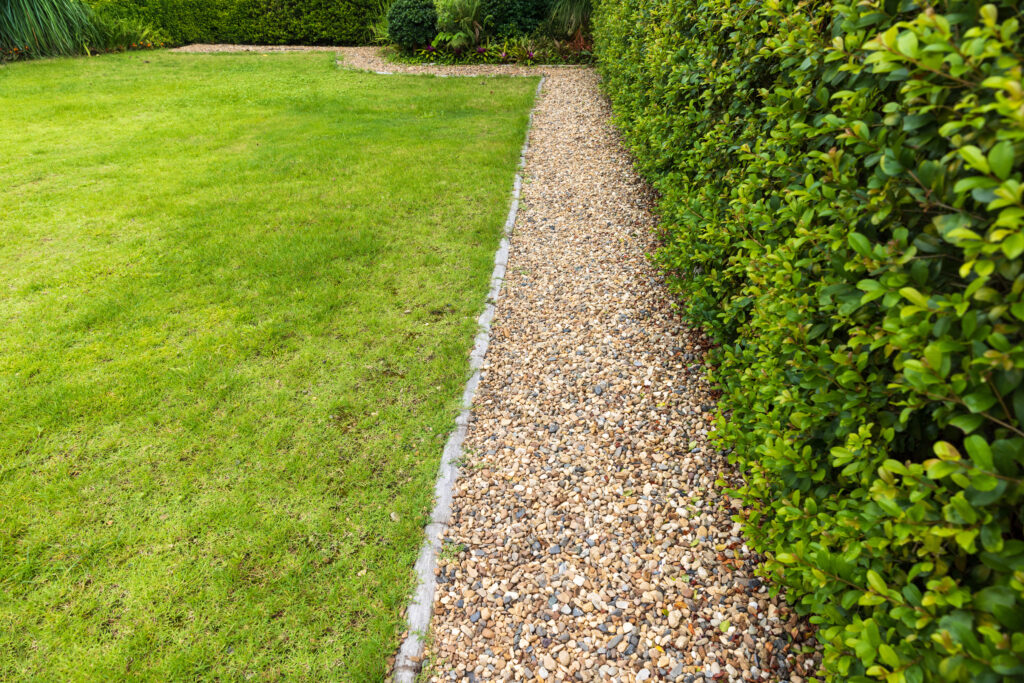
- Dry creek beds: Decorative gravel-lined channels that guide water during heavy rain and blend into the landscape when dry.
- Downspout extensions and buried pop-up emitters: These connect to your gutters and carry roof runoff well away from the foundation before releasing it.
- Swales: Shallow, graded channels dug into the landscape to direct surface water toward a desired outlet.
Each of these systems serves a different purpose, and in many cases, a complete drainage solution uses a combination of two or more approaches. A French drain handles underground water migration while a surface drain catches pooling after a heavy storm, for instance. Getting the right mix requires knowing where water originates and where it needs to go.
Key Advantages of Proper Yard Drainage for Homeowners
The benefits of a well-designed drainage system extend far beyond a dry lawn. The most significant advantage is foundation protection. Water that consistently pools near a home exerts hydrostatic pressure against foundation walls, which contributes to cracking, shifting, and moisture intrusion over time. A functioning drainage system eliminates that pressure. Beyond the foundation, good drainage keeps basements and crawl spaces dry, which dramatically reduces the likelihood of mold growth and wood rot. It also protects landscaping investments by preventing root rot and soil erosion. From a property value perspective, visible drainage problems are a red flag during home inspections, and resolving them proactively is often a selling point that buyers notice.

Common Drawbacks and Challenges to Keep in Mind
Yard drainage systems are not without their complications. Installation can be labor-intensive and disruptive, particularly when trenching is involved. French drains and buried pipe systems require digging through established landscaping, which means plants, sod, and hardscaping may need to be disturbed and later restored. Cost is another factor. A basic downspout extension is inexpensive, but a full French drain installation around a home’s perimeter can run several thousand dollars depending on the scope and local labor rates. Maintenance is also an ongoing consideration. Drains can become clogged with debris, sediment, and root intrusion over time. Surface drain grates need regular clearing, and buried systems may require occasional flushing or professional inspection to confirm they are still functioning correctly.
Signs You May Have a Yard Drainage Problem
Some drainage issues are immediately obvious, like water pooling in the yard after every rain. Others are subtler and build over time before they become serious. Homeowners should be aware of the following warning signs:
- Standing water in the yard that persists for more than 24 to 48 hours after rainfall
- Soil erosion along walkways, driveways, or garden beds
- Water stains or moisture on basement walls or floors
- Efflorescence, which is a white chalky residue, on concrete or masonry surfaces near the foundation
- Mold or musty odors in the basement or crawl space
- Soft or spongy patches in the lawn that remain wet long after a storm
- Gutters that overflow because downspouts are discharging water directly against the house
Catching these signs early gives you a significant advantage. A minor grading correction or downspout extension can prevent what would otherwise become a foundation repair or mold remediation project down the road.
Practical Tips for Improving Yard Drainage on Your Own
Not every drainage issue requires a contractor. There are several maintenance steps and low-cost improvements homeowners can handle themselves. Start with the gutters and downspouts. Confirm they are clean and that water discharges at least four to six feet from the foundation. Next, assess the grading around your home. The ground should slope away from the foundation at a rate of about six inches for every ten feet. If it does not, adding topsoil and regrading is a manageable project. Aerating compacted lawn areas helps water absorb into the soil more efficiently rather than running off the surface. Installing splash blocks under downspouts is inexpensive and immediately redirects water away from your home. These small adjustments can make a meaningful difference before investing in more complex drainage systems.
When to Call a Professional Drainage Contractor
There is a clear line between DIY-friendly drainage improvements and projects that require professional expertise. If water is entering your basement, if the yard floods consistently during moderate rainfall, or if erosion is causing visible damage to your landscape or hardscape, it is time to bring in a drainage contractor. A professional can assess the full extent of the problem, identify the source, and design a system that addresses root causes rather than symptoms. They also have access to the right equipment for excavation and installation, which makes a significant difference in the quality and longevity of the finished system. Do not wait until the problem reaches your foundation to make the call.
How Yard Drainage Connects to Your Broader Home Protection Plan
Drainage is a foundational aspect of home health. Everything that keeps your home structurally sound and comfortable depends, in part, on water being managed correctly outside. When drainage fails, the consequences ripple through multiple systems simultaneously. Moisture in a crawl space affects the integrity of the subfloor. A wet basement can damage electrical systems, water heaters, and HVAC equipment. Foundation movement from hydrostatic pressure can warp doors and windows. This is why homeowners who take drainage seriously also tend to think carefully about how they protect the systems and appliances inside their home. Proactive exterior maintenance and interior coverage work together as a comprehensive strategy for avoiding major, unexpected repair costs.
Why Armadillo Belongs in Your Home Protection Strategy
A well-drained yard does an excellent job protecting your home from outside threats, but what happens when the systems inside your home need attention? That is exactly where Armadillo home warranty coverage for essential home systems and appliances delivers real value. Armadillo offers straightforward, honest coverage for the mechanical systems that keep your home running, including HVAC, plumbing, electrical, and major appliances. There are no complicated exclusions buried in fine print, and no unpleasant surprises when something breaks down. If you have already invested in protecting your yard with proper drainage infrastructure, it makes complete sense to close the gap on interior coverage as well. You can get a free yard and home system protection quote from Armadillo in minutes and choose a plan that fits your home and your budget. Taking care of your home outside and inside is the full picture of responsible homeownership, and Armadillo is built to support exactly that.

Frequently Asked Questions About Draining Water From Your Yard
What is the most effective way to drain a waterlogged yard?
The most effective approach depends on the cause of the waterlogging. For surface pooling, a combination of regrading and installing surface or French drains typically resolves the issue. For persistent subsurface water, a French drain system with a proper outlet is generally the most reliable solution.
How much does it cost to install a French drain in a yard?
French drain installation costs typically range from $1,000 to $6,000 or more, depending on the length of the drain, the depth required, soil conditions, and local labor costs. Longer runs around a full perimeter will be at the higher end of that range.
Can poor yard drainage damage my home’s foundation?
Yes. Water that consistently pools near the foundation exerts hydrostatic pressure against foundation walls, which can cause cracking, shifting, and moisture intrusion over time. Addressing drainage problems early is one of the most effective ways to protect your foundation.
How long does standing water typically take to drain from a yard?
In a properly graded yard with healthy soil, standing water should dissipate within 24 to 48 hours after rainfall. If water persists longer than that, it is a reliable indicator of a drainage problem that warrants further investigation.
Do I need a permit to install a drainage system in my yard?
Permit requirements vary by municipality. Minor improvements like downspout extensions and surface grading typically do not require permits. More involved installations involving buried pipes, connection to storm sewer systems, or significant excavation may require permits and inspections.
What is a swale and is it an effective drainage solution?
A swale is a shallow, graded channel designed to direct surface water runoff across a yard toward a designated outlet. When properly designed and maintained, swales are an effective and relatively low-cost drainage solution, especially for managing sheet flow across flat or gently sloping yards.
How do I know if my downspouts are contributing to drainage problems?
If your downspouts discharge water directly against the foundation, or if the discharge point is in an area that already drains poorly, they are likely contributing to the problem. Extending downspouts four to six feet away from the foundation or connecting them to buried discharge pipes is a straightforward fix.
Will aerating my lawn improve yard drainage?
Aeration improves drainage in compacted soils by creating small channels that allow water to penetrate more efficiently rather than running off the surface. It is most effective when soil compaction is the primary drainage issue and works well as a complement to other drainage improvements.
Are yard drainage systems covered under a home warranty?
Most standard home warranty plans do not cover exterior drainage systems, as coverage typically focuses on mechanical systems and appliances inside the home. However, maintaining good yard drainage protects the interior systems that home warranties do cover, making both investments complementary.
How often should yard drainage systems be inspected or maintained?
Surface drain grates should be cleared of debris seasonally, particularly in fall when leaves accumulate. Buried systems benefit from a professional inspection every few years to check for root intrusion, sediment buildup, or pipe damage. Annual visual inspections after heavy rains are a good baseline habit for any homeowner.