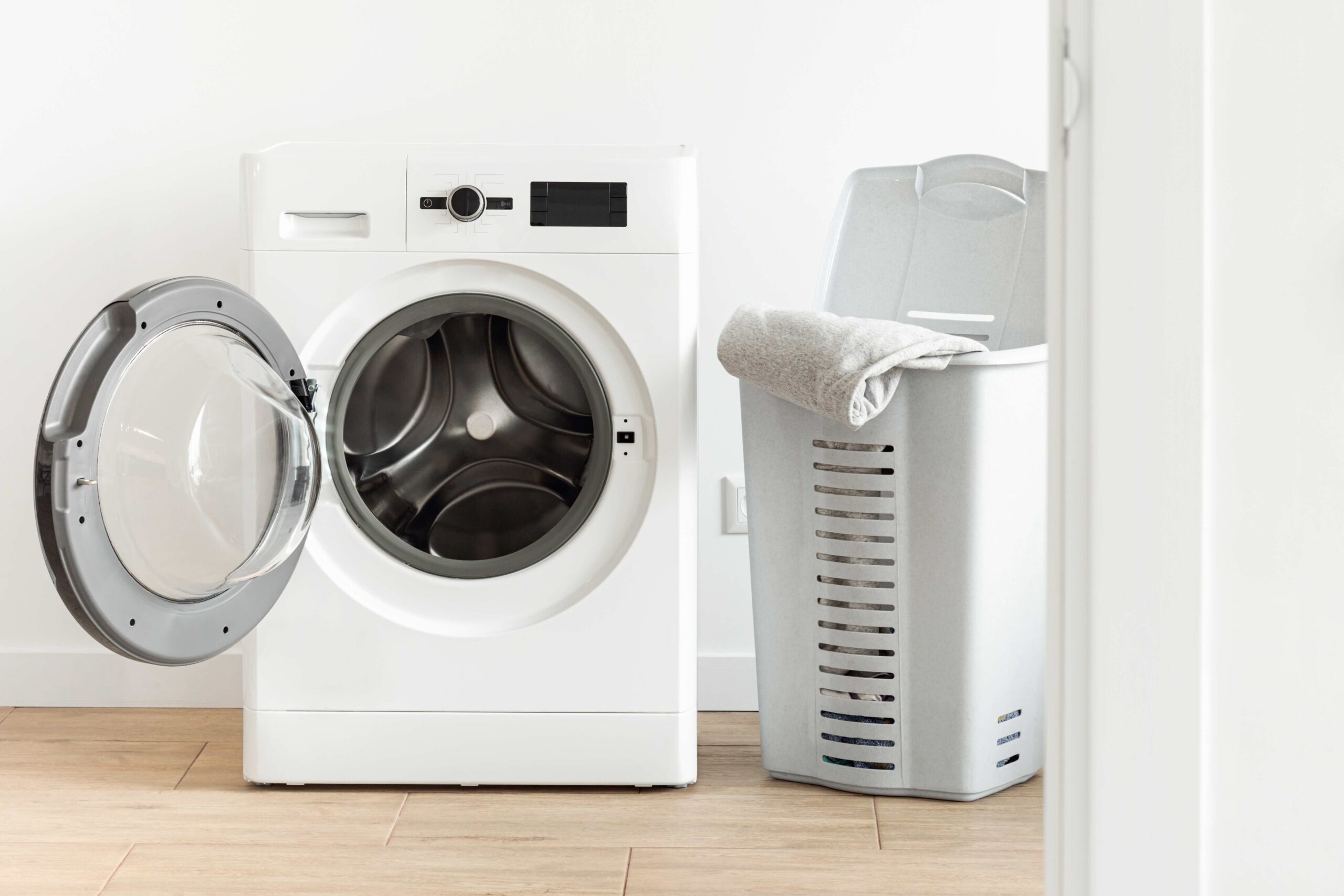
When Your Dryer Drum Stops Turning: What It Means and What to Do
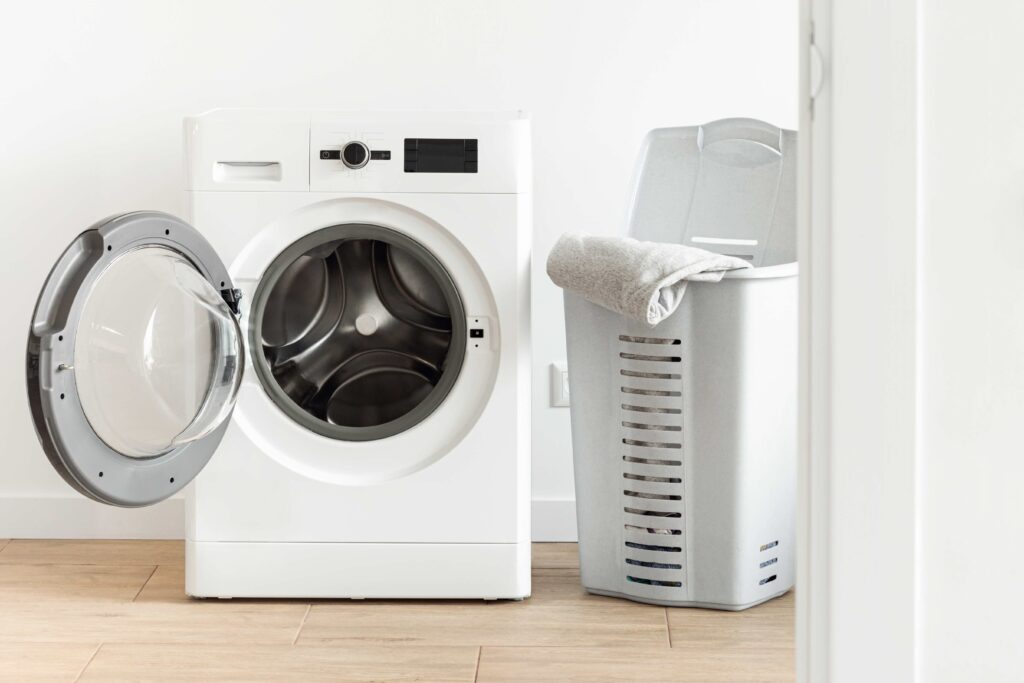
You toss a load of wet laundry into the dryer, press start, and hear the motor humming — but nothing moves. The drum just sits there, completely still, while the machine runs as if everything is fine. It is a frustrating situation that happens more often than most homeowners expect, and it almost always points to a specific mechanical failure somewhere inside the appliance. Understanding what causes a dryer drum to stop turning, how the system works, and what your home warranty may cover can save you time, money, and a whole lot of guesswork.
How a Dryer Drum Actually Works
Most people know what a dryer does, but fewer understand the mechanics behind it. The drum itself is a large cylindrical tub that rotates during the drying cycle. It is driven by a motor, connected through a belt that wraps around the outside of the drum and runs through a pulley and idler system. When you press start, the motor spins, the belt moves, the pulley keeps tension on the belt, and the drum rotates. Heat is generated separately — either through a gas burner or electric heating element — and warm air circulates through the rotating drum to evaporate moisture from your clothes. The rotation is essential. Without it, the heat has nowhere effective to work, and your clothes just sit in a hot, stationary space. That is not drying — that is just waiting.
The Most Common Reasons a Dryer Drum Stops Turning
There are several components that, when they fail, will cause the drum to stop rotating entirely. Most of these are mechanical parts with a finite lifespan, and they wear out gradually with regular use. Here are the primary culprits:
- Broken drive belt — This is the most common cause. The belt wraps around the drum and connects to the motor pulley. Over time it stretches, frays, or snaps. When it breaks, the motor still runs but the drum gets no power.
- Worn or seized idler pulley — The idler pulley maintains tension on the drive belt. If it seizes up or breaks, the belt slips off or loses the tension it needs to rotate the drum.
- Failed drum support rollers — Rollers support the drum as it spins. When they wear out, the drum becomes difficult to rotate and can stop moving altogether under the resistance.
- Motor failure — Less common but possible. If the motor itself fails, nothing runs at all, or it may hum without generating the rotational output needed.
- Worn drum glides or slides — These small plastic pieces reduce friction as the drum rotates. When they wear down, friction increases and the drum may seize or stall.
Signs Your Dryer Belt or Motor May Be Failing
Not every dryer breakdown comes without warning. In the days or weeks before the drum stops completely, there are often signs that something is wearing out. A squealing or thumping noise during operation usually points to worn rollers or a stressed belt. A burning smell can indicate the belt is slipping against a hot surface before it breaks entirely. If the drum takes longer than usual to reach speed when you start a cycle, or if it hesitates before spinning, those are early indicators of belt or pulley wear. Catching these signs early gives you a window to schedule a repair before the appliance fails entirely — which is always the better position to be in.

Can You Diagnose This Problem Yourself
There is a surprisingly simple test that can help you determine whether a broken belt is the issue. Unplug the dryer, open the door, and try to spin the drum manually with your hand. If the drum spins very easily — almost too easily, with no resistance at all — there is a good chance the belt is broken. A functioning drum should have some resistance as the belt and motor components engage. If it spins freely, the connection to the motor has been severed. You can also look inside the drum opening with a flashlight to sometimes spot a snapped belt sitting at the bottom of the cabinet. Beyond that, diagnosing roller wear or pulley failure typically requires disassembling the machine, which is where professional service becomes the more practical option for most homeowners.
The Real Cost of Dryer Drum Repairs
Repair costs for a non-turning dryer drum vary depending on which component failed and your local labor rates. A drive belt replacement is generally one of the more affordable repairs — the part itself is inexpensive, and an experienced technician can complete the job in under an hour. Idler pulley and drum roller replacements are similarly priced. Motor replacements, however, sit on the higher end of the repair cost spectrum and can sometimes approach or exceed the value of an older dryer. This is where the repair-versus-replace decision comes into play, and it is an important one to make with accurate information rather than emotion or urgency.
Electric vs. Gas Dryers — Does It Matter for This Problem
When the drum is not turning, the type of dryer you own — gas or electric — actually does not matter much. The drum, belt, rollers, idler pulley, and motor function the same way in both configurations. The distinction between gas and electric only becomes relevant when the issue involves heat generation rather than drum rotation. That said, gas dryers do involve more safety considerations if you ever need internal access, because of the gas line and igniter components nearby. For most drum rotation issues, a qualified appliance technician handles both types the same way. The safety precautions are just more strictly observed with gas units.
How Home Warranties Cover Dryer Repairs
This is where homeowners in the warranty world often find real relief. A home warranty plan that covers major appliances typically includes clothes dryers — and when the drum stops turning due to normal wear and tear, that is precisely the kind of failure a quality warranty is designed to address. Coverage generally extends to mechanical and electrical components that fail during normal use, which includes drive belts, motors, idler pulleys, and drum support rollers. It is worth reviewing your specific plan documents carefully, because coverage terms vary between providers. Some plans exclude certain components or have conditions related to appliance age or pre-existing issues. Understanding your coverage before something breaks is significantly better than trying to interpret it under the stress of a broken appliance.
Tips for Preventing Drum and Belt Wear Over Time
Regular use will eventually wear out any mechanical component, but a few habits can extend the life of your dryer’s internal parts considerably. Avoid overloading the dryer — heavy loads put excessive stress on the belt and drum rollers, accelerating wear. Clean the lint trap before every single cycle; restricted airflow makes the motor and heating system work harder, which adds stress to the entire mechanical assembly. Have a technician inspect the drum rollers and idler pulley every few years if your dryer is getting older, especially if you start noticing unusual noises. These are relatively low-cost inspections that can catch wear before it becomes a complete breakdown.
Why Armadillo Is the Right Partner When Your Dryer Fails
Appliance failures have a way of arriving at the worst possible time — mid-week, after a workout, with a full hamper of wet laundry sitting there waiting. That is the exact moment when having trusted home warranty coverage for major appliances like your clothes dryer makes an immediate, tangible difference. Armadillo offers straightforward, transparent home warranty plans built around what homeowners actually need — no confusing exclusion lists, no hours spent on hold, and no wondering whether your repair will be covered. When your dryer drum stops turning due to a broken belt, worn rollers, or a failed motor, Armadillo connects you with qualified service professionals quickly. If you are evaluating your options and want to see what protection looks like without the fine-print surprises, you can get a personalized home warranty quote for appliance and system coverage in just a few minutes. The goal is simple: make sure one broken appliance does not derail your entire week or your household budget.

Frequently Asked Questions About a Dryer Drum That Won’t Turn
These are the questions homeowners most commonly ask when facing a dryer drum that has stopped rotating.
Why is my dryer running but the drum not spinning?
The most likely cause is a broken drive belt. The motor is still receiving power and running, but without an intact belt to transfer that motion to the drum, the drum remains stationary. A broken idler pulley can also produce this symptom.
Is it safe to keep running a dryer when the drum won’t turn?
No. If the drum is not turning but the heating element is active, heat can concentrate in one area and create a fire hazard. Turn off and unplug the dryer until the issue has been diagnosed and repaired.
How do I know if the dryer belt is broken?
Unplug the dryer and try to spin the drum by hand. If it rotates with almost no resistance — much more freely than usual — the belt is likely broken or has slipped off the drum entirely.
How long does a dryer drive belt typically last?
Most drive belts last between five and ten years depending on usage frequency and load sizes. Heavy use and overloading shorten belt life significantly.
How much does it cost to replace a dryer belt?
The drive belt itself is an inexpensive part, typically between ten and thirty dollars. With labor, total repair costs usually fall in the range of one hundred to two hundred dollars depending on your location and the technician’s rates.
Does a home warranty cover a dryer drum that won’t turn?
Most home warranty plans that include appliance coverage will cover dryer drum failures caused by normal wear and tear, including the drive belt, idler pulley, drum rollers, and motor. Review your specific plan terms to confirm coverage details.
Can I replace a dryer belt myself?
A handy homeowner with some mechanical aptitude can replace a dryer belt, as there are many model-specific guides available. However, it does require disassembling the machine, which may void any remaining warranty and could lead to additional damage if done incorrectly. Professional service is generally recommended.
What is the idler pulley and why does it matter?
The idler pulley is a small tensioning wheel that keeps the drive belt tight against the drum and motor pulley. If it seizes or breaks, the belt loses tension and the drum stops spinning even if the belt itself is intact.
What does it mean when my dryer makes a squealing noise before the drum stopped turning?
Squealing typically indicates worn drum support rollers or a stressed drive belt. These sounds are early warning signs of imminent mechanical failure. Scheduling service at that point can prevent a complete breakdown.
Will a home warranty pay to replace the dryer if repair costs are too high?
Some home warranty plans include a replacement provision when repair costs exceed the appliance’s value or when a covered repair is not feasible. This varies by provider, so checking your plan documents or contacting your warranty company directly is the most reliable approach.