How to Remove Mold from Ductwork: A Homeowner’s Guide to Clean and Healthy Air
Mold in ductwork is a common concern for homeowners due to the potential health risks and unpleasant odors it can bring into the home environment. Understanding how to effectively remove mold from ductwork not only ensures the health and safety of your household but also enhances the efficiency of your HVAC system. In this comprehensive guide, we will explore the fundamentals of ductwork, the causes and consequences of mold growth, and effective strategies to tackle this unwelcome intruder, all while considering when it might be appropriate to leverage the support from a home warranty plan such as those offered by Armadillo.
Understanding Ductwork and Its Role in Your Home
Ductwork is an integral component of your home’s heating, ventilation, and air conditioning (HVAC) system. It serves as the conduit through which air, whether heated or cooled, is distributed throughout your home. Typically made from materials like sheet metal, fiberglass, or a flexible plastic, ductwork needs regular maintenance to function efficiently. Over time, dust, allergens, and moisture can accumulate within these channels, creating a conducive environment for mold spores to take hold. Identifying mold early and understanding how ductwork operates is critical to preventing and addressing mold-related issues.
How Does Mold Develop in Ductwork?
Mold thrives in the presence of moisture and warmth, and ductwork can offer both conditions. Mold spores, which are naturally present in the air, can enter the duct system and begin to proliferate particularly if there is moisture from condensation or leaks. Furthermore, if the filters of your HVAC system are not regularly changed, they can become clogged, leading to increased humidity levels within the ductwork, thus providing an ideal breeding ground for mold. Recognizing these conditions can help in the proactive prevention of mold development.
Signs of Mold in Ductwork
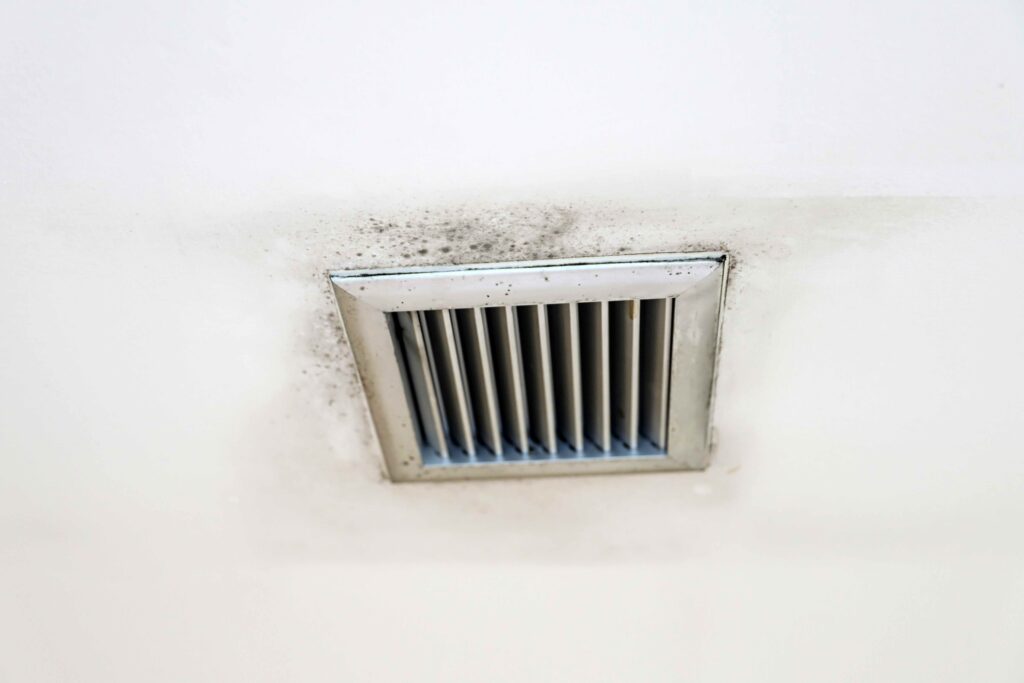
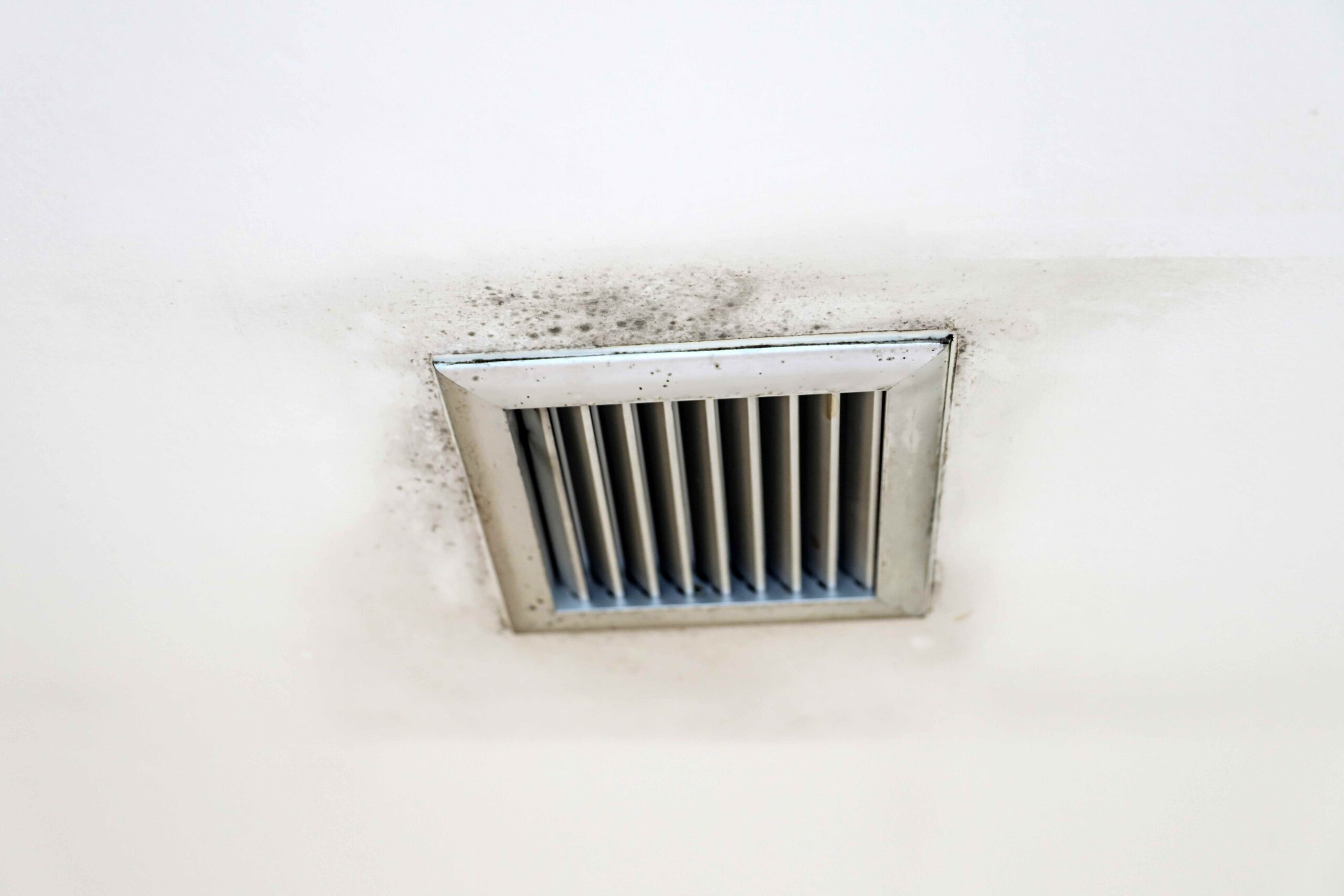
Identifying mold in ductwork can be challenging due to its concealed location. However, some common indicators can alert homeowners to its presence. Unusual musty odors that intensify when the HVAC system is running, unexplained allergies or respiratory issues among the household members, and visible mold growth around vents are all signs that a thorough inspection is warranted. If these symptoms are present, it may be time to investigate further and consider a professional ductwork cleaning or mold remediation service.
Steps to Remove Mold from Ductwork
Removing mold from ductwork involves a systematic approach to ensure thorough cleaning and mold prevention. Begin by shutting off the HVAC system to prevent the spread of spores. Use personal protective equipment such as masks and gloves before accessing the ducts. Clean the affected areas with a specialized mold remover or a mixture of bleach and water, ensuring contact time to kill the spores. Afterward, thoroughly dry the ducts to prevent future growth. While these steps can be executed by knowledgeable homeowners, it is often advantageous to hire professionals who can guarantee complete removal and provide guidance on mold prevention strategies.
Preventive Measures to Avoid Mold Recurrence
After successfully removing mold from your ductwork, implementing preventive measures is crucial to avoid recurrence. Regularly replace HVAC filters to minimize dust and allergens in the system. Insolate ductwork professionally to prevent condensation and ensure your system operates efficiently, thus reducing the likelihood of mold spores settling and growing. Additionally, control the humidity levels in your home using dehumidifiers or air conditioners, especially in damp areas like basements or bathrooms. Regularly scheduled inspections can also aid in early mold detection and mitigation.
Common Drawbacks of Mold Remediation
While mold removal is necessary, it can be associated with certain drawbacks. The process can be time-consuming and may require temporary unavailability of air conditioning or heating, depending on the extent of the mold infestation. Additionally, without proper precautions, there’s a risk of mold spore dispersion during cleaning, which could exacerbate health problems or lead to mold spreading to other areas of the home. It’s essential to weigh these considerations and approach mold remediation deliberately, possibly with professional assistance.
Considering Armadillo for Your Home Warranty Needs
Dealing with mold in ductwork is just one of the challenges homeowners may face. A comprehensive home warranty plan, like those provided by Armadillo, could be a proactive measure to safeguard against unexpected home repair costs associated with systems like HVAC. Armadillo offers customizable plans that can include coverage for mold-related issues and ductwork repairs, providing peace of mind and financial protection. Consider visiting their homepage to learn more about their services, or begin your home warranty journey by starting the sign-up process here.