Understanding Tankless Water Heaters: A Smarter Way to Heat Your Home’s Water
For homeowners looking to upgrade efficiently and responsibly, the tankless water heater has become a compelling choice. It’s sleek, compact, and often touted as energy-efficient—but is it the right fit for your home? This article breaks down what a tankless water heater is, how it works, the practical pros and cons, and what you need to know before making the switch. With a rising trend of energy-conscious improvements and warranty-backed systems making a difference in long-term reliability, knowing how this specific appliance fits into your home’s ecosystem gives you an edge as a homeowner.
What Is a Tankless Water Heater?
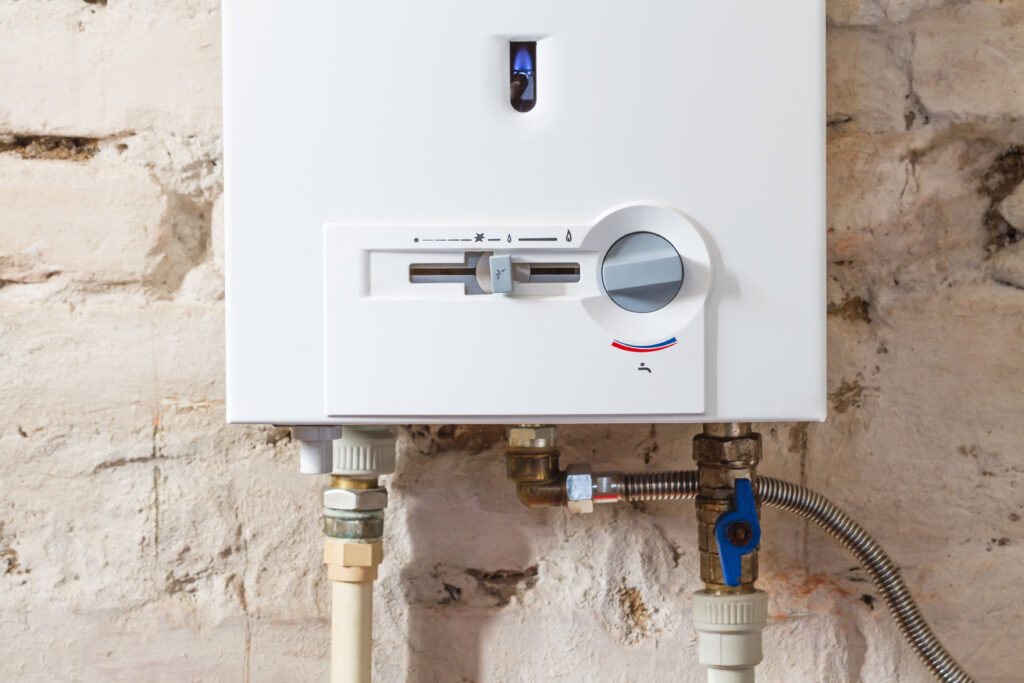
A tankless water heater, often referred to as an on-demand water heater, is a system that heats water only as needed. Unlike traditional water heaters that store and continuously heat water in a tank, the tankless version skips the storage altogether. When someone turns on a hot water tap, cold water flows through a heat exchanger inside the unit, heated by either a gas burner or an electric element. Once the tap is turned off, heating stops immediately. The result—hot water without delay or standby heat loss.
How Does a Tankless Water Heater Work?
The system activates when you turn on a hot water fixture in your home. Cold water quickly travels through pipes into the heating unit. Sensors detect the water flow, trigger ignition, and begin heating via a burner or electric coil. The heated water continues along the pipeline to your faucet or appliance. Once water flow stops, sensors shut the system down. With no tank involved, there’s no ongoing energy consumption just to keep water warm. Efficiency here depends on system size, fuel type, and concurrent usage. Peak-use moments in large households may still require thorough planning—or even multiple units.
Key Benefits of Going Tankless
The first standout benefit is energy efficiency. Since water is only heated when needed, there’s less standby energy loss. According to the U.S. Department of Energy, homes that use 41 gallons or less of hot water daily can enjoy energy savings of 24 to 34% with a tankless system. Then there’s space-saving. Most tankless units are wall-mounted and compact, freeing up square footage in mechanical rooms, basements, or closets. Finally, they offer longer lifespans than their tank-style counterparts. While traditional systems typically last around 10 to 15 years, tankless models can run efficiently for 20 years or more—especially with regular descaling and system maintenance.
Challenges and Drawbacks to Consider
While promising, tankless water heaters come with a few limitations. The up-front cost is usually higher. In addition to the unit itself, installation often requires reworking plumbing or upgrading gas lines, especially in older homes. Response time isn’t always instantaneous, particularly if your system is installed far from faucets or lacks proper recirculation lines. There’s also the flow rate to consider. Tankless heaters can be overwhelmed by simultaneous use—think running a dishwasher while someone showers—unless sized appropriately. Routine maintenance is another consideration. Lime scale buildup, especially in hard water areas, can impede performance if not addressed annually.
Is a Tankless Water Heater Right for Your Home?
This depends on your household’s hot water needs, budget, and layout. Smaller families, or homes with relatively modest usage, tend to benefit most from single tankless units. Larger households might require a unit with a higher flow rate—or multiple systems working in parallel. Climate and water quality also factor in. Colder climates may demand more energy to heat incoming water, while hard water environments intensify the need for filtration and regular flushing. It’s also worth considering access to natural gas lines versus electric power, since energy availability and rates vary regionally. Consulting a licensed plumber or HVAC technician can help you customize based on your home’s size, age, and needs.
Maintenance Best Practices for Tankless Water Heaters
Maintaining a tankless water heater isn’t overly labor-intensive, but it can’t be ignored. Most manufacturers recommend flushing the unit at least once a year to remove mineral buildup, especially in high-lime regions. This helps extend system life and preserve energy efficiency. Air filters, combustion vents, and burner components benefit from annual inspections. Homeowners with hard water should also look into descaler units or inline water softening systems. Keeping the area well-ventilated, particularly for gas-powered systems, reduces risk of carbon monoxide buildup or improper exhaust. Many systems come with built-in diagnostics, but accurate ongoing care typically requires professional servicing.
How Tankless Fits into the Home Warranty Landscape
A conventional home warranty may or may not include a tankless water heater by default. While many plans cover major plumbing systems and water heaters, on-demand systems are sometimes viewed as premium or optional coverage. That’s why it’s essential to choose a home warranty provider familiar with emerging technologies. When properly covered, your system protections should account for normal wear and tear, component failure, and maintenance-related issues. A warranty that matches the sophistication of a tankless heater ensures peace of mind—and can reduce out-of-pocket repair costs when things go wrong. This is especially critical given the higher initial investment of going tankless. A well-structured plan should also simplify the process of locating vetted technicians skilled in servicing the setup.
Why Choose Armadillo for Protecting Your Tankless Investment?
Choosing a tankless water heater is a decisive step toward energy-conscious living and smart home improvement. But even the most efficient systems can falter under stress. That’s where Armadillo steps in—with modern, homeowner-centric warranty plans tailored to today’s smarter appliances and systems. Whether you’re installing your first on-demand unit or protecting an existing setup, Armadillo offers customizable coverage and expert claims support that actually works for you. Ready to protect your tankless water heater with confidence and clarity? Explore everything we offer at armadillo.one or get started with a plan tailored to your home at our plan builder.