Understanding Trash Compactors: A Smart Solution for Efficient Waste Management at Home
Trash compactors are one of those underappreciated household appliances that quietly improve your daily life—until you don’t have one. Effective, space-saving, and surprisingly energy-efficient, trash compactors offer significant benefits when it comes to managing household waste. But what exactly is a trash compactor, how does it work, and is it the right fit for your home? This guide explores everything homeowners need to know, from everyday functionality to warranty considerations that can impact long-term value.
What Is a Trash Compactor?
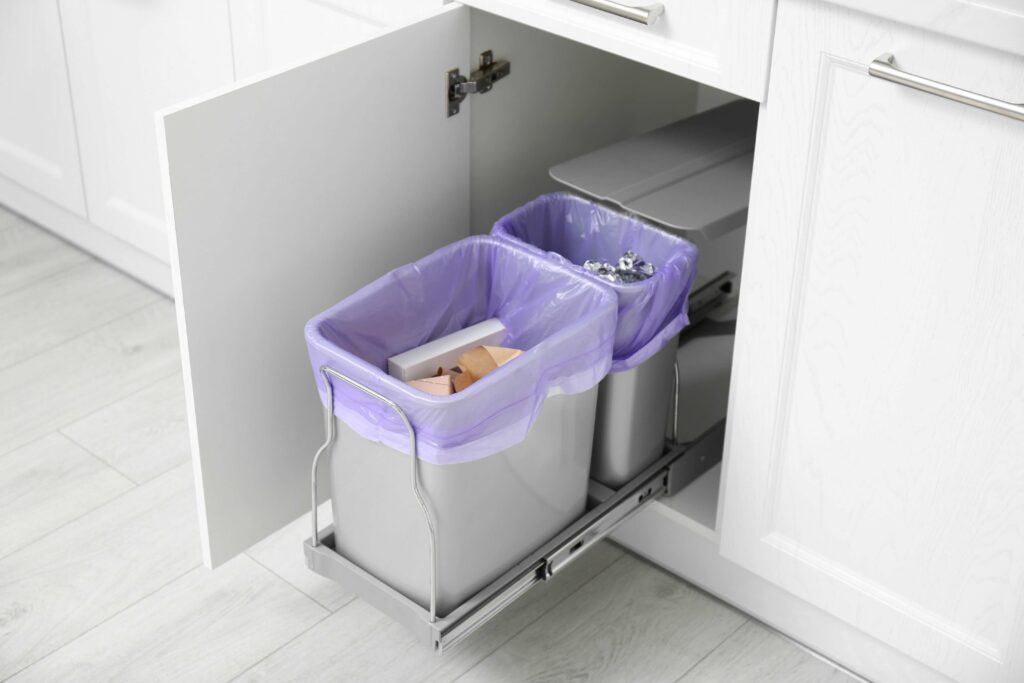
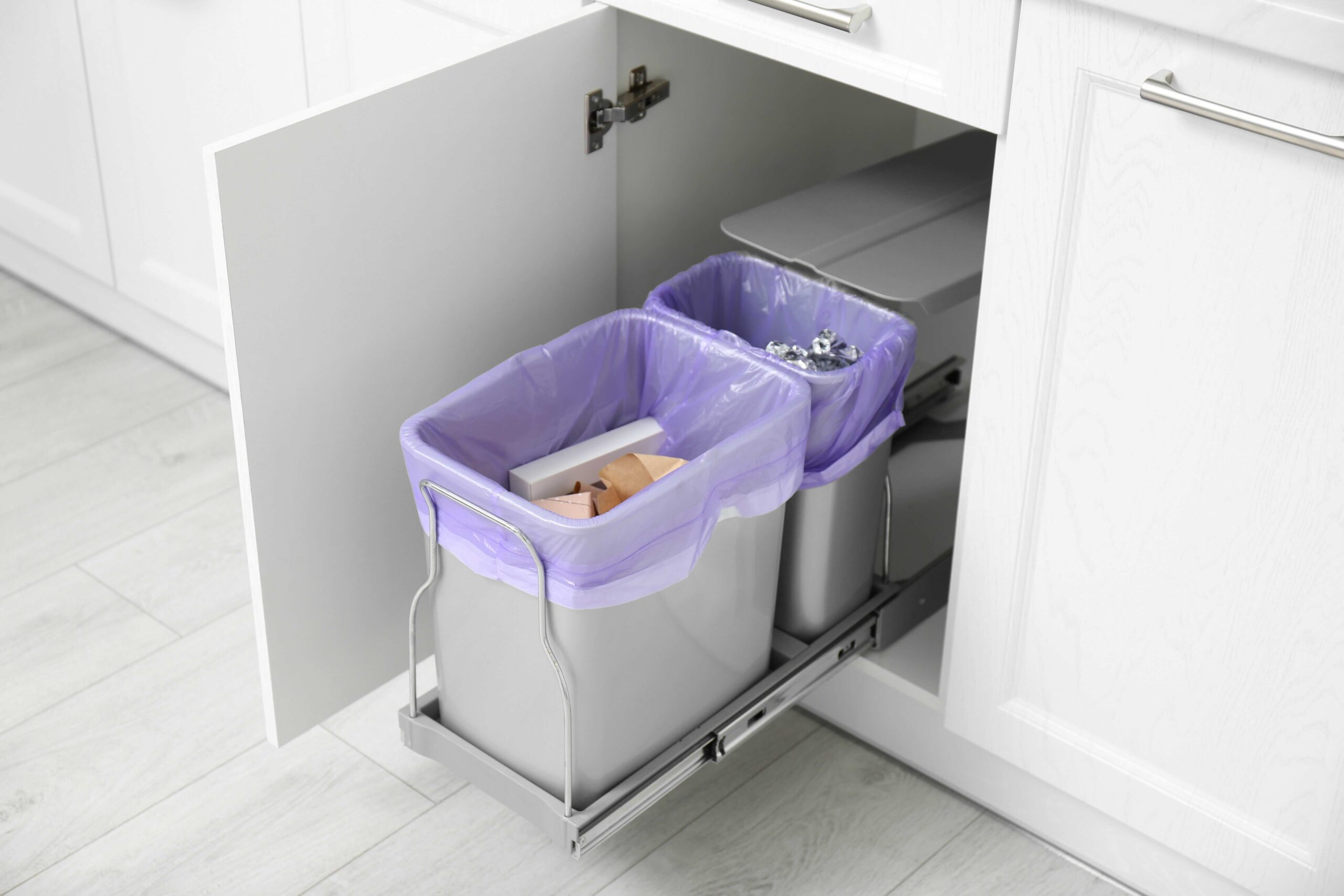
A trash compactor is a household appliance designed to compress waste, reducing its volume by up to 80 percent. Unlike a traditional garbage can that simply stores waste, a trash compactor uses hydraulic or motor-driven ram technology to flatten or minimize the size of garbage. Typically installed under the countertop, much like a dishwasher, compactors are most effective for non-recyclable items like plastic packaging, food wrappers, and general household trash. Front-loading and operated by a foot pedal or button, they keep messes contained while helping reduce the number of trips to the outdoor bin.
How Does a Trash Compactor Work?
Trash compactors operate with a relatively simple mechanism. When you dispose of your waste into the bin and initiate the cycle, the motor engages, activating a metal ram that presses the garbage downward into a smaller, denser mass. This crushing action happens with significant force—anywhere between 2,000 and 5,000 pounds depending on the model. Most compactors feature a bag or liner cartridge that holds the compressed waste, allowing for easy disposability once full. Safety interlocks and odor management systems are standard features, ensuring that operation remains hygienic and hazard-free.
Key Benefits of Installing a Trash Compactor
One primary advantage of a trash compactor is the significant waste volume reduction, which translates directly into fewer garbage bags used and less frequent trips to the bin. This can help streamline waste management routines, especially in family homes where trash builds up quickly. Another benefit is odor control; many compactors are designed with air-freshening cartridges or charcoal filters that neutralize unpleasant smells. Additionally, by compressing plastic waste and packaging, homes can more responsibly manage space in landfills. For eco-conscious homeowners, this small appliance is a practical step toward sustainable living.
Common Challenges and Considerations
Despite their advantages, trash compactors come with certain limitations. Not all waste is suitable for compacting. Glass, metal cans, and sharp items should be excluded to avoid equipment damage, which means that sorting trash remains necessary. Additionally, while compacted trash takes up less room, it can become heavier and more difficult to handle. Like all appliances, compactors can experience mechanical issues over time—motor failure, jammed rams, or broken door latches are among common complaints. For these reasons, choosing a high-quality unit and maintaining it regularly is critical.
Size, Fit, and Installation Requirements
When considering a trash compactor, space planning is essential. The standard under-the-counter model measures approximately 15 inches in width, 34 to 35 inches in height, and up to 24 inches in depth. Compactors require access to an electrical outlet and often benefit from placement near the sink or kitchen prep area for convenience. Some homes opt for freestanding units equipped with finished side panels and tops, allowing them to function as extended countertops. Installation by a licensed professional is generally recommended to ensure optimal functionality and long-term safety.
Is a Trash Compactor Cost-Effective?
Trash compactors are surprisingly affordable considering their utility. Depending on the brand, features, and compaction force, units typically range between $600 and $1,500. Operational costs are low, particularly in electric models that use minimal energy per compaction cycle. However, ongoing expenses include replacement bags and occasional maintenance, such as motor servicing or door alignment. When multiple people share a home and waste output is high, the reduced garbage bag use and time savings tend to justify the investment. Over the long term, reduced strain on local trash services can also indirectly benefit municipal systems.
The Role of Home Warranties in Maintaining Trash Compactors
Because a trash compactor is a mechanical appliance with moving parts, it’s subject to wear with ongoing usage. Motors can burn out. Switches can become unresponsive. Drawer tracks can become misaligned from repeated pulling. While manufacturer warranties typically cover you for one or two years, these warranties don’t tend to last as long as the appliance itself. That’s where a home warranty plan offers real value. With coverage from a reputable provider, you have protection in place for mechanical failures and labor costs associated with repair or replacement. This ensures your investment continues to perform efficiently well beyond its initial service period.
Protect Your Investment with Armadillo
Trash compactors make life easier—and smarter. They save space, reduce mess, support sustainability, and add a touch of modern convenience to your kitchen. But like any appliance, long-term reliability is essential to maximize functionality. That’s where a home warranty from Armadillo makes a strategic difference. Armadillo plans include appliance coverage options that help shield you from the sudden expenses of compactor breakdowns. With fast service, transparent protection, and easy-to-navigate plans, Armadillo ensures peace of mind for your household. Learn more by visiting our homepage or get started with plan selection right away at our signup page.