What Your Garbage Disposal Is Really Telling You When You Toss In Eggshells
Most homeowners have done it at least once. You crack a few eggs, make breakfast, and then just sort of… drop the shells into the garbage disposal without really thinking about it. It feels fine. The disposal grinds them up. Problem solved, right? Not exactly. That small, seemingly harmless habit is one of the most common ways homeowners unknowingly damage one of their kitchen’s most relied-upon appliances. And once you understand how a garbage disposal actually works, the eggshell situation starts to make a lot more sense.
What Is a Garbage Disposal and How Does It Actually Work
A garbage disposal is an electrically powered appliance installed beneath the kitchen sink, between the drain and the drainpipe. It sits inside a grinding chamber and uses a spinning plate called an impeller disc, along with stationary grind rings, to break down food waste into small enough particles to pass safely through the plumbing system. It is worth noting that disposals do not actually use blades the way a blender does. The grinding action is more like a high-speed pulverizing process, and that distinction matters a lot when you think about what kinds of food waste can actually be handled effectively. Hard, dense, or fibrous materials tend to be where the system runs into trouble. And eggshells, despite what many people assume, fall right into that category.
The Eggshell Myth That Will Not Seem to Go Away
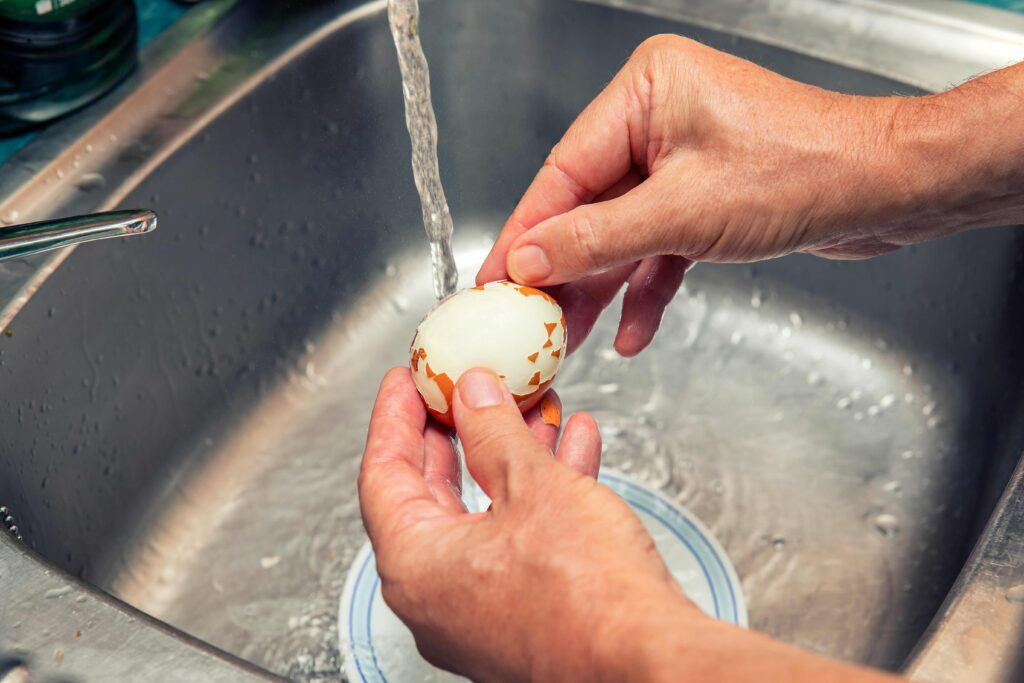
There is a widely repeated piece of kitchen advice that suggests eggshells are actually good for your garbage disposal because the gritty texture helps sharpen the grinding components. This is not accurate, and it has been causing quiet, cumulative damage in kitchens for decades. Here is what actually happens: the thin membrane lining the inside of an eggshell does not grind up cleanly. Instead, it wraps around the impeller disc and mechanical parts inside the unit, creating buildup over time. The shell fragments themselves can also contribute to an accumulating layer of gritty sediment inside the drain lines. Neither of those outcomes is good for the longevity of the appliance or the plumbing connected to it.
Other Common Items That Should Stay Out of the Disposal
Eggshells are not the only culprit homeowners need to watch out for. There are several categories of food waste that consistently cause problems in garbage disposals, and understanding them can extend the life of the unit considerably. The most problematic items include:
- Fibrous vegetables like celery, artichokes, and corn husks, which tangle around the moving parts
- Grease, cooking oil, and fatty food residue, which coagulate inside pipes over time
- Coffee grounds, which are deceptively fine but accumulate into a dense, pipe-clogging paste
- Potato peels and starchy foods, which can form a thick slurry that gums up the grinder
- Bones and pits from fruit, which are too hard for most standard residential units to manage
- Pasta and rice, which expand with water and tend to create blockages inside drain lines
Running cold water while operating the disposal is one of the most practical habits a homeowner can adopt. Cold water keeps fats solidified during the grinding process, making it easier for them to pass through the system without coating the interior walls of the pipes.
How to Keep Your Garbage Disposal Running Well Over Time
Routine maintenance for a garbage disposal does not need to be complicated or time-consuming. A few consistent habits go a long way toward keeping the unit functioning properly. Cutting larger pieces of food into smaller portions before they go into the disposal reduces the strain on the motor. Running cold water for several seconds before and after use helps flush debris through the drain completely. Periodically grinding a small amount of ice can help dislodge residue from the interior of the grinding chamber. For odor control, citrus peels work well and are one of the few items that are genuinely safe for the unit. These are small adjustments that compound into real protection for the appliance.

Signs Your Garbage Disposal May Be Failing
Even with careful use and consistent maintenance, garbage disposals do not last forever. The average lifespan for a residential unit is somewhere between eight and fifteen years, depending on quality, frequency of use, and how well the unit was treated over its life. There are clear indicators that the disposal may be approaching the end of its functional window. Persistent humming without grinding typically signals a jammed or failing motor. Frequent resetting using the reset button on the bottom of the unit often means the motor is overheating due to stress or age. Leaks from beneath the unit or from the mounting area suggest seal deterioration. Slow draining that does not respond to routine clearing can point to internal buildup or a partial blockage. Any combination of these symptoms warrants a closer look.
Repair Versus Replacement: How to Think Through the Decision
When a garbage disposal starts showing signs of wear, the question of whether to repair or replace it is one homeowners naturally find themselves weighing. As a general guideline, if the unit is more than ten years old and experiencing multiple symptoms, replacement tends to make more financial sense than repair. Newer units are more energy-efficient and often come with improved motor power and noise reduction technology. On the other hand, if the unit is relatively new and the issue is something straightforward like a jam or a tripped reset button, repair is almost always the better route. The cost of a mid-range garbage disposal replacement unit ranges widely but typically falls between one hundred fifty and four hundred dollars for the unit alone, not including labor.
What a Home Warranty Actually Covers When It Comes to the Garbage Disposal
This is where a lot of homeowners get caught off guard. A garbage disposal is considered a built-in appliance in most home warranty plans, which means it is typically eligible for coverage when it fails due to normal wear and use. However, coverage is not unconditional. Most home warranty providers will not cover damage that results from misuse, improper installation, or neglect. That means if a technician determines the disposal failed because of repeated improper use, such as consistently putting eggshells, grease, or fibrous material down the unit, a claim may be denied. This is a meaningful distinction, and it reinforces why understanding how to use the appliance correctly is not just practical advice. It is also financially relevant.
What to Do Right Now to Protect Your Disposal and Your Coverage
The most actionable steps a homeowner can take are also the simplest. Stop putting eggshells, grease, fibrous vegetables, and starchy foods in the disposal immediately. Run cold water every time the unit is in use. Clean the unit monthly with ice or a small amount of dish soap while the disposal runs. If the unit is making unusual noises, address them before they escalate into full failure. And if the disposal is older or starting to show symptoms, it may be worth having it inspected before a breakdown forces the decision. Proactive awareness is the difference between a minor inconvenience and an unexpected repair bill.
Why Armadillo Is the Smart Choice for Protecting Your Kitchen Appliances
Garbage disposals, dishwashers, refrigerators, and all the other appliances that keep a kitchen functional have one thing in common: they break down eventually, and the timing is almost never convenient. That is exactly the kind of uncertainty that a home warranty is designed to address. Armadillo home warranty coverage for kitchen appliances and home systems is built around simplicity and transparency, so homeowners are not left guessing about what is included when something goes wrong. There are no confusing tiers of coverage designed to obscure what is actually protected. When your garbage disposal fails due to normal wear and tear, you should be able to file a claim with confidence rather than anxiety. That is the standard Armadillo holds itself to. If you are ready to stop worrying about when the next appliance breakdown will hit your budget, get a free home warranty quote that covers your garbage disposal and more and find out how straightforward protecting your home can actually be.

Frequently Asked Questions About Garbage Disposals and Home Warranty Coverage
Homeowners tend to have a consistent set of questions when it comes to garbage disposals and how they intersect with home warranty protection. Here are clear answers to the ones that come up most often.
Are eggshells actually bad for a garbage disposal?
Yes. The inner membrane of an eggshell does not grind cleanly and tends to wrap around internal components, causing buildup and mechanical strain over time. The shell fragments also contribute to sediment accumulation in drain lines.
Does a home warranty cover a garbage disposal?
In most cases, yes. Garbage disposals are typically covered under home warranty plans as built-in kitchen appliances, provided the failure is the result of normal wear and use rather than misuse or neglect.
What voids a home warranty claim on a garbage disposal?
Claims can be denied if a technician determines the unit failed due to improper use, such as regularly disposing of prohibited items like grease, bones, fibrous vegetables, or eggshells, or if the unit was improperly installed.
How long does a garbage disposal typically last?
Most residential garbage disposals last between eight and fifteen years. Lifespan depends on the quality of the unit, how frequently it is used, and whether it has been maintained and used correctly over time.
What should I never put in a garbage disposal?
Avoid putting eggshells, grease, cooking oil, coffee grounds, fibrous vegetables, starchy foods like pasta or potato peels, fruit pits, and bones into a garbage disposal. These items cause mechanical damage or plumbing blockages.
Why does my garbage disposal keep tripping the reset button?
Frequent resetting usually indicates that the motor is overheating, often due to a jam, excessive strain, or a unit that is aging and no longer operating efficiently. If it happens repeatedly, the disposal may need professional inspection or replacement.
Is it worth repairing an old garbage disposal or should I replace it?
If the unit is more than ten years old and experiencing multiple issues, replacement is generally the more cost-effective option. For newer units with isolated problems like a jam or a tripped reset, repair is usually sufficient.
How can I clean my garbage disposal safely?
Grinding a cup of ice periodically helps dislodge interior residue. Running citrus peels through the unit helps with odor. A small amount of dish soap used while the disposal runs can also help clean the grinding chamber without causing damage.
Does running water while using the disposal actually matter?
Yes. Cold water should be running before, during, and for several seconds after using the disposal. It helps flush debris through the drain and keeps fats solidified so they move through the plumbing system more effectively.
How do I know if my garbage disposal is covered under my current home warranty?
Review your home warranty contract to check whether built-in kitchen appliances are listed as covered components. If the language is unclear, contact your provider directly to confirm coverage terms before you need to file a claim.