What Is an Electric Hot Water Tank and Why Does It Matter in Your Home?
Most homeowners do not think about their electric hot water tank until something goes wrong. That is actually a pretty common pattern. The water heater sits in a utility closet or basement, quietly doing its job, and life moves on. But when it stops working, suddenly everything grinds to a halt. No hot showers. No comfortable dishwashing. No functioning laundry cycle. Understanding how this appliance works, what makes it reliable, and when it starts to fail is genuinely useful information, and the kind that can save you from an expensive surprise.
How an Electric Hot Water Tank Actually Works
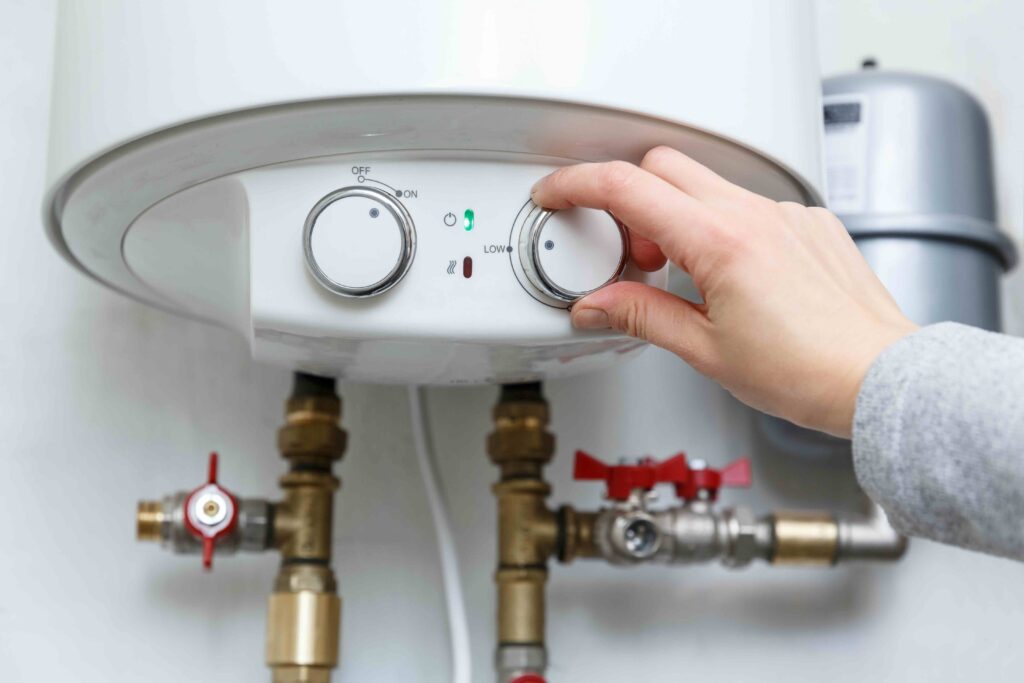
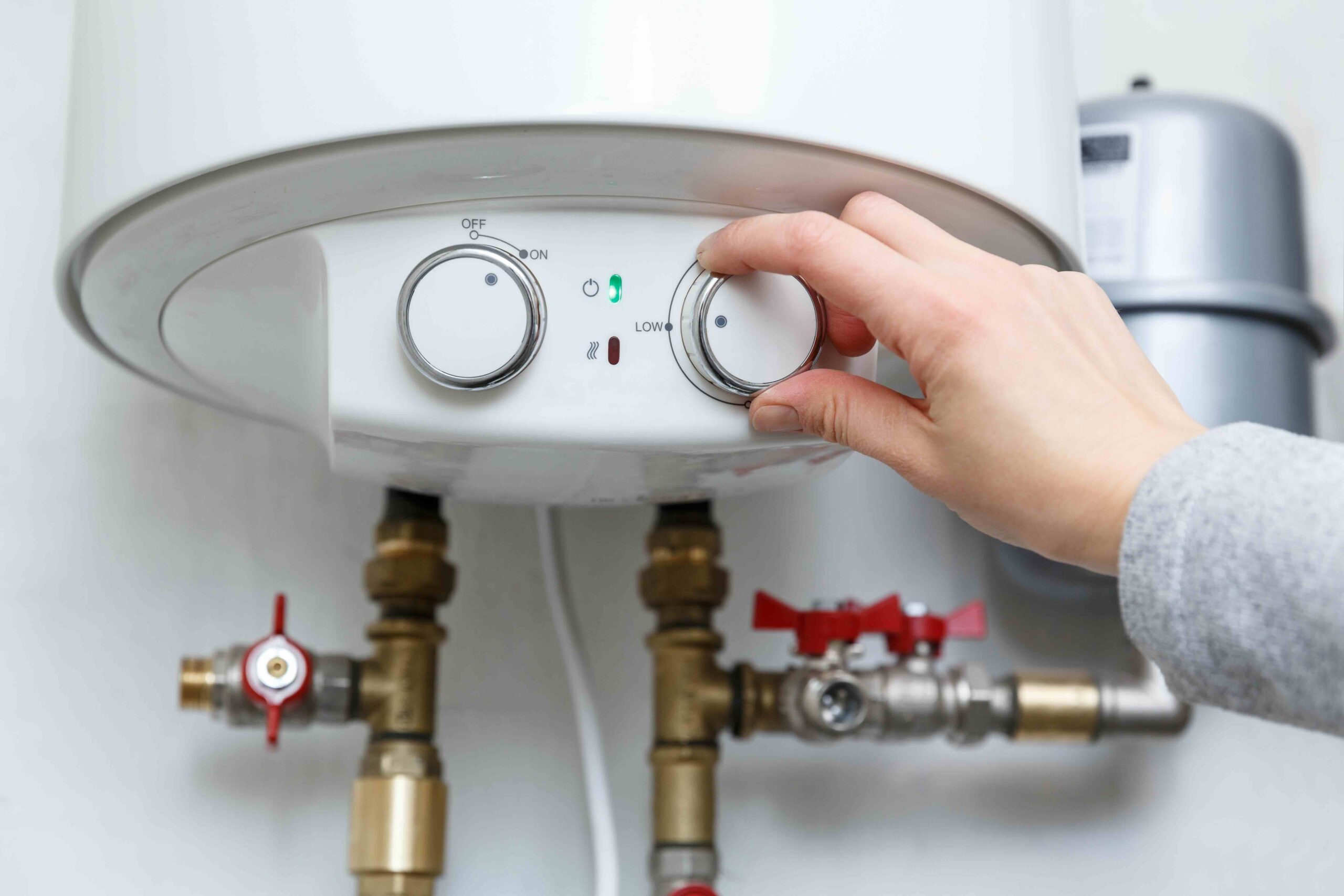
An electric hot water tank stores a reservoir of water, typically between 30 and 80 gallons depending on the unit, and uses one or two electric heating elements to bring that water up to a set temperature. Most units are configured with a thermostat that monitors the water temperature and triggers the heating elements when the temperature drops below a preset threshold. Cold water enters from the bottom of the tank, gets heated, and rises to the top where it is drawn off through the hot water outlet whenever a tap is opened. There is also a component called the anode rod, which is a sacrificial metal rod designed to attract corrosive minerals and prevent the interior of the tank from rusting out. It is easy to overlook, but it is doing a lot of quiet, important work.
Key Components You Should Know About
Getting familiar with the parts inside your electric hot water tank is not just nerdy trivia. It is practical knowledge that helps you communicate with repair technicians and understand quotes you receive. The core components include:
- Upper and lower heating elements, which are responsible for the actual heat generation
- Upper and lower thermostats, which regulate when each element activates
- The anode rod, which protects the tank from internal corrosion
- The pressure relief valve, a critical safety feature that releases pressure if the tank overheats
- The dip tube, which directs incoming cold water to the bottom of the tank
- The drain valve, used for flushing sediment during routine maintenance
Each of these components has a specific lifespan and can fail independently. A burned-out heating element, for example, does not necessarily mean you need a whole new tank. That distinction matters a great deal when you are weighing repair costs against replacement.
The Advantages of Electric Hot Water Tanks
Electric hot water tanks remain one of the most popular options in American homes, and there are solid reasons for that. They do not require a gas line, which makes them accessible in virtually any home regardless of utility infrastructure. Installation is generally straightforward compared to gas units, and there is no need for venting or exhaust considerations. The upfront cost for a standard electric storage tank is typically lower than gas or heat pump alternatives, which makes it an accessible entry point for homeowners replacing an aging unit. Maintenance needs, while real, are manageable with occasional flushing and periodic anode rod checks. And because there is no combustion happening inside the unit, some homeowners find electric models feel safer and simpler to manage.
The Drawbacks Worth Understanding
No appliance is without its trade-offs, and the electric hot water tank is no exception. The biggest criticism is operating cost. Electric resistance heating is generally less energy-efficient than gas or heat pump water heating, which means higher monthly utility bills over time. Recovery rate is another consideration. If your household empties the tank, you may wait longer for hot water to replenish compared to a gas-powered unit. Sediment buildup from hard water is a persistent issue that, if left unaddressed, can reduce efficiency and shorten the lifespan of the heating elements. On average, an electric storage tank lasts between 8 and 12 years, which is not a long runway when you consider the replacement cost involved.

Common Electric Water Heater Repairs and What They Signal
Electric hot water tanks tend to give warning signs before they fail completely. Knowing what to watch for gives you time to act before you are dealing with a cold shower emergency or worse, a flooded utility room. The most frequently reported issues include:
- No hot water at all, which often points to a failed heating element or tripped circuit breaker
- Lukewarm water, typically caused by a malfunctioning thermostat or a failed upper heating element
- Water that smells sulfuric or metallic, often linked to a deteriorating anode rod
- Popping or rumbling sounds, a classic sign of sediment buildup on the heating elements
- Visible rust or corrosion around the unit, which can indicate internal tank degradation
- Pooling water near the base of the unit, which is a serious sign and warrants immediate attention
Routine Maintenance That Extends the Life of Your Unit
Consistent, simple maintenance can add years to your electric water heater’s service life and prevent many of the issues listed above. Flushing the tank once or twice a year removes sediment that accumulates at the bottom and insulates the heating elements from the water, forcing them to work harder and burn out faster. Checking and replacing the anode rod every three to five years is one of the highest-return maintenance tasks a homeowner can perform. It is a relatively inexpensive part, and a fresh one can meaningfully extend how long your tank lasts. Keeping the area around the unit clear, verifying the pressure relief valve works correctly, and setting the thermostat to around 120 degrees Fahrenheit are small habits that collectively make a measurable difference.
When to Repair Versus When to Replace
The repair versus replace decision is one that every homeowner faces eventually with a water heater. A useful rule of thumb in the industry is the 50 percent rule: if the repair cost exceeds 50 percent of the cost of a new unit, replacement is usually the smarter investment. Age is a major factor. If your tank is over 10 years old and facing its second or third significant repair, continuing to patch it is often throwing good money after bad. On the other hand, a relatively young tank with a failed heating element is almost always worth repairing since the fix is straightforward and cost-effective. Getting a second opinion on any repair estimate over a few hundred dollars is always a reasonable approach.
How a Home Warranty Can Protect You Against Water Heater Costs
Repair and replacement costs for electric hot water tanks can range from a modest thermostat swap to several hundred dollars for element replacement to well over a thousand dollars for a full tank replacement including labor. That range is wide enough to create real financial stress, especially when the failure happens without warning. This is where a home warranty plan enters the picture as a genuinely practical tool. A home warranty is a service contract that covers the repair or replacement of major home systems and appliances when they fail due to normal wear and tear. Unlike homeowner’s insurance, which covers sudden damage from events like fires or floods, a home warranty is specifically designed for the mechanical breakdowns that happen simply because appliances age and components wear out. For a predictable annual or monthly premium, you trade the uncertainty of unexpected repair bills for a known, manageable cost.
Why Armadillo Is Worth Considering for Your Water Heater and Home Protection
When it comes to protecting your electric water heater and the other critical systems in your home, the quality of your warranty provider matters just as much as the coverage itself. Armadillo is built around the idea that homeowners deserve straightforward protection without the fine print frustrations that make traditional warranty claims feel like a full-time job. If you are exploring home warranty plans that cover electric water heater repairs and replacements, Armadillo offers a transparent, homeowner-friendly experience that keeps you in the driver’s seat. The process for getting covered is refreshingly simple, and if you are ready to see what protection looks like for your specific home, you can get a free home warranty quote for electric appliance and system coverage in just a few minutes. Knowing your water heater is covered means that the next time you hear a strange rumble from the utility closet, you have a plan already in place.

Frequently Asked Questions About Electric Hot Water Tanks
Here are answers to some of the most common questions homeowners ask about electric water heater operation, maintenance, repair, and warranty coverage.
How long does an electric hot water tank typically last?
Most electric storage water heaters have a lifespan of 8 to 12 years with proper maintenance. Factors like water hardness, usage volume, and maintenance frequency all affect longevity.
What causes an electric water heater to stop producing hot water?
The most common causes are a tripped circuit breaker, a failed heating element, or a malfunctioning thermostat. Checking the breaker panel first is always a logical starting point before calling a technician.
How often should I flush my electric hot water tank?
Flushing the tank once or twice per year is a recommended practice. In areas with hard water, more frequent flushing helps prevent sediment buildup that reduces efficiency and accelerates element wear.
What is the anode rod and when should it be replaced?
The anode rod is a metal rod, typically magnesium or aluminum, that corrodes in place of the tank lining to prevent rust. It should be inspected every three years and replaced when significantly depleted, generally every three to five years.
Is it safe to set my water heater thermostat higher than 120 degrees?
Settings above 120 degrees Fahrenheit increase the risk of scalding, particularly for children and elderly residents. The U.S. Department of Energy recommends 120 degrees as the optimal balance between safety, energy efficiency, and effective hot water delivery.
Does a home warranty cover electric water heater repairs?
Many home warranty plans do cover electric water heater repair and replacement when failure occurs due to normal wear and tear. Coverage details vary by provider, so reviewing what is included and excluded in any plan before purchasing is essential.
What are the signs that my electric water heater needs to be replaced rather than repaired?
Signs pointing toward replacement rather than repair include a tank that is over 10 years old, visible corrosion or rust on the tank exterior, recurring failures, or a repair estimate that exceeds half the cost of a new unit.
Can sediment in a water heater damage my plumbing?
Yes. Sediment dislodged from the tank can travel into your home’s plumbing and fixtures, contributing to reduced water flow and premature wear on faucet aerators and appliance inlet valves over time.
Why does my hot water smell like rotten eggs?
A sulfur or rotten egg odor from hot water typically indicates bacterial activity in the tank, often accelerated by a depleted or inactive anode rod. Replacing the anode rod and flushing the tank usually resolves the issue.
What is the difference between a home warranty and homeowner’s insurance for water heater coverage?
Homeowner’s insurance covers damage caused by sudden, accidental events such as flooding or fire. A home warranty covers mechanical and electrical failures resulting from normal wear and tear, which is the category most water heater breakdowns fall into.