Why Your Electric Water Heater Isn’t Heating—and What Grounding Has to Do With It
Few things interrupt daily life as abruptly as a cold shower. If your electric water heater suddenly stops delivering hot water, there’s often more to the story than a broken element. Grounding—or the lack thereof—plays a pivotal, yet often overlooked, role in electric water heater performance. While it’s easy to assume all water heater issues stem from failed components, grounding problems can disrupt function, compromise safety, and present unique challenges, especially for homeowners under a home warranty. Understanding how electric water heaters work, where grounding fits into the picture, and how to troubleshoot issues empowers you to respond quickly and wisely.
Understanding How an Electric Water Heater Works
An electric water heater is a relatively straightforward appliance, which makes it all the more frustrating when it doesn’t perform one of its few core jobs: heating water. The system typically consists of a storage tank, two heating elements (upper and lower), thermostats to regulate temperature, and internal wiring to connect it all to your home’s electrical supply. When you call for hot water, the thermostats trigger the elements, which then heat the water inside the tank until the set temperature is reached.
This process relies entirely on electrical current. Without a consistent and safe flow of electricity through the circuit, your water heater can’t operate at full capacity—or at all. That’s where grounding comes in. Proper electrical grounding ensures that excess electricity can exit the system safely, protecting both the appliance and the homeowner.
What Grounding Is and Why It Matters
Grounding in electrical systems refers to the process of directing excess or stray current safely into the earth, away from appliances and people. It’s a crucial part of any circuit. In electric water heaters, grounding not only helps prevent electrical shock but is also required for consistent and stable operation. Without it, the water heater may experience compatibility issues, intermittent heating, or complete failure.
Regulatory agencies and manufacturers require grounding for water heaters to meet both safety codes and warranty standards. In fact, some newer electronic thermostat models won’t operate at all unless they detect a proper ground. That’s why a seemingly operational heater—connected, filled, and wired—might refuse to heat if grounding is compromised or incomplete.
Common Reasons Your Electric Water Heater Isn’t Heating
When your electric water heater isn’t producing hot water, the usual suspects tend to be failed thermostats, burnt-out elements, tripped breakers, or loose wiring. However, grounding lapses are often overlooked, especially by DIYers or less-experienced technicians. Here’s the challenge: a water heater without grounding might still appear powered on. Lights might function. You may hear a faint hum. But there will be no heat. The unit is detecting an unsafe environment and disabling the element cycle to protect the system.
Other times, grounding wires may have been mistakenly disconnected during an installation or home upgrade. Renovations, new panel upgrades, or rewiring projects often lead to shifting connections. If the ground wire is absent, corroded, or broken, your water heater may silently stop functioning. In these cases, the unit hasn’t failed mechanically—it’s responding to a detected grounding issue by halting operation.
Diagnosing Grounding Issues at Home
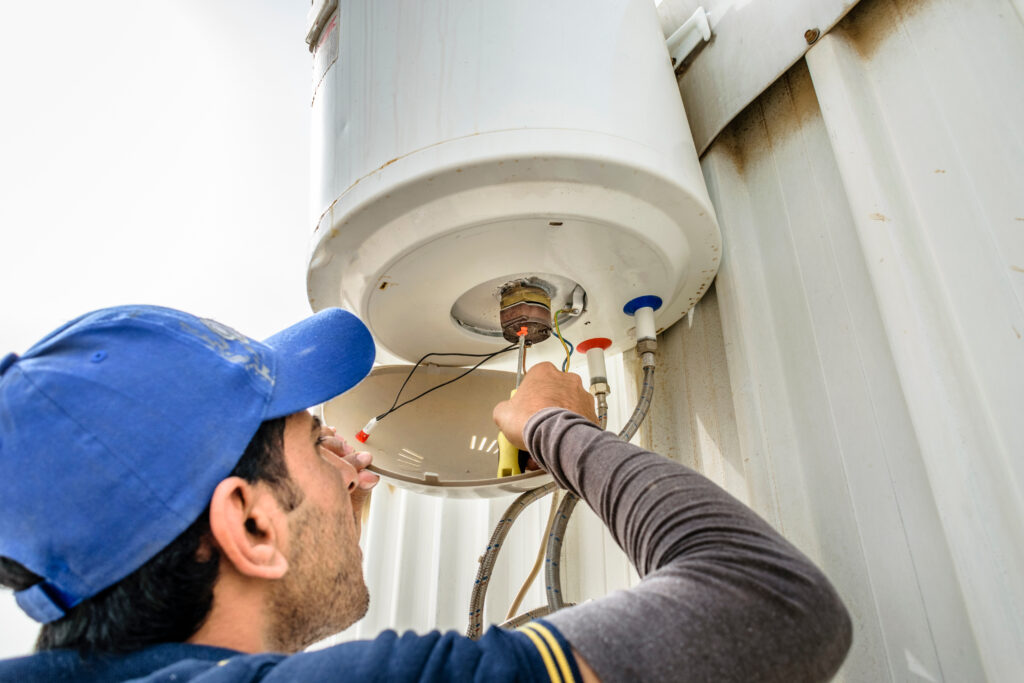
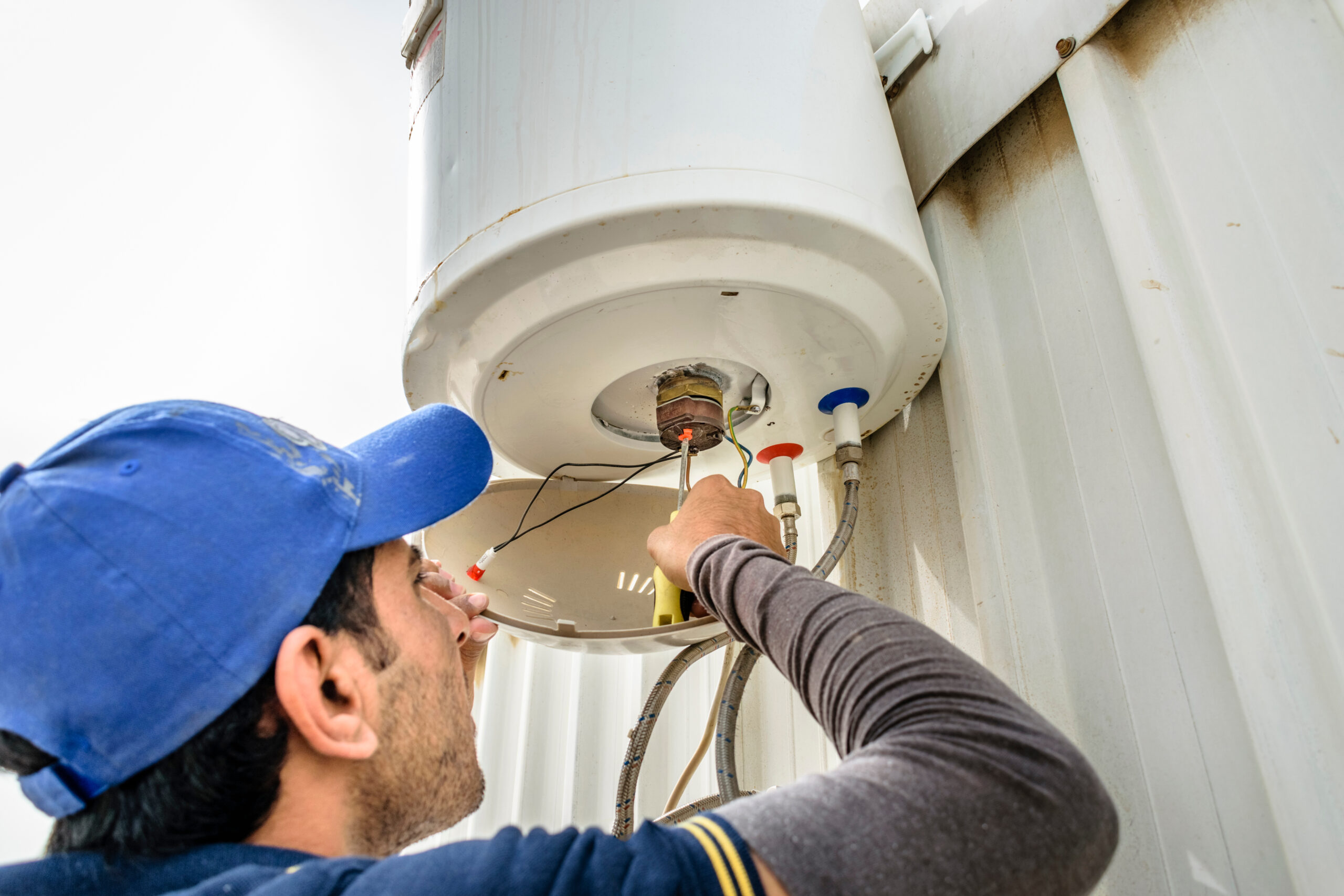
If your electric water heater isn’t heating, and you’ve ruled out tripped breakers and thermostat settings, it may be time to assess grounding. One of the easiest ways to investigate is by visually inspecting the ground wire connection on the appliance. Ensure there is a secure, cleanly attached copper wire connected to the green grounding screw near the wiring compartment.
More technical methods involve using a multimeter to measure continuity between the heater and the ground or between the ground and neutral connections in the main panel. Keep in mind, any electrical diagnostics carry significant risk—you should engage a licensed electrician if you’re unfamiliar with live circuits and grounding paths.
In terms of home warranty service, grounding issues often present a gray area. Home warranty plans typically don’t cover inadequate or missing grounding, considering it a precondition rather than a failure. That’s why it’s critical to ensure proper grounding is in place before or shortly after electric water heater installation.
The Long-Term Effects of Poor or Missing Grounding
Beyond just stopping your water heater from functioning, poor or absent grounding increases the risk of component damage. Electrical arcs, voltage fluctuations, and corrosion can occur more readily within an ungrounded system. This can lead to erosion of the heating elements, premature thermostat failure, and disruptions in the control board operation. In short, grounding isn’t just a safety feature—it’s foundational to long-term performance and appliance protection.
Moreover, lacking proper grounding can jeopardize warranty eligibility. An increasing number of manufacturers require documented compliance with National Electric Code grounding standards during installation. Failing to meet those standards can void coverage, whether it’s under an appliance warranty or a home warranty service agreement.
Preventing Future Heating Interruptions
To avoid future grounding-related issues, ensure your electric water heater is installed or inspected by a qualified professional. Even if everything appears to be functioning normally after a self-install, you could inadvertently be operating with incomplete grounding, putting the system at risk. This risk multiplies if your home has undergone recent electrical changes or if the installation repurposed wiring from an older unit that was compliant under outdated codes.
In properties with older electrical systems, grounding methods from previous standards may no longer suffice under current safety codes. An outdated two-wire system, for example, may require a properly rated ground rod installation or an upgrade to a three-wire connection to meet modern safety expectations.
Time for a Replacement, or Just a Repair?
Here’s where many homeowners get stuck: If the water heater isn’t heating, is it time for a new one? Not always. If the problem lies in grounding—and the components are intact—a licensed electrician may be able to restore function simply by correcting the ground path. This is notably less expensive than full replacement and often falls outside the scope of typical home warranty coverage unless the failure has directly impacted the internal parts.
However, if a grounding issue has led to repeated thermostat failures or element burnout, continuous repairs can become cost-ineffective. In this instance, consulting your home warranty provider to understand which repair or replacement solutions are available under your plan is a wise next step.
Why Armadillo Is the Smart Choice for Home Warranty Protection
When your electric water heater stops heating—whether due to grounding, failed components, or both—you want a home warranty partner that understands how systems work and what homeowners actually need. Armadillo offers clear, intelligent warranty plans built around real-world conditions. We know how to handle mechanical failures while giving homeowners the confidence to tackle grounding and safety issues the right way. Explore our easy-to-understand plan options at armadillo.one, or get started with a customized plan tailored to your needs by visiting our plan builder tool.