What Is an Electrical Outlet and Switch — and Why Should You Actually Care?
Most homeowners think about outlets and switches only when something goes wrong — a dead outlet, a switch that sparks, or a light that flickers at the worst possible moment. But these components are much more than simple conveniences. They are the access points to your home’s entire electrical system, and understanding how they work can save you money, prevent hazards, and help you make smarter decisions about repairs, upgrades, and coverage. So let’s slow down for a moment and actually talk about what outlets and switches are, how they function, and what you need to know as a homeowner.
The Basics: How Electrical Outlets and Switches Work
An electrical outlet — technically called a receptacle — is a device mounted in your wall that allows appliances and electronics to connect to your home’s electrical circuit. When you plug something in, metal contacts inside the outlet complete the circuit, allowing current to flow from your home’s wiring into whatever device you’re powering. Switches work on a similar principle, except instead of providing a connection point for a plug, they interrupt or complete the circuit that powers a hardwired fixture, like a ceiling light or exhaust fan. Both components are connected to your home’s electrical panel through a network of wiring, circuit breakers, and sometimes additional safety devices. It sounds complicated, but the core idea is straightforward: electricity flows in a loop, and outlets and switches control how and where that loop opens or closes.
Types of Outlets You Will Encounter in a Modern Home
Not all outlets are the same, and knowing the difference matters more than most people realize. The standard two-slot or three-slot outlet is what you find in most living rooms, bedrooms, and kitchens. The third slot — the round hole — is the ground, which provides a safe path for electricity in the event of a fault. Then there are GFCI outlets, which stand for ground fault circuit interrupter. These are the outlets with the small test and reset buttons, and they are required by electrical code in areas near water, such as bathrooms, kitchens, garages, and outdoor spaces. GFCI outlets monitor current flow and trip almost instantly if they detect a dangerous imbalance, protecting you from electric shock. AFCI outlets, or arc fault circuit interrupters, are another type increasingly required in bedrooms and living spaces. They detect the kind of dangerous arcing that can cause electrical fires. Finally, USB outlets have become common in updated homes, offering built-in charging ports alongside standard plug slots.
Types of Switches and What Sets Them Apart
Switches also come in several variations. Single-pole switches control one fixture from one location. Three-way switches allow you to control the same light from two different locations — think of the switches at either end of a staircase. Four-way switches extend that capability to three or more locations. Dimmer switches, which replace standard toggle switches, allow you to adjust light intensity and can improve energy efficiency when paired with compatible LED bulbs. Smart switches connect to your home’s Wi-Fi network and allow for remote control, scheduling, and integration with home automation platforms. Each type installs differently and has different compatibility requirements, so it is worth knowing which kind you have before attempting any work or scheduling a repair.

Key Advantages of Upgrading Your Outlets and Switches
There are real, practical benefits to upgrading outdated electrical components in your home. Here is what most homeowners gain when they make the investment:
- Improved safety through GFCI and AFCI protection in high-risk areas
- Reduced fire risk by replacing worn, arcing, or improperly wired outlets and switches
- Greater energy efficiency with smart switches and dimmer-compatible fixtures
- Added convenience through USB charging outlets and smart home integration
- Increased home value and appeal to buyers who notice updated electrical details
- Code compliance, which matters if you plan to sell or refinance your home
Upgrades do not have to happen all at once. Prioritizing rooms with outdated two-prong ungrounded outlets or areas near water is a smart place to start.
Common Drawbacks and Limitations to Know
Like anything in a home, outlets and switches have their limitations. Older homes built before the 1970s may still have aluminum wiring, which is incompatible with modern outlets and switches without special connectors or professional remediation. Ungrounded two-prong outlets cannot simply be swapped for three-prong versions without either running new wiring or installing a GFCI outlet as a workaround — and even then, equipment requiring a true ground may not perform correctly. Dimmer switches are notorious for causing buzzing or flickering if paired with the wrong bulb type. Smart switches require a neutral wire, which older wiring configurations sometimes lack. And even basic outlet replacements, if done incorrectly, can create loose connections that arc and cause fires over time. These are not reasons to avoid upgrades — they are reasons to approach them thoughtfully and, when in doubt, call a licensed electrician.
Warning Signs That Your Outlets or Switches Need Attention
Your home will usually give you signals before an outlet or switch fails completely. Discoloration or scorch marks around a cover plate, a burning or plastic smell near a wall, outlets that feel warm to the touch, switches that spark visibly when toggled, and outlets that no longer hold a plug firmly are all signs that something needs to be addressed. Flickering lights tied to a specific switch can indicate a loose connection or a failing switch mechanism. If an outlet trips repeatedly or simply stops working, check the circuit breaker and nearby GFCI outlets first — sometimes a tripped GFCI in one room can cut power to outlets in another. If resetting does not resolve the issue, it is time to bring in a professional.
Practical Tips for Homeowners
A few habits go a long way when it comes to maintaining the outlets and switches in your home. Test your GFCI outlets monthly using the built-in test and reset buttons — it takes about ten seconds and confirms they are functioning correctly. Avoid overloading outlets with power strips stacked on top of each other, a practice sometimes called daisy-chaining, which can exceed the circuit’s capacity and create a fire hazard. If you are doing any renovation that involves opening walls, it is an ideal time to update wiring and outlets in that area rather than patching around outdated components. Label your breaker panel clearly so you know which circuit controls which rooms — this becomes critical when you need to safely de-energize an outlet or switch before doing any inspection work.
When to DIY and When to Call a Professional
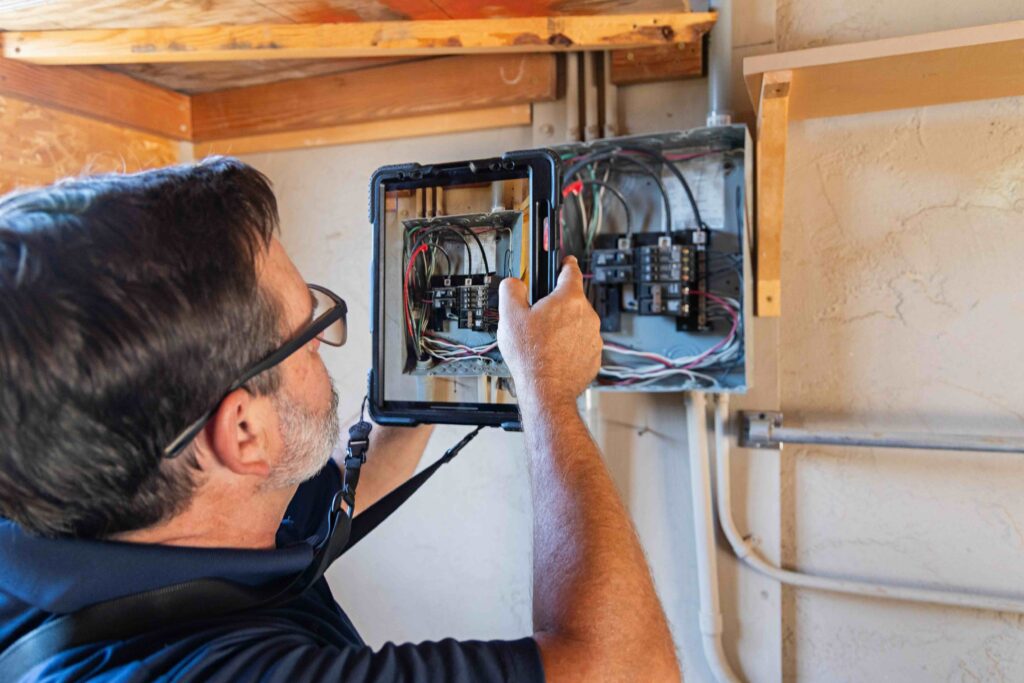
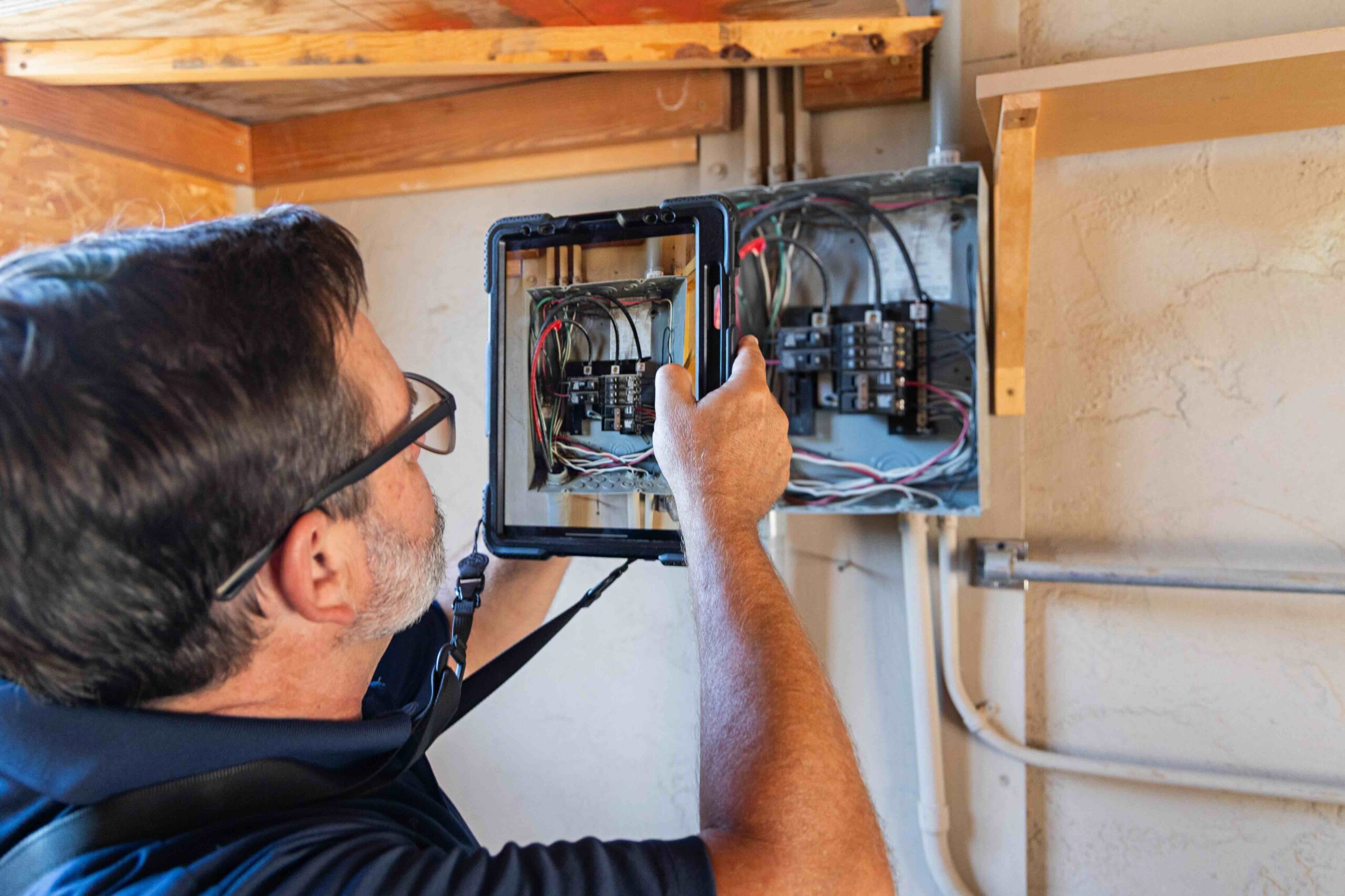
Replacing a standard outlet or switch is a task many homeowners can handle confidently with the right tools and safety precautions — most importantly, turning off power at the breaker and verifying it is off with a non-contact voltage tester before touching anything. However, anything involving your electrical panel, aluminum wiring, adding new circuits, or troubleshooting unexplained outages should be handled by a licensed electrician. Electrical work that is done incorrectly creates risks that are not always immediately visible, and problems can develop slowly over months before they become dangerous. The cost of a professional repair is almost always worth it when the alternative is a potential fire or shock hazard hidden inside your walls.
How a Home Warranty Can Protect Your Electrical Components
Here is something worth knowing: the outlets and switches throughout your home are not typically covered under homeowners insurance, which focuses on sudden damage from specific events rather than mechanical failure or wear. That gap is exactly where a home warranty steps in. Armadillo home warranty coverage for electrical systems and outlets is built to address the kind of failures that quietly happen over years of normal use — the outlet that stops working, the switch that burns out, the wiring connection that loosens over time. When something in your electrical system fails, you should not have to guess whether it is covered or scramble to find a reliable technician. Armadillo takes that uncertainty off the table. With straightforward plan options and a service model designed to be easy, not exhausting, getting a free home warranty quote that covers your home’s electrical components takes only a few minutes and can give you lasting peace of mind. Your electrical system works hard every single day — it deserves coverage that keeps up.

Frequently Asked Questions About Home Electrical Outlets and Switches
These are the questions homeowners ask most often when it comes to understanding, maintaining, and upgrading their electrical outlets and switches.
What is the difference between a GFCI outlet and a standard outlet?
A GFCI outlet contains a built-in sensor that monitors electrical current flow and shuts off power within milliseconds if it detects an imbalance that could indicate a shock risk. Standard outlets do not have this protection. GFCI outlets are required by code in wet or high-risk areas such as bathrooms, kitchens, garages, and outdoor spaces.
Why does my outlet feel warm to the touch?
A warm outlet is a warning sign. It can indicate a loose wiring connection, an overloaded circuit, or a failing outlet. Turn off the circuit at the breaker and contact a licensed electrician to inspect it before using the outlet again.
Can I replace a two-prong outlet with a three-prong outlet without rewiring?
You can install a GFCI outlet as a code-compliant replacement for a two-prong ungrounded outlet without running new wire. However, it will not provide a true ground, which some sensitive electronics require. For a true grounded outlet, new wiring back to the panel is necessary.
Why does my light switch spark when I flip it?
A small, brief spark when toggling a switch is generally normal and is caused by the electrical arc as the contacts separate. However, a large spark, a loud pop, or a switch that sparks frequently can indicate a worn switch mechanism or a wiring problem and should be inspected by a professional.
How often should GFCI outlets be tested?
GFCI outlets should be tested monthly using the built-in test and reset buttons. If pressing the test button does not cut power to the outlet, or the reset button does not restore it, the GFCI outlet has likely failed and needs to be replaced.
Are smart switches compatible with all wiring configurations?
Most smart switches require a neutral wire in the wall box, which older wiring configurations may not include. Some smart switch models are designed to work without a neutral wire, but they can cause dimming issues or flickering in certain setups. Always verify compatibility with your existing wiring before purchasing.
Does a home warranty cover electrical outlets and switches?
Many home warranty plans include coverage for interior electrical components, which can include outlets, switches, and wiring. Coverage details vary by provider and plan, so reviewing what is included before a problem occurs is important. Armadillo’s home warranty plans are designed to cover the kinds of electrical failures that happen through normal use over time.
What causes an outlet to stop working suddenly?
A suddenly dead outlet is most commonly caused by a tripped circuit breaker or a tripped GFCI outlet on the same circuit. Check your breaker panel and look for any GFCI outlets in nearby rooms that may need to be reset. If neither of those resolves the issue, the outlet itself or its wiring connection may have failed.
Is it safe to use extension cords as a permanent solution for additional outlets?
Extension cords are intended for temporary use only. Using them as permanent wiring solutions creates fire hazards, especially if they run under rugs, through walls, or are overloaded with multiple devices. If you consistently need more outlets in a space, having an electrician install additional receptacles is the safe and correct approach.
How long do electrical outlets and switches typically last?
With normal use, electrical outlets and switches can last fifteen to twenty-five years or longer. However, outlets in high-traffic areas, those subject to frequent plug insertion and removal, or those in homes with older wiring may degrade more quickly. Signs of wear, discoloration, or intermittent function are indicators that replacement may be due.