What Is an Electrical Socket and Bulb System — And Why Should Homeowners Care?
Most people flip a light switch without a second thought. The light comes on, life continues. But behind that simple action is a relationship between two components that quietly power your home’s lighting system every single day: the socket and the bulb. Understanding how these two things work together — and what can go wrong — can save you money, prevent hazards, and help you make smarter decisions when something stops working. Whether you’re dealing with a flickering light or planning an upgrade, this guide covers what you need to know.
The Basics: What Is a Light Socket?
A light socket, sometimes called a lamp holder or bulb socket, is the fixture component that connects a light bulb to your home’s electrical system. It receives power from the wiring inside your wall or ceiling and transfers that electricity to the bulb. Sockets come in various types, but the most common in American homes are the medium-base E26 sockets — those standard-sized screw-in connections you see in lamps, ceiling fixtures, and bathroom vanities. There are also smaller candelabra sockets, recessed can sockets, and pin-based sockets used in specialty lighting. Each type is designed to work with a specific bulb format, which is why bulb compatibility actually matters more than most people realize.
How Bulbs and Sockets Work Together
The socket provides two key things: a physical connection and an electrical connection. When you screw in a bulb, the base of the bulb makes contact with a small metal tab inside the socket, completing the circuit. Electricity flows through, excites the bulb’s internal components, and produces light. Sounds simple — and it mostly is. But the relationship between socket and bulb has a few critical rules. One of the most important is wattage compatibility. Every socket has a maximum wattage rating, and exceeding it creates a real fire risk. Using a 100-watt bulb in a socket rated for 60 watts generates excess heat that can melt wiring insulation and potentially ignite surrounding materials. It’s one of those things that seems minor until it isn’t.
Types of Bulbs: Incandescent, CFL, and LED
The bulb side of this equation has changed dramatically over the past two decades. Incandescent bulbs — the classic warm-glowing kind — are being phased out due to their inefficiency. They convert only about 10 percent of their energy into light; the rest becomes heat. Compact fluorescent lamps, or CFLs, improved efficiency significantly but came with their own quirks, including slow warm-up times and mercury content that complicates disposal. LED bulbs are now the dominant choice, and for good reason. They consume up to 75 percent less energy than incandescents, last significantly longer, and are available in a wide range of color temperatures and brightness levels. The good news is that most modern LED bulbs are designed to work in standard E26 sockets without any modification.
At a Glance: Key Advantages of Upgrading to LED Bulbs
- Significantly lower energy consumption compared to incandescent and CFL options
- Longer lifespan, often rated for 15,000 to 25,000 hours of use
- Less heat output, which reduces strain on sockets and surrounding fixtures
- Wide compatibility with standard residential sockets
- Available in dimmable versions for flexible lighting control
- No mercury content, making disposal simpler and safer
Common Problems With Sockets and Bulbs
Even straightforward systems have failure points. One of the most frequent issues homeowners encounter is a bulb that keeps burning out prematurely. This is often a sign of a loose socket connection, a wattage mismatch, or excess vibration — common in ceiling fans with attached light kits. Flickering lights are another telltale sign of trouble. While sometimes it’s just a loose bulb, persistent flickering can indicate a faulty socket, a worn-out dimmer switch that’s not compatible with LED technology, or even a wiring issue that warrants professional attention. Discoloration or visible burning around a socket is a serious warning sign that should never be ignored — that’s heat damage, and it means something in that circuit is working harder than it should be.

When a Socket Needs to Be Replaced
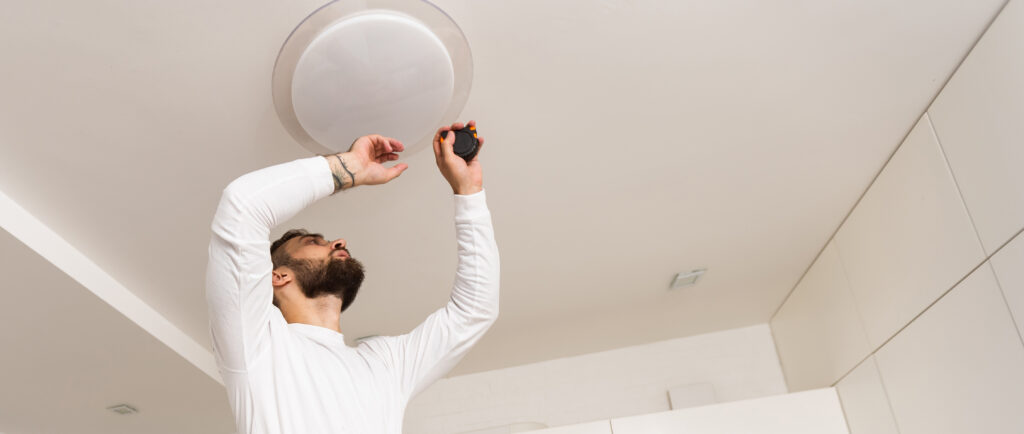
Sockets do wear out. The internal metal contacts that make electrical connections can corrode, weaken, or deform over time — especially in fixtures that have seen years of use and multiple bulb changes. If a bulb works fine in another fixture but not in a specific one, the socket is likely the culprit rather than the bulb. Replacing a socket in a standard lamp is a relatively simple DIY project for someone comfortable with basic electrical work. Replacing a socket in a hardwired ceiling fixture is a different story. For anything hardwired, turning off the circuit breaker and ideally working with a licensed electrician is the safer path. The cost of a service call is far less than the cost of a home fire.
Dimmer Switches and Socket Compatibility
Dimmer switches add a layer of complexity that catches a lot of homeowners off guard. Traditional dimmers were designed for incandescent bulbs, which dim smoothly as voltage is reduced. LED bulbs operate differently and require dimmers that are specifically rated for LED use. Pairing a non-compatible dimmer with an LED bulb often results in buzzing, flickering, or a limited dimming range. Before swapping out old dimmers, check the bulb packaging for dimmer compatibility notes, and look for dimmers labeled as LED-compatible. This small step prevents a frustrating troubleshooting cycle down the road.
Smart Bulbs and the Evolving Socket Ecosystem
The socket-and-bulb setup has entered the smart home era. Smart bulbs — which connect via Wi-Fi or Bluetooth and can be controlled through a phone app or voice assistant — still rely on standard sockets. The socket itself does not need to be smart; the intelligence lives in the bulb. This makes upgrading to smart lighting relatively accessible, since it typically requires nothing more than a compatible bulb and a smartphone. One important note: smart bulbs generally should not be used with traditional dimmer switches. They handle dimming internally through the app or device, and pairing them with an old-school dimmer can interfere with their wireless signal and overall function.
Common Drawbacks Homeowners Should Know
- LED bulbs cost more upfront than incandescents, though long-term savings usually offset this
- Some LED bulbs produce a cooler, bluer light that takes adjustment if you prefer warm tones — though warm-white options are widely available
- Smart bulbs require a functioning Wi-Fi network and may have app compatibility issues with certain platforms
- Non-compatible dimmers can shorten LED bulb lifespan and cause performance issues
- Socket degradation in older homes may not be immediately obvious but can create ongoing bulb problems
How a Home Warranty Fits Into Your Electrical System Protection
Individual bulbs and sockets are small components, but they are part of a much larger electrical system that runs throughout your home. When electrical issues escalate beyond a simple bulb swap — think panel problems, wiring faults, or fixture failures tied to deeper system issues — repair costs can climb quickly. That’s where Armadillo’s home warranty coverage for electrical systems and home appliances becomes genuinely valuable. Armadillo provides straightforward, homeowner-friendly protection that covers the kinds of breakdowns that tend to happen without warning and at the worst possible time. If you want to stop dreading the moment something stops working, you can get a personalized home warranty quote that covers your electrical system and more in just a few minutes. The process is simple, the coverage is real, and the peace of mind is the kind that actually holds up when you need it.
Frequently Asked Questions About Home Electrical Sockets and Bulbs
Below are answers to the questions homeowners ask most often about sockets, bulbs, and related electrical concerns.
What happens if I use a bulb with a higher wattage than the socket is rated for?
Exceeding the socket’s wattage rating generates excess heat that can melt wire insulation inside the fixture and create a fire hazard. Always check the socket’s maximum wattage label before installing a new bulb.
Why does my light bulb keep burning out quickly?
Premature bulb failure is usually caused by a loose socket connection, a wattage mismatch, excessive vibration from a ceiling fan fixture, or voltage fluctuations in your home’s electrical system.
Can I use an LED bulb in any standard socket?
In most cases, yes. LED bulbs designed for standard E26 medium-base sockets will work in any compatible fixture. Always confirm the base type matches before purchasing.
Why is my LED bulb flickering on a dimmer switch?
Most traditional dimmer switches are designed for incandescent bulbs and are not compatible with LED technology. Replacing the dimmer with one specifically rated for LED use will typically resolve the flickering.
Is it safe to replace a ceiling fixture socket myself?
Replacing a socket in a hardwired ceiling fixture involves live electrical wiring and should only be done after turning off the circuit breaker. For most homeowners, hiring a licensed electrician is the safest and most reliable approach.
What does a burning smell near a light fixture mean?
A burning smell near a socket or fixture is a serious warning sign. It typically indicates overheating caused by a wattage mismatch, faulty wiring, or a deteriorating socket. Stop using the fixture immediately and have it inspected by an electrician.
Do smart bulbs work in regular sockets?
Yes. Smart bulbs are designed to fit standard residential sockets and do not require any special hardware in the socket itself. The smart functionality lives entirely within the bulb.
Are LED bulbs worth the higher upfront cost?
Generally, yes. LED bulbs use significantly less energy and last far longer than incandescent or CFL options. The energy savings over the bulb’s lifespan typically outweigh the higher purchase price by a considerable margin.
Can a bad socket damage a new bulb?
Yes. A socket with corroded or deformed contacts may cause intermittent electrical connections, which can shorten a bulb’s lifespan or prevent it from functioning at all. If a new bulb fails in a specific fixture, the socket should be inspected.
Does a home warranty cover electrical socket or fixture repairs?
Home warranty coverage varies by provider and plan. Many plans cover components of the home’s electrical system, including wiring and panels. Reviewing your plan’s coverage details or speaking with your warranty provider will clarify what is included for fixture and socket-related repairs.