What Homeowners Need to Know About Air Conditioning Inspections
In the world of homeownership, few things matter more on a sweltering summer afternoon than a functioning air conditioner. And yet, many homeowners only think about their AC unit once there’s a problem. That’s where an air conditioning inspection enters the picture—not just as a reactionary task, but as a proactive investment in your home’s long-term health and comfort. Whether you’re new to homeownership or have seen your fair share of HVAC repairs, understanding how air conditioning inspections work is critical. It’s not just about cold air. It’s about safety, efficiency, and protecting one of your most expensive home systems.
What Is an Air Conditioning Inspection?
At its core, an air conditioning inspection is a comprehensive evaluation of your cooling system performed by a licensed HVAC technician. The inspection examines all the major components that make your unit run, including the compressor, coils, refrigerant levels, electrical connections, thermostat functionality, and air filters. A standard inspection typically covers both the indoor and outdoor parts of your system, ensuring efficient operation and early detection of any potential issues. The purpose isn’t to fix something specific—though repairs may be recommended—but to assess the overall health of your system before a breakdown occurs.
How Does an Air Conditioner Work?
Before diving into the value of inspections, it’s helpful to understand a bit about how your AC actually functions. In simple terms, air conditioners use a refrigeration cycle to remove heat from inside your home and transfer it outside. Refrigerant circulates through evaporator and condenser coils, absorbing indoor heat, compressing it, and releasing it outside. Meanwhile, fans blow this cooler, processed air back into your living space. It’s a closed-loop system, and every part must work efficiently for your home to stay cool. When just one element lags—whether due to dirty filters, clogged drains, or worn components—it can compromise performance and increase costs.
Why Routine Inspections Matter
Much like visiting the doctor for a wellness check, a regular air conditioning inspection can identify small problems before they escalate. Debris accumulation, refrigerant leakage, or deteriorating electrical connections can all go unnoticed until they cause full system failure. Inspections not only improve efficiency—which can reduce your energy bills—but they also help extend the life of your air conditioning unit. By catching developing issues early, you avoid the expensive surprise of an emergency repair or full unit replacement in the middle of a heat wave.
What Happens During a Typical Inspection
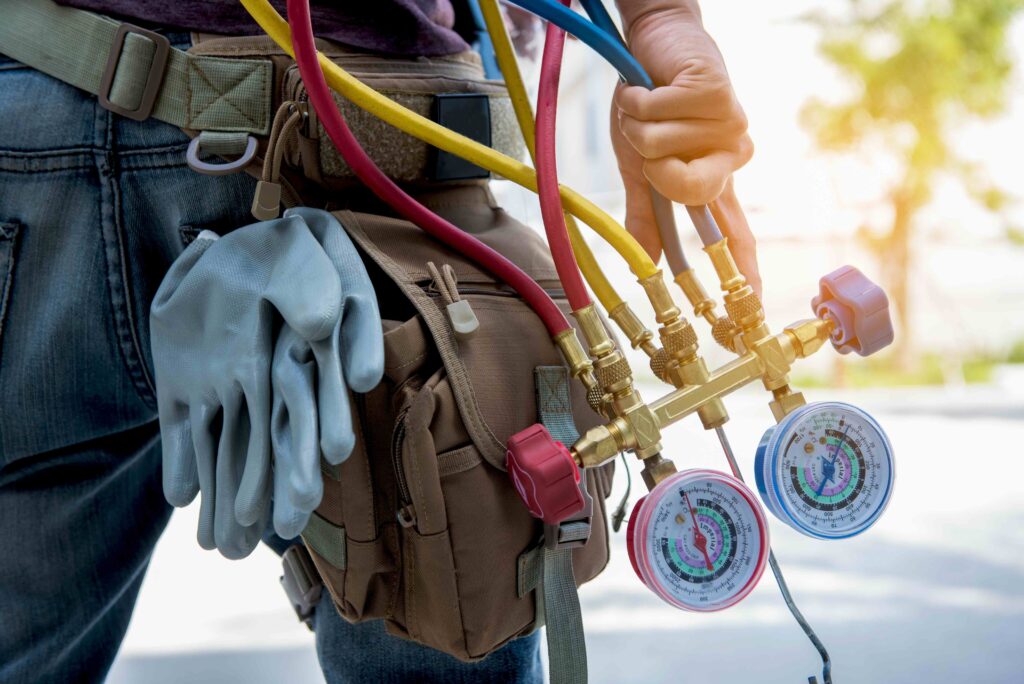
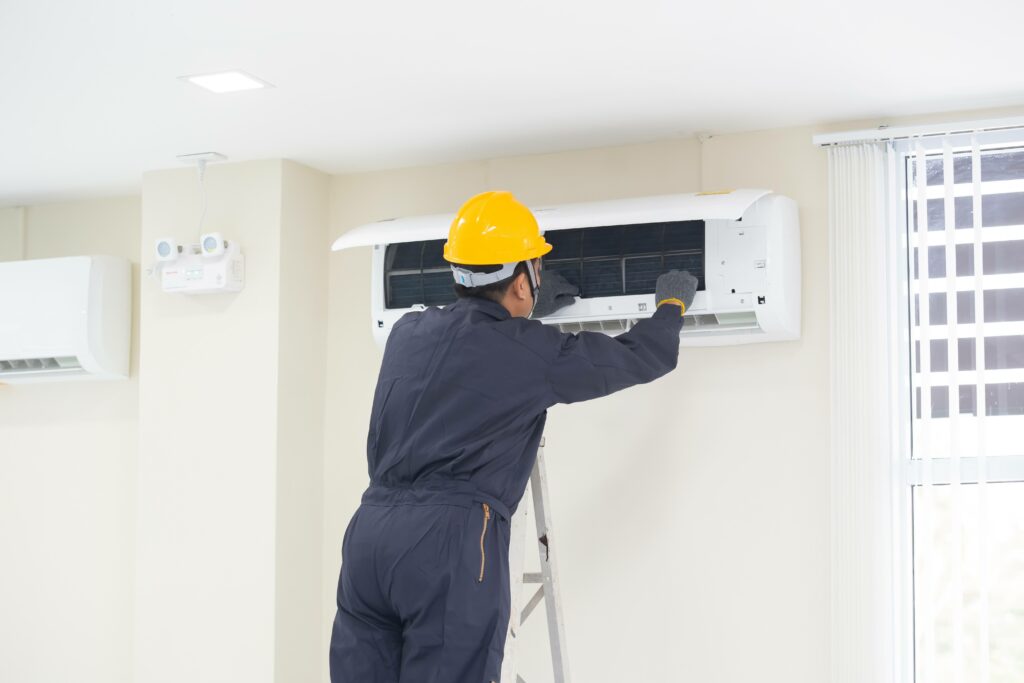
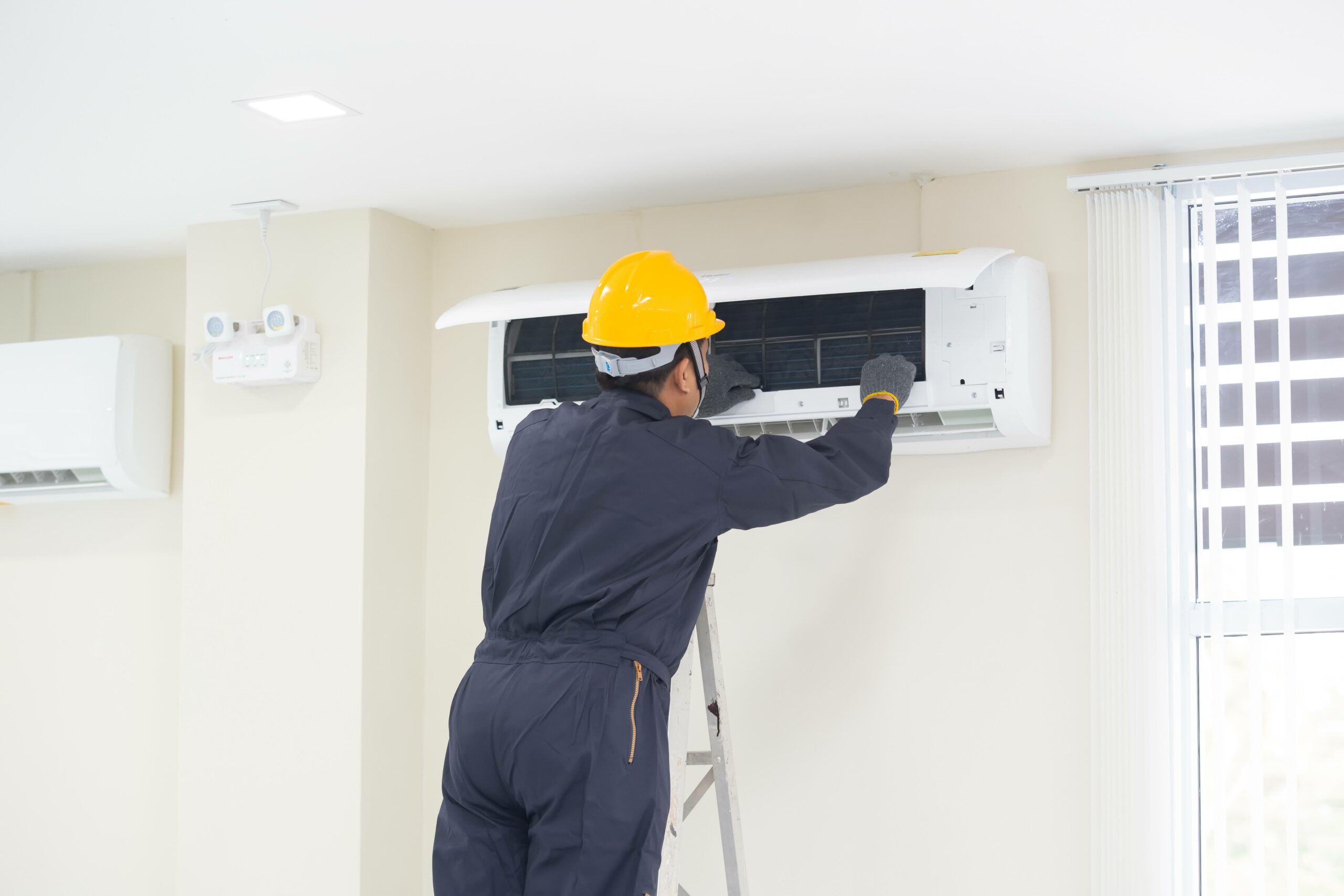
When an HVAC technician arrives for an inspection, they follow a standard checklist to evaluate your system’s function and reliability. They’ll inspect the thermostat calibration to ensure accurate temperature control, clean or replace air filters, clear condensate lines, probe refrigerant levels, verify amperage and voltage, and inspect electrical terminals for wear and safety. For units with ductwork, the technician may also assess airflow balance and look for potential leaks. Depending on the complexity of your AC system, a thorough inspection lasts about one to two hours, though this may vary based on access and condition.
Advantages of Scheduling Regular Inspections
There’s a tangible cost-benefit analysis when it comes to preventive care. Inspecting your AC system before seasonal extremes can improve cooling capacity, reduce future repair costs, and boost your home’s overall energy efficiency. A well-maintained unit simply doesn’t have to work as hard to maintain your preferred temperature. That means lower electricity usage and a smaller environmental footprint. Beyond financial savings, regular inspections also ensure cleaner indoor air quality. A neglected AC system can accumulate and circulate dust, mold spores, or other allergens throughout your home, potentially compromising respiratory health.
Common AC Issues Inspections Can Prevent
You’d be surprised by how many AC failures begin with avoidable maintenance issues. A dirty condenser coil, for example, forces your system to overwork, which leads to overheating. Low refrigerant levels might seem minor at first but can severely diminish system performance and damage the compressor—a costly component to replace. Blocked drainage pipes can result in water damage near your indoor unit. Electrical issues, meanwhile, pose more severe threats including fire risk. Inspections offer clarity, catching these red flags early and helping you address them before the season’s first 90-degree day makes them urgent.
Drawbacks to Keep in Mind
While air conditioning inspections come with plenty of upsides, they aren’t without limitations. First, there is typically a cost—whether you schedule a one-off service or sign up for a seasonal maintenance plan. Homeowners looking for an immediate “fix” may also be frustrated to learn that inspections rarely involve repair work on the spot. Technicians may recommend necessary repairs, but those often need to be scheduled separately. In addition, some problems are not immediately visible and can only be detected once the system is under operational stress. Still, even with these caveats, regular inspections consistently offer greater advantages than neglecting maintenance entirely.
Protecting Your AC System with a Home Warranty
Routine inspections are a smart move, but they’re just one part of an effective homeownership strategy. A well-structured home warranty adds another layer of protection, offering support when even the best maintenance plans fall short. Want peace of mind knowing your cooling system is covered against unpredictable breakdowns? That’s where Armadillo comes in. At Armadillo, we provide home warranty plans that align with real-life homeowner needs—including coverage for your air conditioning system and essential home systems. It’s easy to get started. You can learn more at Armadillo’s homepage or jump straight to creating your customized plan via our plan builder. Invest in your home with confidence. We’ve got the rest covered.