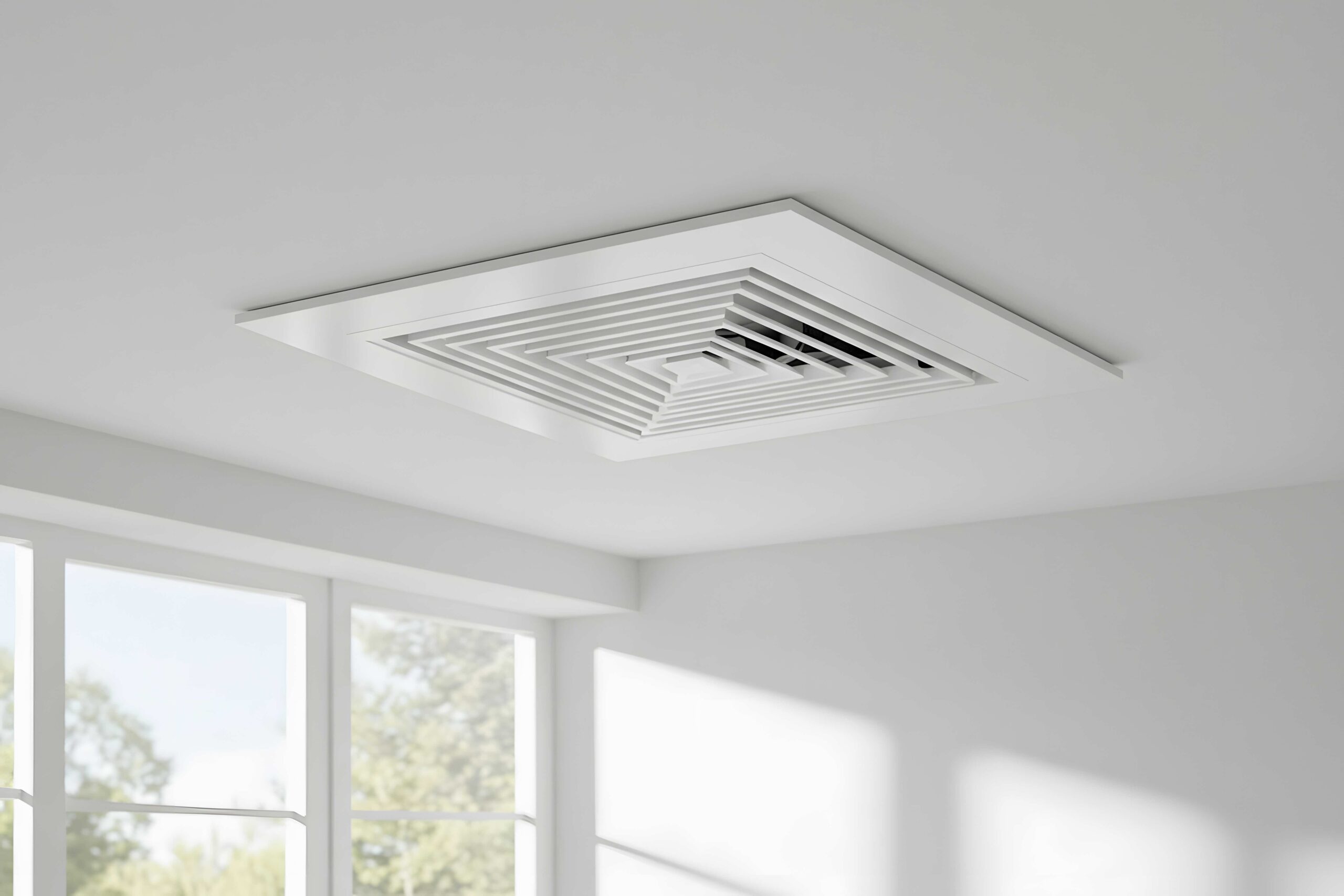
The Crucial Role of Bathroom Plumbing Venting: What Every Homeowner Should Know
Behind your bathroom walls, beyond the tiles and under the fixtures, lies a remarkably intricate system that keeps everything flowing smoothly: your plumbing. Many homeowners are well aware of drains and pipes, but often overlook one essential component—your bathroom’s plumbing vent system. It’s not the most glamorous part of your home, but it’s a foundational element of a properly functioning bathroom. Understanding how venting works in your plumbing system can help you prevent costly problems, improve air quality, and make smarter decisions when it comes to home improvements and warranty protections. Let’s explore what a bathroom plumbing vent system is, how it operates, and why it matters more than you might think.
What Is Bathroom Plumbing Venting?
Bathroom plumbing venting refers to the system of pipes that allows air to enter your plumbing system and gases to exit safely. Unlike drainpipes, which carry water and waste out of your home, vent pipes regulate air pressure and airflow within the pipes. They’re typically connected to your drainage system and extend upward, usually terminating through the roof of your home.
Every time water moves through your pipes—whether from a flushing toilet, running shower, or draining sink—it creates negative pressure. Without ventilation, this vacuum would disrupt the flow, slow drainage, cause gurgling noises, or worse, pull smelly sewer gases back into your home. In effect, the ventilation provides a balance, allowing wastewater to move efficiently and safely.
How Do Plumbing Vents Actually Work?
A properly vented plumbing system acts like a set of lungs for your home. It draws in fresh air, equalizes pressure, and expels unwanted gas. When you flush a toilet or drain a tub, you’re not just removing water—you’re altering air pressure in the plumbing system. Vent pipes allow air in behind the water (usually through a vertical vent stack heading up to the roof), evening out pressure so gravity can do its job and move water downward without obstruction.
At the same time, venting serves to release sewer gases harmlessly outside, preventing unpleasant odors from entering your living space. Additionally, it helps keep water seals in traps (those U-shaped pipes under your sinks and showers) intact. Without proper venting, water can get siphoned out of the trap, opening a pathway for gas infiltration—a common cause of questionable bathroom smells that never quite go away.
Key Benefits of Proper Bathroom Venting
The advantages of an effectively vented plumbing system extend far beyond odor control. For one, proper ventilation ensures smooth operation across the entire drainage system. This translates to fewer clogs, faster drainage, and minimal noise. It also plays a critical safety role by managing sewer gas levels, which can include methane, ammonia, and hydrogen sulfide—all of which pose health risks in high concentrations.
Moreover, a well-designed vent system increases the longevity of your fixtures and plumbing infrastructure. It reduces the strain associated with irregular pressure and minimizes buildup within pipes. That indirectly protects your investment, especially over the long term. A vented system is also easier to service, as clear airflow improves drain inspection and diagnosing issues becomes much more straightforward.
Common Problems With Bathroom Plumbing Venting
When venting goes wrong or is missing altogether, the symptoms can range from mildly annoying to structurally hazardous. If your bathroom drains slowly, emits odors, or you hear persistent gurgling, there’s a strong chance you’re dealing with a venting issue. In older homes, venting may be insufficient due to outdated standards or corroded pipes. In newer installations, improper planning or shortcuts during construction may lead to non-compliant configurations.
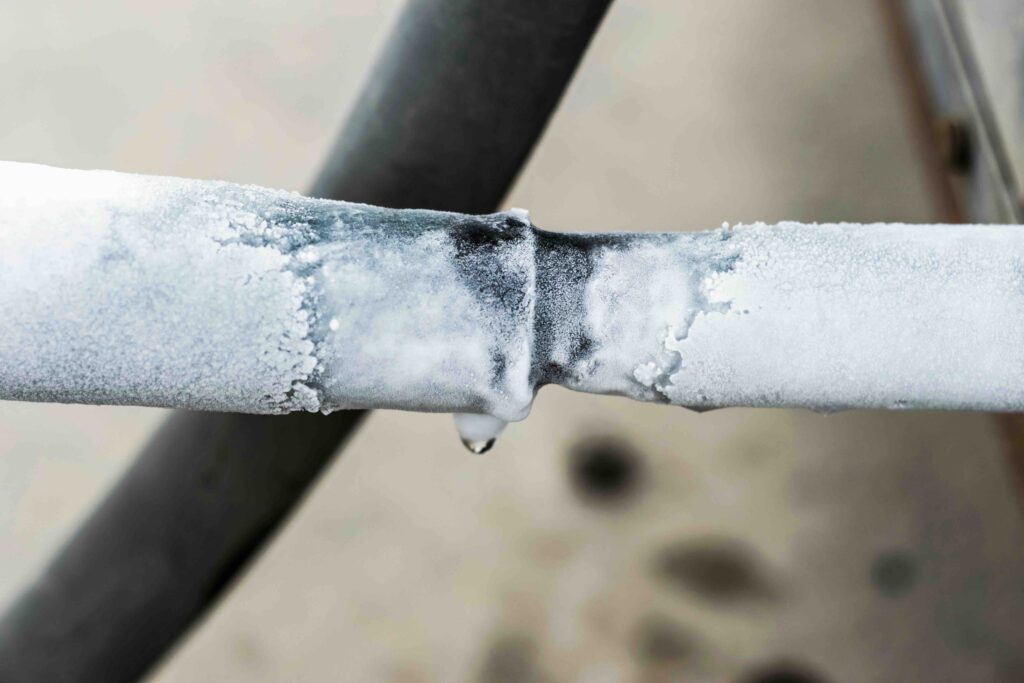
Obstructions are another frequent concern—leaves and debris in rooftop vent stacks or nests from small animals can impede airflow. Even snow and ice during winter months can temporarily block vent openings. These problems don’t just impact performance; left unchecked, they can lead to water damage, mold, and increased stress on your plumbing system. Because venting is hidden behind walls and above ceilings, it often goes unnoticed until something significant goes wrong.
Bathroom Venting and Home Improvement Projects
Renovating a bathroom presents a golden opportunity to evaluate venting quality and bring it up to modern standards. If you’re upgrading fixtures, moving plumbing, or redesigning the layout, it’s essential to involve a licensed plumber who understands code requirements around ventilation. Local building codes generally dictate specific rules about how every fixture must be vented—sometimes individually, sometimes via a shared or “wet” vent configuration.
A mistake here could lead to hidden costs and inspection issues down the road. As tempting as it is to trust that existing plumbing can support your renovation, poor venting is often inherited through past projects. Retrofitting or correcting a venting system later can be far more expensive and disruptive. It’s better to get it right the first time—and enjoy lasting performance without unexpected issues.
Venting and Home Warranty Coverage
Home warranties vary widely in what they cover, but in general, venting and ventilation-related issues fall into a gray area. Most basic home warranty plans focus on major mechanical components like water heaters, pipes, and toilets. However, if a problem arises in your venting system that impairs the function of covered systems, a high-quality home warranty provider may offer support for repair or evaluation.
That said, prevention remains key. A home warranty can’t protect what’s already been incorrectly installed or neglected. If your bathroom has a persistent smell, slow drains despite clean pipes, or odd gurgling noises, consider having a professional assess your venting system. It’s a smart move to confirm that everything is compliant and in good working order before problems worsen—and before coverage limitations become a concern.
When to Call a Professional
Not all plumbing issues require extensive expertise, but venting is one of those areas where a licensed pro is invaluable. Diagnosing vent problems can involve smoke testing, roof inspections, and tracing internal air flow pathways—tasks best left to someone with the training and tools to do them quickly and safely. If you’re thinking of adding a bathroom or making layout changes, early consultation can help you plan strategically and avoid renovation setbacks.
Even during a home purchase, it’s worth asking questions about the age of the plumbing and whether venting systems have been inspected recently. Like many unseen home systems, venting doesn’t show its true importance until it fails. Identifying weak spots early can save thousands in repairs and help maintain a sanitary, healthy household environment.
Protect Your Plumbing—and Your Budget—with Armadillo
Your bathroom plumbing system plays a crucial role in daily convenience and hygiene. A poorly vented system does more than disrupt airflow—it can compromise your home’s safety and comfort. At Armadillo, we understand how complex and interconnected home systems are—and we’ve built smart home warranty coverage designed to protect what matters. With flexible coverage tiers and intuitive plan builders, homeowners can select protection that fits their space, including support for plumbing issues related to function and performance.
To explore how Armadillo can safeguard your home’s plumbing infrastructure, visit our homepage at armadillo.one. Ready to take the next step? Begin building your plan today by visiting our plan selection tool and see just how easy it is to secure your home’s future—one vent pipe at a time.