Understanding Fuses and Grounding: What Every Homeowner Should Know
In the world of home maintenance, few topics are as misunderstood yet critically important as your home’s electrical system—particularly the function of fuses and grounding. When a fuse blows or your home’s grounding is compromised, it’s more than just an inconvenience. It can be a warning sign, a small issue that, if ignored, may escalate into a costly repair or even a safety hazard. Whether you’re troubleshooting a recurring power issue or you’re simply interested in how to keep your home safer and more efficient, understanding the connection between a resetting fuse and grounding is essential. This guide breaks it down for homeowners with clarity and precision, so you’re never left in the dark—literally or figuratively.
What is a Fuse and How Does It Work?
A fuse is an intentional weak point in your home’s electrical circuit that’s designed to protect against overload. It works as a safety device. When excessive current flows through it—due to too many appliances running on the same circuit, or perhaps a faulty device—the fuse “blows.” In simpler terms, it breaks the connection to prevent further current from passing through, avoiding damage to appliances and reducing the risk of fire. Once a fuse blows, power is cut off to the circuit until the fuse is reset or replaced. Modern homes typically use circuit breakers instead of traditional fuses, but the fundamental concept of interrupting unsafe electrical flow remains the same.
What is Grounding in a Home Electrical System?
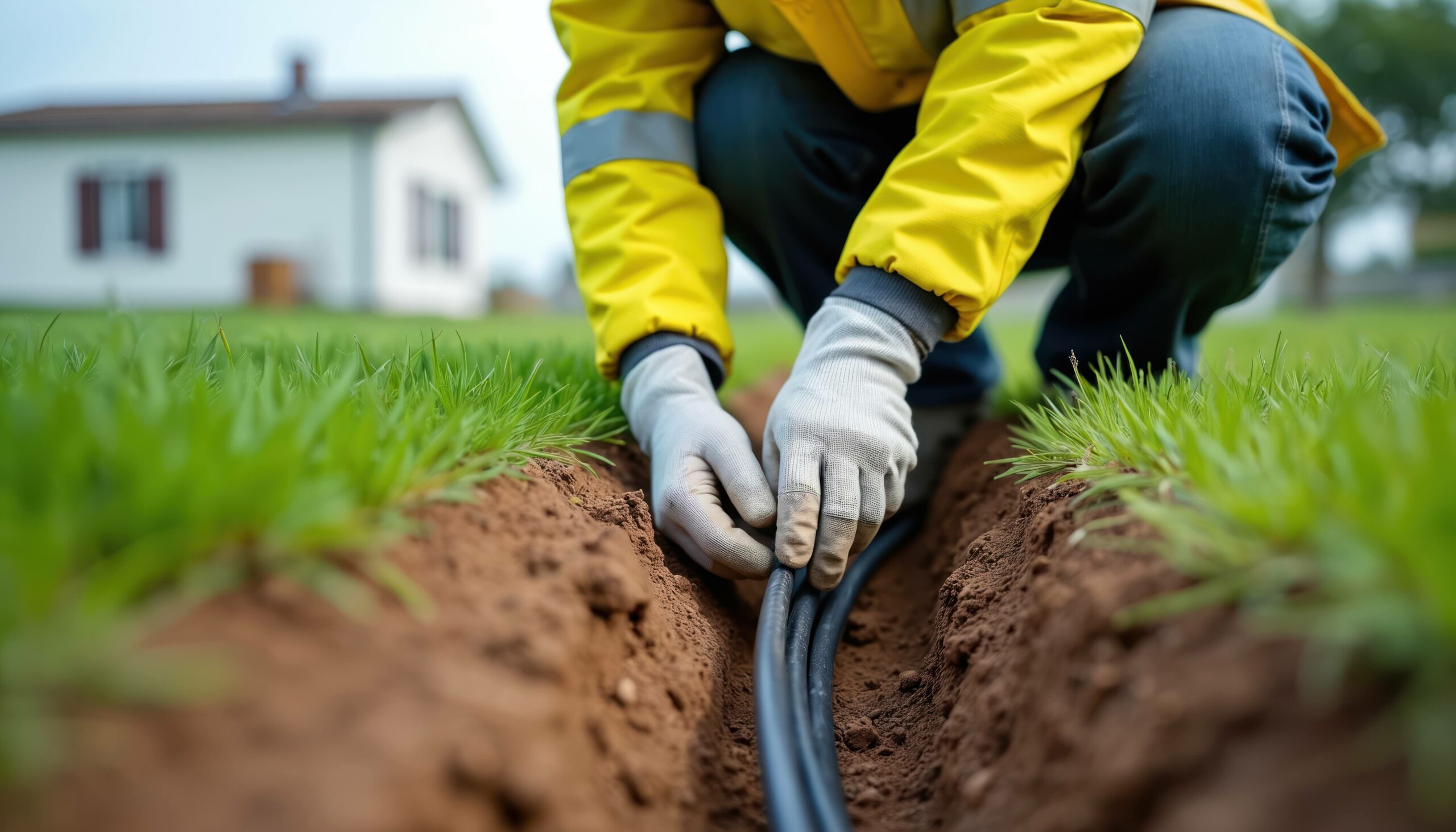
Grounding refers to a safety mechanism that provides a path for electricity to follow back to the ground in the event of a fault. If a wire becomes damaged or an appliance malfunctions, grounding gives the stray electricity a low-resistance path to exit the system safely. This is critical because it prevents people and pets from becoming that path. Grounding adds an essential protective layer, ensuring your home system can safely dissipate excess or misdirected voltage. Grounding is typically achieved through metal grounding rods driven deep into the soil and connected back to your electrical panel via the grounding wire. It’s not just smart; it’s a requirement under national electrical codes.
The Link Between a Tripped Fuse and a Grounding Issue
When a fuse blows or a breaker trips consistently, many homeowners assume the issue is simply overloaded circuits. While this is a common cause, repeated fuse problems may indicate poor grounding or faulty wiring. If a home’s grounding system is inadequate—perhaps because of corrosion, outdated materials, or damage—electrical faults won’t have an efficient escape route. The system might compensate by tripping fuses or breakers frequently to avoid dangerous surges. So if your fuse resets feel like a regular routine, it’s not just annoying—it could be alerting you to a grounding issue that warrants inspection. Addressing it could be key to maintaining a safe and stable home environment.
Advantages of a Properly Grounded Electrical System
The benefits of a well-grounded system extend far beyond the obvious safety factors. When your electrical system is professionally grounded, you reduce the risk of appliance damage from voltage spikes caused by lightning or utility switching. Proper grounding can also minimize electrical noise, which is crucial for homes with sensitive electronics—think smart TVs, computers, and home security systems. Over time, these benefits translate into fewer maintenance issues, protected investments in your appliances, and better overall system performance. In short, grounding isn’t just about safety. It’s about optimizing the efficiency and lifespan of your entire electrical system.
Common Drawbacks and Issues Homeowners Face
No system is without its challenges, and electrical systems are no exception. A common issue is age—many homes built before the 1970s simply weren’t designed with modern electrical demands in mind. Grounding may be poor or even non-existent in older homes, which turns minor fuse-related problems into major safety concerns. Corrosion in grounding rods, breaks in grounding wires, and improperly installed outlets that aren’t grounded at all are not unusual. And while resetting a fuse is a quick fix, it won’t solve the root issue if that issue is grounding-related. Ignoring these fundamental system vulnerabilities increases the risk of shock, fire, or equipment failure, often without any visible early signs.
Tips for Diagnosing and Addressing Fuse and Grounding Issues
If you’re dealing with frequent fuse blowouts, begin by identifying which outlets or appliances are involved. Is it always the kitchen when the microwave and toaster run at the same time? That likely indicates an overloaded circuit. But if it’s less predictable or involves low-draw devices, you may be facing a grounding concern. For safety and accuracy, bring in a licensed electrician for an evaluation. They can test your service panel, grounding rod resistance, and outlet wiring to determine where the issue lies. Be cautious about repeated DIY fuse resets without understanding the root cause. While flipping a breaker might seem like a routine action, it’s ultimately a response mechanism—not a solution in itself.
How Home Warranties Fit Into the Equation
When it comes to managing the health of your home’s systems, a home warranty with electrical coverage can help bridge the gap between reactive and proactive maintenance. Fuse resets that occur due to component failure may be eligible for service if the system is covered. Some home warranty providers even offer diagnostics as part of their coverage, meaning they’ll send out a qualified technician to pinpoint the cause of recurring fuse blowouts. That said, most home warranties do not cover code violations or pre-existing issues, so it’s essential to keep your system compliant and up to date. Proper grounding is often necessary for warranty eligibility when electrical claims are involved.
Why Armadillo is the Smart Choice for Protecting Your Home’s Electrical System
At the core of every safe home is a sound electrical system. Understanding the role of fuses and grounding empowers you to recognize risks before they become costly problems. And when it comes to staying ahead of those challenges, Armadillo offers comprehensive, straightforward home warranty plans designed to meet today’s homeowner needs. Our coverage includes electrical systems, helping you handle unexpected fuse issues or system faults with ease and confidence. We streamline the repair request process, pair you with experienced professionals, and help shield your budget from steep repair costs—so you can focus on home life, not fuse boxes. Learn more about how we can safeguard your home’s electrical integrity by visiting our homepage at Armadillo. Ready to find a plan tailored to your home and zip code? Start here: Build Your Plan.