The Homeowner’s Guide to Garbage Disposal Plumbing: What It Is, How It Works, and Why It Matters
Garbage disposal systems aren’t the flashiest part of a home’s kitchen, but they do a lot of heavy lifting behind the scenes. Tucked beneath the sink, this often overlooked appliance makes daily cleanup faster and more hygienic. But when it fails, it can lead to plumbing issues, nasty odors, and even structural damage if leaks go unnoticed. Understanding how garbage disposal plumbing works and how to maintain it helps homeowners protect their investments—and their peace of mind. Whether you’re considering a new installation, facing repair decisions, or just trying to extend the life of your current system, this guide breaks it all down. Clean, simple, and straight to the point.
What Is Garbage Disposal Plumbing?
A garbage disposal unit is a compact grinding mechanism installed beneath a kitchen sink, between the sink drain and the trap. Its job is to chop up food waste into tiny particles that can pass through your household plumbing and into the sewage or septic system. The plumbing aspect involves the connection of this device to both the sink and the drain line, ensuring waste flows safely with no backflow into other parts of the kitchen. It operates by flipping a switch that sets off an internal motor, spinning impellers against a grinding ring to pulverize food waste. While the name might imply a blending mechanism, garbage disposals don’t contain blades—they use centrifugal force and abrasion to do their work. The plumbing configuration must handle water flow, debris movement, and prevent clogs or overloads—all while preventing potential damage to pipes.
How Does a Garbage Disposal Work?
Mechanically simple, but deceptively effective, a garbage disposal relies on electricity to power a small motor within its casing. When turned on, the motor spins a rotor plate equipped with impellers, pressing food scraps against a fixed grind ring. This crushing action transforms food waste into slurry, which can then move easily through your plumbing. A continuous feed garbage disposal, the most common type, runs as long as the switch is active. A batch feed option, on the other hand, works only when covered with a stopper—meaning fewer accidents but a slower process. Water from the faucet plays a critical role, carrying the pulverized waste through the drain in a continuous flow. The plumbing is designed to intercept large debris before it clogs pipes and ensure proper venting. Homes with septic systems must be cautious: some food waste can disrupt the microbial balance in these systems if not handled properly through specialized septic-safe disposals.
Advantages of a Well-Installed Garbage Disposal System
Streamlined kitchen cleanup is the first and most apparent benefit. Instead of transporting food scraps to a trash bin where they decompose and attract pests, the disposal grinds them and sends them out of sight and out of mind. It reduces landfill contributions and cuts down on odor buildup in trash cans. Next, there’s the reduction in plumbing issues—yes, paradoxically, a good disposal unit can help prevent clogs when used properly. It regulates the type and volume of food residue entering your drainage system. Additionally, a disposal unit can offer long-term cost savings by reducing the frequency of pipe cleanouts and plumbing services. In properties with frequent kitchen use, such as large households or rental units, the payoff in time and convenience compounds quickly. And let’s not discount the value it adds to the home; modern buyers often expect functioning, updated disposal systems alongside other kitchen appliances.
Drawbacks to Consider Before Installing or Replacing
Despite its practicality, a garbage disposal isn’t without limitations. First, it’s not a substitute for mindful waste management. Grease, fibrous vegetables, and hard materials like bones or fruit pits can easily overwhelm the motor or clog the pipes. Frequent misuse leads to breakdowns—costly ones that may not be covered under basic home insurance or warranties unless specifically included in a home warranty plan. Noise levels remain a consistent concern, especially in compact kitchens or apartments with shared walls. Units have improved in decibel control, but most remain noticeable while in use. Additionally, for homes with older or undersized plumbing, installing a disposal may add strain the system wasn’t designed to handle. Electrical considerations, especially with batch-feed models, may require a certified electrician if the wiring doesn’t support the switch or motor amperage. Homeowners working off septic systems should also be diligence-focused; improper use can overwhelm microbial function, leading to expensive remediation needs.
Practical Maintenance Tips to Extend Lifespan and Prevent Repairs
A garbage disposal is only as reliable as the attention paid to its usage. Run cold water whenever the disposal is operating—hot water can loosen fats and allow them to congeal deeper in the line. Avoid feeding it fibrous vegetables, egg shells, pasta, rice, or coffee grounds. Even small particles over time behave like sediment and form clogs. Once a week, flush the disposal with a mixture of ice and salt to sharpen impellers and combat minor buildup. Fresh citrus peels act as a safe and natural deodorizer, but be mindful not to overload the unit. Schedule inspections every few years, especially if your home has older plumbing or septic integration. If odd sounds, slow draining, or persistent odors develop, don’t delay service. Many home warranty coverage plans include garbage disposal repairs and may save you from footing the full cost of an unexpected failure.
Installation Considerations: What Homeowners Should Know
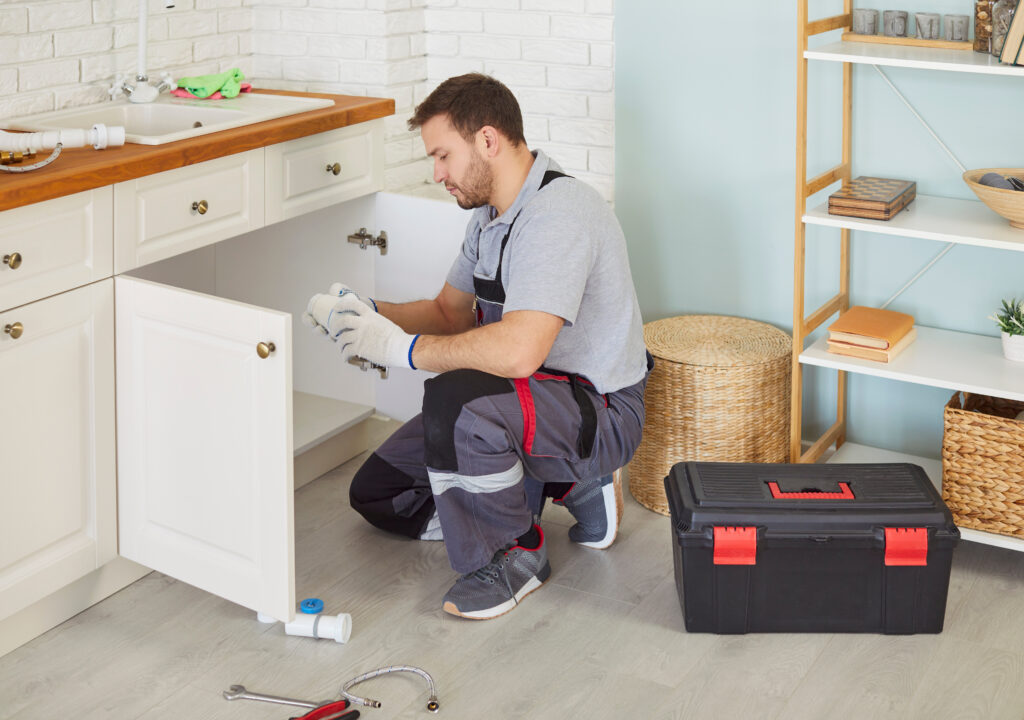
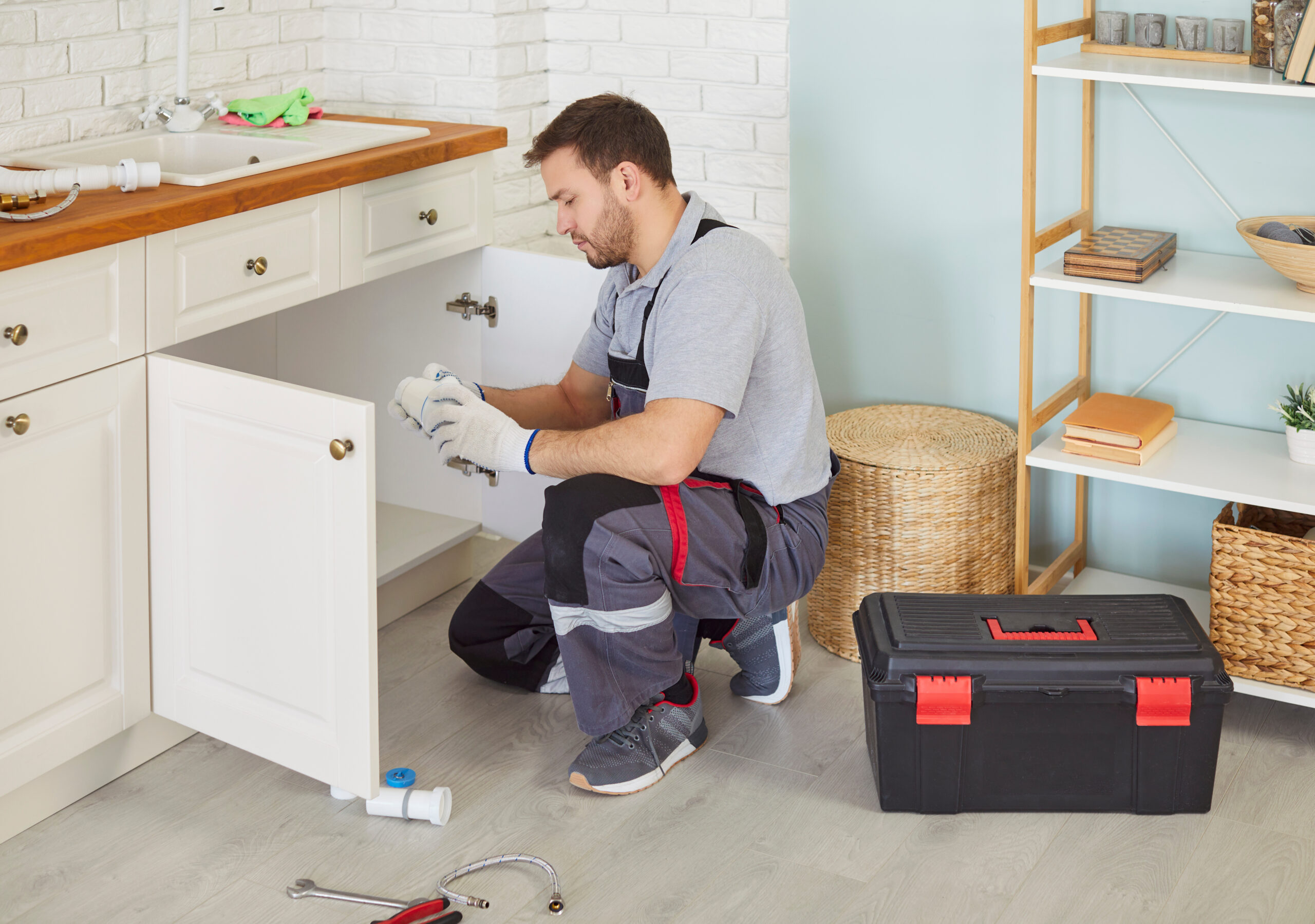
Installing a garbage disposal isn’t as straightforward as it might seem. While many homeowners attempt DIY installations, plumbing missteps can result in leaks, drain misalignment, or even electrical hazards. Understanding local plumbing codes is essential, particularly in multifamily housing or homes tied to a shared city main. It’s also important to assess whether the household’s electrical system can handle the additional load, especially in older homes. For upgrades, compatibility between the new disposal and the existing sink basin and flange makes all the difference. Misaligned connections can lead to vibration, noise, and premature wear. Warranty-compatible installation may also require professional proof of work, so it’s worth confirming with your provider. Look for Energy Star-rated models with sound insulation and jam-resistant motors—these additions enhance long-term performance and lower utility bills slightly over time.
Why Armadillo Home Warranty is the Smart Choice for Disposal Coverage
For homeowners looking to streamline their maintenance costs, extend the lifespan of key appliances, and add a protective layer around daily-use systems, a home warranty is a strategic move. Garbage disposals may be small, but they play a big role in kitchen functionality—and surprisingly, they’re one of the most frequently serviced kitchen appliances. With Armadillo, disposal repair and replacement costs can be covered under a transparent and comprehensive home service plan. That means no hidden fees, no unexpected repair bills, and fewer headaches when something goes wrong. Armadillo specializes in customizable coverage tailored to the systems you use the most. To learn more about protecting your kitchen and home plumbing, visit our homepage at Armadillo. Ready to explore plans or check real-time pricing in your area? Begin customizing your coverage today at this link. One less thing to worry about tomorrow starts with one smart decision today.