Your Water Heater: Understanding This Essential Home System
Stepping into a hot shower on a cold morning or running a steaming load of dishes after dinner relies on one often-overlooked home system—the water heater. It operates quietly in the background, but without it, daily routines would come to a screeching halt. Whether you’re shopping for a new system, considering an upgrade, or simply want to better understand how yours works, knowing the ins and outs of water heaters is key. This guide takes a clear, straightforward approach to explore what a water heater does, how it works, the different types available, and the factors every homeowner should weigh before making a decision or securing coverage through a reliable home warranty.
What Is a Water Heater and Why It Matters
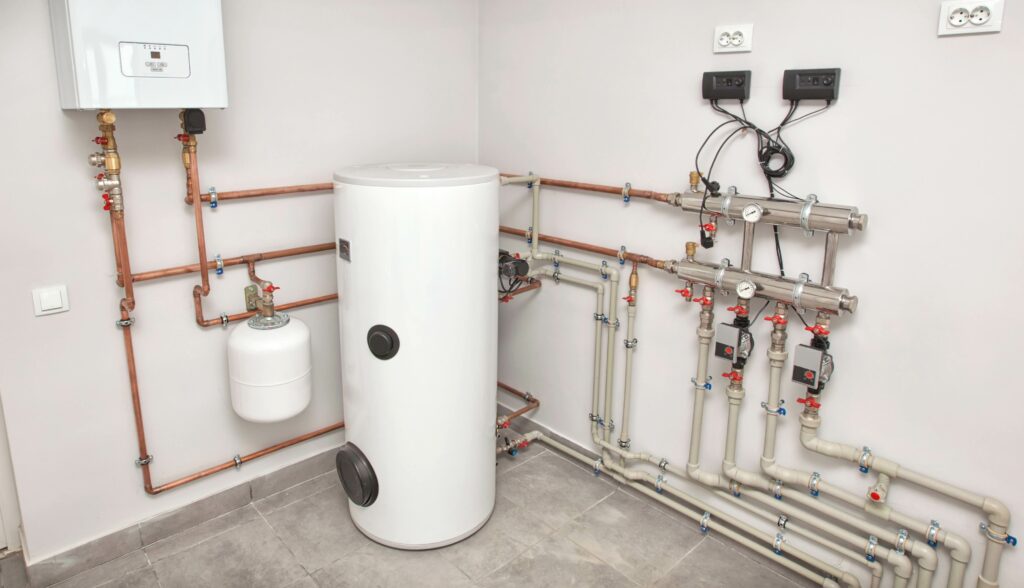
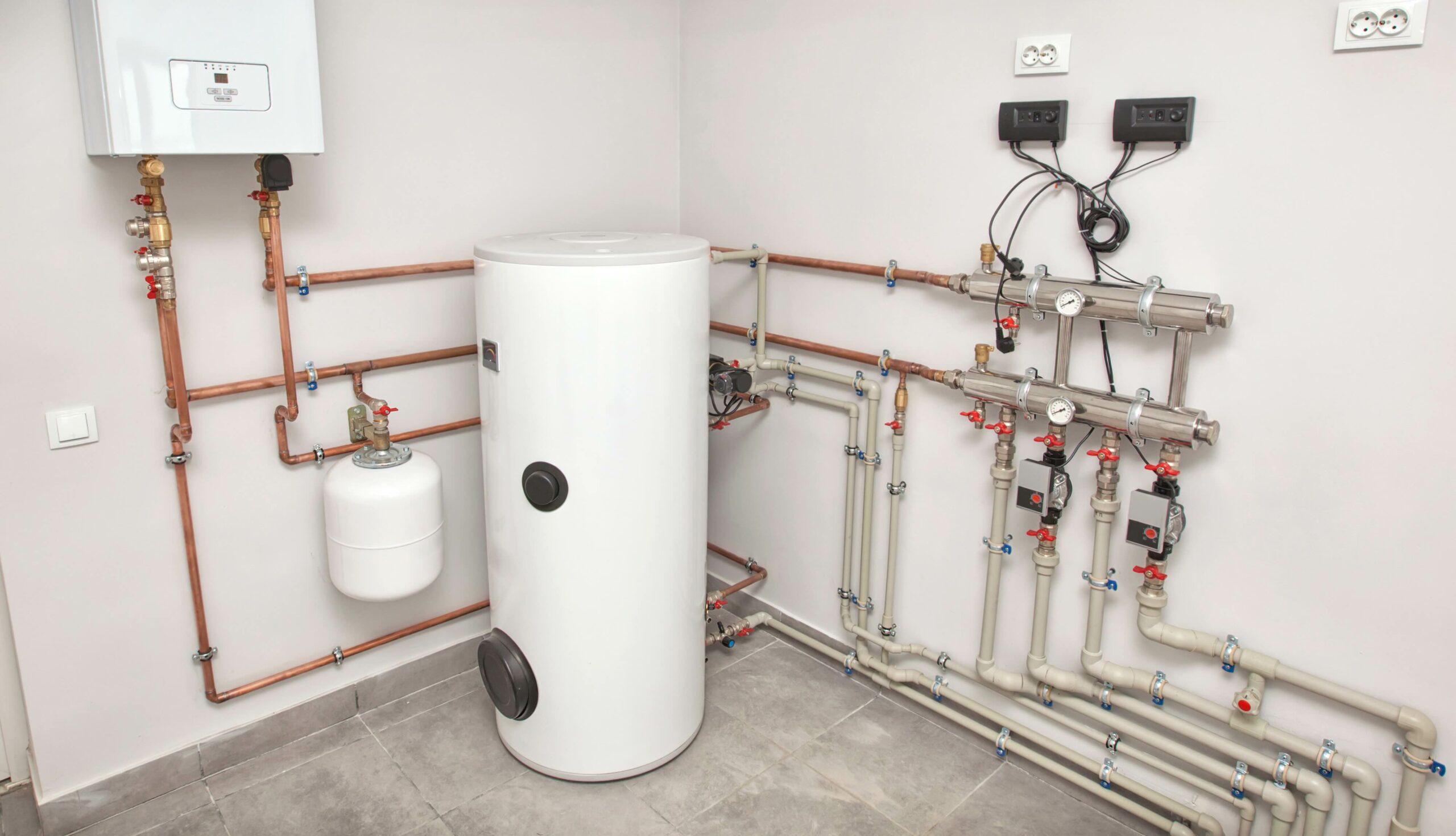
A water heater is a mechanical system that heats and stores water for household use. Everything from showering and laundry to cooking and cleaning relies on it. In most homes, the water heater fits into an unseen space—tucked into a basement corner or closet—but its role in home comfort and efficiency is significant. When functioning properly, you don’t think about it. But once it fails, you think about little else. That’s why understanding how it works and how to protect it under a home warranty can save a lot of inconvenience—and expense—down the road.
How a Conventional Water Heater Works
Most homes use a tank-style water heater, which heats a reservoir of water and stores it until you need it. It’s powered by electricity or natural gas, depending on the model. Cold water enters through an inlet pipe, fills the tank, and is heated either by electric heating elements or a gas burner beneath the tank. A thermostat monitors the water temperature, triggering the heating mechanism as needed to maintain a consistent preset temperature—typically around 120°F. Hot water exits from the top of the tank and travels through your home’s plumbing when you open a fixture.
Tankless Water Heaters—How They Differ
Unlike conventional models, tankless water heaters (also called “on-demand heaters”) warm water only when needed. There’s no storage tank. Instead, cold water passes through a heat exchanger—either gas-fired or electric—activating only when you turn on a hot water tap. This approach means you’ll never run out of hot water and energy is conserved because the system isn’t constantly heating stored water. However, tankless units often cost more upfront, and installation may require upgrades to your electrical system or gas lines, depending on your current setup. The practical benefits are evident, particularly in smaller homes or for households aiming for high energy efficiency.
Pros and Cons Every Homeowner Should Consider
Water heaters—both tank-style and tankless—offer unique advantages and limitations. Tank-style heaters are typically less expensive to install and can deliver hot water predictably, even during high-demand periods. However, they take up more space and are less energy efficient since they heat water around the clock, regardless of use. In comparison, tankless models significantly reduce energy consumption and last longer on average—often up to 20 years with proper maintenance. On the downside, the initial cost is higher, and they may struggle to meet concurrent demand across multiple fixtures depending on the unit’s capacity. Evaluating your household’s usage patterns, budget, and energy priorities can help you determine which system fits best.
Maintenance and Longevity: What You Need to Know
Water heaters are not maintenance-free. Over time, sediment from minerals in your water can collect at the bottom of the tank, reducing efficiency and potentially damaging components. Regular flushing—typically once a year—is essential to maintain performance. For tankless units, descaling the system helps remove buildup in the heat exchanger. Additionally, replacing the anode rod every few years in a tank unit can extend its life by preventing internal corrosion. Most standard tank-style heaters have a lifespan of 8 to 12 years, while tankless units may function efficiently for 15 to 20 years. Regardless of type, preventive maintenance is key to achieving full system longevity.
When and Why to Replace Your Water Heater
If your water heater is nearing the end of its lifespan, leaking, making unusual noises, or failing to provide consistent hot water, a replacement is likely imminent. Upgrading isn’t just about restoring service—it may be a chance to improve energy efficiency, increase capacity for a growing household, or switch to a different technology altogether. For homeowners weighing replacement costs, it’s wise to factor in hidden costs such as code compliance, permits, or plumbing adjustments. Working with a licensed professional for install and setup is highly recommended. It ensures your new system is not only safe but also optimized for performance, which can lead to lower energy bills and greater reliability.
Protecting Your Investment with a Home Warranty from Armadillo
Water heaters are essential, but also susceptible to common failures—thermostat issues, heating element breakdown, corrosion, and more. That’s where a modern home warranty backed by real-world reliability pays off. Armadillo offers coverage that ensures your system is protected against unexpected breakdowns and costly repairs. With fast, quality service and straightforward, digital-first tools, the process is simple from start to finish—whether you’re submitting a claim or just exploring options based on your home’s needs. Learn more at Armadillo.one or get started building your coverage today with the easy-to-use tool at our plan builder.