Your Essential Guide to Home Boiler Systems: What Homeowners Need to Know
In the vast landscape of domestic appliances and systems, the home boiler often goes unnoticed—until it doesn’t. Whether heating your space or providing hot water, the boiler system is a cornerstone in home functionality, especially in colder climates. But how exactly does a boiler work? What benefits come from having one, and are there any disadvantages to consider? This comprehensive guide will delve into these questions, offering a homeowner-friendly exploration of boilers, while equipping you with the knowledge to make informed decisions.
Understanding the Home Boiler System
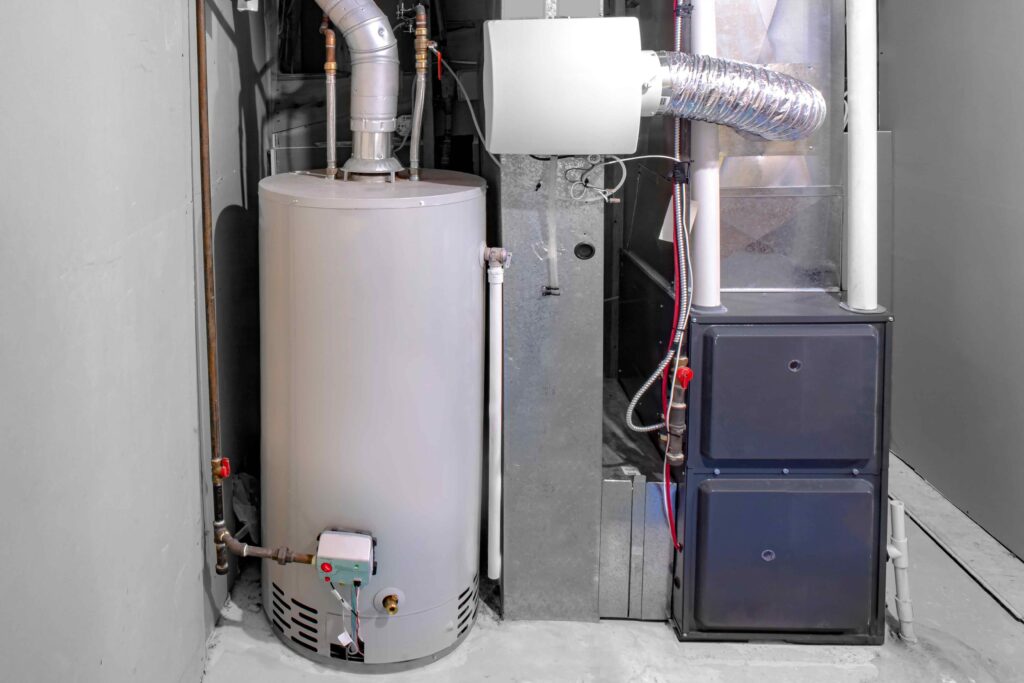
At its core, a boiler system is designed to transfer heat. It operates by heating water, which is then circulated throughout the home, either by radiators or radiant floor systems. Unlike a furnace, which uses air to distribute heat, a boiler uses water, which can be more efficient. A boiler system is typically powered by electricity, natural gas, oil, or even wood pellets. The design and function of each type may vary, but the general principle remains the same: effectively heating and distributing warm water to ensure your home remains toasty warm and your water stays hot.
How Does a Boiler Work?
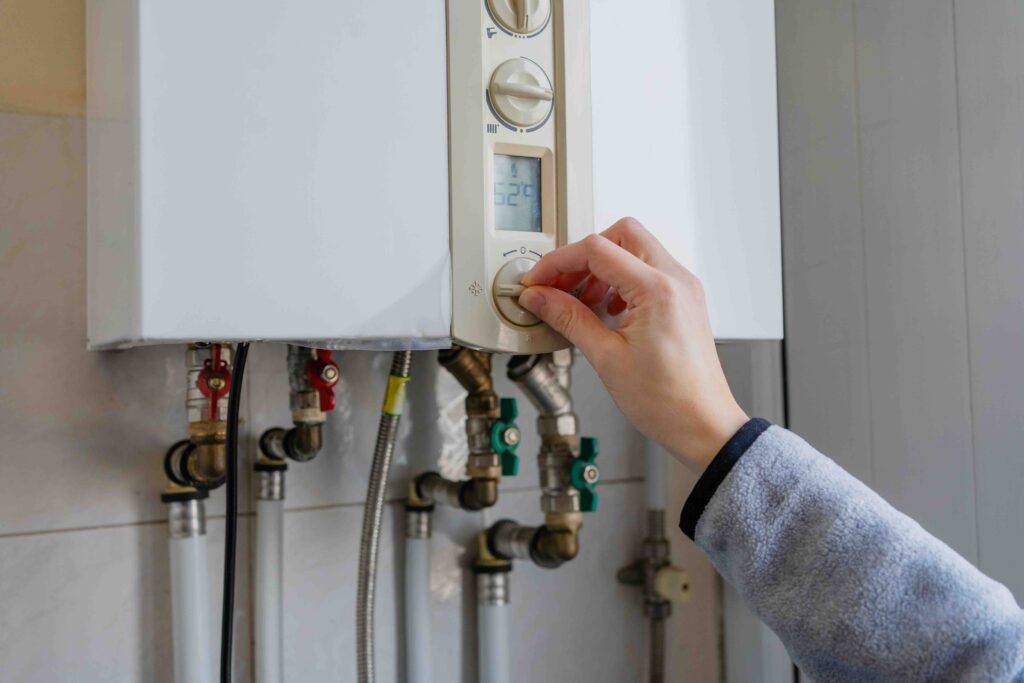
A boiler system operates through a process of controlled energy transfer. It begins with the ignition of a fuel source, which heats a heat exchanger. Once the heat is generated, the water in the boiler is heated and then circulated via pipes into your home. This hot water or steam then travels through your home’s radiators or radiant floor heating system, releasing heat into each room. The cooled water returns to the boiler to be reheated, creating an efficient loop of thermal comfort.
Key Advantages of Boiler Systems
The use of a boiler system offers several unique advantages over other heating options. Firstly, boilers are typically more energy-efficient than furnaces, especially if you have baseboard or radiant heating. This efficiency can lead to lower energy bills. Boilers also provide a more even heat, avoiding the dry air and uneven warmth sometimes associated with forced-air systems. Furthermore, since boilers lack the blower components of furnaces, they operate more quietly, providing a peaceful and comfortable home environment.
Common Drawbacks of Boiler Systems
While boilers can be an excellent choice for heating, they are not without their drawbacks. One potential disadvantage is the initial cost—boilers can be more expensive to install than other types of heating systems, like furnaces. Additionally, because they rely on water, there is a risk of freezing if improper maintenance occurs during cold spells. Moreover, if repairs are needed, they can sometimes be more complex and costly compared to simpler heating systems.
How to Maintain Your Boiler
Proper maintenance of a boiler system is crucial to ensure its longevity and efficiency. Regular checks should be done at least once a year by a professional to inspect for leaks, corrosion, or other issues. Homeowners can also help maintain their boilers by regularly checking pressure levels, ensuring nothing obstructs the heat vents, and promptly addressing any unusual noises or performance issues. Timely intervention is key in preventing minor concerns from evolving into costly repairs.
Is a Boiler the Right Choice for Your Home?
Deciding if a boiler is suitable for your home depends on several factors, including climate, existing infrastructure, budget, and specific heating needs. Homes located in areas with cold winters may benefit significantly from the efficient and consistent warmth a boiler provides. If your home already has radiators or radiant floor systems, installing a boiler could seamlessly integrate into your current setup. Consider your lifestyle and preferences—do the benefits of a quieter, more evenly heated home outweigh the potential costs?
The Role of Home Warranties in Protecting Your Boiler Investment
Boilers are robust systems, but like any complex appliance, they are susceptible to wear and potential breakdowns over time. Investing in a home warranty can safeguard your finances against unexpected repairs and ensure peace of mind. With a service like Armadillo, you can customize a warranty plan that covers your boiler and other essential household systems. From minor repairs to major replacements, Armadillo offers reliable protection. For more information on how you can benefit from a home warranty, visit Armadillo’s homepage. Ready to get started? You can begin building a personalized plan by going here.
Why Choose Armadillo for Your Home Warranty Needs?
Selecting the right warranty provider can be as critical as choosing the right boiler system. Armadillo offers a range of coverage options tailored to your home’s specific needs, without the hassle often associated with warranty claims. With their user-friendly platform and transparent service agreements, Armadillo ensures your journey into home warranties is as smooth as possible. Trust Armadillo to protect your home—let them do the hard work so you can enjoy every moment in your perfectly heated haven.