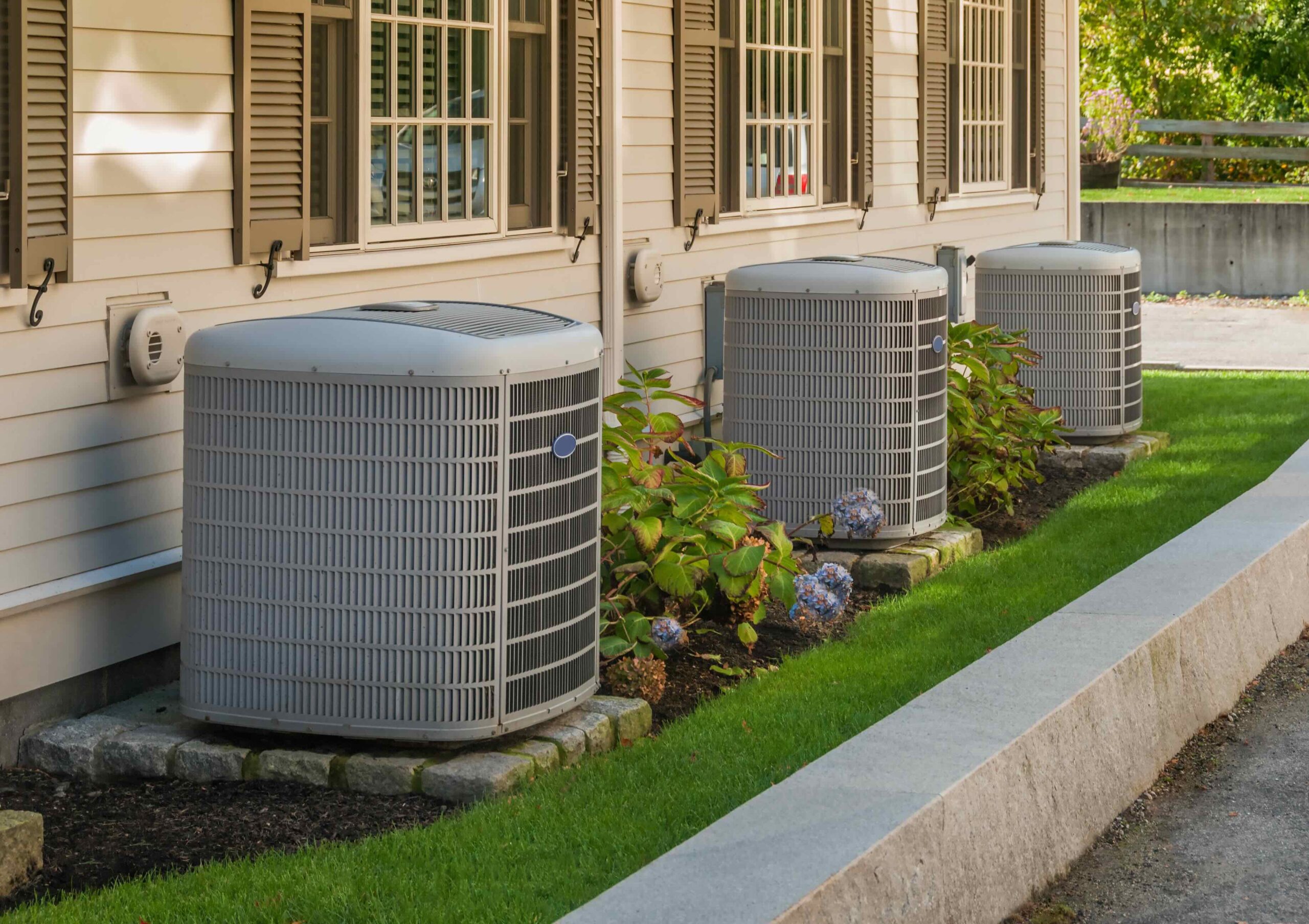
Everything Homeowners Should Know About HVAC Systems
Your HVAC system is the unsung hero of your home—cooling you in sweltering summers, warming you in freezing winters, and filtering the air you breathe every day. Yet, despite being fundamental to year-round comfort, many homeowners don’t fully understand how these systems work or how to ensure they keep running smoothly. In this article, we’ll walk through the core elements of your HVAC system, how it functions, its advantages, its pitfalls, and how to make the most informed decisions about maintaining or replacing it. If you’re feeling unsure about what’s best for your home’s climate control—keep reading.
What Is an HVAC System and What Does It Do?
HVAC stands for Heating, Ventilation, and Air Conditioning. It refers to the system that provides thermal comfort and acceptable indoor air quality within a home. Whether integrated as one large unit or composed of several smaller components working together, its primary role is to regulate temperature, humidity, and air cleanliness across your living spaces throughout the year.
At a basic level, an HVAC system uses an air handler or furnace to move air through your home. In warm months, the air is cooled via a central air conditioning unit or heat pump. In colder months, a furnace or heat pump provides warmth. Meanwhile, ventilation ducts distribute this conditioned air to different areas and return stale air for reconditioning or exhausting. Most modern systems also include filtration to remove allergens, dust, and other particulates from circulating air.
How the Core Components of an HVAC System Work
Today’s HVAC systems can vary in complexity, but most include some combination of a furnace or heat pump, an air conditioner or evaporator coil, ductwork, and a thermostat. The thermostat acts as the control center. When it senses your home’s air is too warm or too cold, it tells the furnace or air conditioner to switch on. Air moves through the system’s ductwork until the desired temperature is reached. Then the system shuts off, resuming standby until it’s needed again.
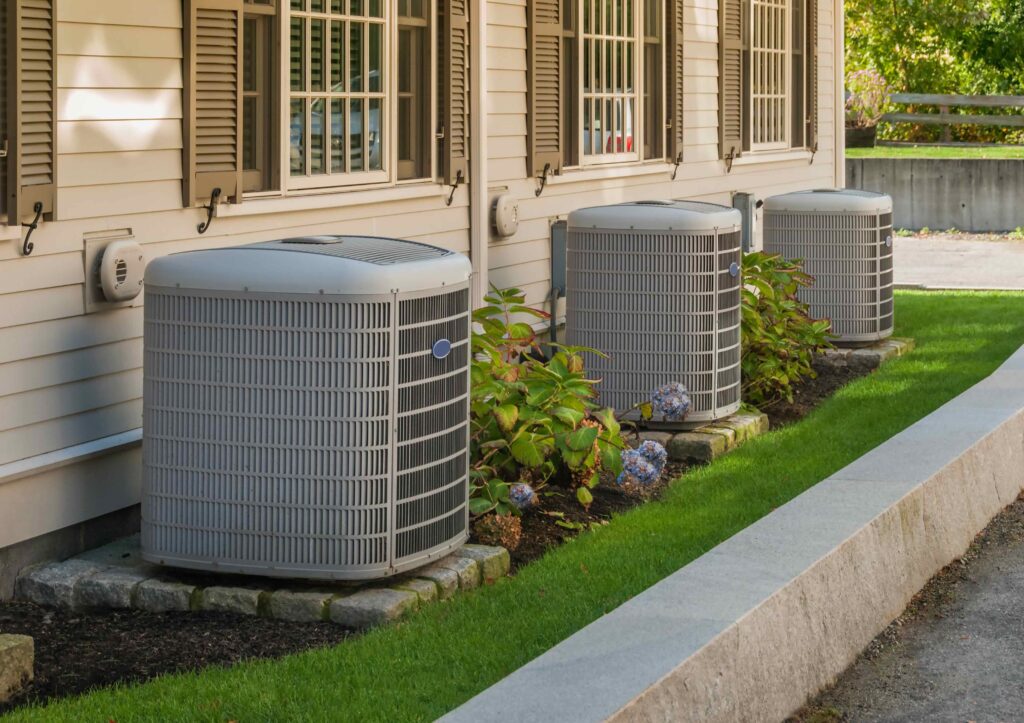
The heating element may be a gas, oil, or electric furnace. Alternatively, heat pumps function as both heaters and coolers by shifting heat in or out of the house. For cooling, central AC units or heat pumps absorb heat from indoor air via refrigerant coils and expel it outdoors. Ventilation exchanges stale indoor air with fresh air, promoting healthy airflow while regulating humidity.
Advantages of Owning a Central HVAC System
The benefits of a well-maintained HVAC system are straightforward. First and foremost is comfort. Precise temperature control ensures your home remains cozy in winter and cool in summer. It also helps regulate humidity, reducing mold growth risk and improving indoor air quality. A central HVAC system can be more energy-efficient than multiple window units or space heaters, particularly when programmable thermostats and zoning capabilities are in place.
Another compelling advantage is home value. An updated and energy-efficient HVAC system is a strong selling point when it’s time to move on. Potential buyers appreciate the predictability and reliability of a single, unified system as opposed to piecemeal solutions. And for those with allergies or respiratory issues, advanced filtration or air purification add-ons can significantly enhance quality of life indoors.
Common Drawbacks to Watch Out For
No system is perfect, and HVAC systems carry their fair share of concerns. First, central systems rely heavily on ductwork, which can become leaky or clogged over time, reducing performance and increasing utility bills. Maintenance is required—neglected filters, low refrigerant, and miscalibrated thermostats are all common causes of inefficiency or failure.
Another downside is noise. Larger systems, particularly older models, can emit clicking or rumbling sounds during operation. Some homeowners may also be put off by the upfront costs of repair or replacement. A full-system install can be a substantial financial commitment, especially when ductwork must be extended or replaced. Finally, no matter how efficient, systems eventually wear down. HVAC units typically last 10–15 years with regular maintenance but will approach reduced reliability past that point.
Upgrade or Repair: Making the Smart Choice
Deciding whether to repair an existing HVAC system or replace it outright isn’t always obvious. If your system is younger than ten years and hasn’t needed frequent repairs, addressing specific issues like a faulty component or refrigerant leak might suffice. However, systems over 15 years old with chronic inefficiencies likely deserve replacement, particularly if energy bills are trending upward.
Look for signs including uneven heating or cooling, excessive noise, or short-cycling (the system turning on and off rapidly). New systems covered under warranty often include leading-edge technological improvements—like inverter-driven compressors, remote access integration, and improved filtration—that can drastically improve your home’s climate performance and reduce energy usage.
Protecting Your HVAC Investment With a Home Warranty
Because HVAC system repairs can be costly—and problems tend to appear when the system is working its hardest under temperature extremes—a home warranty is a valuable safety net. A home warranty plan that includes HVAC coverage can help offset the price of repairing or even replacing system components that break down due to normal wear and tear.
When evaluating warranty providers, be sure to check which specific elements are covered. Some exclude ductwork or only cover basic repairs. Comprehensive warranties may include seasonal tune-ups, thermostat replacement, and emergency service response. Keep documentation of system maintenance, as it may be required for claim approvals. Also, choose a provider that makes it easy to submit a claim without hours of phone wait times and endless paperwork.
Why Armadillo Is the Smarter Choice for HVAC Protection
If your home’s HVAC system is central to your everyday comfort, it’s worth protecting with a trusted home warranty partner. Armadillo offers plans tailored to include HVAC systems, providing peace of mind with responsive support, straightforward coverage, and digital-first tools that simplify filing claims and requesting service. With transparent pricing, customizable options, and no-nonsense protection for key home appliances and systems, Armadillo is a modern solution for modern homeowners.
Visit armadillo.one to explore plan benefits, or if you’re ready to protect your HVAC system today, begin customizing your coverage at our plan builder here. Reliability isn’t just a feature of your heating and cooling system—it should be part of your warranty, too.