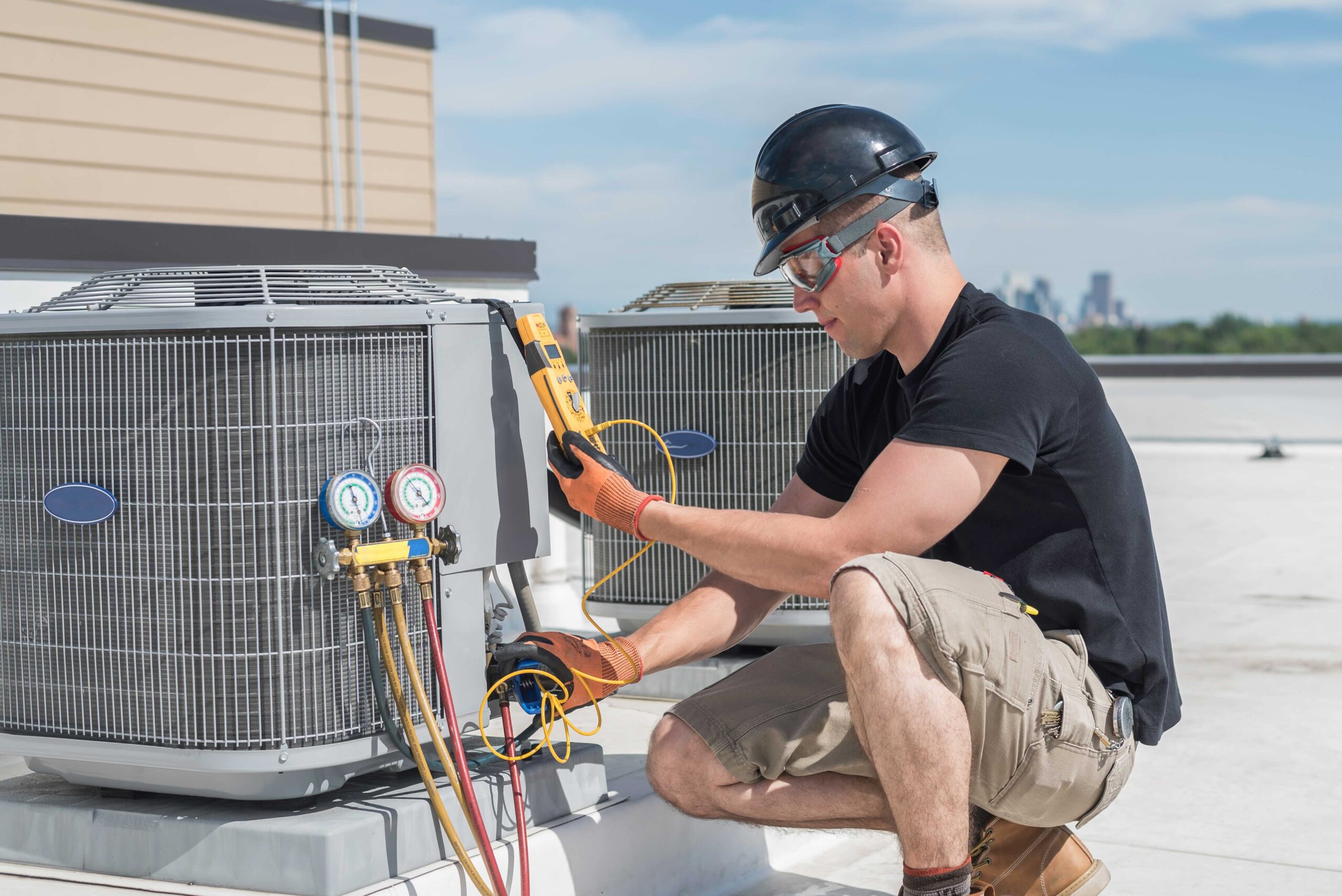
The Comprehensive Guide to HVAC Maintenance: A Homeowner’s Essential Resource
Keeping your home comfortable year-round hinges on a well-functioning HVAC system. With the ever-increasing cost of maintenance and repair, understanding the essential workings of your HVAC system becomes a necessity rather than an option. If you’re a homeowner looking to optimize your home’s heating, ventilation, and air conditioning system, you’ve landed in the right place. This article provides a thorough exploration of HVAC systems, offering you an educational insight to empower you in making informed decisions about maintaining or upgrading this pivotal home system.
Understanding HVAC Systems: The Basics
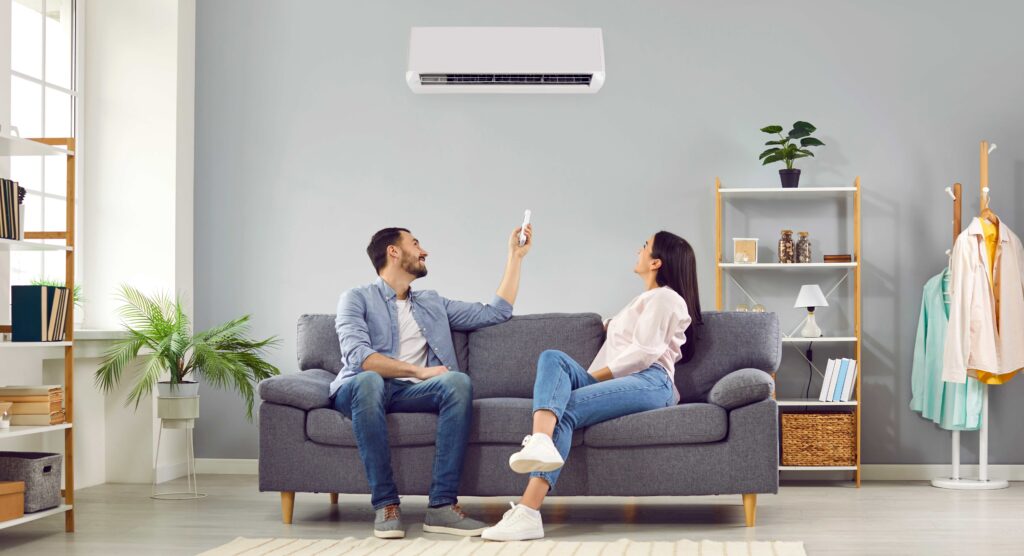
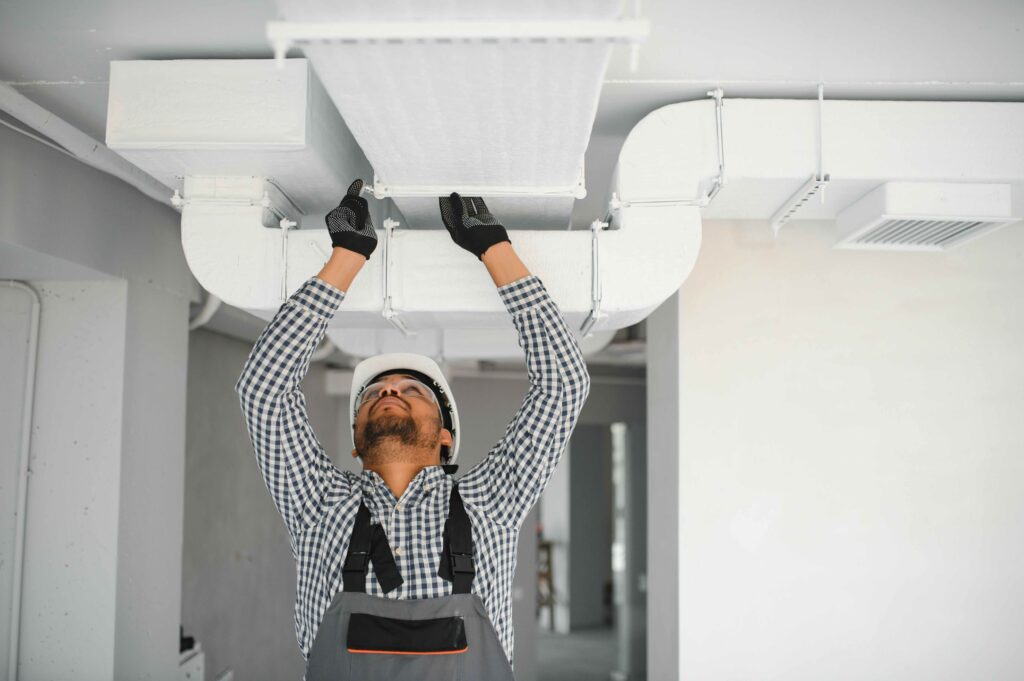
HVAC stands for Heating, Ventilation, and Air Conditioning, an integrated system responsible for regulating the temperature and air quality in your home. At its core, the HVAC system comprises several components: a furnace or boiler, a/c unit, ductwork, and a thermostat. The purpose of your HVAC system is to provide thermal comfort and acceptable indoor air quality through the meticulous control of temperature, humidity, and air circulation. The system intricately balances heating and cooling processes, ensuring you enjoy a cozy winter and a refreshing summer.
How Do HVAC Systems Work?
Your HVAC system operates using a combination of mechanical and electrical components. The heating system, typically a furnace or a heat pump, warms air and distributes it via ductwork or radiators. Conversely, the air conditioning unit removes warm air from inside your home, recycles it through an evaporator for cooling, and then conveys the cooled air via the same ductwork. Ventilation ensures a consistent inflow of fresh outdoor air while expelling stale indoor air, thus enhancing indoor air quality. Most systems are controlled via a thermostat, allowing you to set your preferred temperature for maximum comfort.
Benefits of Regular HVAC Maintenance
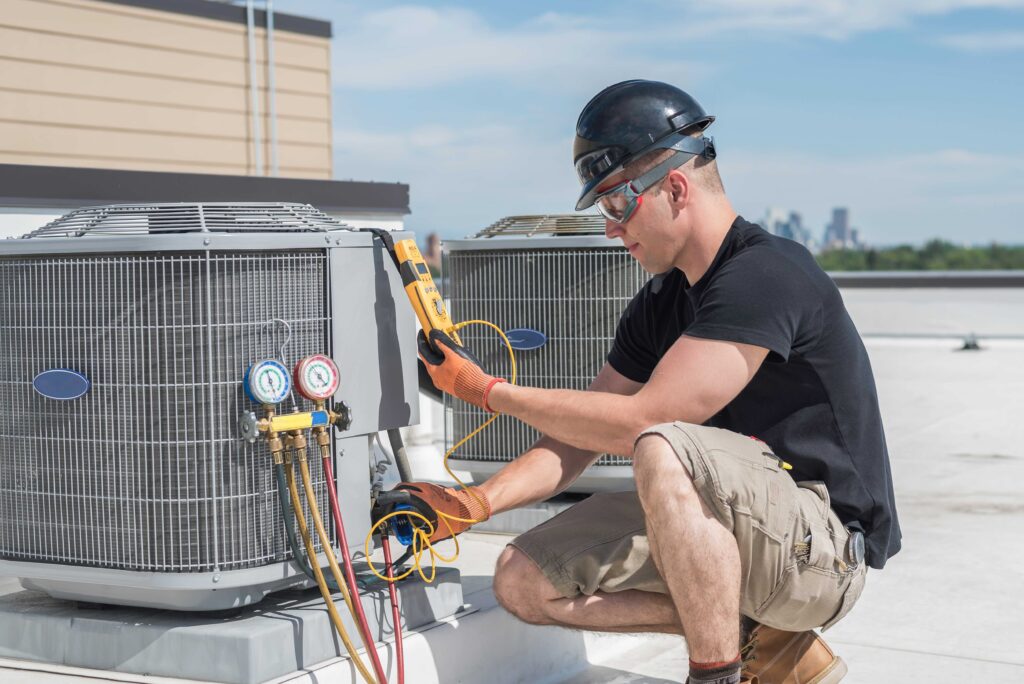
Regular HVAC maintenance cannot be overstated. An optimally maintained system operates more efficiently, leading to significant cost savings on energy bills—often up to 30% annually. Routine checks and servicing extend the lifespan of your equipment, preventing costly early replacements. You’ll enjoy consistent indoor temperature control, with reduced frequency of breakdowns or need for repairs. Importantly, it also plays a critical role in preserving indoor air quality, eliminating allergens, dust, and other pollutants that could affect your family’s health.
Potential Drawbacks of HVAC Systems
Despite their many advantages, HVAC systems are not without their drawbacks. Potential high upfront installation and regular maintenance costs can be significant drawbacks for many homeowners. Systems may require periodic repairs, especially as they age, and these costs can add up over time. Additionally, if an HVAC system is not properly maintained, it can become inefficient, leading to increased energy bills and reduced indoor air quality. Environmental concerns also arise with certain coolant types, and system noise can sometimes be a nuisance.
The Cost of HVAC Maintenance Explained
HVAC maintenance costs vary depending on the system type, manufacturer’s recommendations, and any necessary repairs or parts replacements. Homeowners might expect to pay between $100 to $200 annually for basic service checks. Costs increase with more extensive repairs, parts replacement, or emergency services. However, this investment often curtails more substantial expenses related to severe malfunctions or premature system replacement. Furthermore, warranties or maintenance plans can help manage these costs, safeguarding the functionality of your HVAC system.
Tips for DIY HVAC Maintenance
While professional maintenance is crucial, there are several tasks homeowners can undertake to maintain their systems. Changing or cleaning air filters every three months boosts efficiency and air quality. Ensure that vents and registers are unobstructed to facilitate airflow, and keep the outdoor unit clear of debris or overgrown vegetation. Moreover, sealing any leaks in your ductwork can prevent conditioned air from escaping, helping maintain efficiency and minimize energy consumption. Familiarizing yourself with your thermostat settings can also enhance system functionality and energy use.
When to Consider HVAC System Replacement
Recognizing when a system goes beyond repair can be challenging. Typically, the lifespan of an HVAC system ranges from 10 to 15 years. If your system requires frequent repairs, exhibits noisy operation, or fails to maintain consistent temperatures, it may be time to consider a replacement. Newer systems offer heightened efficiency, improved features, and compatibility with smart technology, potentially offering significant long-term savings and enhanced home comfort. Consulting with a professional can provide further guidance tailored to your unique circumstances.
Why Choose Armadillo for Your Home Warranty Needs?
Considering the high costs associated with HVAC repairs and replacements, securing a home warranty can provide peace of mind and financial security. When it comes to protecting your home investment, Armadillo offers exceptional coverage options tailored to fit every homeowner’s needs. Their comprehensive plans ensure your HVAC system is covered with ease, minimizing the stress of unexpected malfunctions and hefty repair bills. With Armadillo, your home’s comfort and your pocket are in good hands. Explore Armadillo’s offerings on their homepage or start your home warranty journey with their streamlined plan builder. Protect your home with the confidence and security Armadillo offers.