Your Water Heater: What It Does, Why It Matters, and How to Handle It Like a Pro
Hot water is one of those conveniences you forget to appreciate—until it’s gone. Whether it’s your morning shower, doing the dishes, or running a load of laundry, your water heater is quietly powering these everyday essentials. But behind that warm cascade is a system many homeowners rarely think about—until there’s a cold surprise. Understanding your water heater, how it works, and what decisions go into maintaining or replacing it is foundational to keeping your home systems running smoothly. Let’s explore what every homeowner should know, so you’re equipped before any emergency catches you off-guard.
What is a Water Heater, Really?
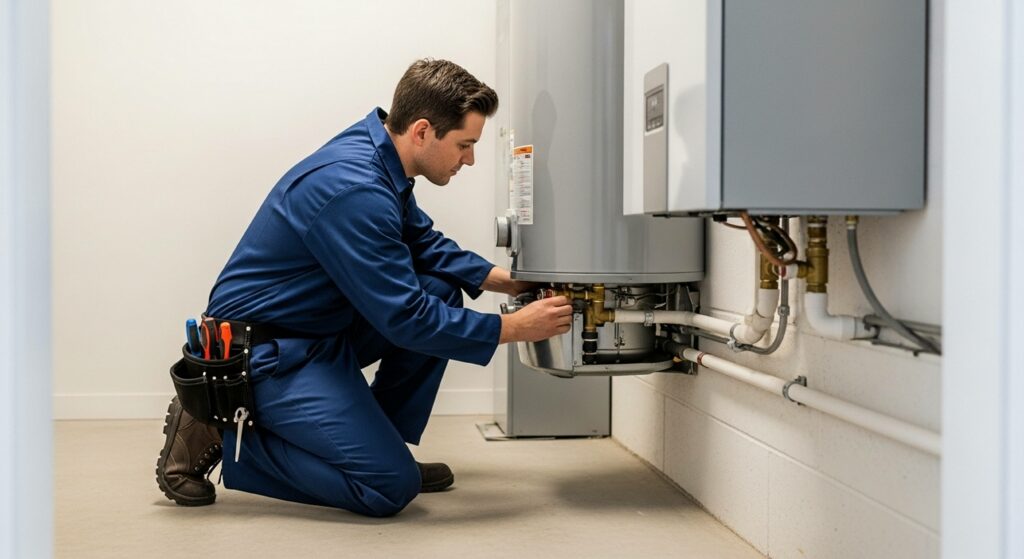
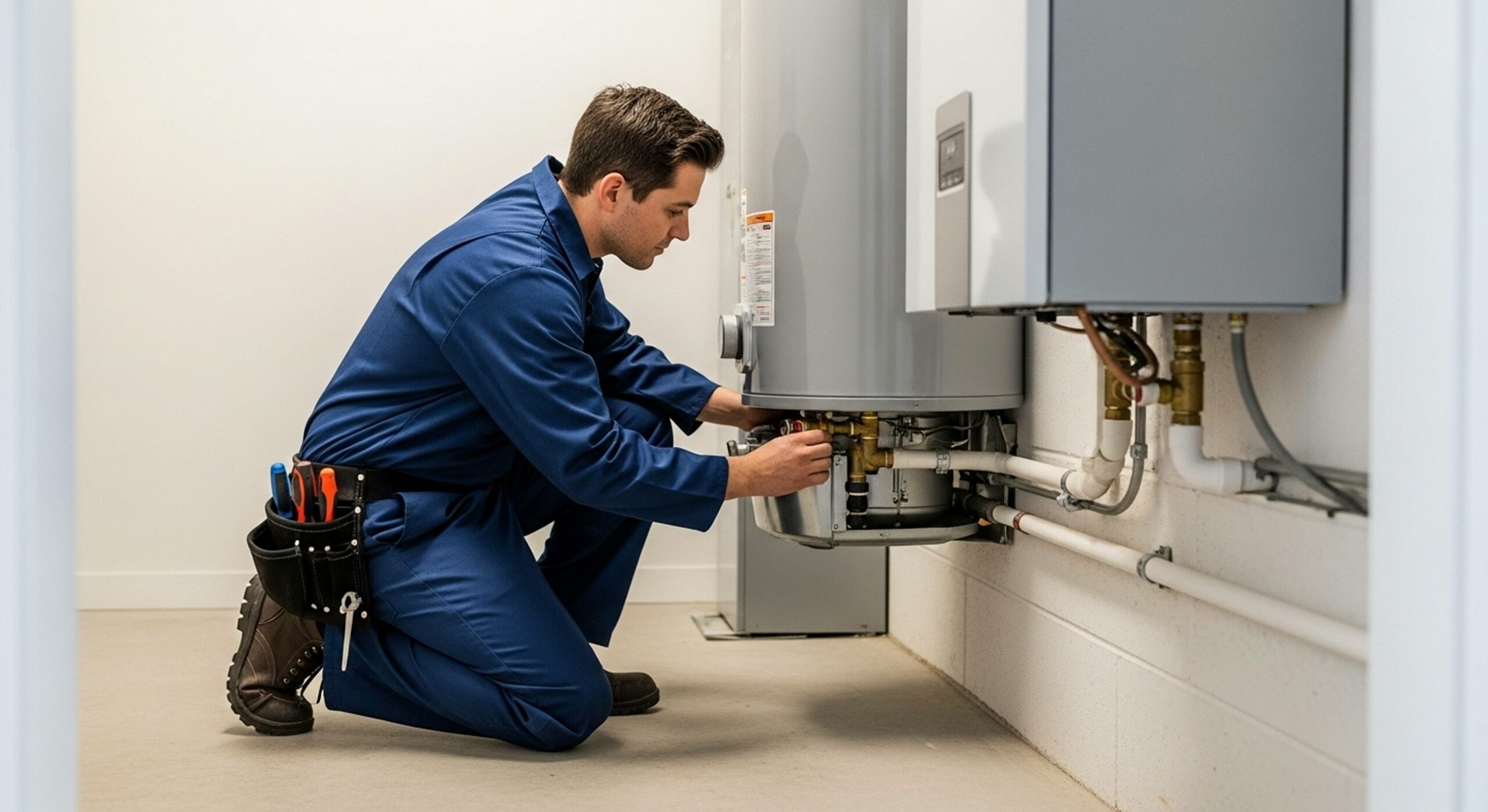
At its core, a water heater is a device that heats cold water and stores it for on-demand household use. It typically connects to your plumbing system and is powered by electricity, natural gas, propane, or in some cases, solar energy. The most common configuration is the storage tank model, where a reservoir of water is kept warm at all times. Tankless models, however, heat water only when it’s needed—a significant shift in technology that’s gained traction for its energy-saving benefits.
Water heaters aren’t just large, metal cylinders sitting in your basement or garage. They’re central to comfort, hygiene, and daily operations in your home. Knowing the kind you have—and the kind you may eventually want—is key to being a proactive homeowner instead of a reactive one.
How Does a Water Heater Work?
While designs can vary, traditional tank water heaters operate under a relatively consistent principle. Cold water enters the tank through a dip tube, while a thermostat monitors and maintains internal temperature—usually between 120 to 140 degrees Fahrenheit. Heating happens through electric elements or gas burners located at the bottom or along the sides of the tank. Once the water reaches the desired temperature, it’s stored, ready to be delivered through hot water lines the next time you turn on a faucet or household appliance.
Tankless water heaters—or on-demand models—bypass storage altogether. When a hot water tap is turned on, cold water flows through a heat exchanger, which rapidly heats it using electric coils or gas burners. It’s an efficient process, though not without its own complexities. Because there’s no reservoir, simultaneous demands in a large household can sometimes strain capacity.
Advantages of a Reliable Water Heater
It’s easy to overlook just how much your comfort relies on the consistent function of your water heater. A properly functioning unit provides dependable access to hot water across all key areas of your home. With modern efficiency standards, many newer models also help reduce energy consumption and lower utility bills. Tankless models, in particular, can offer longer lifespans—up to 20 years when properly maintained—compared to standard tank heaters which typically last 8 to 12 years.
Beyond comfort and cost savings, a good water heater maintains water pressure, supports sanitation efforts, and allows for multitasking usage. Upgrading to an energy-efficient model can also improve your home’s resale value—a consideration worth noting for future planning.
Common Drawbacks and Issues to Consider
No system is without its pain points. Traditional tank water heaters require significant physical space and are prone to sediment buildup, which can reduce efficiency and shorten the unit’s lifespan. Over time, calcium and magnesium deposits settle at the bottom, leading to noisy operation, reduced capacity, and potential overheating. Frequent flushing of the tank—usually once a year—is recommended but often neglected.
Tankless models avoid the sediment issue, but they involve a higher upfront installation cost and sometimes require electrical upgrades or gas line modifications. If undersized, they can struggle to accommodate multiple simultaneous uses—think shower, dishwasher, and washing machine all at once—resulting in inconsistent water temperatures.
Leaks, pilot light failures, and thermostat malfunctions are also common issues. When left untreated, these can lead to serious damage, including flooding and energy wastage. Routine inspection and a solid home warranty strategy can save significant stress and cost over time.
Repair vs. Replace: Knowing When It’s Time
When your system shows signs of wear—slow heating, rusty water, odd noises—it’s worth assessing whether repair or replacement is more cost-effective. If the unit is under six years old and the issue is minor, repair is often the better option. However, if your water heater is approaching its expected life span, replacement might make more financial sense in the long run. Newer models often come with improved efficiency that quickly offsets the cost of installation.
Leaking tanks, excessive rust, or repeated need for service are indicators you may need a full replacement. In contrast, issues like a broken heating element or faulty thermostat are generally simpler to fix. A home warranty can be an essential safeguard by covering repair or replacement under your protection plan, so you’re not blindsided by unexpected expense.
Energy Efficiency: What You Need to Know
With water heating accounting for roughly 18% of a household’s energy use, choosing an efficient model isn’t just good for the environment—it can make a noticeable difference in your annual utility costs. Energy Star-certified models, high-efficiency gas units, or heat pump water heaters can reduce consumption significantly while maintaining performance.
Consider adding insulation to your tank and pipes to reduce standby heat loss. For older tank units, an insulation jacket is a cost-effective upgrade that can reduce energy use by 7–16%. Simple steps like lowering the thermostat to 120°F can also save energy without sacrificing comfort.
Maintenance Tips for Long-Term Performance
Proper maintenance is key if you want your water heater to live a long, reliable life. Begin by draining the tank annually to flush out sediment and mineral buildup. Inspect the anode rod every two to three years—this small component helps prevent corrosion by attracting minerals that would otherwise rust the tank walls. Replacing it when it’s worn down extends the life of your unit significantly.
Check the pressure relief valve annually to ensure it opens and closes properly. Keep the area around your water heater clear to allow airflow and make visual inspections easier. And don’t forget to give your heater an occasional check for leaks, discoloration, or irregular noises. Routine upkeep helps avoid emergency breakdowns—and it plays nicely into your home warranty coverage should you ever need it.
Protecting Your System with Armadillo
A broken water heater disrupts more than your morning routine—it can upend your life and your budget. With Armadillo, you get more than just coverage. You get peace of mind. Our home warranty plans are designed by people who know the ins and outs of home systems and appliances—including your water heater. Whether your unit suddenly stops working or needs a full replacement, Armadillo’s coverage ensures you’re not left in cold water. Learn more at armadillo.one. Ready to protect your home? Start your personalized plan today at our plan builder.