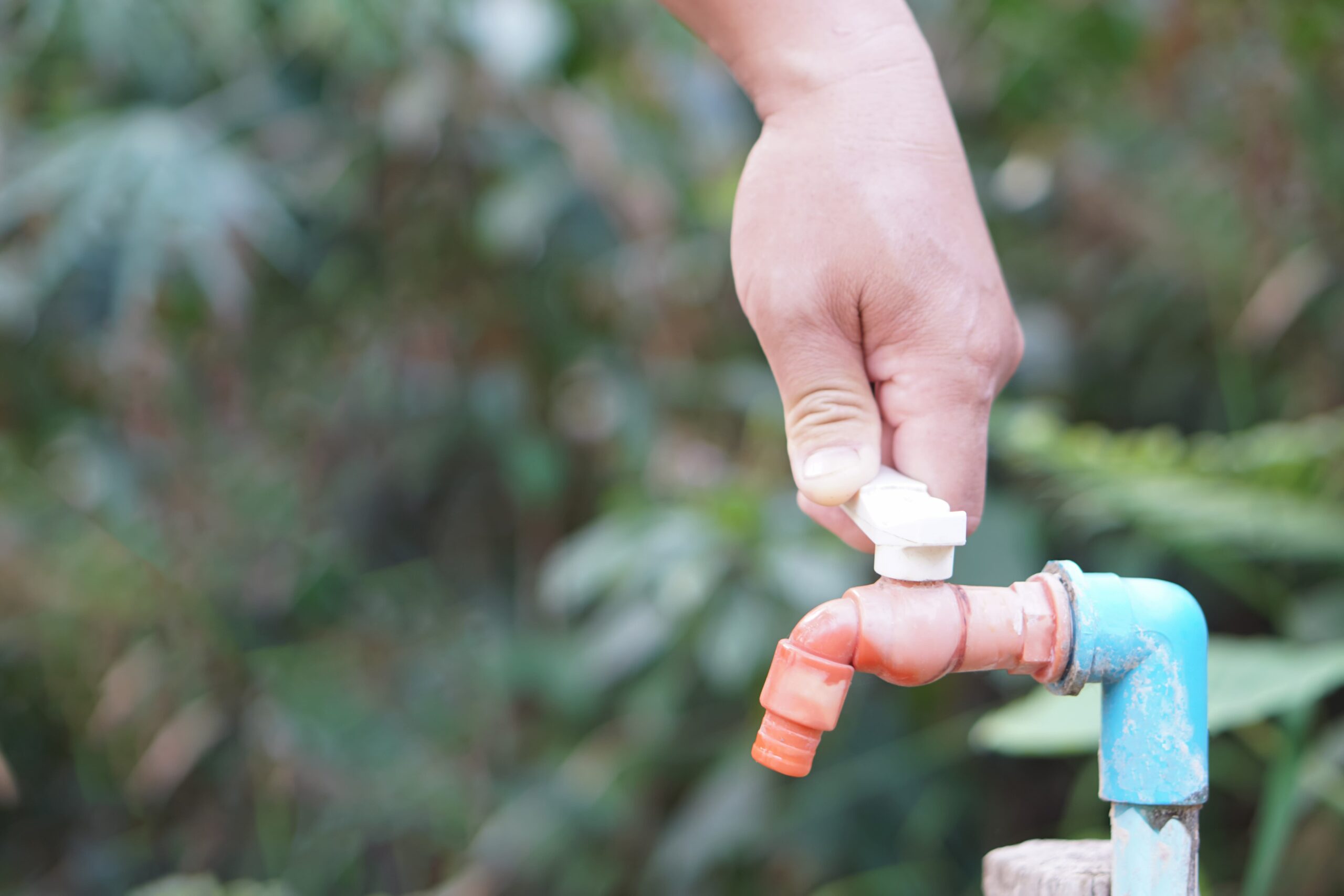
What Is an Exterior Faucet Shut Off Valve and Why Should You Care?
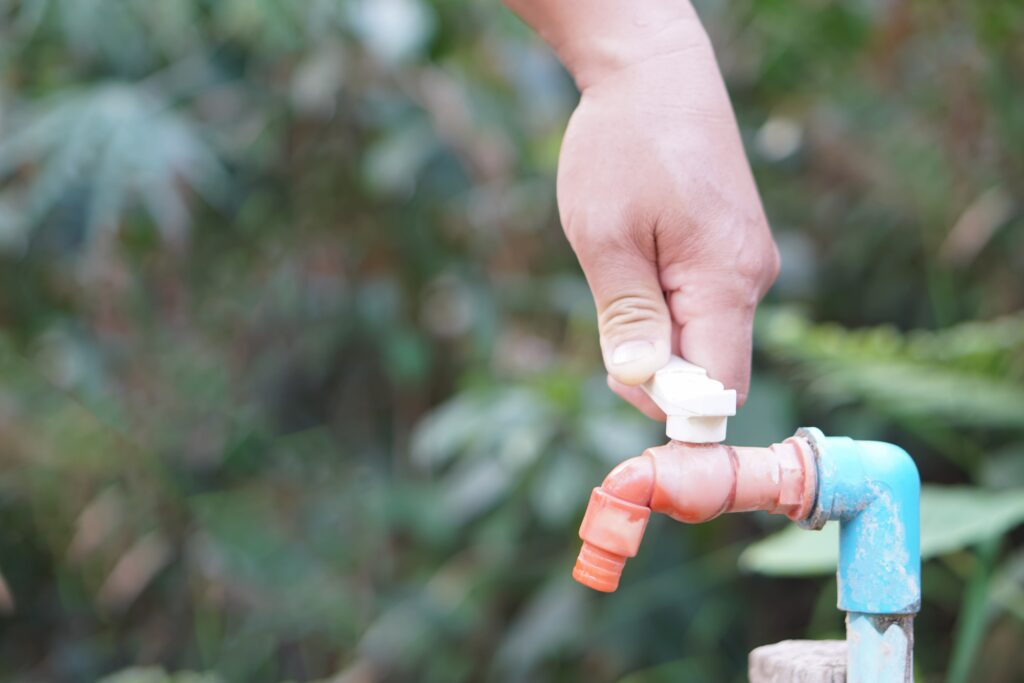
Most homeowners give their outdoor faucets very little thought — until something goes wrong. And when something goes wrong with a plumbing component that sits right on the outer wall of your home, the damage can escalate faster than you might expect. The exterior faucet shut off valve is a small but critical piece of your home’s plumbing infrastructure. It controls water flow to your outdoor hose bibs, and it plays a major role in preventing frozen pipe damage, water waste, and costly emergency repairs. If you have not thought about this valve lately, now is a good time to get acquainted with it.
How the Exterior Faucet Shut Off Valve Actually Works
The exterior faucet shut off valve — sometimes called an indoor shut off valve for an outdoor faucet or a hose bib shut off valve — is typically located inside your home, usually in a basement, crawl space, utility room, or behind an access panel. It sits along the water supply line that feeds your outdoor spigot. When the valve is open, water flows freely to your exterior faucet. When it is closed, it cuts off that supply entirely. This design is intentional. By placing the shut off point inside the home, where temperatures stay above freezing, you can drain residual water from the outdoor line before winter arrives, significantly reducing the risk of burst pipes. Some homes are fitted with frost-free hose bibs that incorporate a similar principle directly into the faucet body, but the dedicated indoor shut off valve remains a standard and important feature in most residential plumbing systems.
A Quick Look at the Valve Types You Might Encounter
Not every shut off valve is built the same, and the type you have matters when it comes to maintenance and replacement. The most common configurations include ball valves, gate valves, and stop-and-waste valves. Ball valves are generally preferred by plumbers for their durability and ease of use — a simple quarter-turn opens or closes the line. Gate valves are older and require multiple rotations to operate; they tend to wear out faster and are less reliable over time. Stop-and-waste valves are designed with a small side port that allows residual water in the line to drain out when the valve is shut, making them particularly effective in colder climates. Knowing which type is installed in your home gives you a clearer picture of what to expect during winterization and routine maintenance.

The Key Advantages of Having a Properly Functioning Shut Off Valve
There are real, measurable benefits to having this valve in good working order, and they tend to show up most clearly when temperatures drop or when a faucet starts leaking without warning. Here is what a well-maintained exterior faucet shut off valve does for you:
- Prevents frozen pipes by allowing you to cut off water supply to vulnerable outdoor lines before winter sets in
- Allows for quick water isolation during a faucet leak or hose bib failure, limiting interior water damage
- Makes routine faucet repairs and replacements far more manageable without shutting off water to the entire home
- Reduces long-term water waste from slow drips or undetected leaks at the outdoor spigot
- Gives homeowners greater control over their plumbing system without calling a plumber for basic seasonal tasks
These are not minor conveniences — they are practical protections that can save hundreds or even thousands of dollars in repair costs over the life of a home.
Common Problems Homeowners Run Into With This Valve
Even though the exterior faucet shut off valve is relatively simple, it is not immune to problems. One of the most frequent issues is a valve that has not been operated in years and has effectively seized in position — either stuck open or stuck closed due to mineral buildup or corrosion. Forcing a stuck valve can cause it to crack or fail, which creates a much bigger problem than the one you started with. Leaks around the valve stem are also common, particularly in older homes with gate valves. These leaks may appear minor at first, but left unaddressed they can cause water damage inside walls or in crawl spaces where moisture goes unnoticed for extended periods. In some cases, the valve itself is simply located in an inconvenient or inaccessible spot, which causes homeowners to skip the winterization step altogether — and that tends to be when frozen pipe emergencies happen.
Seasonal Maintenance Tips Every Homeowner Should Follow
The good news is that maintaining your exterior faucet shut off valve is not complicated. A few consistent habits each year go a long way toward keeping this component in reliable condition. Before the first hard freeze of the season, locate your interior shut off valve and turn it to the closed position. Then head outside and open the exterior faucet to release any remaining water in the line. Leave the outdoor faucet open slightly to allow full drainage and pressure equalization. Once spring arrives, reverse the process — close the outdoor faucet first, then open the interior valve to restore flow. While you are at it, inspect the valve body for signs of corrosion, mineral deposits, or moisture around the stem. If the valve feels stiff or difficult to operate, have a licensed plumber evaluate it before the next winter season. Proactive attention to this valve costs almost nothing and consistently prevents expensive emergency calls.
When It Is Time to Replace Your Exterior Faucet Shut Off Valve
Valves do not last forever, and there are clear signs that a replacement is overdue. If you notice water continuing to flow after the valve is fully closed, or if there is a persistent drip or puddle forming near the valve inside your home, those are indicators that the internal components have degraded. Older gate valves in particular have a limited service life and should often be replaced with modern ball valves during any plumbing update. The replacement process itself is not overly complex for a qualified plumber, but it does require shutting off the main water supply to the home, cutting into the supply line, and soldering or fitting new connections. This is not a DIY project for most homeowners, and attempting it without the right skills or tools can lead to bigger problems. Budget for this type of repair and handle it properly the first time.
How This Relates to Broader Home Plumbing System Health
The exterior faucet shut off valve does not operate in isolation. It is one node in a larger plumbing network that includes supply lines, main shut off valves, pressure regulators, water heaters, and drain systems. When one component is neglected, it often creates stress or vulnerability elsewhere. A frozen outdoor line, for instance, does not just affect the hose bib — the pressure from expanding ice can travel back into interior pipes and cause failures inside the walls. Understanding how your outdoor plumbing connects to your overall system encourages a more holistic approach to home maintenance. Homeowners who treat plumbing as an integrated system — rather than a collection of individual fixtures — tend to experience fewer emergency repairs and lower long-term maintenance costs.
Why Home Warranty Coverage Makes Sense for Plumbing Components Like This
When plumbing components fail unexpectedly, the repair costs can catch homeowners completely off guard. A burst pipe, a failed valve, or a damaged hose bib can escalate into a repair bill that disrupts a monthly budget without warning. That is exactly the kind of situation where a reliable home warranty becomes valuable. Armadillo home warranty plans designed to protect your plumbing system give homeowners a financial safety net that covers the cost of unexpected repairs to covered systems and appliances, including interior plumbing components. Rather than absorbing the full cost of a plumber diagnosing a failed shut off valve or repairing damaged water lines, a home warranty plan shifts a significant portion of that financial risk. If you are a homeowner who wants practical protection against the unpredictable nature of home systems, this is a straightforward way to get it. You can get a personalized home warranty quote that covers your exterior and interior plumbing needs in just a few minutes, without any complicated paperwork or pressure.

Exterior Faucet Shut Off Valve: Frequently Asked Questions
Answers to the most common questions homeowners have about exterior faucet shut off valves, how they work, and what to do when something goes wrong.
Where is the shut off valve for an exterior faucet located?
The shut off valve for an exterior faucet is typically located inside the home along the water supply line that feeds the outdoor spigot. Common locations include basements, crawl spaces, utility rooms, and sometimes behind small access panels in interior walls closest to the outdoor faucet.
How do I shut off water to my outdoor faucet for winter?
Locate the interior shut off valve connected to the outdoor faucet line and turn it to the closed position. Then go outside, open the exterior faucet fully, and allow any remaining water in the line to drain out completely before temperatures drop below freezing.
What is a stop-and-waste valve and do I need one?
A stop-and-waste valve is a type of shut off valve that includes a small drain port, allowing residual water to escape from the supply line when the valve is closed. It is particularly useful in cold climates because it helps fully evacuate the line and reduces freeze risk. Whether you need one depends on your climate and your current valve type.
Can a stuck shut off valve cause water damage?
Yes. A valve that is stuck open cannot be used to isolate the outdoor line during a leak or freeze event, which allows water damage to continue unchecked. A valve stuck in the closed position with residual water trapped in the line can also contribute to freeze damage if temperatures drop before the line is drained.
How long does an exterior faucet shut off valve last?
The lifespan varies by valve type and usage conditions. Ball valves in good condition can last 20 to 30 years or more. Older gate valves tend to degrade faster and may need replacement after 10 to 15 years, especially if they have not been operated regularly. Mineral buildup and corrosion can shorten the lifespan of any valve.
Is replacing a shut off valve a DIY project?
For most homeowners, this is not a recommended DIY project. The process requires shutting off the home’s main water supply, cutting into existing supply lines, and making soldered or compression-fit connections. Errors can lead to leaks inside walls or structural areas. A licensed plumber should handle this type of replacement.
What are signs that my exterior faucet shut off valve needs replacement?
Common signs include water continuing to flow after the valve is fully closed, visible corrosion or mineral buildup on the valve body, leaking around the valve stem, a valve that feels extremely stiff or impossible to turn, and any evidence of moisture or water staining near the valve location inside the home.
Does a home warranty cover exterior faucet shut off valves?
Coverage varies by provider and plan. Many home warranty plans cover interior plumbing components, which can include shut off valves depending on how the policy is written. It is important to review the specific terms of any home warranty plan to understand what is included and whether exterior or hose bib-related components are covered.
What happens if I forget to winterize my outdoor faucet?
If water remains in the outdoor supply line during a freeze, it can expand and cause the pipe to crack or burst. This damage may not become visible until temperatures rise and water begins flowing again. The resulting leak can affect interior walls, flooring, and structural components, leading to repair costs that far exceed the effort of proper winterization.
How do I know if my outdoor pipe froze even if I do not see a leak yet?
Signs of a frozen or burst pipe include significantly reduced or absent water flow at the outdoor faucet after temperatures rise, unusual sounds in the wall near the supply line, visible frost or ice on exposed pipe sections, or water staining and dampness appearing near interior walls connected to the outdoor line.