Your Fireplace This Fall: What Every Homeowner Should Know Before Lighting That First Fire
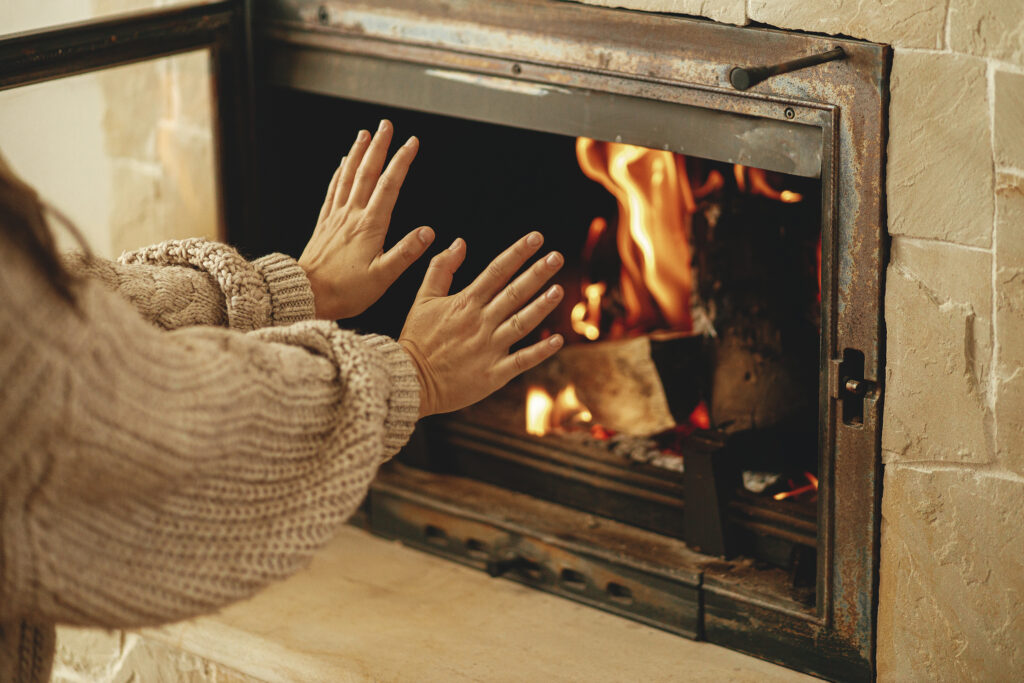
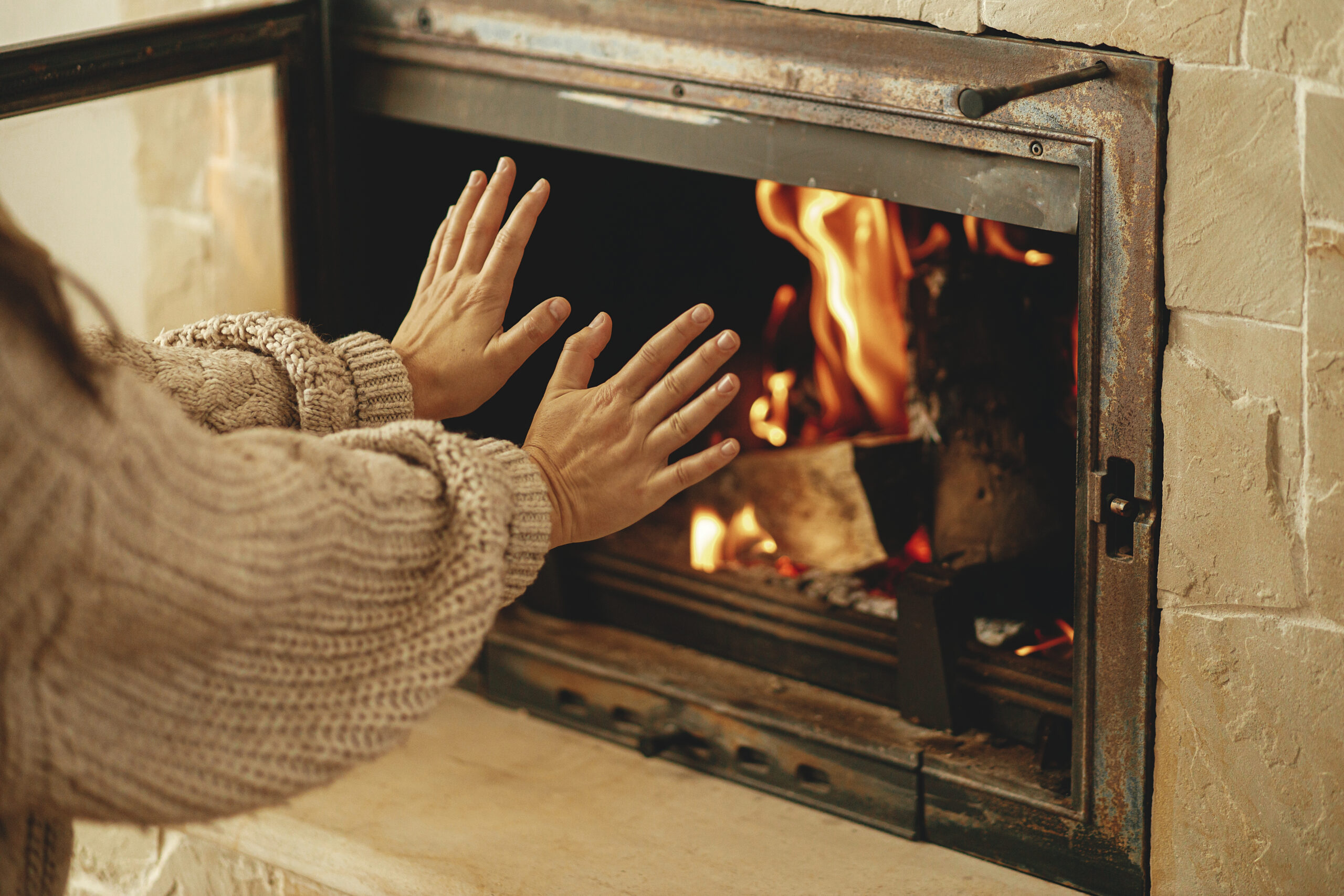
There is something about fall that makes a fireplace feel necessary. The leaves change, the air gets that sharp edge to it, and suddenly the idea of a crackling fire stops being romantic and starts being practical. But here is the thing — a fireplace is not just decor. It is a home system, and like any system in your house, it requires understanding, maintenance, and a plan for when things go sideways. Whether you have a wood-burning hearth, a gas insert, or an electric unit, this guide breaks down everything you need to know heading into the season when your fireplace actually earns its place in your home.
What Kind of Fireplace Do You Actually Have?
Not all fireplaces are built the same, and knowing the difference matters a lot more than most homeowners realize. A traditional wood-burning fireplace is exactly what it sounds like — brick or stone construction, a firebox, a damper, and a chimney that vents combustion gases outside. Gas fireplaces use natural gas or propane and come in two main forms: vented, which requires a chimney or direct vent to the exterior, and ventless, which burns inside the living space. Electric fireplaces skip combustion entirely and use heating elements and LED technology to simulate flame. Each type comes with its own maintenance needs, cost profile, and set of potential issues. Knowing yours is step one.
How a Fireplace Actually Works
Understanding the mechanics behind your fireplace takes the mystery out of troubleshooting it later. In a wood-burning system, combustion happens in the firebox, and hot gases and smoke rise through the flue — the interior channel of your chimney — and exit through the top. The damper, a movable plate above the firebox, controls airflow. Open it before you light a fire; forget to open it and your living room fills with smoke fast. Gas systems work through a burner fed by a gas line, ignited either by a pilot light, an electronic ignition, or a wall switch. The flame heats either ceramic logs or glass media, and the heat radiates into the room. Ventless gas units recirculate combustion products back into the space, which is why they are controversial in some states and require oxygen-depletion sensors by code. Electric units are the simplest — electricity powers a heating coil and a fan pushes warm air into the room while LEDs create the visual effect.
The Real Advantages of Having a Functioning Fireplace
When a fireplace is well-maintained and operating correctly, it delivers genuine value — not just visual warmth. Here are the key advantages that make fireplaces worth the investment of attention and upkeep:
- Supplemental heat that can reduce reliance on your central HVAC system during shoulder seasons
- A significant boost to home resale value, particularly in colder climates
- A reliable heat source during power outages, especially with wood-burning or gas units
- Improved ambiance that genuinely affects how a space feels and functions during fall and winter months
- Potential energy savings when used strategically to zone-heat the rooms you actually occupy
Gas and electric units in particular have become significantly more efficient over the past decade, with some gas inserts rated at over 70 percent efficiency. That is real money back in your pocket over a heating season.
Common Drawbacks and Risks Homeowners Should Not Ignore
It would be irresponsible to talk about fireplaces without spending serious time on the risks. Wood-burning fireplaces produce creosote — a byproduct of combustion that coats the interior of the flue. Creosote is flammable. When it builds up and ignites, you get a chimney fire, which can reach temperatures exceeding 2,000 degrees Fahrenheit and cause structural damage or worse. Gas fireplaces can develop issues with burner components, thermocouples, gas valves, and ignition systems. Ventless units, as mentioned, introduce combustion byproducts into your living space and are banned outright in some jurisdictions. Electric fireplaces are the safest from a combustion standpoint but can still experience electrical faults, heating element failures, and fan motor issues. Every fireplace type carries some level of risk when neglected.

Fall Fireplace Maintenance: What to Do Before You Light the First Fire
Fall is the perfect time to run through your fireplace checklist before the temperature drops enough that you actually need it. Starting the season with a functioning, clean system is far cheaper than addressing an emergency mid-January. The National Fire Protection Association recommends annual inspections and cleanings for all wood-burning systems. For gas units, a technician should check the burner assembly, ignition system, and gas connections. For electric units, inspect the cord, plug, and heating element housing for signs of wear. Clear the area around the fireplace of anything flammable — and yes, that includes the fall decor. Dried corn stalks, paper leaves, and fabric pumpkins look beautiful on a mantel, but they belong several feet away from any working firebox.
Signs That Something Is Wrong With Your Fireplace System
Your fireplace will usually tell you something is off before it becomes a crisis — if you know what to listen and look for. A wood-burning fireplace that smokes back into the room may have a blockage in the flue, a damaged damper, or a draft problem caused by negative air pressure in your home. A gas fireplace that will not stay lit often points to a failing thermocouple or a dirty pilot assembly. Yellow or orange flames in a gas unit — instead of the expected blue — can indicate incomplete combustion. An electric unit that produces heat but no light, or light but no heat, usually has a component failure in either the heating element or the LED system. Strange smells, sounds, or visible damage to the firebox, hearth, or surrounding masonry should never be dismissed as quirks.
Fireplace Safety Tips That Should Be Habits, Not Afterthoughts
Fireplace safety is less about dramatic intervention and more about consistent, low-effort habits that become second nature over time. Keep these practices built into your fall and winter routine:
- Install and test carbon monoxide and smoke detectors within ten feet of the fireplace and on every level of your home
- Never burn trash, cardboard, or treated wood in a wood-burning fireplace — these materials release toxic compounds and increase creosote buildup
- Always open the damper completely before starting a fire and confirm it is closed after the fire is fully extinguished and cooled
- Use a fireplace screen or glass doors to contain sparks and embers
- Keep a fire extinguisher rated for multi-class fires accessible near the fireplace area
- Never leave a fire unattended, especially with children or pets in the home
What Home Warranties Actually Cover When It Comes to Fireplaces
Here is where things get interesting for homeowners who rely on a home warranty for budget protection. Coverage for fireplaces varies significantly by provider and plan. Most standard home warranty plans do not cover the fireplace structure itself — the firebox, chimney, or hearth — because those are considered structural components of the home, typically falling under homeowner’s insurance. However, the mechanical and electrical components of gas and electric fireplaces — things like the ignition system, gas valve, thermocouple, and blower motor — are more likely to be covered under a comprehensive home warranty plan. It is worth reading your plan documents carefully and asking your provider directly what is included. Knowing before something breaks is always better than finding out after.
Why Armadillo Is Worth Considering Before Fireplace Season Hits Full Force
Fall is not just the season for warm beverages and mantel arrangements. It is the season when home systems get tested after months of dormancy, and fireplaces are no exception. If your gas ignition fails the first time you flip the switch in October, or your blower motor quits during a cold snap, the last thing you want is an unexpected repair bill landing on top of everything else the season brings. That is exactly the kind of scenario a strong home warranty plan is designed to handle. Armadillo home warranty coverage for heating systems and home appliances is built around transparency and real protection — not the kind of fine print that makes you feel foolish for trusting it. When you are ready to stop guessing what is and is not covered, get a personalized home warranty quote for fireplace and heating system protection and see what a plan actually looks like for your home. Fall is a good time to get cozy. It is a better time to get covered.

Frequently Asked Questions About Fireplaces and Home Warranty Coverage
These are the questions homeowners ask most often when it comes to fireplaces, fall maintenance, and understanding how home warranty protection applies to their heating setup.
How often should a wood-burning fireplace be professionally cleaned?
The National Fire Protection Association recommends having your chimney inspected and cleaned at least once per year, ideally before heating season begins in the fall.
Are gas fireplace components covered under a home warranty?
Coverage varies by plan and provider. Mechanical components like the ignition system, thermocouple, and gas valve are more commonly covered than structural elements like the firebox or chimney.
What is creosote and why is it dangerous?
Creosote is a flammable residue that forms inside the flue when wood combustion byproducts cool and condense. Buildup can ignite and cause a chimney fire if the flue is not cleaned regularly.
Can I use a ventless gas fireplace in any state?
No. Ventless gas fireplaces are prohibited or heavily regulated in several states, including California and Massachusetts. Check your local building codes before installing or using one.
How do I know if my fireplace damper is open or closed?
Look up into the firebox with a flashlight. If you can see daylight or feel airflow, the damper is open. You can also use a small piece of paper — if smoke from a lit match drafts upward, the damper is open.
What causes a gas fireplace to produce a yellow or orange flame instead of blue?
Yellow or orange flames in a gas unit typically indicate incomplete combustion, which can be caused by a dirty burner, improper gas pressure, or insufficient air supply. A technician should inspect the unit promptly.
Does homeowner’s insurance or a home warranty cover chimney damage?
Chimney damage caused by a sudden event like a storm or fire may be covered under homeowner’s insurance. A home warranty typically covers mechanical failures in fireplace components rather than structural chimney damage.
Is an electric fireplace a good alternative for renters or homeowners in mild climates?
Electric fireplaces are a practical option for spaces where venting is not possible or in climates where supplemental heat is only occasionally needed. They are safer from a combustion standpoint but do not replicate the efficiency of a gas insert for primary heating.
What should I do if I smell gas near my fireplace?
Leave the home immediately without operating any switches or electronics, and call your gas utility provider and emergency services from outside or from a neighbor’s home. Do not attempt to locate the source of the leak yourself.
How far should fall decorations be kept from a working fireplace?
Keep all combustible decorations at least three feet from the firebox opening. This includes fabric items, dried natural materials, paper decorations, and candles commonly used in fall mantel displays.