Your Fireplace Mantel Is the Heart of Your Home — Here Is What Powers It
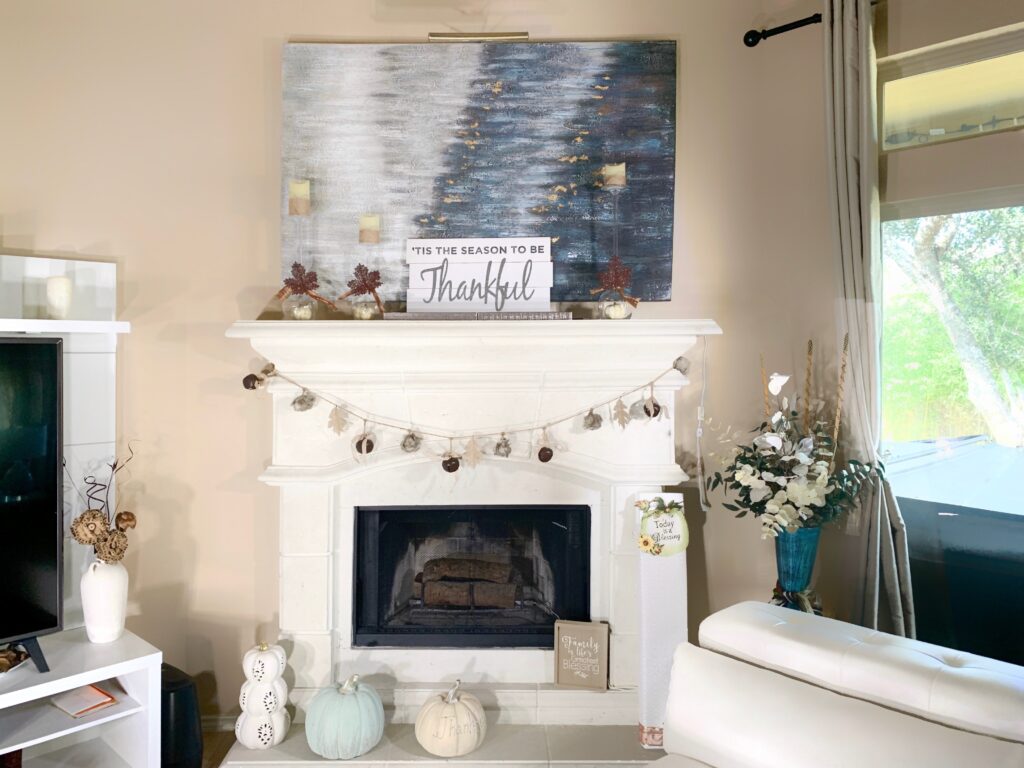
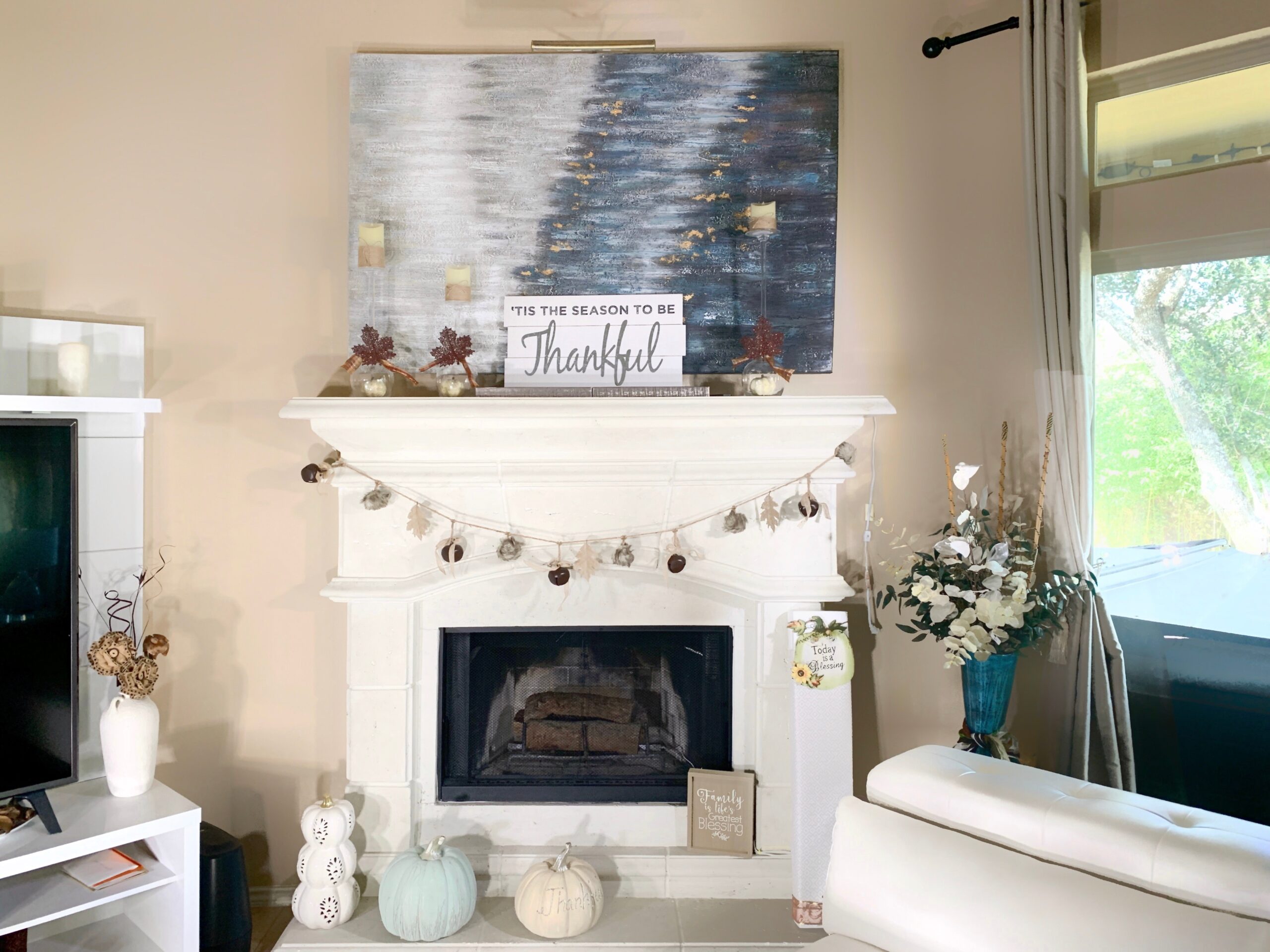
There is something about fall that makes the fireplace suddenly feel essential again. The leaves are turning, the air has that particular chill to it, and before you know it, you are standing in front of your mantel trying to figure out how to make it look like something out of a seasonal home magazine. Pumpkins, candles, dried botanicals, layered textures — the mantel becomes the visual anchor of the entire room this time of year. But here is the thing that often gets overlooked while you are arranging those perfectly imperfect vignettes: the fireplace behind all that beautiful decor is an actual home system that requires attention, maintenance, and yes, protection. Fall decor has a way of reminding homeowners that the fireplace exists. What it does not always remind them is that a fireplace system can be expensive to repair when something goes wrong.
What Is a Fireplace System and Why Does It Matter
A fireplace system is more than the firebox opening framed by your mantel. It includes the firebox itself, the flue, the damper, the hearth, and in many modern homes, a gas valve, igniter, or blower component. Each of these parts works in coordination to safely contain combustion, vent byproducts out of the home, and regulate airflow. Wood-burning fireplaces rely on a chimney draft system that pulls smoke upward and out. Gas fireplaces use either a standing pilot light or an electronic ignition system connected to a gas line. Electric fireplaces, the simplest of the three, use heating elements and LED flame effects to simulate the experience without any combustion at all. The type of fireplace you have determines how it is maintained, how it fails, and what kind of coverage applies when something breaks down unexpectedly.
How a Gas Fireplace Works — The Most Common Type in Modern Homes
Gas fireplaces have become the dominant choice in newer construction and renovated homes because they are convenient, clean, and relatively low-maintenance compared to wood-burning options. When you flip the switch or press the remote, a valve opens and allows natural gas or propane to flow to the burner. An igniter — either a standing pilot light or an electronic spark — lights the gas, and the flame appears. A thermocouple or thermopile safety sensor confirms that a flame is present before allowing gas to continue flowing, which is a critical safety mechanism. The flue or vent system then moves combustion gases out of the home. Some gas fireplaces are direct-vent, meaning they pull fresh air from outside and exhaust directly through a sealed pipe. Others are vent-free, relying on the room’s air supply and a catalytic system to burn cleanly. Understanding which type you have matters enormously when something goes wrong — and something eventually will.
The Real Advantages of Having a Functional Fireplace in Your Home
Beyond the obvious aesthetic value — and there is a lot of it, especially when you have a beautifully styled fall mantel as the backdrop — a working fireplace offers genuine practical benefits. Here is what homeowners consistently cite as the top advantages:
- Supplemental heat that can reduce dependency on your central HVAC system during mild cold spells
- Increased home resale value, as fireplaces remain a high-priority feature for buyers
- A reliable heat source during power outages, particularly with wood-burning or gas models
- Improved ambiance that contributes meaningfully to the livability and comfort of a space
- Zone heating capability that allows you to warm specific areas of the home without heating everything
These benefits are real, but they depend entirely on a fireplace that is properly maintained and in working condition. A fireplace that looks beautiful from the outside but has a failing gas valve, a cracked firebox liner, or a malfunctioning igniter is not delivering any of those benefits — it is just expensive decor.
Common Fireplace Problems Homeowners Face Every Fall
Fall is the season when fireplace issues reveal themselves, often because the system has sat dormant through spring and summer. The most common problems that surface include pilot lights that will not stay lit, igniters that spark but do not ignite, dampers that are stuck open or closed, gas valves that fail to open or hold pressure, and blower motors that run loudly or stop functioning. For wood-burning fireplaces, creosote buildup inside the flue is a significant and potentially dangerous issue. Chimney liners can crack over time due to thermal cycling. Damper seals deteriorate, allowing cold drafts to push through the firebox even when you are not using it. These are not minor inconveniences — some of them represent real repair costs that can range from a few hundred to several thousand dollars depending on the component and the extent of the damage.

Practical Maintenance Tips Before You Light That First Fall Fire
The best thing you can do before you settle into fall mode — mantel styled, candles lit, throw blanket nearby — is run through a basic fireplace maintenance checklist. Schedule a chimney sweep if you have a wood-burning fireplace and have not had one in the past year. For gas fireplaces, test the ignition system before the weather drops, clean the glass panel with an appropriate cleaner, and inspect the burner ports for blockages. Check that the damper opens and closes smoothly. Look for any visible cracks in the firebox interior. Make sure the area around the hearth is clear and that any decorative items on the mantel are positioned at a safe distance from the firebox opening. These steps take maybe an afternoon, and they dramatically reduce the chance of a mid-winter breakdown when you actually need the fireplace most.
What a Home Warranty Covers When It Comes to Fireplaces
This is where things get specific, and it is worth paying attention. Home warranty coverage for fireplaces varies significantly by provider and plan. Most standard home warranty plans cover gas fireplace components such as the gas valve, igniter, thermocouple, and thermopile when they fail due to normal wear and use. Some plans extend coverage to the blower motor and related electrical components. Wood-burning fireplaces and their chimney systems are less commonly covered because they require regular maintenance to remain safe and functional — and coverage often depends on whether that maintenance has been performed. Electric fireplace heating elements may be covered under appliance protection depending on how the unit is classified. Reading the fine print matters here. What is listed as covered and what is excluded can be the difference between a covered repair and an out-of-pocket expense that was entirely avoidable.
Fireplace Decor and the Hidden Costs It Can Obscure
There is an interesting dynamic that happens with fireplace mantels in fall specifically. The styling gets so good — layered candles, foliage, ceramic pumpkins, framed art, textured runners — that the fireplace itself almost becomes secondary to the display in front of it. That is visually satisfying but functionally risky. Homeowners who are deeply focused on the aesthetic sometimes delay calling for service on a fireplace that is behaving strangely because they do not want to disrupt the setup. A fireplace that clicks repeatedly before igniting, or one that produces a faint gas smell, or one where the flame seems lower than it used to be — these are signals that should not wait until the season is over. The mantel can be rearranged. A gas leak or a failing component is a different category of problem entirely.
Seasonal Home Readiness and the Bigger Picture of System Protection
Fall is genuinely one of the best times of year to take stock of where your home systems stand. The HVAC system is transitioning from cooling to heating. The fireplace is coming back online. The water heater is about to work harder as temperatures drop. All of these systems are aging simultaneously, and all of them carry the potential for unexpected failure at the worst possible moments. A home warranty exists precisely for this intersection of seasonal demand and system vulnerability. It is a financial buffer that converts unpredictable repair costs into a manageable, predictable monthly expense. For homeowners who are putting real effort and care into making their home feel warm and welcoming for fall — and spending money on decor to do it — protecting the systems that make the home actually function is the logical next step.
Why Armadillo Is the Right Home Warranty Partner for Fireplace-Season Peace of Mind
When your gas fireplace decides to stop cooperating on the coldest evening of October, the last thing you want is to navigate a complicated claims process or wait weeks for a technician. Armadillo is built around the idea that home warranty coverage should be straightforward, responsive, and genuinely useful — not a maze of exclusions designed to avoid paying out. As a trusted home warranty provider for homeowners who want real coverage for real home systems, Armadillo offers plans that are transparent about what is covered, including key components of gas fireplace systems that other providers quietly leave out. If you are heading into fall with a fireplace you rely on, now is the right time to think seriously about protection. You can get a personalized home warranty quote that covers your fireplace and other essential home systems in just a few minutes — no lengthy phone calls, no confusing sales process. Armadillo makes it simple because it should be simple.

Frequently Asked Questions About Fireplaces and Home Warranty Coverage
Answers to the questions homeowners ask most when it comes to fireplace systems, seasonal maintenance, and what a home warranty actually covers.
Does a home warranty cover gas fireplace repairs?
Most home warranty plans cover key components of gas fireplaces including the gas valve, igniter, thermocouple, and thermopile when they fail due to normal wear and tear. Coverage specifics vary by provider, so reviewing your plan details before assuming coverage is always the right move.
How often should a gas fireplace be serviced?
Gas fireplaces should be inspected and serviced by a qualified technician at least once per year, ideally before the heating season begins in fall. Annual servicing helps catch component wear early and keeps the system operating safely and efficiently.
Is a chimney sweep covered under a home warranty?
Chimney sweeping is typically classified as routine maintenance and is not covered under most home warranty plans. Home warranties generally cover mechanical failures of covered components rather than preventive maintenance tasks.
What is the difference between a direct-vent and a vent-free gas fireplace?
A direct-vent gas fireplace draws combustion air from outside the home through a sealed pipe and exhausts gases directly outside, making it very efficient and safe for enclosed spaces. A vent-free fireplace burns gas using the room’s air supply and releases combustion byproducts into the living space, relying on a catalytic system to keep emissions within safe limits.
Why does my gas fireplace pilot light keep going out?
A pilot light that repeatedly extinguishes is usually a sign of a failing thermocouple, which is the safety sensor responsible for confirming the flame is lit and keeping the gas valve open. This is a common repair and one that is often covered under a home warranty plan that includes gas fireplace components.
Can fall mantel decorations be a fire hazard?
Yes, decorative items placed too close to an active firebox opening can pose a fire risk. Candles, dried botanicals, fabric runners, and paper elements should be kept well away from any heat source. Always confirm the firebox is fully closed before lighting candles or placing flammable decor elements on or around the mantel.
Does homeowners insurance cover fireplace damage?
Homeowners insurance may cover fireplace-related damage if it results from a sudden and accidental event such as a fire or structural damage. It does not cover mechanical component failures, which is the gap that a home warranty is specifically designed to fill.
How do I know if my fireplace damper is working correctly?
A functioning damper should open and close smoothly and seal reasonably well when closed. Signs of a faulty damper include cold drafts coming through the firebox when it is not in use, difficulty opening or closing the damper handle, or visible rust and deterioration around the damper assembly.
Are electric fireplaces covered by home warranties?
Coverage for electric fireplaces depends on how they are classified in a given home warranty plan. Some plans include them under appliance coverage, while others exclude them entirely. Checking with your home warranty provider directly is the best way to confirm whether your specific unit is covered.
When is the best time to buy a home warranty if I want fireplace coverage?
The best time to purchase a home warranty is before a system failure occurs, and for fireplaces specifically, before fall heating season begins. Purchasing coverage during summer or early fall gives you the best chance of having protection in place when the fireplace is first put back into regular use.