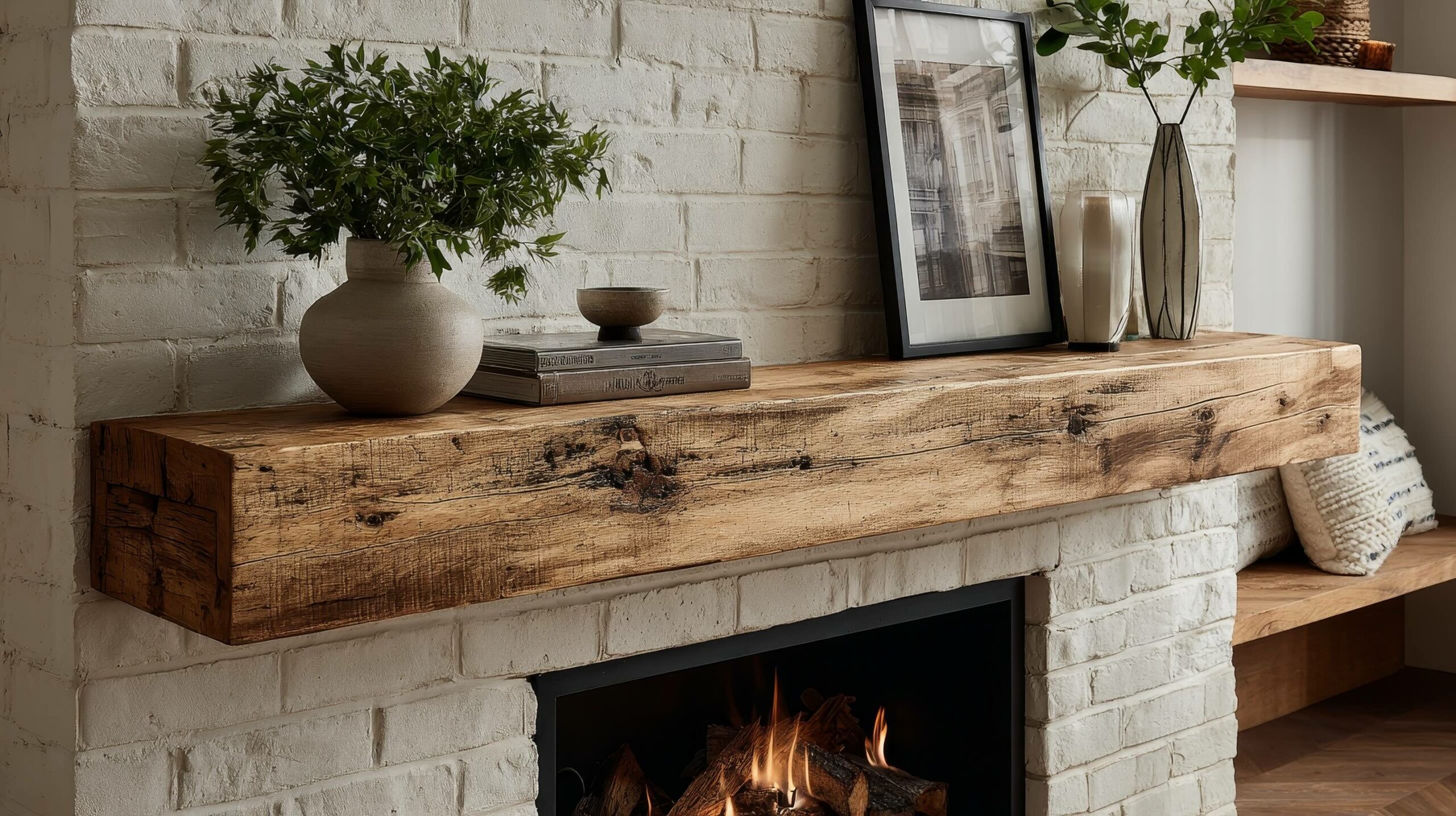
Fall Mantel Decorating: A Seasonal Tradition Tied to Home Systems
As the seasons shift, homeowners across the country embrace the comforting aesthetics of fall. Golden leaves, rich textiles, and warm lighting make their way into our living spaces, and the fireplace mantel often takes center stage. While decorating the mantel for fall can transform a room, it’s also an opportunity to understand the hidden systems supporting that cozy focal point — especially the fireplace itself. Whether you’re working with a gas insert, traditional wood-burning fireplace, or an electric model, each variation ties directly into your home’s broader mechanical systems. Understanding how these systems function — and what their vulnerabilities are — leads to smarter homeownership. Let’s explore the seasonal joy of mantel decorating through the lens of home improvement and protection.
Understanding Home Fireplaces: The Heart Behind the Mantel
The mantel, although decorative, sits atop a complex system designed for comfort and functionality. Fireplaces typically fall into three primary categories: wood-burning, gas, and electric. Each operates differently and integrates into your home’s energy and safety systems in unique ways. A wood-burning fireplace is often tied to a chimney flue system, impacting air circulation and requiring meticulous maintenance. Gas fireplaces connect to natural gas lines and use pilot light or electronic ignition systems. Electric fireplaces, while simpler, draw higher electrical loads and generate warmth through infrared or fan-assisted heaters.
Many homeowners decorate without considering the condition or design of the fireplace beneath the seasonal garland and pumpkins. Proper airflow, clear chimneys, gas line safety, and electrical wiring integrity are critical to ensuring not just ambiance, but safety. The appearance of a mantel is enhanced when supported by a well-functioning, professionally maintained system.
How a Fireplace System Works — And Why That Matters
Let’s break down functionality. A wood-burning fireplace starts with combustion, drawing oxygen and expelling smoke through the flue. This requires clean air intake and unobstructed venting to prevent dangerous carbon monoxide buildup. Any cracks or obstructions in masonry or the chimney cap can impede performance and safety. With gas fireplaces, mechanisms like the thermocouple, pilot assembly, and gas regulator must remain in working order to avoid leaks or ignition failure. Electric fireplaces are the simplest system, but may stress older breakers or outlets, especially if your home has aging wiring.
All of these functions must operate harmoniously for a safe home experience. The moment something falters — a blocked flue, faulty pilot light, or overloaded circuit — your cozy nook becomes a hazard. The mantel decor tells a seasonal story, but it sits atop a piece of equipment that demands ongoing, preventative attention.
Advantages of Each Fireplace Type for the Modern Homeowner
Each fireplace variant has its appeal. Wood-burning options create a timeless ambiance, complete with crackle and smoke. For homeowners seeking eco-conscious improvements, newer EPA-certified wood stoves offer reduced emissions and increased heating efficiency. Gas fireplaces are clean, convenient, and produce steady heat with less mess. They’re especially popular in urban settings where chimney systems are retrofitted or limited. Electric fireplaces appeal to those seeking plug-and-play simplicity. They’re perfect for apartments, newer builds without chimneys, or supplemental heat solutions that marry style and convenience.
Seasonal mantel decorations aren’t limited by type — all fireplaces can support autumnal aesthetics. However, understanding the limitations and strengths of each fireplace system can help you choose the best seasonal styling elements — and protect the systems beneath. For example, real wood garlands above a wood-burning fireplace may dry out dangerously fast. Electric fireplaces allow more flexibility with fabric and synthetic materials around the mantel because of lower external temperatures.
Common Fireplace Drawbacks Homeowners Should Watch For
Despite their aesthetic value, fireplaces introduce specific risks and maintenance needs. One common issue is poor ventilation, especially if the system is aging or hasn’t been serviced. In gas fireplaces, sediment can build up in the burner ports, affecting flame quality. In wood-burning models, creosote accumulation can lead to chimney fires. Electric systems can trigger circuit overloads if connected to non-dedicated power supplies or shared outlets.
Maintenance neglect is the most frequent problem category. Seals degrade, fans wear out, sensors fail. Homeowners often overlook these issues until decorative plans for the fall force a closer look. The irony? Fall is also the season most likely to reveal breakdowns — when temperatures drop and fireplace use increases. Proactive inspections, seasonal cleanings, and coverage through a reliable home warranty plan can prevent these issues from turning into expensive repairs during the holidays.
How to Safely Decorate a Fireplace Mantel for Fall
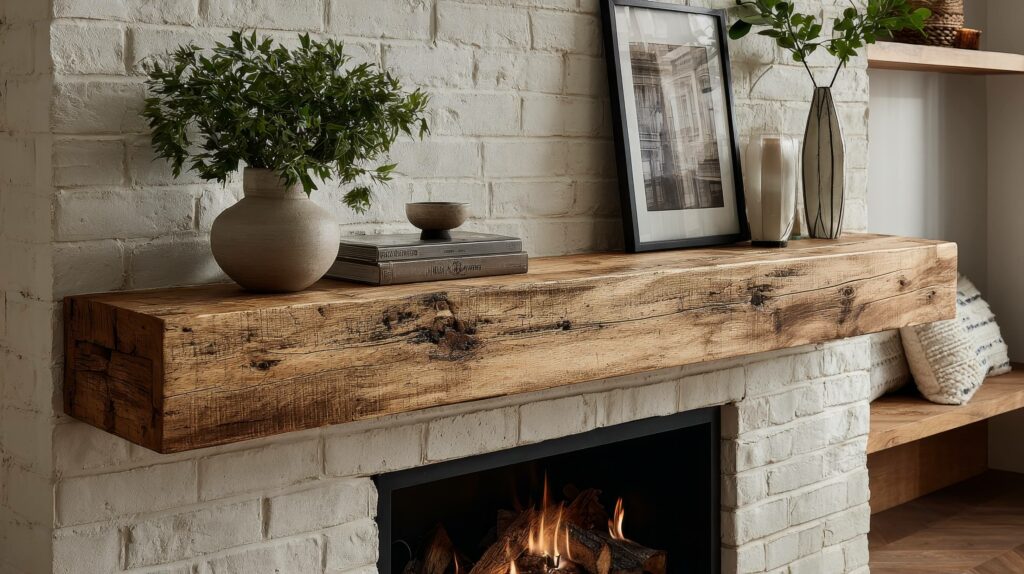
Now, let’s return to the original intention — decorating your mantel for fall. The key approach here is safety plus style. Ensure nothing flammable is placed near open flames or heat vents. Install decorations using non-damaging materials, like command strips instead of nails, especially if your fireplace surround includes stonework, tile, or wood trim. Use seasonal items that speak to texture and tone — fabric bunting, felt pumpkins, dried florals — but keep airflow in mind, especially for working vents or blowers.
If your fireplace is gas or electric, double-check the placement of any electronic decorations, especially those drawing power from the same outlet. Overloading one circuit can trip a breaker or worse. If you’re opting for a full fireplace-use shutdown to focus on aesthetics through fall, consider using a dummy log set or battery-powered ember light for visual effect. Above all, integrate beauty with responsibility. A tasteful display feels all the more luxurious when it’s framed by systems in perfect working order.
Why Proactive Protection Matters More Than Seasonal Decor
Decorating is often the visual motivator that brings awareness to hidden issues at home. The same mantel you carefully style with leaves and candles may also be hiding a loose gas valve or drawing power from a strained circuit. This is where responsible homeownership aligns with aesthetics. Annual inspections, scheduled servicing, and comprehensive warranty protection bridge that gap between function and form. Home warranties that include coverage for built-in mechanical systems like fireplaces are rare — but the right coverage plan can include these overlooked systems.
Fall may be the time we notice fireplace functionality most, but it’s the proactive approach — not the reactive repair — that keeps this system worry-free year-round. Partnering with the right warranty provider creates peace of mind beyond appearance. Your decorations rest on reliability.
Why Armadillo Is the Right Partner for Your Home’s Seasonal Systems
At Armadillo, we understand the full spectrum of homeownership — from decorating a fall mantel to addressing issues in complex heating and ventilation systems. That’s why our home warranty plans are designed to cover essential systems, including many components in fireplace and HVAC units, helping you celebrate the season without fear of unexpected breakdowns. With transparent pricing, digital-first service, and a commitment to smarter home protection, Armadillo offers a modern solution for today’s homeowners. Keep your home systems covered while enjoying your seasonal transformations. Learn more at our homepage or get started by building a custom plan for your address here. Happy decorating — and smarter protecting.