
What Is a Circuit Breaker and Why Does It Matter in Your Home?
Your home’s electrical system is quietly doing a lot of heavy lifting every single day. Behind the walls, inside that metal panel in your garage or utility closet, a row of circuit breakers is standing guard between your appliances and a potential electrical disaster. Most homeowners never think about them until something goes wrong. And when something does go wrong — lights flickering, outlets going dead, the breaker tripping repeatedly — it can feel alarming and confusing all at once. Understanding what a circuit breaker actually does, how to spot a faulty one, and what to do about it is knowledge every homeowner deserves to have.
How a Circuit Breaker Works: The Basics
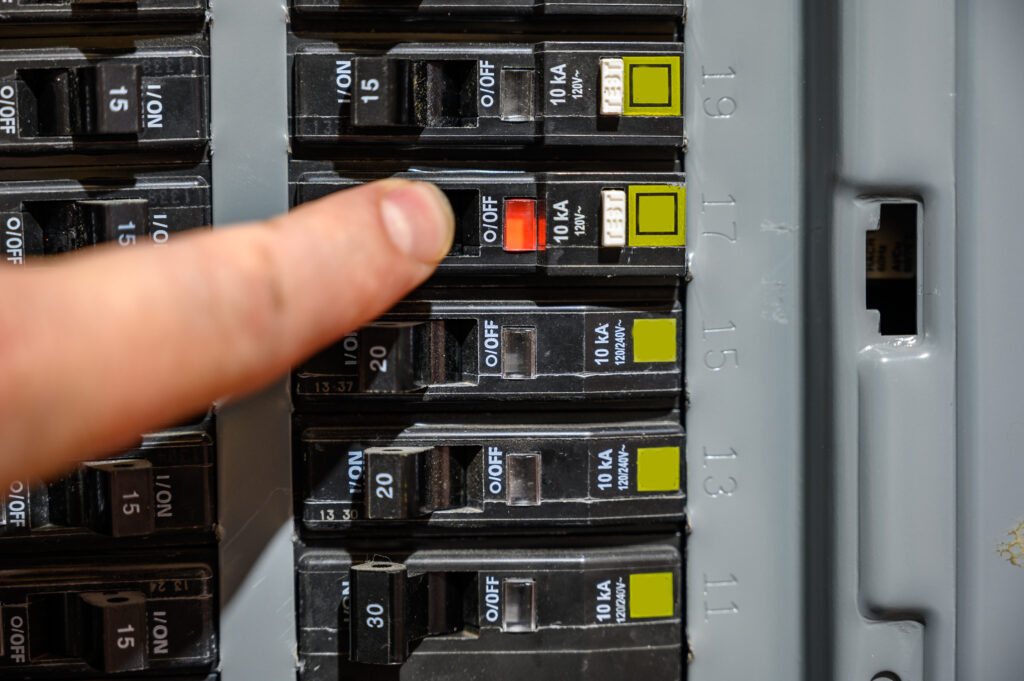
A circuit breaker is a safety device designed to protect your home’s electrical circuits from damage caused by excess current. Think of it as an automatic switch that monitors electrical flow. When too much electricity passes through a circuit — due to an overload, a short circuit, or a ground fault — the breaker trips, cutting off the flow before wires overheat or a fire starts. Once the cause is resolved, the breaker can be reset manually. Each breaker in your panel is assigned to a specific zone or appliance in the home, such as the kitchen, HVAC system, or master bedroom. This segmented design means a problem in one area does not take down your entire home’s power.
Signs That a Circuit Breaker May Be Faulty
A circuit breaker that is no longer functioning correctly is not always obvious. Some symptoms are subtle and easy to dismiss, while others are impossible to ignore. Knowing what to look for can help you act before a minor electrical issue becomes a serious hazard.
- The breaker trips frequently, even under normal electrical loads
- The breaker feels warm or hot to the touch
- There is a burning smell near the electrical panel
- The breaker will not reset after being switched off and back on
- Lights connected to the circuit flicker or dim unexpectedly
- Visible signs of damage, such as scorch marks or melted plastic around the panel
- The breaker switch feels loose or does not hold its position
If you notice any of these signs, do not ignore them. A faulty circuit breaker is not a cosmetic issue — it is a functional safety problem that warrants prompt attention.
What Causes a Circuit Breaker to Fail?
Circuit breakers are built to last, but they are not indestructible. Age is one of the most common culprits. Most breakers have a lifespan of around 30 to 40 years, and older homes with original panels may be operating on components well past their reliable service window. Beyond age, frequent tripping puts mechanical stress on the internal components over time. A breaker that trips hundreds of times is more likely to wear out than one that has rarely been tested. Power surges, moisture intrusion into the panel, and even rodent damage can also compromise a breaker’s integrity. In some cases, the breaker itself was never properly matched to the circuit load it was assigned to protect — an installation error that creates long-term reliability issues.

The Real Risks of Ignoring a Faulty Circuit Breaker
Here is where things get serious. A malfunctioning circuit breaker that no longer trips when it should is essentially a broken safety net. Without that protective interruption, an overloaded circuit can overheat, damage wiring insulation, and create the conditions for an electrical fire inside your walls. According to the U.S. Fire Administration, electrical fires account for a significant portion of residential fires each year, and faulty wiring and electrical equipment are leading contributing factors. Beyond fire risk, a failed breaker can allow voltage irregularities to reach your appliances and electronics, causing damage to equipment that may cost hundreds or thousands of dollars to replace. Protecting a circuit breaker is not just about electrical maintenance — it is about protecting everything connected to it.
Can You Reset or Replace a Circuit Breaker Yourself?
Resetting a tripped breaker is something most homeowners can handle safely. Switch it fully to the off position first, then back to on. If it trips again immediately, that is the circuit telling you there is an underlying issue that needs professional diagnosis. Replacing a faulty circuit breaker, however, is a different matter entirely. While the task might look straightforward, working inside an electrical panel means exposure to live wires and high-voltage components that can cause serious injury or death if mishandled. This is work best left to a licensed electrician. Attempting a DIY replacement without proper training also risks voiding your homeowner’s insurance or creating code violations that surface during a future home sale.
What to Expect During a Professional Circuit Breaker Repair
When a licensed electrician arrives to address a faulty circuit breaker, the process typically begins with an assessment of your entire electrical panel. They will test the breaker, inspect the wiring connected to it, and check for any signs of broader panel issues. If the breaker itself is the problem, replacement is usually straightforward and can often be completed in under an hour. Costs for a single breaker replacement typically range from $150 to $300, depending on your location and the type of breaker required. If the assessment reveals that your panel is outdated or has multiple failing breakers, the electrician may recommend a full panel upgrade — a more significant investment, but one that substantially improves your home’s safety and electrical capacity.
Key Advantages of Maintaining a Healthy Electrical Panel
Staying on top of circuit breaker health and electrical panel maintenance offers real, tangible benefits for homeowners. It is not just about avoiding emergencies — it is about building a home that runs efficiently and safely over the long term.
- Reduced risk of electrical fires and related property damage
- Protection for high-value appliances and electronics from voltage irregularities
- Consistent, reliable power delivery throughout the home
- Improved energy efficiency when circuits are properly loaded
- Better resale value, as home inspectors flag outdated or damaged panels
- Peace of mind that your home meets current electrical safety standards
How Home Warranties Factor Into Electrical System Repairs
This is where a home warranty starts to make a lot of sense. Electrical repairs — particularly those involving circuit breakers and panels — are not cheap, and they have a way of arriving at the worst possible time. A home warranty plan that covers your home’s electrical system can offset the cost of diagnosing and repairing faulty breakers, protecting you from unexpected out-of-pocket expenses. Not all home warranty providers cover electrical components equally, so it is worth reading the fine print carefully. Look for plans that explicitly include internal wiring, circuit breakers, and electrical panels. The right coverage means that when your electrician confirms a faulty breaker, the financial burden is substantially reduced.
Why Armadillo Is the Right Partner for Electrical System Protection
When a circuit breaker fails, the last thing you want is to navigate repair costs, contractor searches, and coverage confusion on your own. That is exactly the kind of friction that Armadillo’s home warranty coverage for electrical systems and essential home components is built to eliminate. Armadillo offers straightforward, transparent protection designed for homeowners who want real coverage without the runaround. No confusing exclusions buried in fine print, no unnecessary delays. If you are ready to stop wondering what a faulty breaker or any other unexpected home repair might cost you out of pocket, now is a good time to take action and get a free home warranty quote that covers circuit breakers and your entire electrical system. Protecting your home’s electrical health does not have to be complicated — and with the right plan in place, it does not have to be expensive either.

Frequently Asked Questions About Faulty Circuit Breakers
How do I know if my circuit breaker is faulty or just tripped?
A tripped breaker will have its switch in a middle position between on and off, and it will reset normally once you switch it fully off and then back on. A faulty breaker may feel loose, fail to hold its reset position, trip again immediately, or show physical signs of damage like burn marks or a melted casing.
Is a circuit breaker that keeps tripping always a sign of a bad breaker?
Not always. Frequent tripping is often the breaker doing its job correctly in response to an overloaded circuit or a short somewhere in the wiring. However, if the cause has been addressed and the breaker continues to trip under normal conditions, the breaker itself may have worn out and needs replacement.
How long do circuit breakers typically last?
Most circuit breakers are rated for a lifespan of 30 to 40 years under normal use. Homes with original panels that are several decades old may have breakers approaching or past the end of their reliable service life, which warrants a professional inspection.
Is it safe to use an outlet or appliance on a circuit with a faulty breaker?
No. A circuit protected by a faulty breaker that no longer trips correctly is an active safety risk. Continued use can lead to overheated wiring, appliance damage, or an electrical fire. The circuit should be taken out of use until the breaker is inspected and repaired or replaced by a licensed electrician.
Can a faulty circuit breaker cause a fire?
Yes. A breaker that fails to trip when it should allows excess current to flow unchecked through the circuit’s wiring. This can cause wires to overheat, deteriorate insulation, and ignite combustible materials inside walls — all classic conditions for an electrical fire.
Does a home warranty cover faulty circuit breakers?
It depends on the plan. Many home warranty providers include coverage for electrical systems, which can encompass circuit breakers, internal wiring, and electrical panels. Always review the specific coverage terms of your plan to confirm what is and is not included before assuming electrical repairs are covered.
How much does it cost to replace a circuit breaker?
The typical cost for a single circuit breaker replacement by a licensed electrician ranges from approximately $150 to $300, factoring in labor and the cost of the replacement part. More complex situations, such as replacing a double-pole breaker or upgrading an older panel, may cost more.
Should I replace my entire electrical panel if one breaker is faulty?
Not necessarily. A single faulty breaker usually only requires that breaker to be replaced. However, if your panel is old, has multiple failing breakers, or uses a brand with a known history of defects, an electrician may recommend a full panel upgrade as the more cost-effective and safer long-term solution.
Can I reset a circuit breaker myself, or should I always call an electrician?
Resetting a tripped breaker is generally safe for homeowners to do themselves. However, if the breaker trips again immediately after being reset, or if there are any signs of burning, damage, or the circuit was under normal load when it tripped, that situation calls for a licensed electrician rather than repeated manual resets.
What is the difference between a circuit breaker and a fuse?
Both serve the same protective function, but a fuse is a single-use device that must be replaced after it blows, while a circuit breaker is a resettable switch designed to be used repeatedly. Most modern homes use circuit breakers, but older homes may still have fuse boxes that can be upgraded to a breaker panel for improved safety and convenience.